Scares on screen are as old as cinema itself. From the early years of horror film production in England to the present day, ghosts, haunted houses and other creepy subjects found a suitable outlet in the darkened space of the movie theatre.
One obvious advantage to English filmmakers is that living in a country steeped in history provides a rich seam of historic buildings and sites perfectly suited to telling tales of evil, the supernatural and horror.
From Hammer Films’ golden age to modern blockbusters, England’s protected heritage has provided the perfect backdrop for spine-chilling tales.
Inspired by the recent release of ‘28 Years Later’, members of Historic England’s central Listing team have compiled their favourite 10 listed buildings to feature in British horror.
The Curse of Frankenstein (1957)
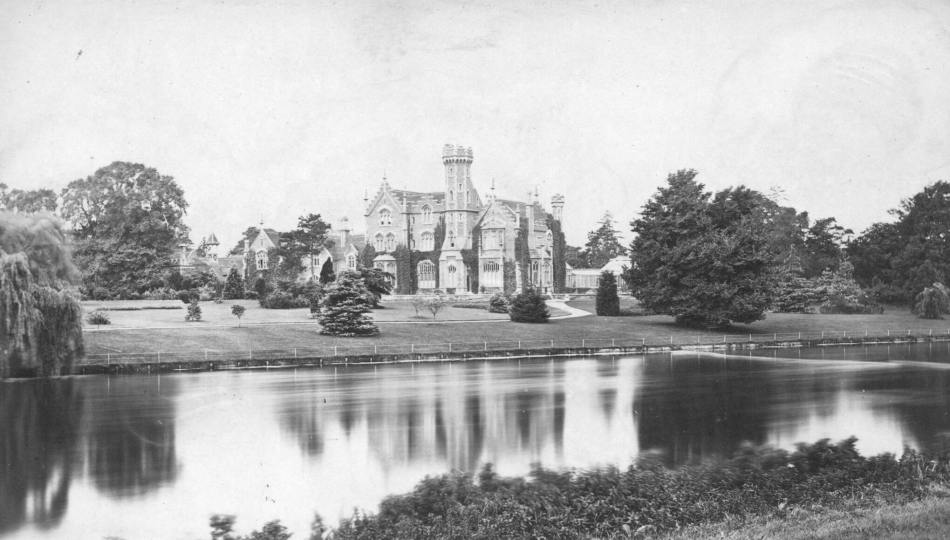
Oakley Court, Bray, Berkshire
Hammer Films’ breakthrough success, ‘The Curse of Frankenstein’ transformed Oakley Court Hotel into the most recognisable horror film location in Britain.
Built in 1859 in outlandish Gothic Revival style, the Grade II* listed building near Bray featured two gabled ranges around a tall octagonal tower that perfectly embodied popular Victorian Gothic horror aesthetics.
This horror film marked the beginning of Oakley Court’s association with the horror genre and made Hammer an international name.
Other Hammer Horror Films filmed at Oakley Court include: ‘The Brides of Dracula’ (1960), ‘Plague of the Zombies’ (1966) and ‘The Rocky Horror Picture Show’ (1975).
28 Years Later (2024)
Lindisfarne Castle, Holy Island, Northumberland
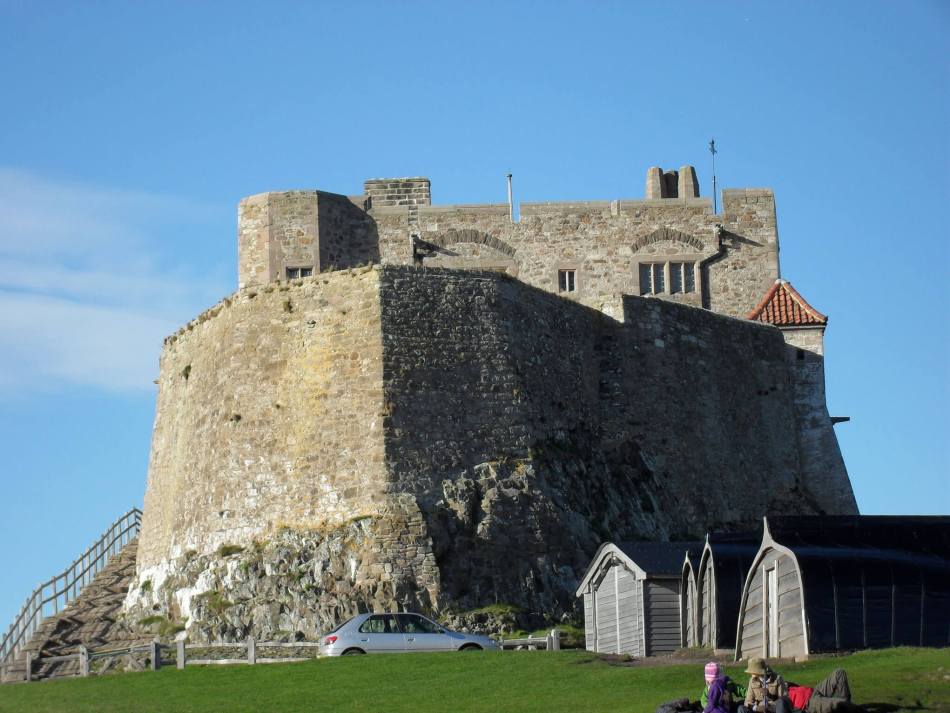
Danny Boyle’s post-apocalyptic sequel to ‘28 Days Later’ brought horror to Holy Island, in the northeast of England. The Grade I listed Lindisfarne Castle appears fleetingly in the background of its haunting coastal landscape.
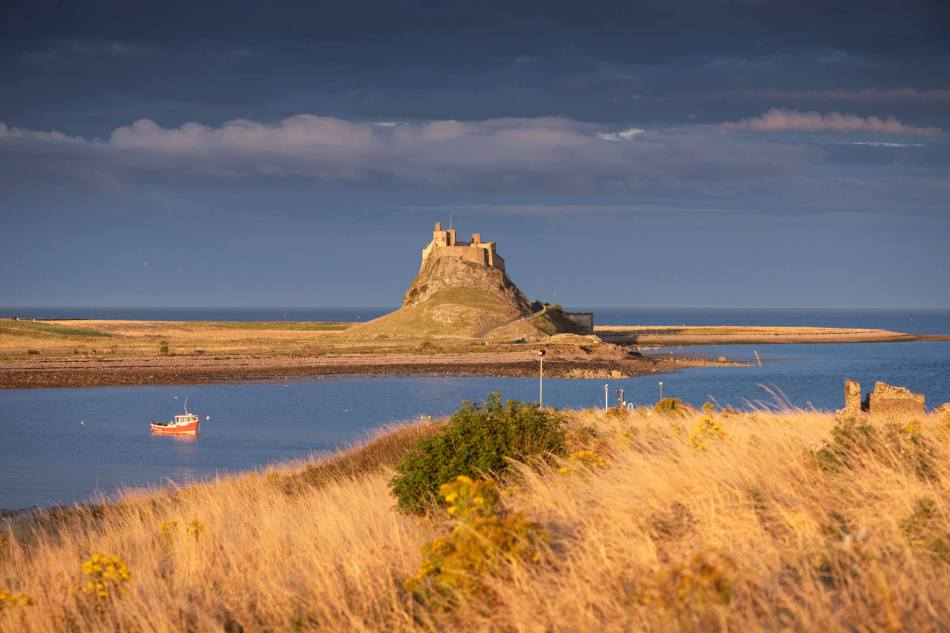
Though not a central feature, the 16th-century fortress, remodelled in 1902 by Sir Edwin Lutyens for Country Life founder Edward Hudson, quietly echoed the film’s themes of isolation and endurance.
Its tidal-access location and enduring architecture offered a subdued yet poignant backdrop to this story of survival and transformation.
The Woman in Black (2012)
Cotterstock Hall, Northamptonshire
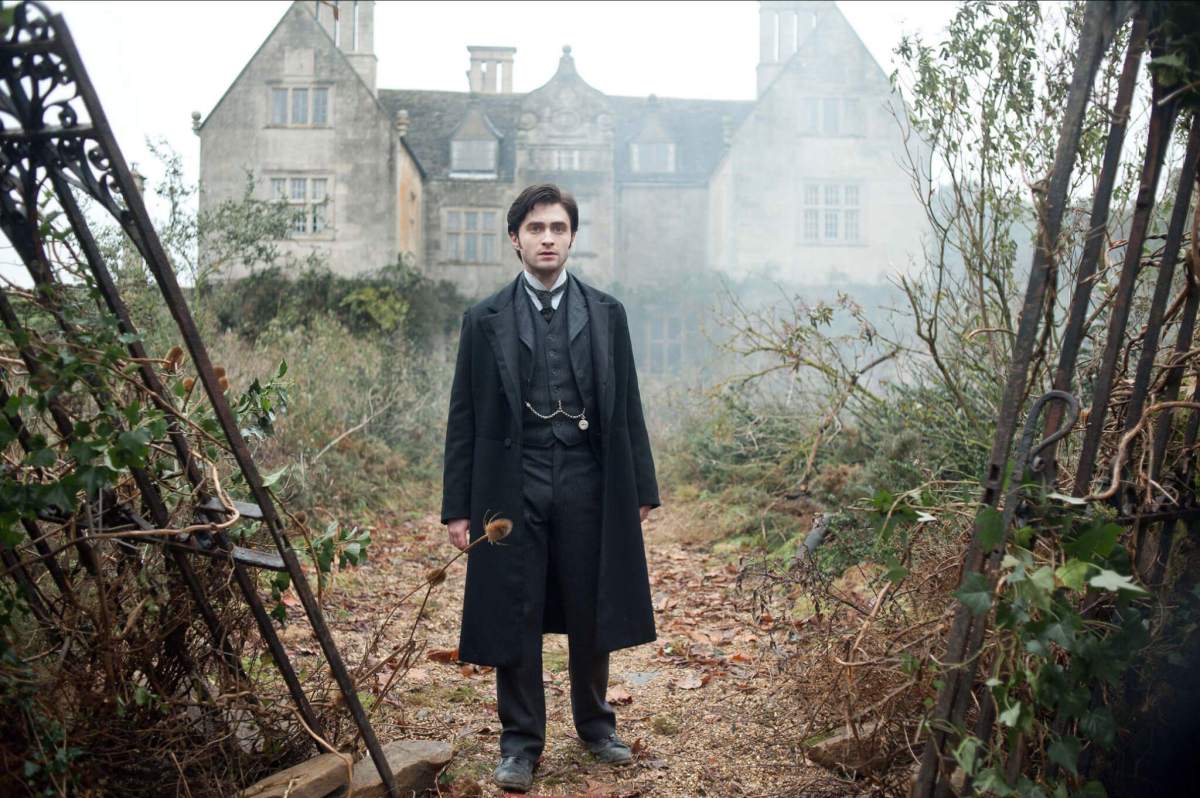
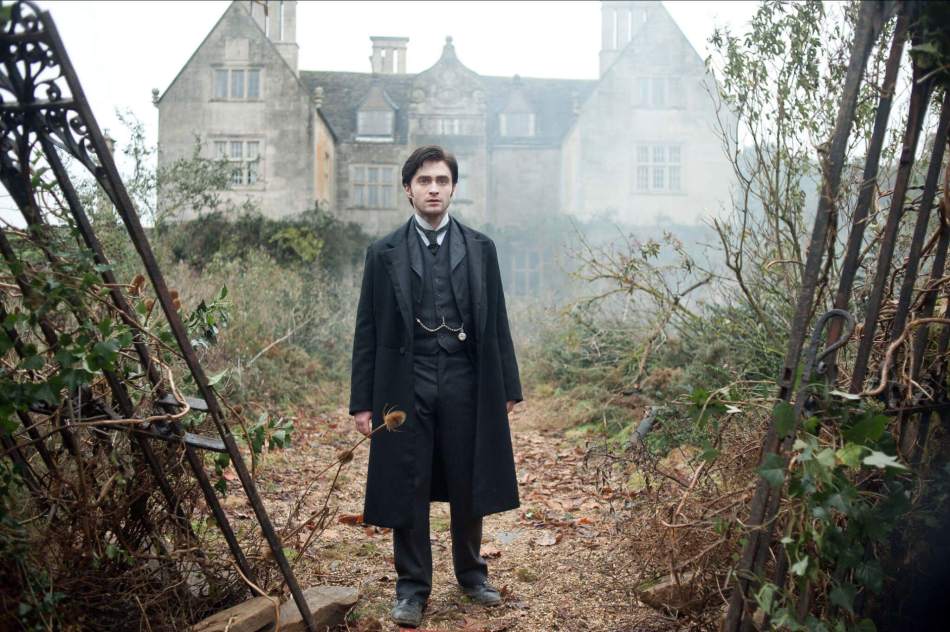
‘The Woman in Black’, based on Susan Hill’s Gothic horror novel, has been adapted twice for the screen. The 2012 theatrical version, starring Daniel Radcliffe as lawyer Arthur Kipps, brought the ghost story to a wider audience with heightened visuals and jump scares.
The Grade I listed Georgian mansion Cotterstock Hall was transformed into the infamous Eel Marsh House, where Arthur Kipps uncovers the terrifying secrets of the Woman in Black.
Despite lacking the novel’s marshland setting, the hall’s remote location and architectural gravitas created the perfect atmosphere for this tale of supernatural revenge, demonstrating how Georgian elegance could be transformed into Gothic terror through careful cinematography.
The Omen (1976)
Guildford Cathedral and All Saints’ Church, Fulham, London
‘The Omen’ is an American-financed horror epic which showcased multiple historic locations in Surrey in its tale of Satan’s son, Damien.
Pyrford Court, a Grade II listed Neo-Carolean mansion built in the 1920s partly to the owner’s own design, served as the US Ambassador’s residence.
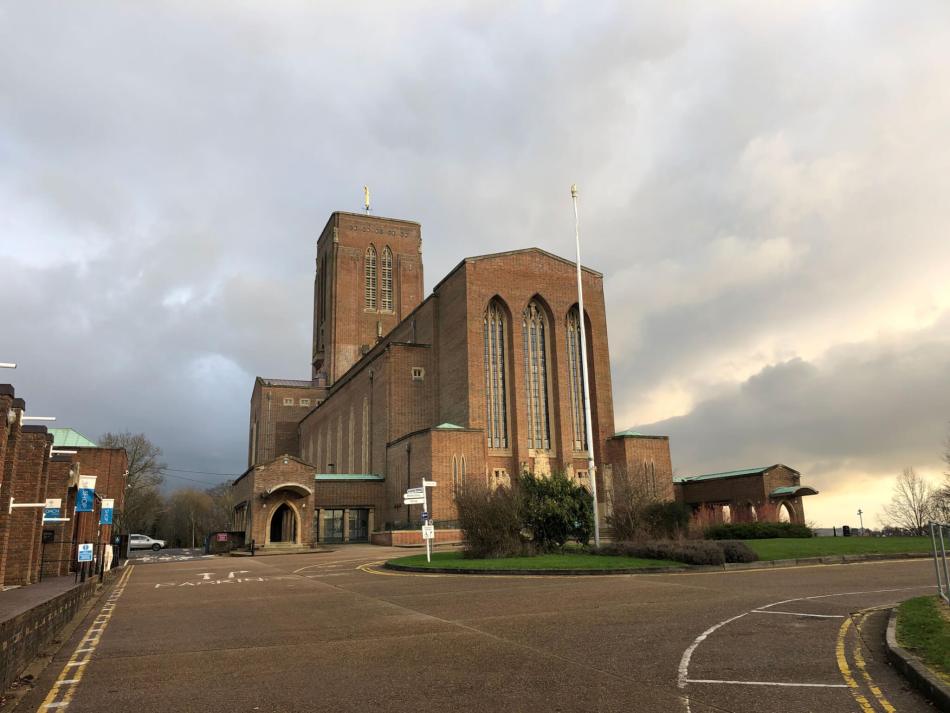
Guildford Cathedral, Edward Maufe’s Grade II* listed Gothic Revival masterpiece and England’s last new Anglican cathedral, provided the setting where the devil-child’s reluctance to enter churches first becomes apparent.
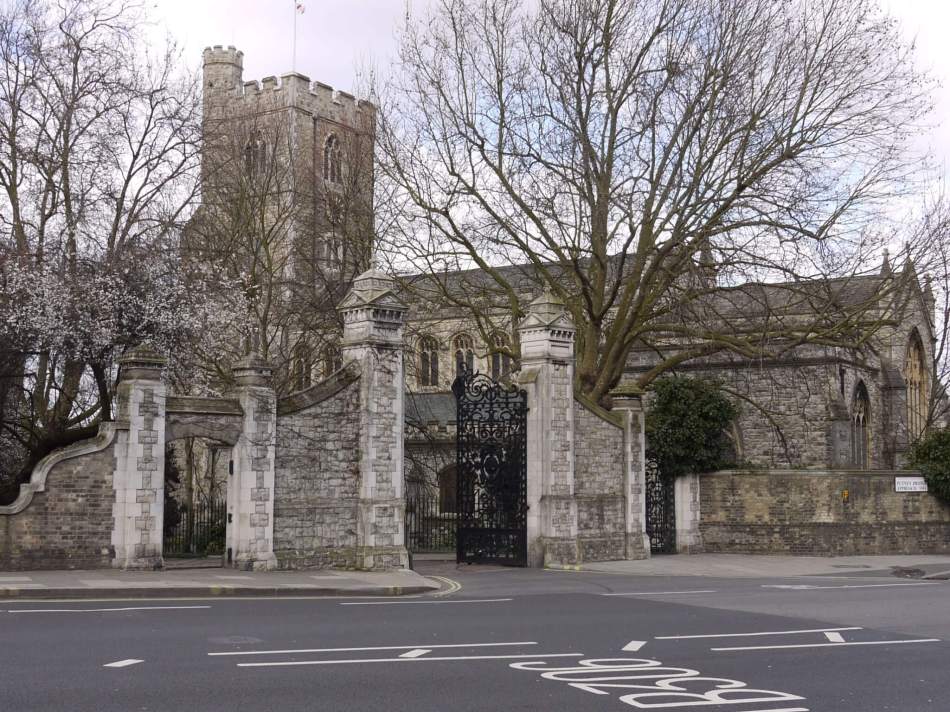
All Saints’ Church in Fulham, a Grade II* listed 19th-century Gothic church, witnessed Patrick Troughton’s character’s dramatic lightning rod demise, whilst the American Military Chapel at Brookwood Military Cemetery provided the backdrop for the ambassador’s funeral.
An American Werewolf in London (1981)
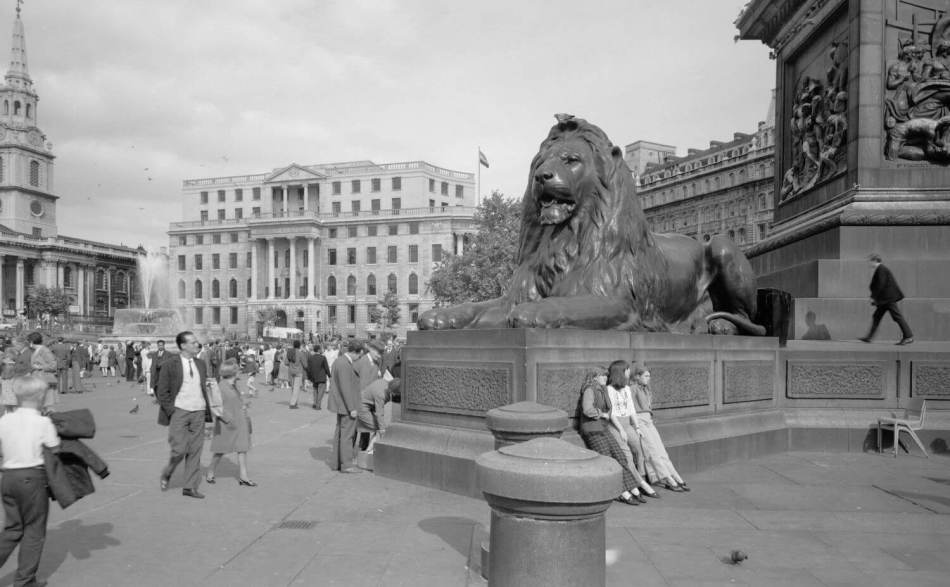
Trafalgar Square, London
When it comes to horror, dark comedy, and groundbreaking special effects, John Landis’s ‘An American Werewolf in London’ is the cult film that helped shape the genre.
It tells the story of American student, David Kessler, who survives a werewolf attack on the Yorkshire moors and is cursed to transform under the full moon as he convalesces in London.
Among numerous locations around the capital, the film features Grade I listed park and garden, Trafalgar Square.
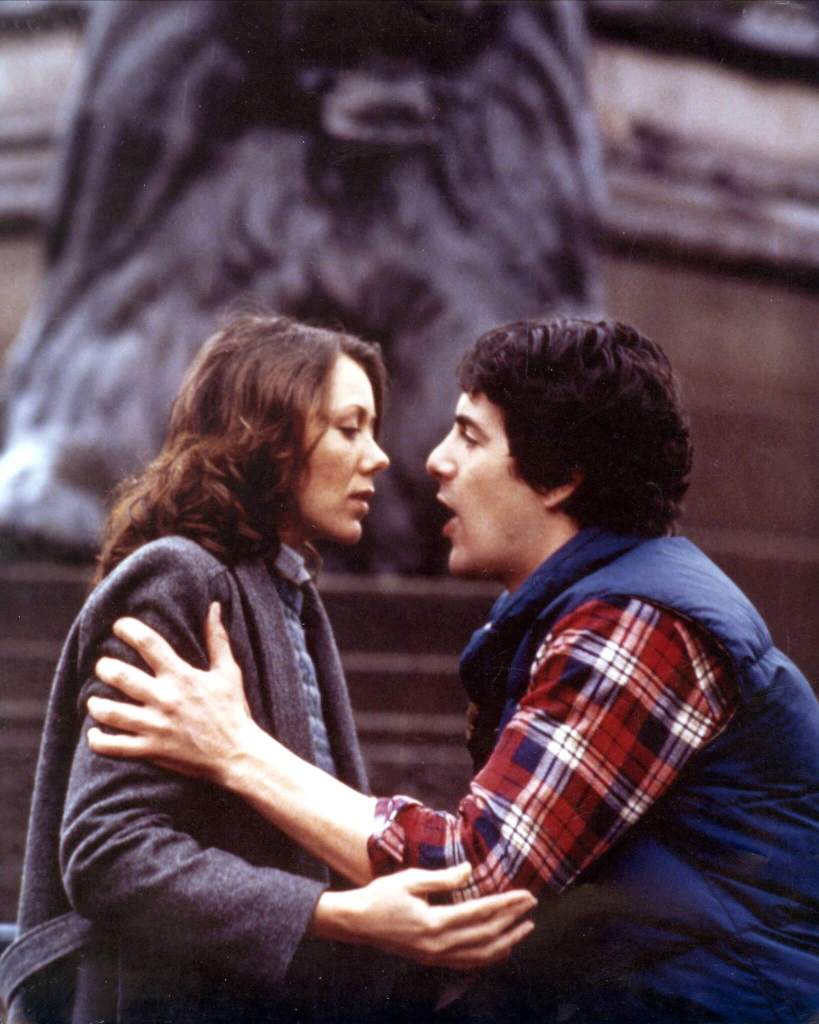
The base of Nelson’s Column provides instantly recognisable London iconography and showcases how historic urban environments can be reimagined to serve modern horror storytelling.
Rick Baker’s ground-breaking special effects also earned the first-ever Academy Award for Best Makeup.
The Haunting (1963)
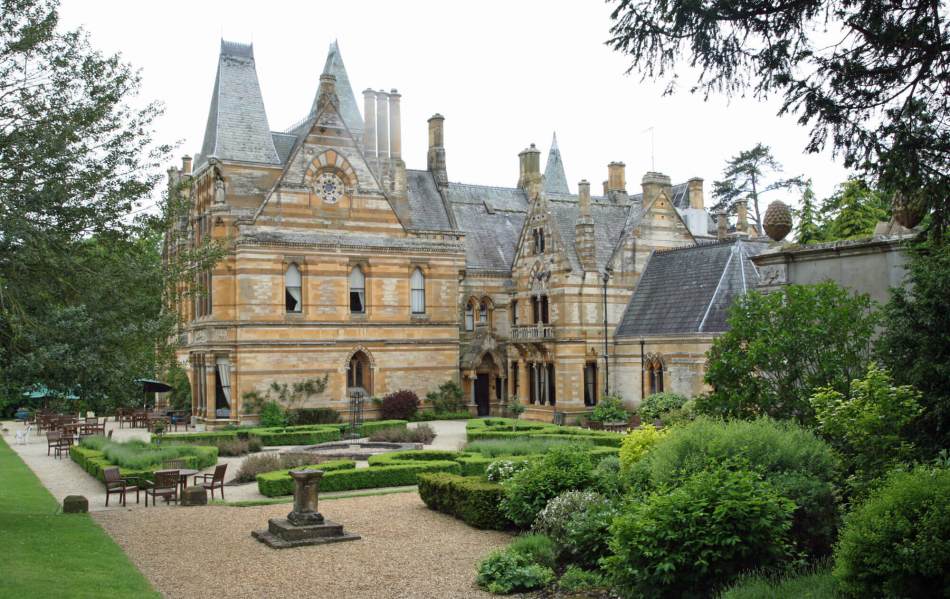
Ettington Park, Warwickshire
This American-financed production chose Ettington Park Hotel as the film location for this psychological thriller, based on the novel ‘The Haunting of Hill House’ by Shirley Jackson.
This imposing Grade I listed building stands in for a remote New England mansion. Built between 1858-1862 to designs by John Prichard, the Continental Gothic style mansion’s polychrome stonework, traceried windows and a dramatic roofscape of towers and turrets, was shot in striking black and white to emphasise its menacing silhouette against moonlit skies.
The Witches (1990)
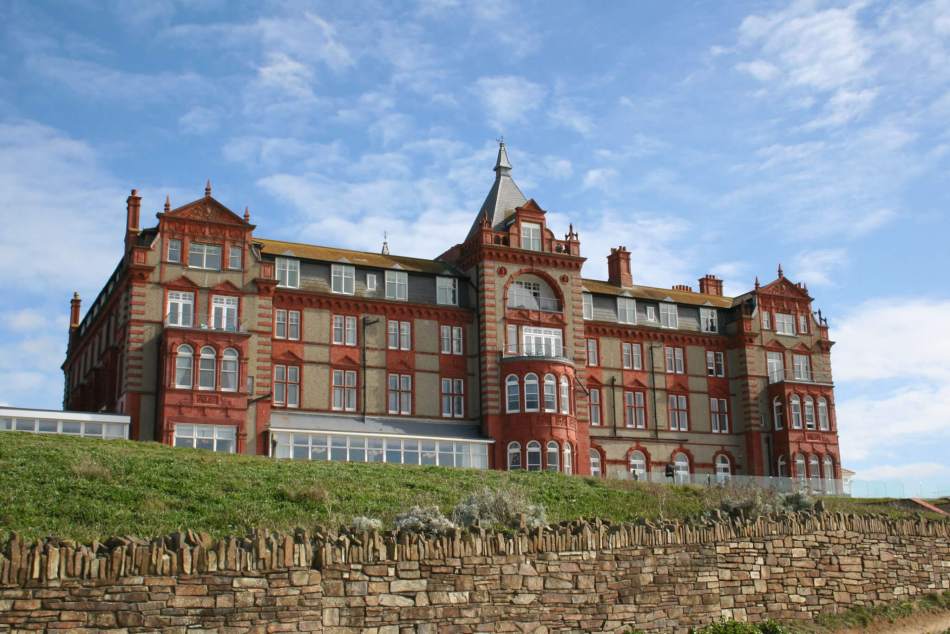
The Headland Hotel, Newquay, Cornwall
‘The Witches’, adapted from Roald Dahl’s 1983 novel, has earned its place as a frightening cult classic. The story follows a young boy and his grandmother as they uncover a secret society of child-hating witches.
It transformed The Headland Hotel into the imposing ‘Hotel Excelsior.’ This Grade II listed Victorian building, designed by celebrated Cornish architect Silvanus Trevail, provides the dramatic clifftop setting for the Grand High Witch’s child-hating convention.
The film also showcases the work of Jim Henson’s Creature Shop, which designed the grotesque prosthetics for the witches and created animatronic rats.
Witchfinder General (1968)
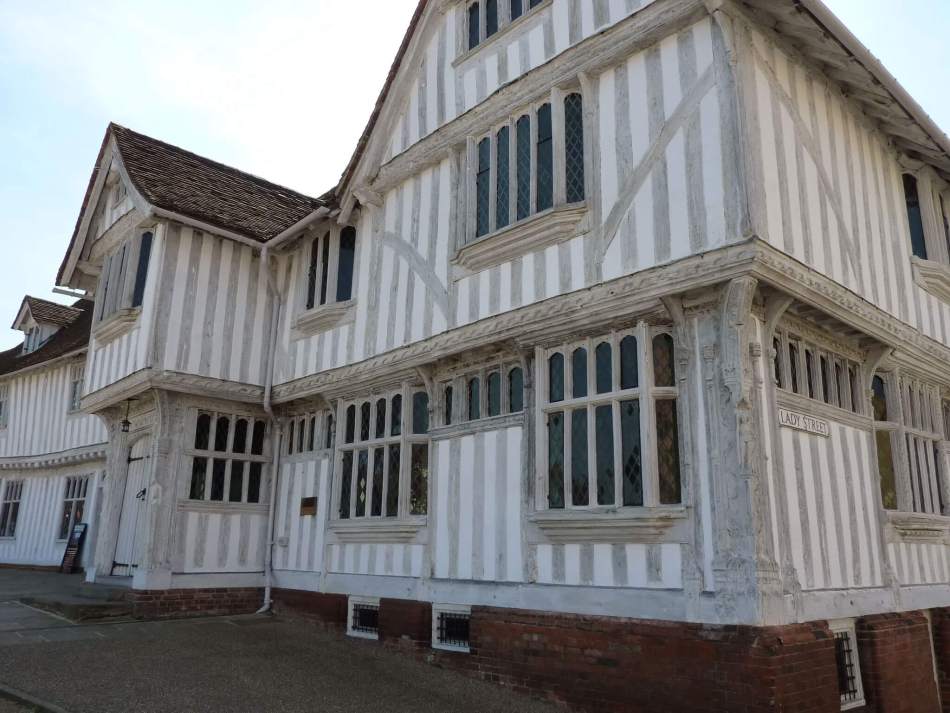
Multiple East Anglian sites
Michael Reeves’s historically grounded horror film showcased multiple Suffolk heritage sites to create unprecedented authenticity.
The production featured the Church of St John the Evangelist in Rushford, the moated Kentwell Hall at Long Melford and Lavenham’s market place with its exceptional collection of timber-framed buildings including the Grade I listed Guildhall.
All locations were carefully chosen for their pre-mid-17th century origins, ensuring historical accuracy for this tale of Matthew Hopkins’s witch hunts, with Vincent Price famously photographed in period costume outside Lavenham’s sweet shop.
The Amazing Mr Blunden (1972)
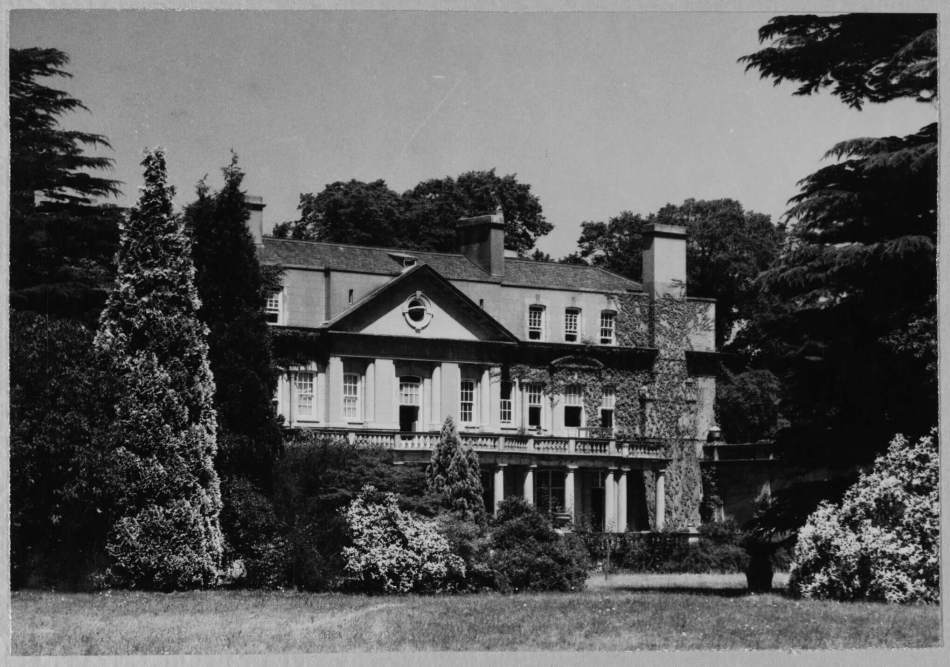
Heatherden Hall, Buckinghamshire
This family-friendly supernatural tale used Heatherden Hall, Pinewood Studios as its atmospheric country estate setting.
This Grade II listed building, originally built as a private residence before becoming the centrepiece of Pinewood Studios in 1936, provided the perfect backdrop for this time-travel ghost story.
The hall’s role in British cinema history, having accommodated countless visiting actors and directors, adds significance to its appearance in this tale of spectral children from a century past.
Hammer House of Horror (1980)
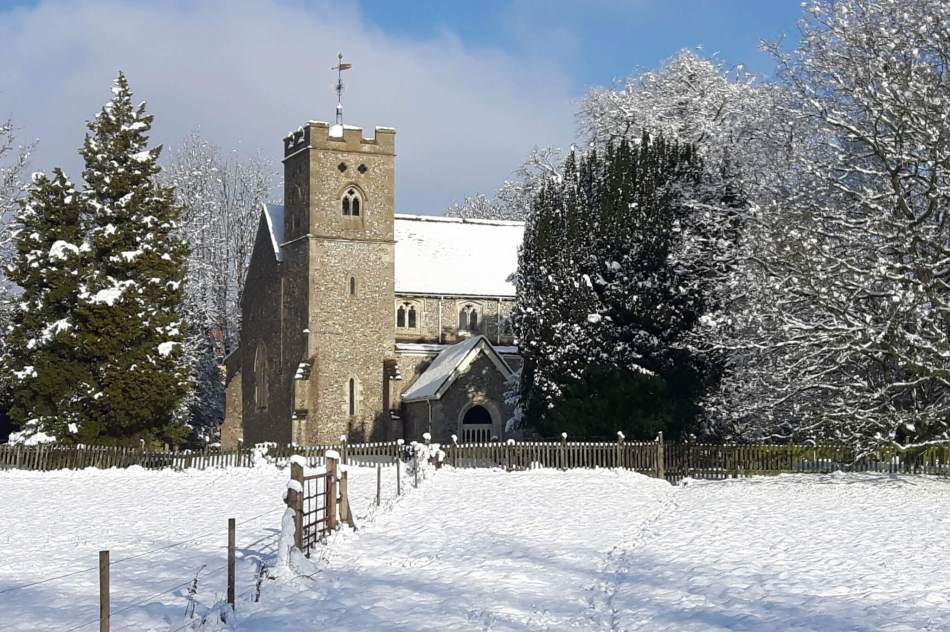
Church of St Mary Magdalene, Great Hampden, Buckinghamshire
‘Hammer House of Horror’ is a British horror anthology TV series that first aired in 1980. Each episode explores a distinct facet of horror, ranging from supernatural themes, such as ghosts, witches and werewolves to psychological terror.
The Grade II* listed medieval Church of St Mary Magdalene featured in many episodes, including the ‘Witching Time’ and ‘Thirteenth Reunion’.
Its inclusion demonstrates how authentic medieval architecture enhanced supernatural television narratives and extended the horror genre’s relationship with England’s ecclesiastical heritage beyond cinema into television.
Please be aware that some locations mentioned in this article are privately owned properties.
This is our ‘top 10 and we weren’t able to cover all locations’: let us know in the comments your favourite historic locations for British Horror Films that we haven’t had space to cover.
Further reading: