
Jane Austen (1775 to 1817) is one of the most celebrated authors in English literature, renowned for her astute observations of early 19th-century British society, her wit and use of satire, and her strong female protagonists.
Her novels, including ‘Pride and Prejudice’ and ‘Sense and Sensibility’, explore the themes of love, class, marriage, and morality. They have had a lasting impact on literature and popular culture, influencing countless writers and film and television adaptations.
Where did Jane Austen live?
2025 marks the 250th anniversary of Austen’s birth. Here we look at some of the places connected to her life and literary career, as well as some of the buildings that have been used as filming locations for some of her works’ most recognisable adaptations.
St Nicholas Church, Steventon, Hampshire
Austen was born on 16 December 1775 in Steventon, a village in Hampshire. Although her family home no longer exists, St Nicholas Church played a huge part in her childhood. She was baptised here in April 1776 and attended worship there for 25 years.
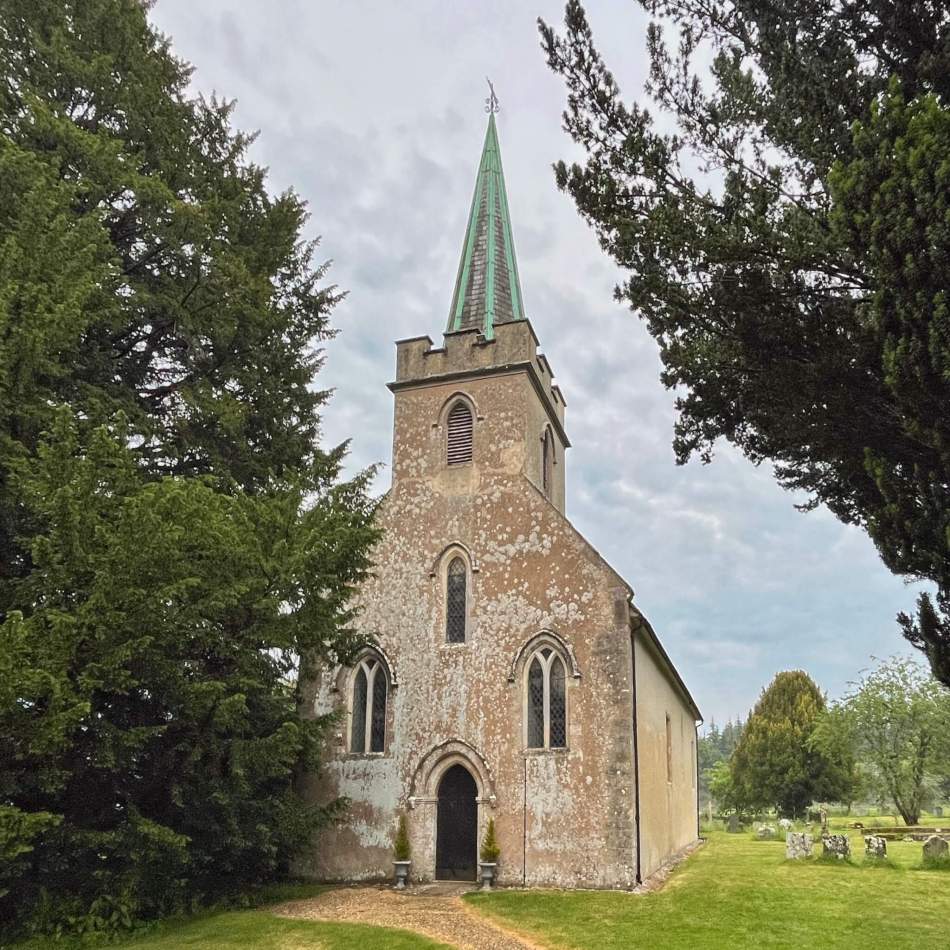
Austen’s father, George, was the rector of the church from 1761 until his death in 1805. Jane lived in the Rectory with her parents, George and Cassandra, and her 7 siblings. Her family’s involvement in the church continued with her brothers, James and Henry, and 4 of her cousins were clergy, meaning that her relations held roles within this church for over 100 years.
How many books did Jane Austen write?
From a young age, Austen was an avid reader and often wrote poems and stories to entertain her family.
While living in Steventon, Austen finished the first drafts of ‘Elinor and Marianne’, ‘First Impressions’, and ‘Susan’, later published under the titles that we recognise today as ‘Sense and Sensibility’ (first published in 1811), ‘Pride and Prejudice’ (1813), and ‘Northanger Abbey’ (1817).
Her other novels include ‘Mansfield Park’ (1814), ‘Emma’ (1815), and ‘Persuasion’ (1817).
Where did Jane Austen live in Bath?
In 1801, Jane Austen moved to the city of Bath with her parents after her father retired from his clerical duties in Steventon. Jane did not entirely welcome the move as she found Bath’s social scene overwhelming and creatively stifling.
During her time in Bath, Austen lived at several locations, including 4 Sydney Place, a fashionable address near the pleasure grounds of Sydney Gardens.
Bath was a popular spa town, providing entertainment for the upper and middle classes during the social season with balls at the Assembly Rooms, sipping the city’s healing waters in the Pump Room, and promenading along the Royal Crescent.
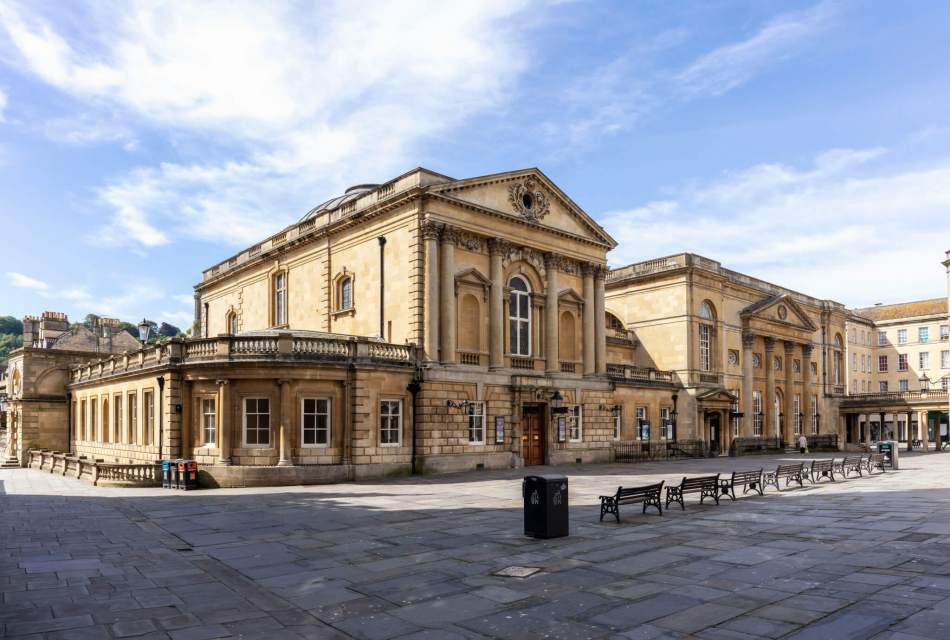
Here, Austen found the constant emphasis on social appearances tiresome, which influenced several of her novels. In ‘Northanger Abbey’, she satirises the city’s social scene, while in ‘Persuasion’, she provides a more melancholic view of the area, reflecting on the social divides between the rich and poor.
After her father’s death in 1805, Austen and her family faced financial insecurity, which made their position in Bath’s social hierarchy more precarious. She moved with her mother and sister to more modest lodgings around the city, including in Green Park Buildings, Gay Street, and Trim Street.
Chatsworth House, Peak District, Derbyshire
Austen not only mentioned Chatsworth House as one of the estates Elizabeth Bennet visits before arriving at Pemberley in ‘Pride and Prejudice’, but many believe it influenced her vision of Mr Darcy’s Pemberley.
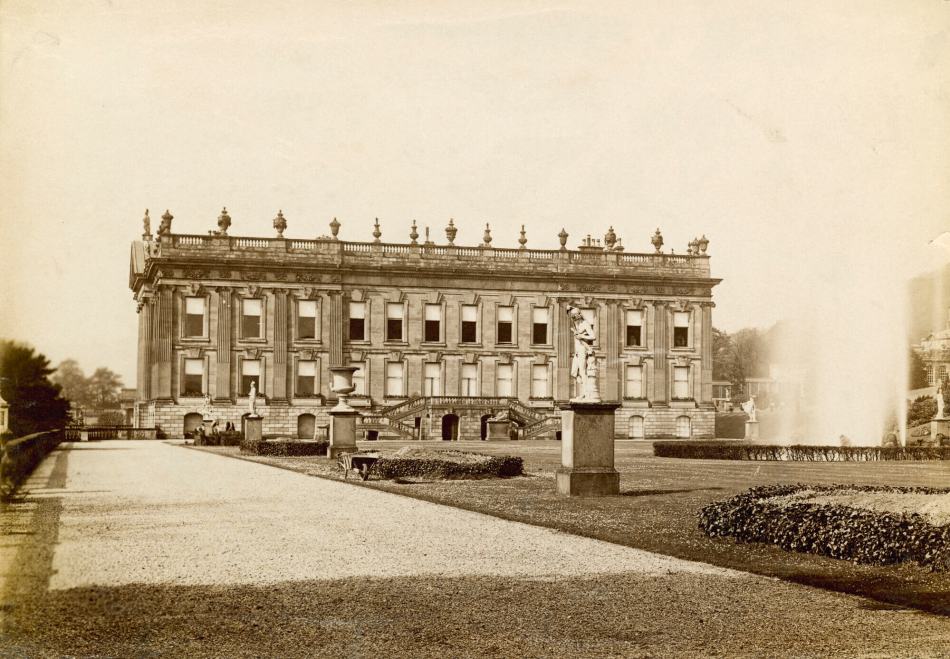
“It was a large, handsome, stone building standing well on rising ground, and backed by a ridge of high woody hills; and in front, a stream of some natural importance was swelled into greater, but without any artificial appearance,” she wrote.
It’s no wonder Chatsworth served as the backdrop for Pemberley in the 2005 film adaptation. Today, visitors can explore its cinematic charm, spotting iconic remnants like the veiled Vestal Virgin statue and the bust of Matthew Macfadyen, who played Mr Darcy in the film, bringing Austen’s world to life.
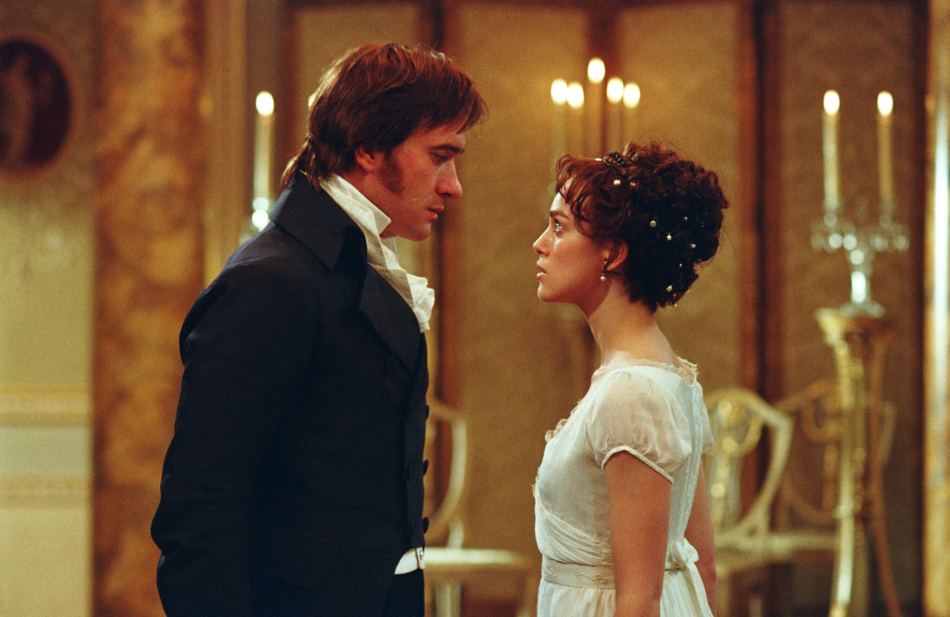
Stoneleigh Abbey, Warwickshire
Visitors to Stoneleigh Abbey can explore much of the original furniture from the late 18th and early 19th centuries, when Austen lived. This impressive estate was home to Austen’s maternal relatives, the Leigh family, for almost 400 years.
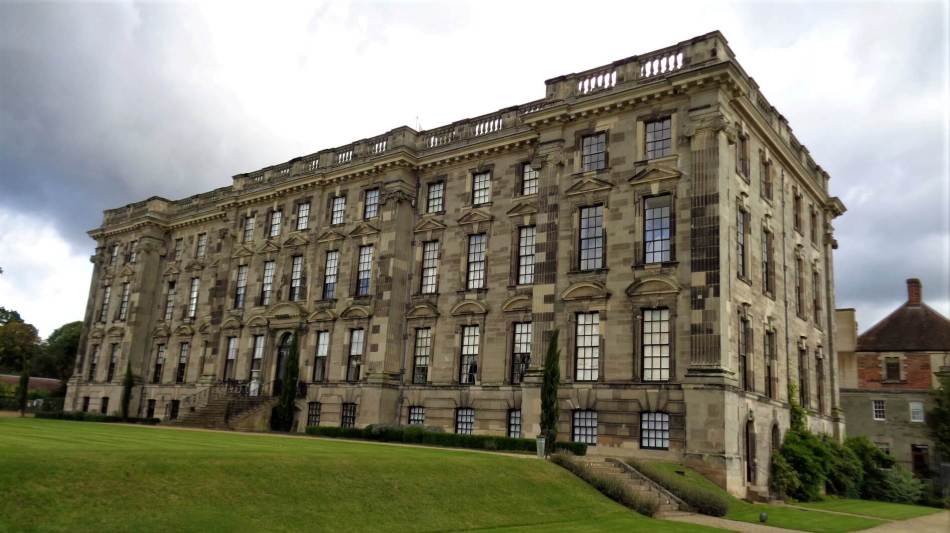
In 1806, Austen, her mother, and her sister Cassandra visited Stoneleigh Abbey with her mother’s cousin, Reverend Thomas Leigh. This trip significantly influenced her writing.
Stoneleigh Abbey features a mix of old monastic buildings and newer additions, like the blend seen in her fictional ‘Northanger Abbey’. Additionally, the chapel she describes in ‘Mansfield Park’ closely resembles the chapel at Stoneleigh Abbey.
Jane Austen’s House, Chawton, Hampshire
Following a period of uncertainty following her father’s death, Austen’s brother Edward, having inherited an estate from their wealthy relatives, the Knights, invited their mother and sisters to live with him at Chawton House in Hampshire.
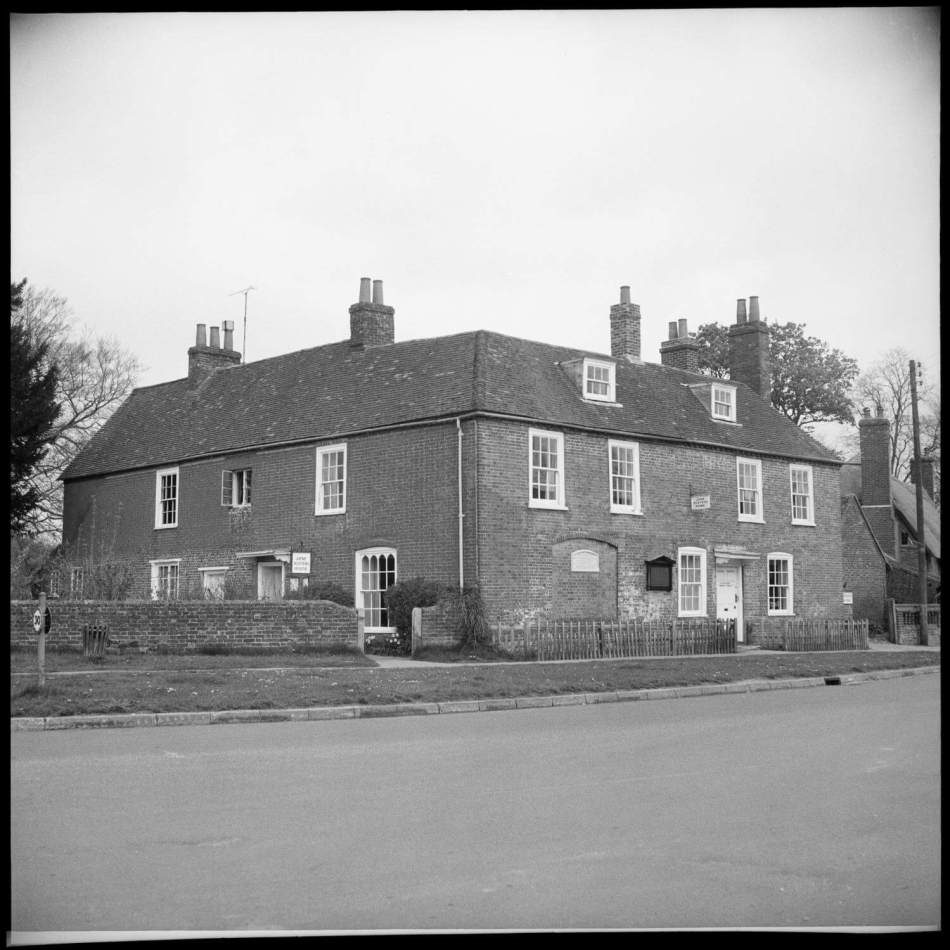
In July 1809, they settled in a charming cottage about 400 metres away from Chawton House, creating a comfortable household alongside their close friend, Martha Lloyd. Here, money was tight, and they had to stretch their small income.
At Chawton, Austen found the peace and space to focus on her writing, revisiting and revising her earlier works.
“Our Chawton home – how much we find
Already in it, to our mind,
And how convinced that when complete,
It will all other houses beat.”Jane Austen, 26 July 1809
In 1817, she began her final novel, initially titled ‘The Brothers’, and later renamed ‘Sanditon’, but she only completed the first 12 chapters before her health began to deteriorate seriously.
Austen then moved to Winchester for medical care, but her stay was brief, lasting only a few months before her death. This makes Chawton her last ‘home,’ where she nurtured her creativity and crafted some of her most beloved novels.
What did Jane Austen die of?
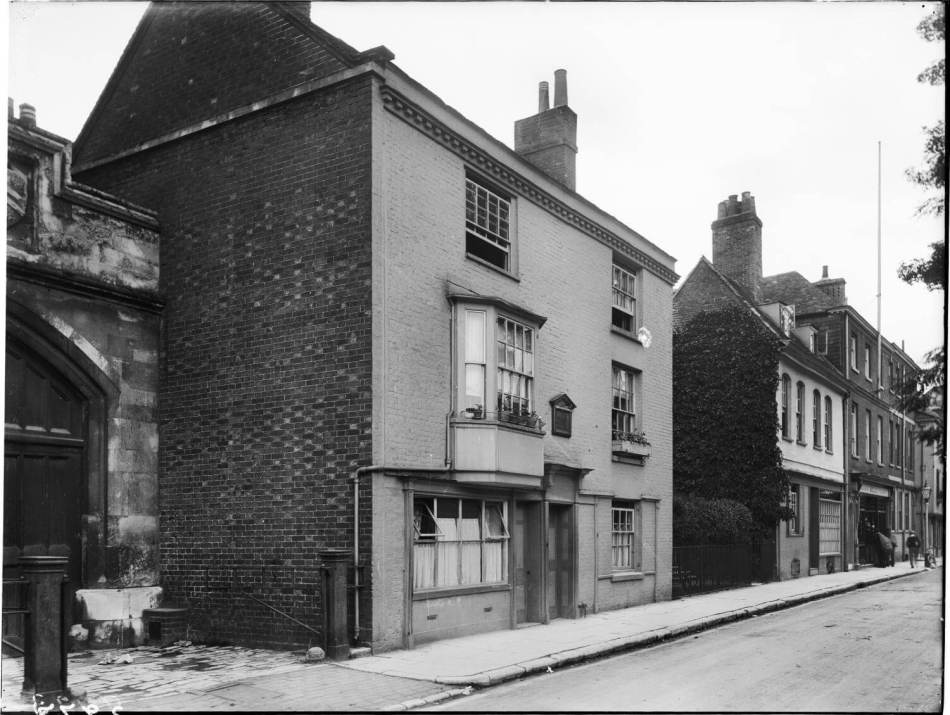
In the final weeks of her life, Austen stayed at 8 College Street in Winchester. It was here that she died on 18 July 1817, aged 41, with her devoted sister Cassandra at her side.
The cause of her death remains uncertain, although some have suggested she could have had Hodgkin’s lymphoma, Addison’s disease, or Lupus.
Winchester Cathedral, Hampshire
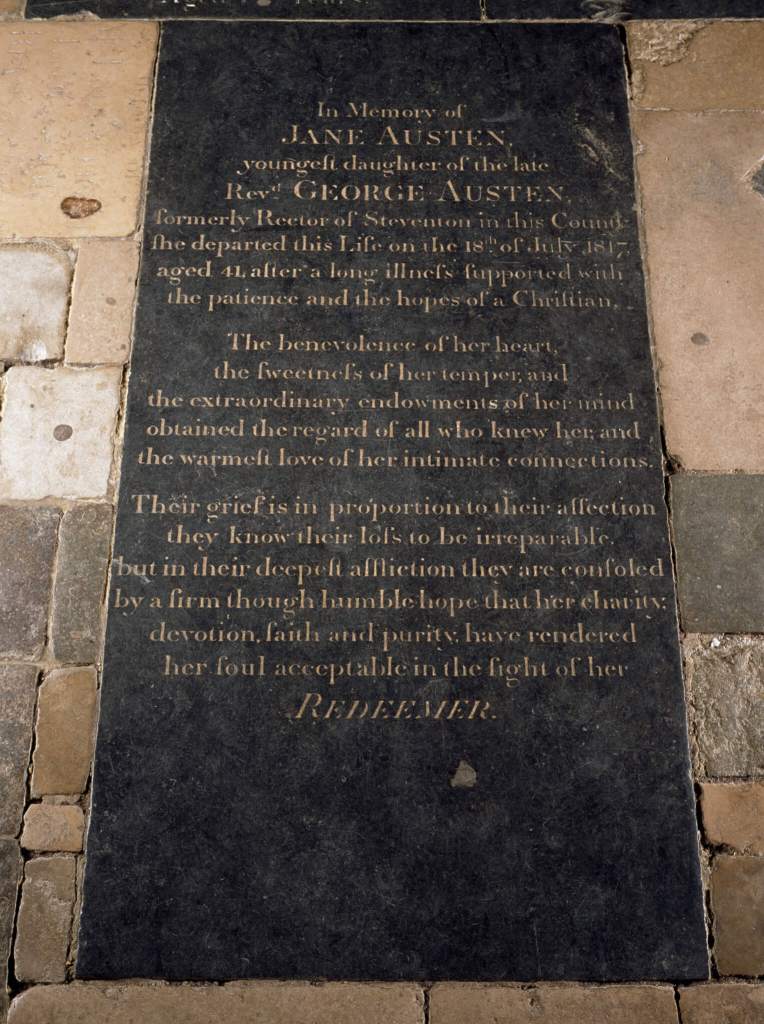
Austen’s body was laid to rest in the north aisle at Winchester Cathedral.
Six months after her death, her brother published ‘Northanger Abbey’ and ‘Persuasion’ on her behalf.
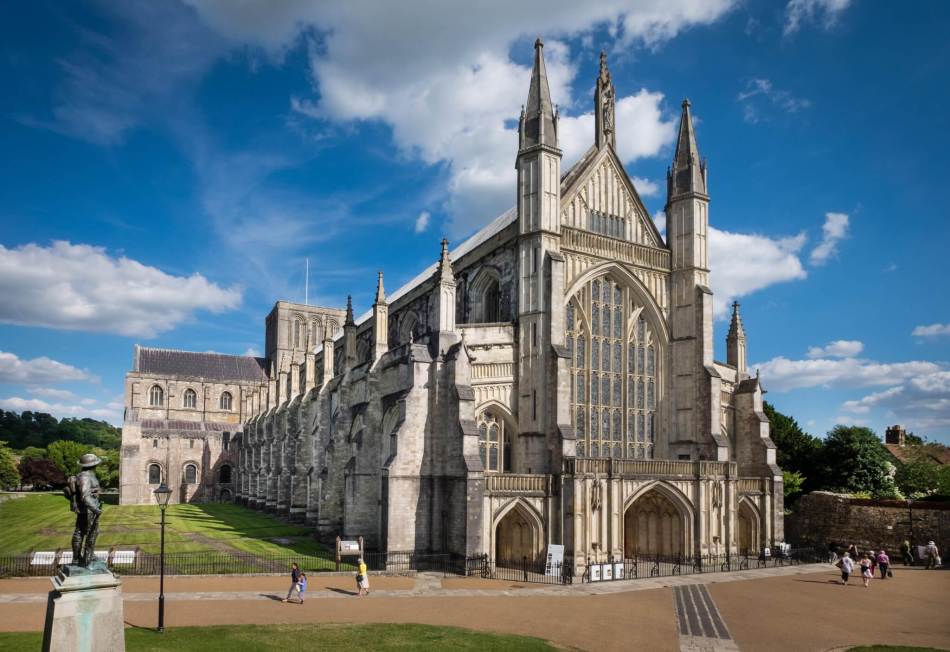
Today, a memorial stone on the floor is in place for visitors to see where she was buried and mentions ‘the extraordinary endowments of her mind’.
An overhead spotlight illuminates this area of the cathedral, featuring a memorial on the adjacent wall.
Lyme Park, Peak District, Cheshire
In recent decades, Austen’s novels have inspired numerous television and film adaptations, with many of England’s stately homes becoming film sets and bringing Austen’s much-loved stories to life.
Everyone will have their favourite adaptation, but in 1995, ‘Austenmania’ took over when the BBC production of ‘Pride and Prejudice’ took to television screens.
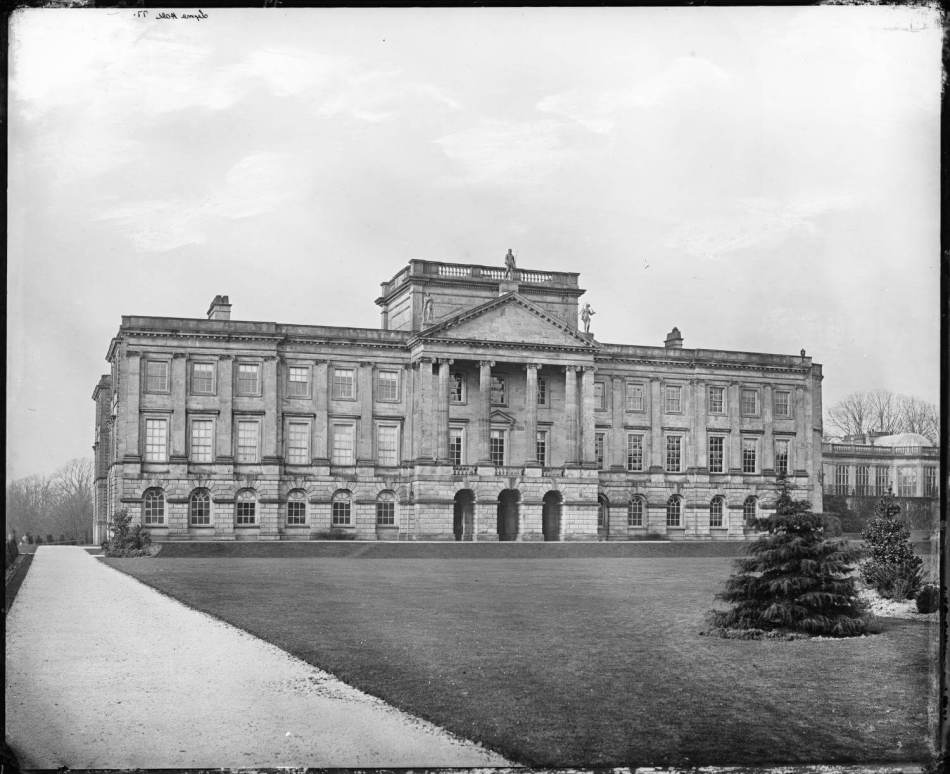
The setting for the most famous scene, where Colin Firth as Mr Darcy emerges from the lake after a brief swim, was at Lyme Park, a grand mansion in Cheshire featuring a mix of Palladian and Baroque styles.
Built on the edge of the Peak District, Lyme was once home to the wealthy Legh family and, in its heyday, a renowned sporting estate.
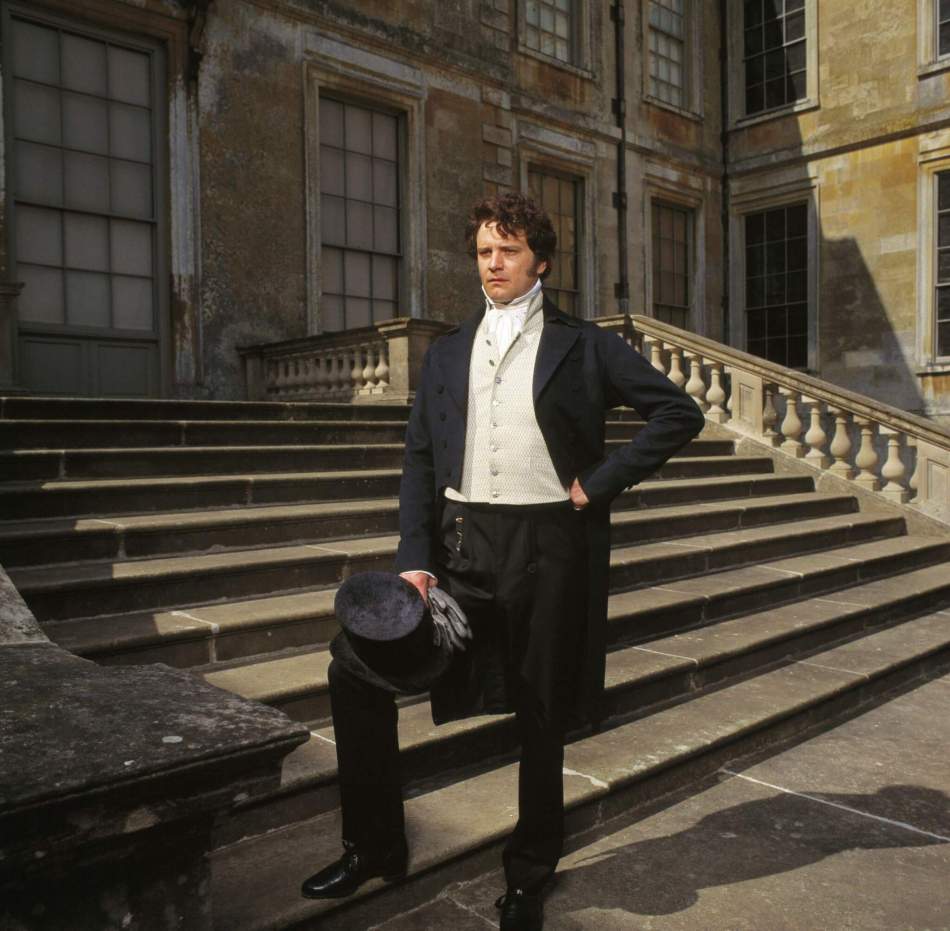
Although the water scene wasn’t part of Austen’s original story, it cemented Darcy as a romantic symbol in modern entertainment.
Lacock village, Wiltshire
Period drama fans will undoubtedly recognise this historic area in Wiltshire from many of their favourite shows such as ‘Wolf Hall’, ‘Downton Abbey’ and ‘Cranford’.
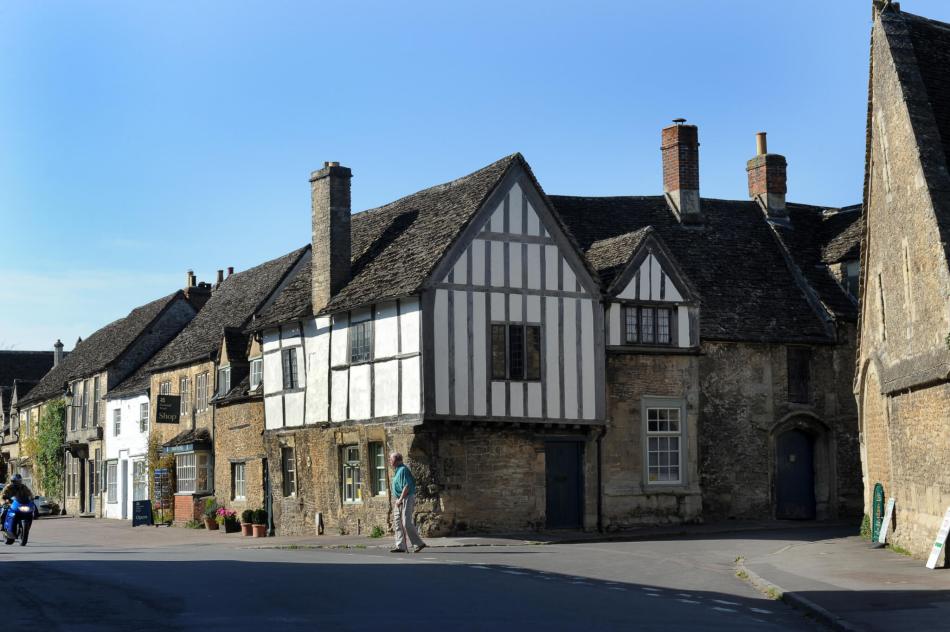
Lacock village dates to the Saxon period, when the earliest permanent settlers lived alongside the Bide Brook, which runs through the town’s centre.
It is one of the most famous film locations for several period dramas. For Austen fans, it is recognised as the location for the bustling, fictional town of Meryton in ‘Pride and Prejudice’ (1995) and Highbury in ‘Emma’ (1996).
Further reading