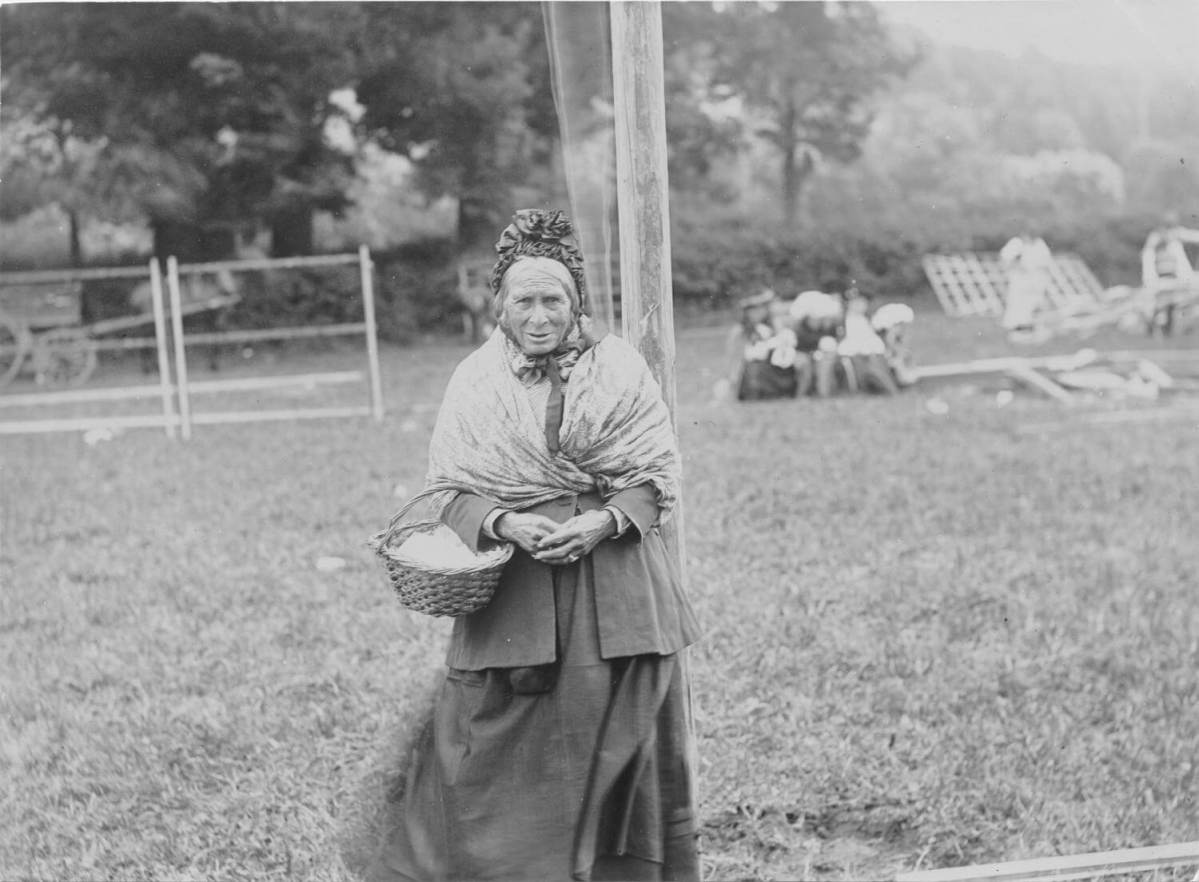
Historically, Romani Gypsies lived nomadic lifestyles, moving from place to place for cultural and economic reasons. As such, it can be challenging to spot physical remnants of Romani Gypsy heritage.
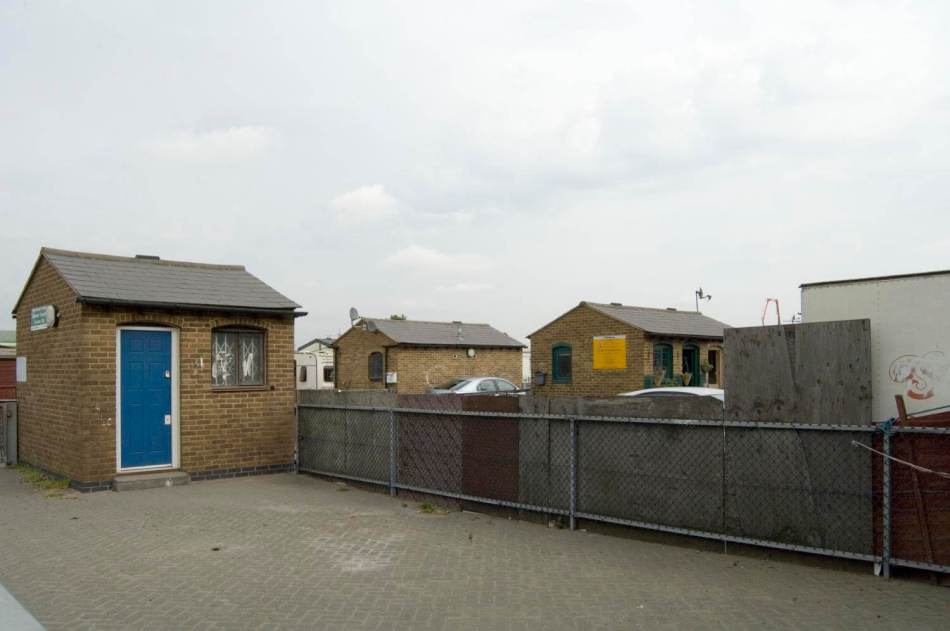
However, the influence of Romani Gypsy presence can be seen all around England. There are street names like ‘Gypsy/Gipsy Lane’, revealing where Romani Gypsies would have once used as traditional stopping places. Similarly, many permanent Traveller sites are built at locations where Romani Gypsies have already been returning to for generations.
‘Gypsy Graves’ are often recorded on historic maps, many by famed Sutton Hoo archaeologist Basil Brown. They can often be found at the crossroads of fields, and their history and origin are largely unknown. Modern Romani graves are easier to spot in cemeteries for their ornately decorated and immaculately kept headstones.
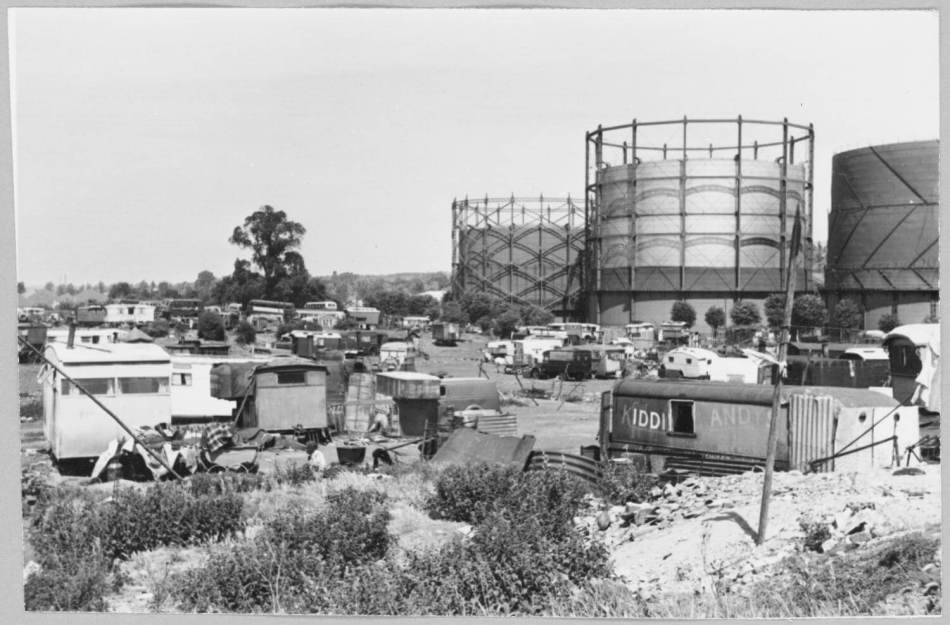
Additionally, there are the remains of compounds where Romani Gypsies were made to live in the New Forest. Memorials across the country at places like Birmingham’s Black Patch and Wardley Street in London commemorate the Romani populations of those areas.
Who are Gypsies, Roma and Travellers?
Romani Gypsies are often incorporated under the umbrella term ‘Gypsy, Roma, and Travellers’, which includes many different and distinct groups, celebrated in June as part of ‘GRT History Month’. These include Irish Travellers, Scottish Gypsy/Travellers, Romani Gypsies, Roma, Show People, Boaters, and New Travellers.
‘GRT History Month’ began in 2008 and recognises the contributions of these distinct communities and ethnic groups “through celebration, education and raising awareness, [helping to] tackle prejudice, change the story, and amplify the voices of Gypsies, Roma and Travellers in wider society” – Friends, Families and Travellers.
It is important to note that whilst most of these groups share characteristics, such as their own or their ancestors’ nomadic lifestyle, areas of work and the importance of community and family network, they are separate groups who experience life and society in distinct ways.
Romani Gypsies are part of the wider Roma ethnicity. Over 12 million Roma are spread globally, amounting to Europe’s most significant ethnic minority.
Many British Romani Gypsies use the spelling Romany and are also known as Romanichal (part of the broader Roma ethnicity). We have chosen to use the more widely used global spelling of Romani in this blog to capture the history of this ethnic group throughout English history. However, both spellings are representative of many people mentioned here.
While the term Gypsy is viewed by many Roma across the world as an offensive term, in Britain, many Romani communities have reclaimed the word as a source of pride and identity.
When did Romani Gypsies arrive in England?
Romani Gypsies, believed to have originated in the north-western reaches of Rajasthan, embarked on a journey from India over 1,500 years ago and eventually arrived in Europe some 900 years ago. The first recorded Romani person in England dates back to 1512.
When Romani Gypsies arrived on English shores, the settled population assumed they had come from Egypt and referred to them as ‘Egyptians’. This eventually morphed into ‘Gypsy’.
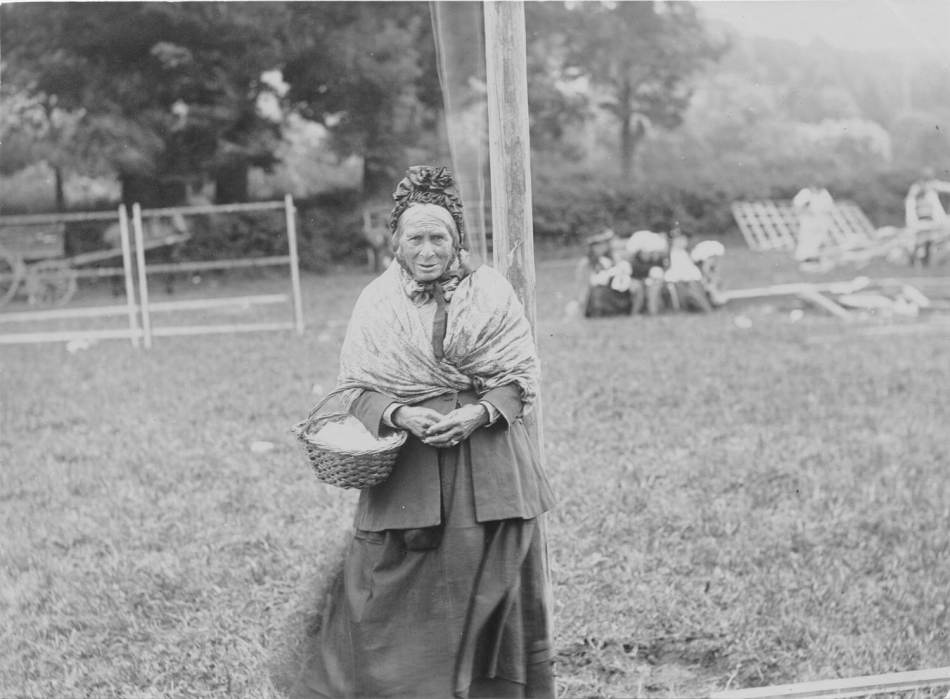
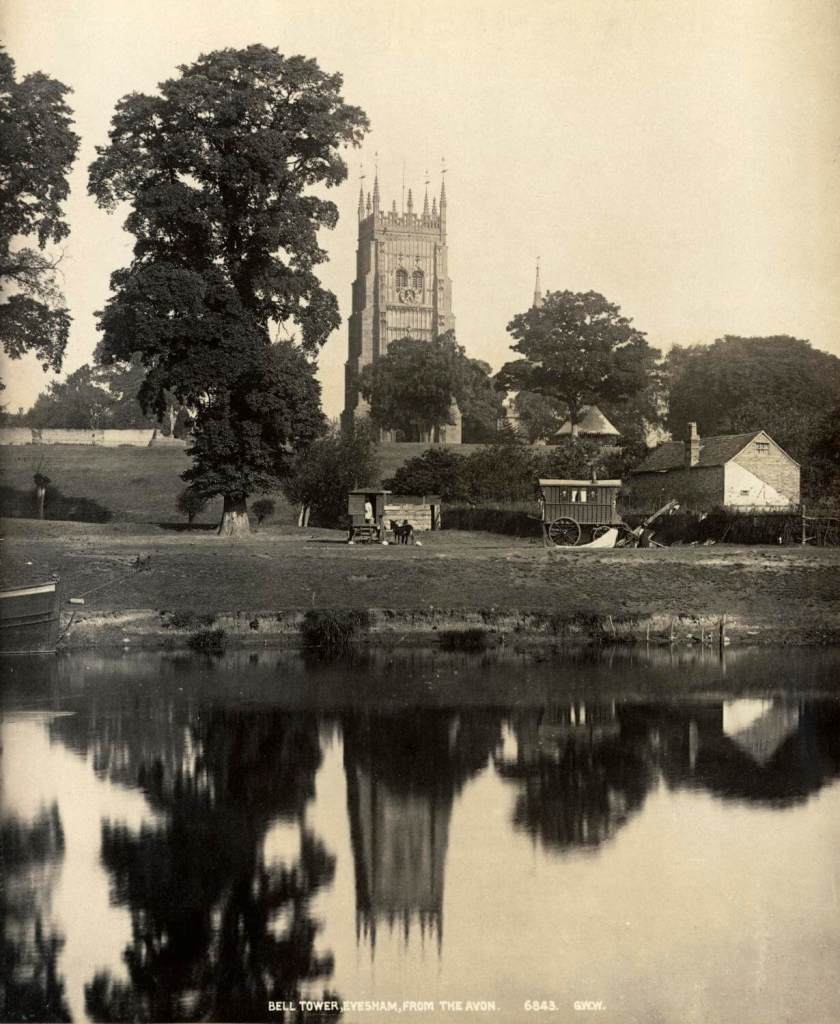
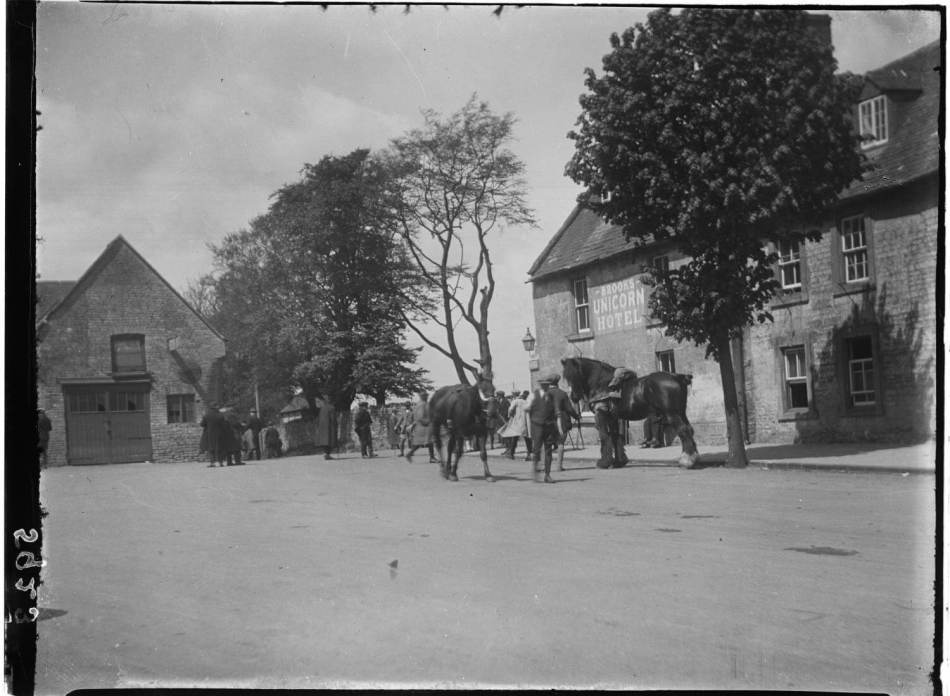
Pushed out and persecuted, Romani communities often existed on the outskirts of towns and the peripherals of society. In response, they created economic opportunities for which they became known, many involving moving from place to place, including fruit and hop picking, farm work, horse trading, and the skilled craftsmanship of carving pegs and weaving baskets.
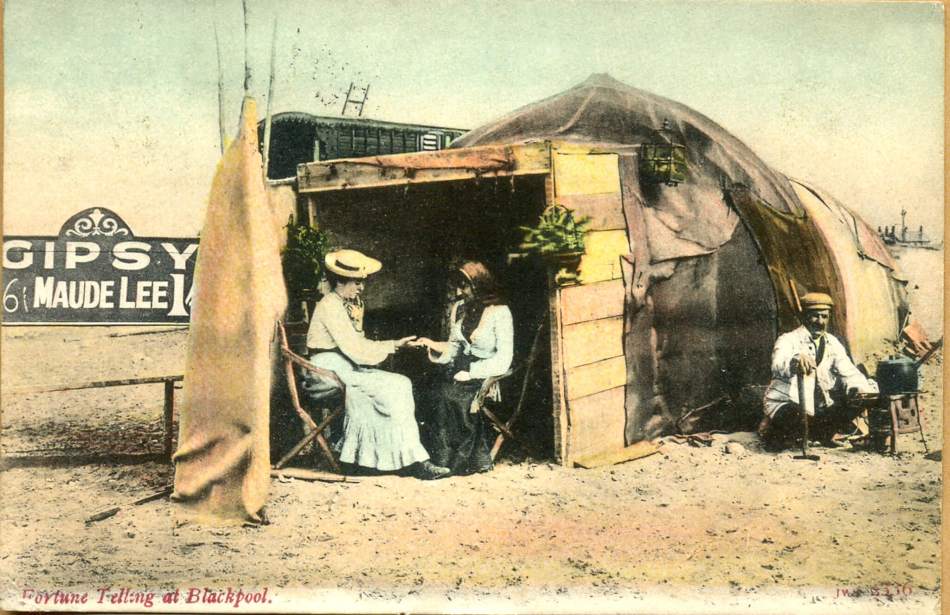
Romani Gypsies also created practices viewed by those outside the community as mysterious and fascinating, such as fortune telling and tarot reading. These trades and art forms created economic opportunities and allowed for a sense of autonomy and protection in countries that punished their way of life.
Prosecution of Romani Gypsies in England
The legal prosecution of Romani Gypsies in England began soon after their arrival, with the passing of the Egyptians Act in 1530. This law banned immigration and required Romani to ‘voluntarily’ leave the country within 16 days.
Only a few decades later, Queen Mary I made it a further crime to be a Romanichal Gypsy, punishable by death. The last Romani Gypsies to be hanged took place in 1658 in Bury St Edmunds, where 13 were executed, though the Act was not repealed until as late as 1856.
In the mid-17th century, Romani people in England began to be sold as slaves and deported to colonies like North America and the Caribbean.
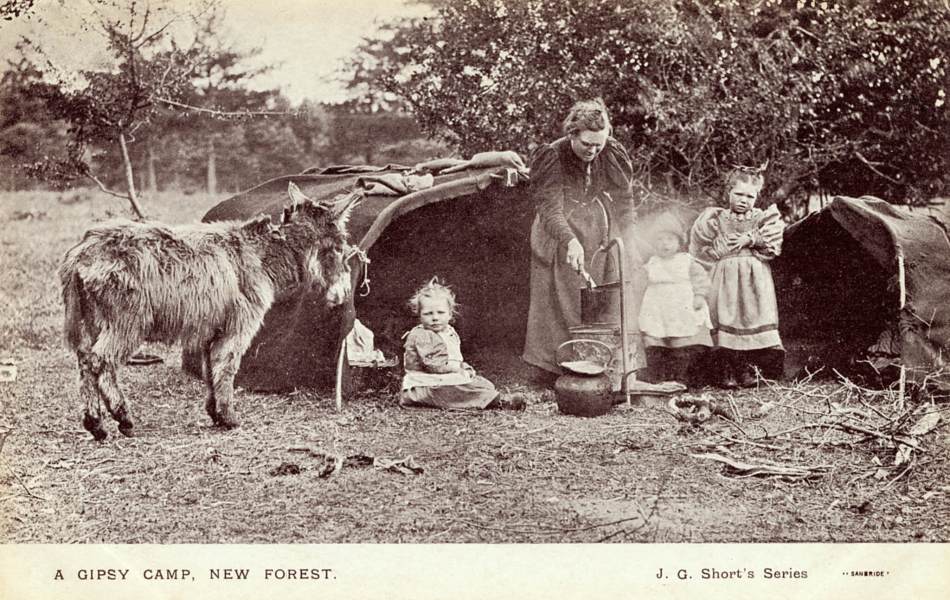
Many Romani settled in the New Forest during this time, drawn to its wild beauty, fresh springs, and wildlife. However, in 1926, the Forest Commission introduced a compound system to corral the New Forest Gypsies into official enclosures, ending a centuries-old roaming lifestyle. The largest compound housed 400 residents at a time, remnants of which can still be seen today.
Where do Romani live now?
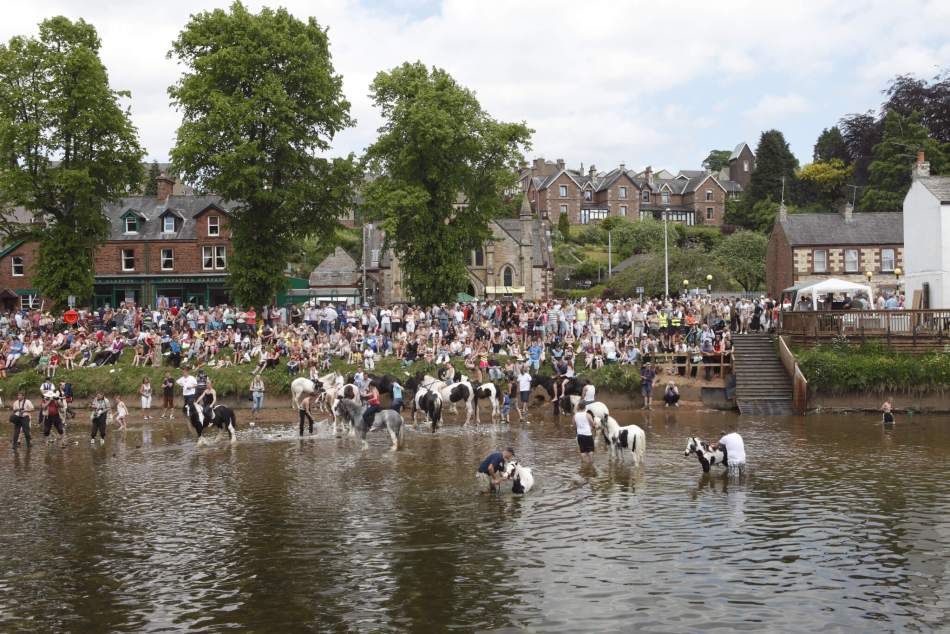
Around 200,000 Romanichal live in all corners of the United Kingdom today. Some have settled into permanent housing or caravan sites, while others still live nomadically.
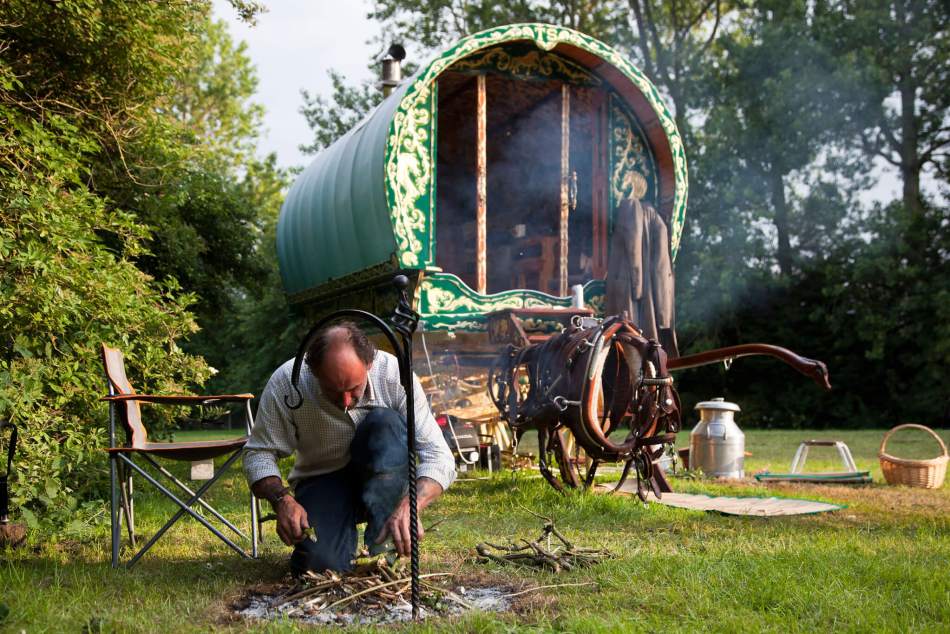
Over time, traditional nomadism has become more challenging for Romani Gypsies and Irish Travellers. Between 1986 and 1993, roughly two-thirds of traditional Traveller sites, some of which had been used for centuries, were blocked and closed.
Then, the 1994 Criminal Justice Act repealed the duty of local government to provide alternative sites and removed the grant aid funding these sites. Therefore, there is a long waiting list for GRT communities to have access to official pitches and authorised sites.
Traditions and legacy of Romani Gypsies
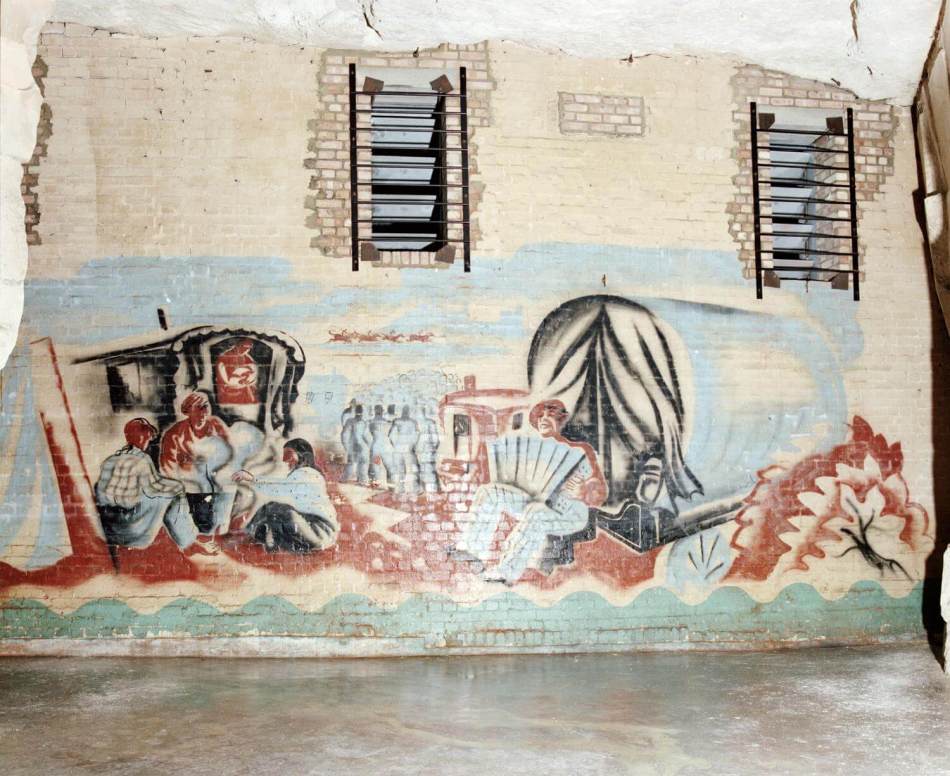
During their travels, a unique culture formed that links Romani people worldwide despite living in vastly different countries. Nomadism, language, dress, marriage, religion, food, and music are just some of the cultural traits shared by Romani communities throughout the globe.
Additionally, iconic cultural art forms such as flamenco were created by Roma people. In response to their oppression, they used their musical heritage and elements from Spanish culture to develop the dance.
The music genre Gypsy Jazz was created by Roma guitarist Django Reinhardt, who has been cited as a defining influence by musicians like Willie Nelson and Black Sabbath’s Tony Iommi.
Many Romani people have fought for their country across the First and Second World Wars, including Jack Cunningham, who was awarded the Victoria Cross during the Battle of the Somme in 1916.
In England, Charlie Chaplin, one of the country’s most iconic entertainers, had Romani heritage, and many historians and his family have investigated the possibility that he was born at a Romani camp in Black Patch Park, Smethwick.
Other well-known Romani figures include artist Tracey Emin, actor Bob Hoskins, and boxers Dick Turpin and Johnny Frankham (the latter famed for knocking Muhammad Ali to the floor in an exhibition match). There’s also James Squire (who after being shipped to Australia became a renowned beer brewer and whose son became the Premier of New South Wales), Led Zeppelin’s Robert Plant, archaeologist and author John-Henry Phillips, writer Lady Eleanor Smith, and many more across all walks of life and culture.
The longevity of Romani Gypsies in England can be seen in how many words commonly used in the English language have potential Romani origins, like ‘posh’, ‘pal’, ‘drag’, ‘kosh’, and ‘chav’.
Some rare physical Romani heritage is protected. For example, the Joules family, a group of mid-19th-century Romani Gypsies well known around the Yatton area of Somerset, are referred to in the 1922 Somerset Yearbook as ‘the celebrated Somersetshire gypsies’.
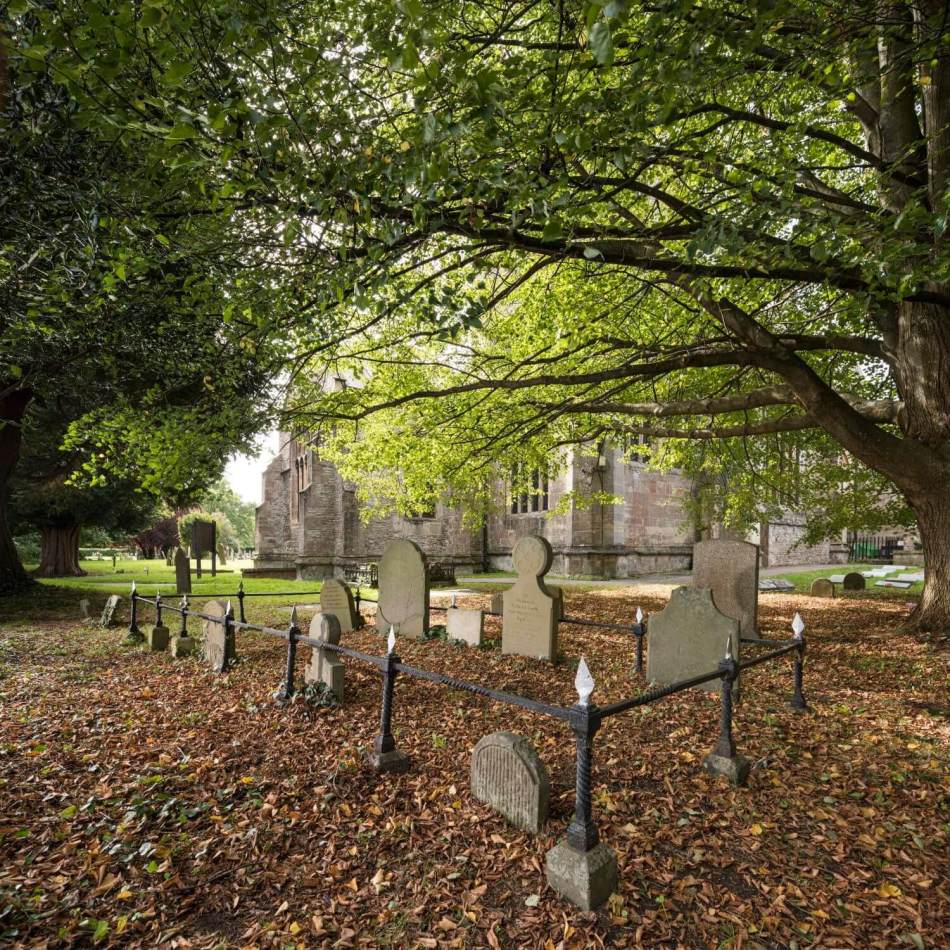
Approximately 13 members of the family are known to be buried within the churchyard of the Grade I listed Church of St Mary. The monuments themselves are now Grade II protected.
When you take the time to look, it’s clear that Romani heritage influences many aspects of daily art and culture. It’s no surprise when a community has been in a country for as long as Romani Gypsies have in England.
Further reading