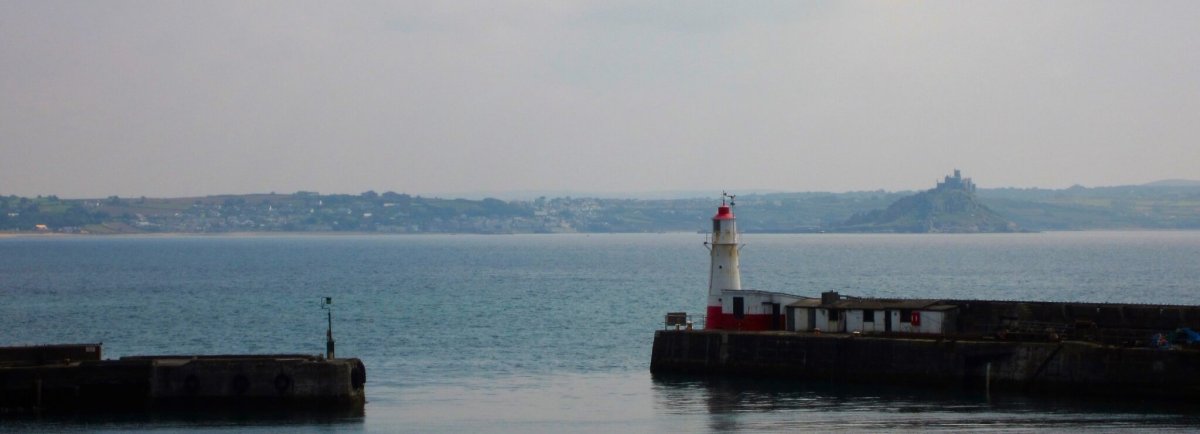
When you see the ocean, what do you see? The possibility of travel, food, and the endless blue?
How do you feel? Calm, nervous, apprehensive?
The sea has always played a significant role in the life of the inhabitants of the British Isles. We have traded on it, sailed it, surfed it, learnt from it and measured it.
Here, explore 7 uses of the sea around England’s coast and how they are linked to the historic environment.
Recreation
Surfing the seas: Bridlington Harbour, Bridlington, East Yorkshire
Ever wondered who were the first people (that we know of) to have surfed in England’s fair (chilly) waters?
If you thought it was 2 surfers from Newquay in Cornwall who tried to bring a slice of Hawaii back home, you would be mistaken.
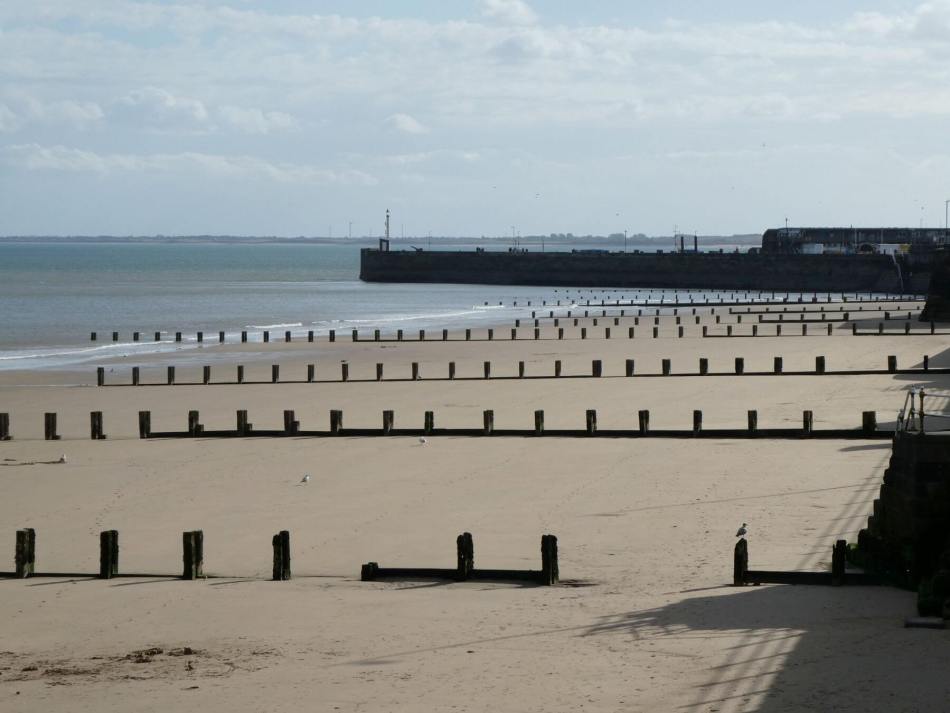
Or would you? From 1795 to 1893, when Hawaii was a sovereign state, it was customary for royalty to be sent to England for education. In 1890, Prince Jonah Kuhio Kalanianaole Piikoi and Prince David Kahalepouli were granted permission to take a break from their studies and spend a holiday in Bridlington, Yorkshire.
In a letter to the Hawaiian consul, they described enjoying the English seaside and looking forward to surfing, as the wind made the sea slightly rougher.
While we know that body surfing took place in Brighton around 1850, it was not until 1890 that Hawaiian princes began surfing in the chilly North Sea, marking the first time people surfed in England.
Stand on many harbour walls today and you’ll see surfers of all abilities riding waves. The view from Bridlington Harbour in 1890 must have been even more wonderful.
Health
Fighting fit: the former Royal Sea Bathing Hospital, Margate, Kent
Infectious diseases were the leading causes of death in 19th-century England. Diseases like smallpox and tuberculosis were commonplace.
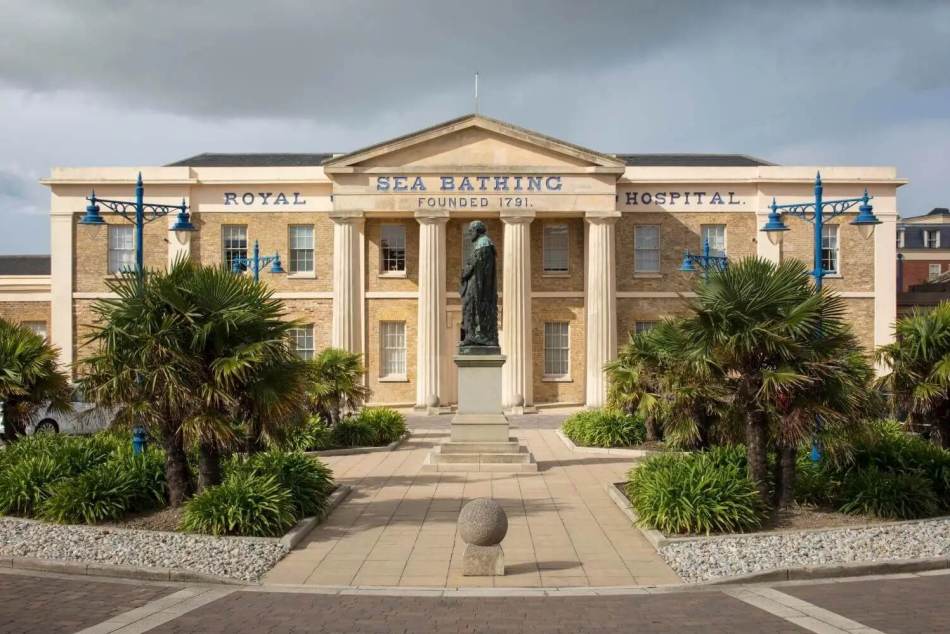
Founded in 1791, the former Royal Sea Bathing Hospital in Margate, Kent, was a pioneering hospital in its use of open-air treatment. The hospital was originally only open in the summer to let patients bathe in the sea with the use of a bathing machine.
We are still discovering the sea’s benefits for our wellbeing to this day. In June 2023, the European Centre for Environment and Human Health, in collaboration with universities in Spain, England, and Wales, published a paper exploring the benefits of blue spaces to human health.
What we knew in 1791 and what we know today may differ, but what has not changed is the healing properties of the sea.
Science
Calculating the tides: Newlyn Tidal Observatory, Penzance, Cornwall
A small, 2-tone building next to a lighthouse is easy to miss. If spotted, it could be mistaken for a shed or a storage facility. Few would guess the global significance of this small concrete building.
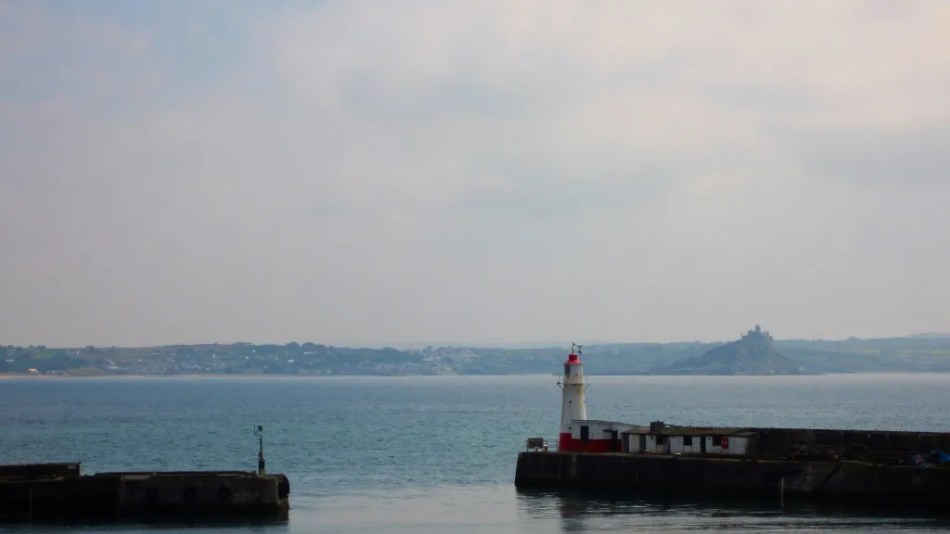
But some, hearing Newlyn mentioned, would think of the tidal observatory. The Ordnance Survey requested that the observatory be built to establish the mean sea level.
With the observatory completed in 1914, hourly measurements of the tide height were taken between 1915 and 1921, determining that Newlyn was the most stable and, therefore, the principal place to establish the mean sea level for the entire country.
Over the next 100 years, the observatory contributed key tidal data to studies in oceanography, geology and climate change.
When the building was first built, the users likely had no idea just how much more vital their work would become more than a century later.
Travel
Bringing the weather to the airwaves: Ampton Hall, Ampton, Suffolk
‘Lundy, Fastnet, Irish Sea. South Westerly 4 or 5, increasing 6 at times…’
For just over 100 years, the shipping forecast has forewarned and eased the minds of seafarers.
Admiral Robert FitzRoy, born in 1805 at Ampton Hall in Suffolk, was a hydrographer and meteorologist who was in command of HMS Beagle, with naturalist and geologist Charles Darwin aboard as a passenger.
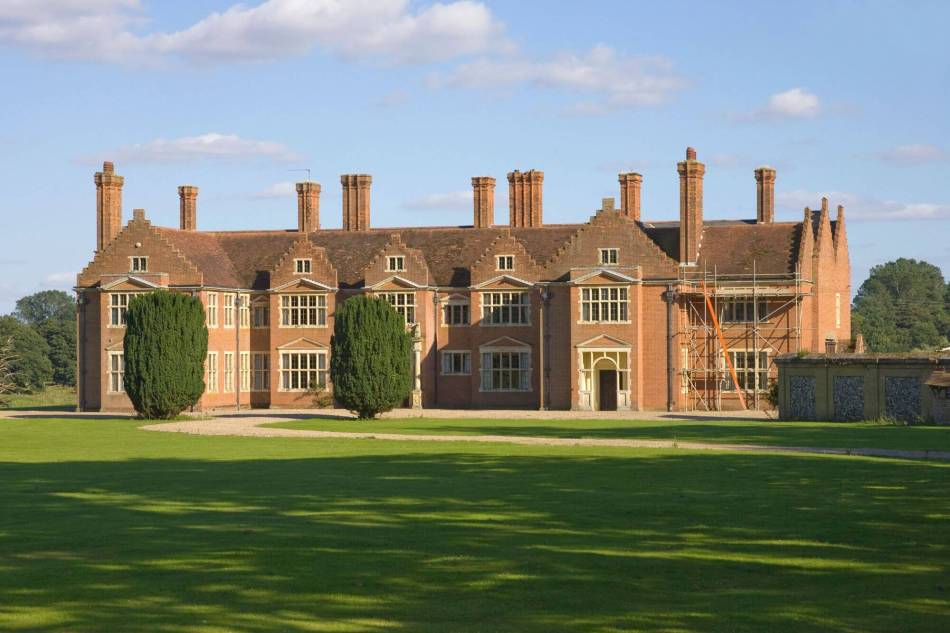
After the loss of the Royal Charter ship in 1859, Robert FitzRoy introduced a telegraphic warning service for shipping in 1861. The telegraphs warned observation stations across Britain.
A bulletin called ‘Weather Shipping’ started on 1 January 1924 and moved to long-wave radio in 1925. Fitzroy’s work has benefited countless naval ships, merchant vessels, fishing boats, and recreational sailors.
In 2002, in recognition of FitzRoy’s work, the sea area called Finisterre was renamed FitzRoy.
Warfare
Maritime supplies: The Ropery, Chatham Dockyard, Kent
The Royal Navy played a vital role in establishing and defending the British Empire.
In 1799, 120,000 were employed by the Navy. Admittedly, not all who entered the organisation did so willingly.
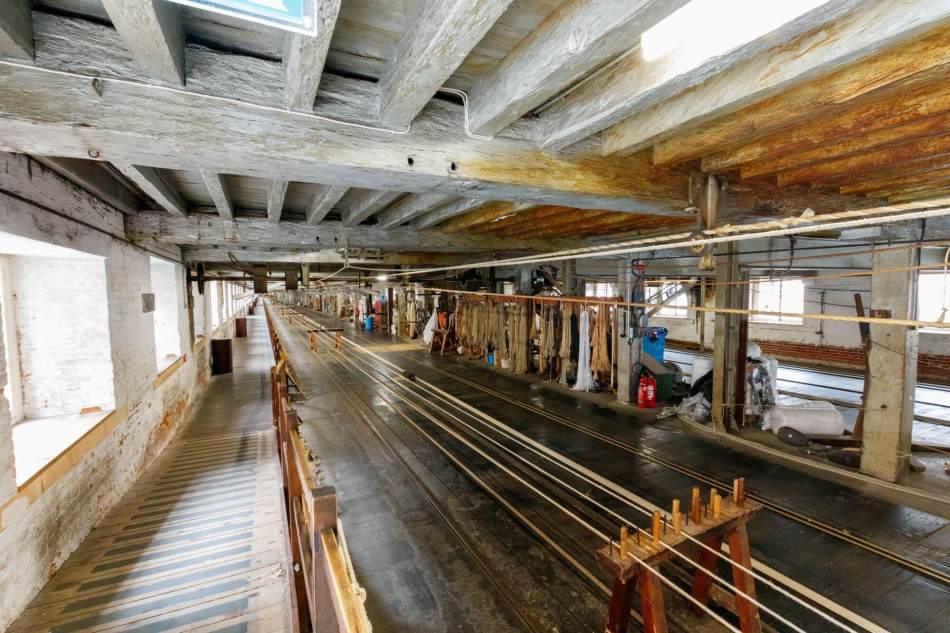
One element of nautical equipment that is often overlooked, yet was a vital naval supply, was the sail rope. 20 miles of rope were used for the rigging alone on a first-rate ship.
The Ropery in Chatham Dockyard, Kent, has been producing rope since 1618, and remarkably, it continues to do so today, making it one of only 4 original Royal Navy ropeyards that remain in operation.
These days, the dockyard supplies rope to film companies, theatres, zoos and more.
Sustenance
Something’s fishy: Huer’s House, Newquay, Cornwall
Fish and chips are considered a classic British dish. But before we started frying it in batter and wrapping it in newspaper, humans had been eating fish for thousands of years.
With technological advancements, fishing trawlers replaced a simple line and hook. Sonar and GPS replaced lookouts, the physical vantage points used to spot fishing opportunities, such as shoals of pilchards.
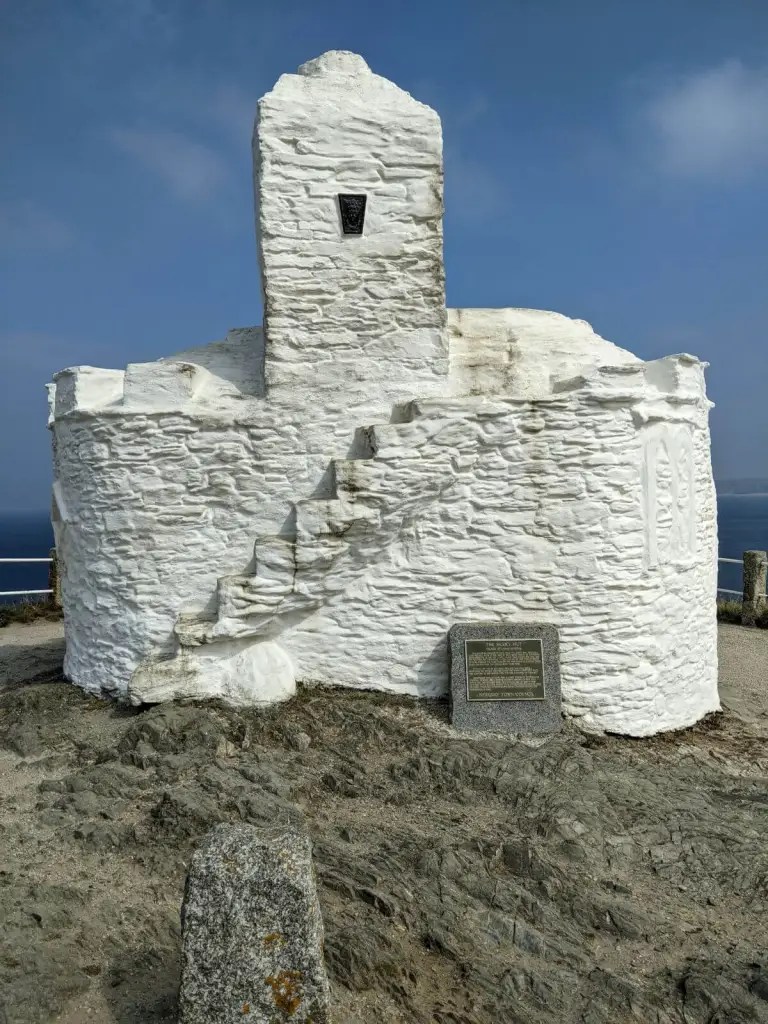
If we look around England’s coast, we can still see lookouts and other physical examples of traditional fishing methods, such as Huer’s House in Newquay, Cornwall.
Arts and culture
Inspiring art: Former Mariners’ Church, St Ives, Cornwall
For centuries, the sea has inspired artists, be it warships in battle or a sunrise in Margate. In an essay from 2020 entitled ‘Tidalectic Curating’, art curator Stefanie Hessler noted that many exhibitions had returned to an aquatic theme.
In the 1940s and 1950s, a small fishing village in St Ives, Cornwall became the hub for Britain’s leading modern artists.
A group was formed in the crypt of the deconsecrated Mariners’ Church, which would be used to host various exhibitions.
The Crypt Group were a collection of artists from the St Ives Society of Artists. These artists employed a modern, abstract style. This differed from the traditional approach used by the other members. It was new, revolutionary and distinctive, yet found a home in a Gothic-style church built in 1903.
The church is still an exhibition space for artists with events running throughout the summer.
Share your seaside story
Add your story of a listed seaside place to the Missing Pieces Project and help us capture the magic of our historic coastal landmarks.
Discover your historic local heritage
Hidden local histories are all around us. Find a place near you on the Local Heritage Hub.
Further reading