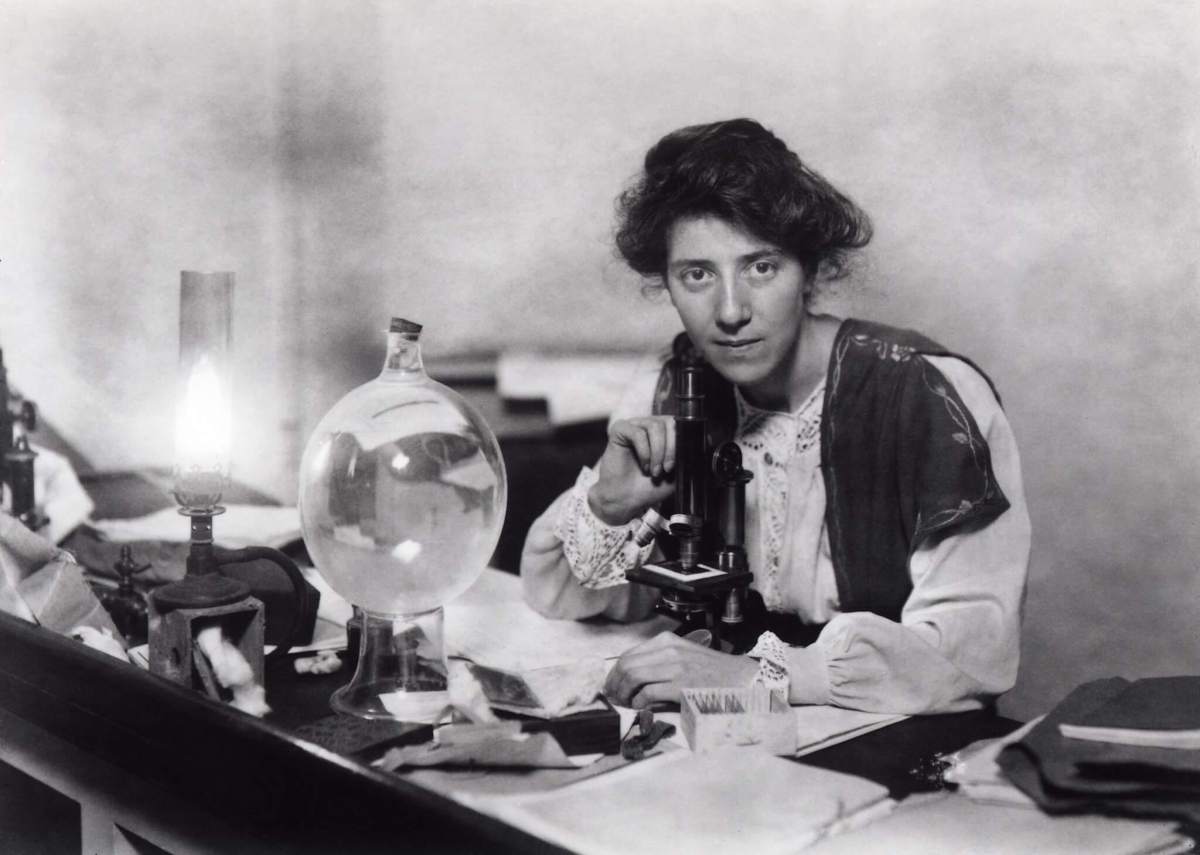
Scientific discoveries and advancements have always shaped history, but many important contributions are still to be equally recognised.
While people often talk about Sir Isaac Newton and Edward Jenner, the amazing work of many women in science over the centuries is less well-known.
Here, we shine a light on their stories: women who made giant leaps in medicine, improved our understanding of nature, and played surprising roles during the Second World War.
Their lasting impact lives on in the heritage around us, from historic buildings to blue plaques.
Margaret Cavendish (1623 to 1673), The Abbeygate, Colchester, Essex
Margaret Cavendish was a famous 17th-century writer and aristocrat. She was married to William Cavendish, Marquess of Newcastle.
Despite her aristocratic position, she still faced many challenges throughout her life. After spending years in exile in Paris during the English Civil War (1642 to 1651), she began writing and published her first book, ‘Poems and Fancies’, in 1653.
She shared her ideas about atoms and the natural world. Many people noticed her work because of her link to the Cavendish family, one of British history’s most prominent noble families.
In 1666, she published ‘Observations on Experimental Philosophy’ and ‘The Blazing World’, which aimed to introduce science and philosophy to women through her writing.
Though mainly a writer, Cavendish influenced the field of science. In 1667, she was the first woman to attend a Royal Society event, where the country’s top scientific minds met regularly.
The Essex Women’s Commemoration Project honoured her with a blue plaque at her birthplace, The Abbeygate in Colchester, in 2021.
Mary Anning (1799 to 1847), St Michael’s Church, Lyme Regis, Dorset
Mary Anning collected, dealt, and studied fossils, gaining worldwide fame for discovering specimens from the Jurassic period in the 19th century.
She was born in the seaside town of Lyme Regis in 1799.
When she was 12, Anning and her brother, Joseph, discovered the first fossilised Ichthyosaur (a large marine reptile).
Her reputation grew in the 1820s and 1830s as people recognised her work along what is now known as the Jurassic Coast in Dorset.
What did Mary Anning discover?
Anning discovered many important fossils during her career, including a complete skeleton of a Plesiosaurus (a large marine reptile) in 1823.
5 years later, Anning found the first remains attributed to a Dimorphodon (a medium-sized pterosaur). She was also a pioneer of studying coprolites (fossilised faeces of animals).
Her discoveries challenged existing scientific views of Earth’s history and helped shape the early development of geology and palaeontology as disciplines.
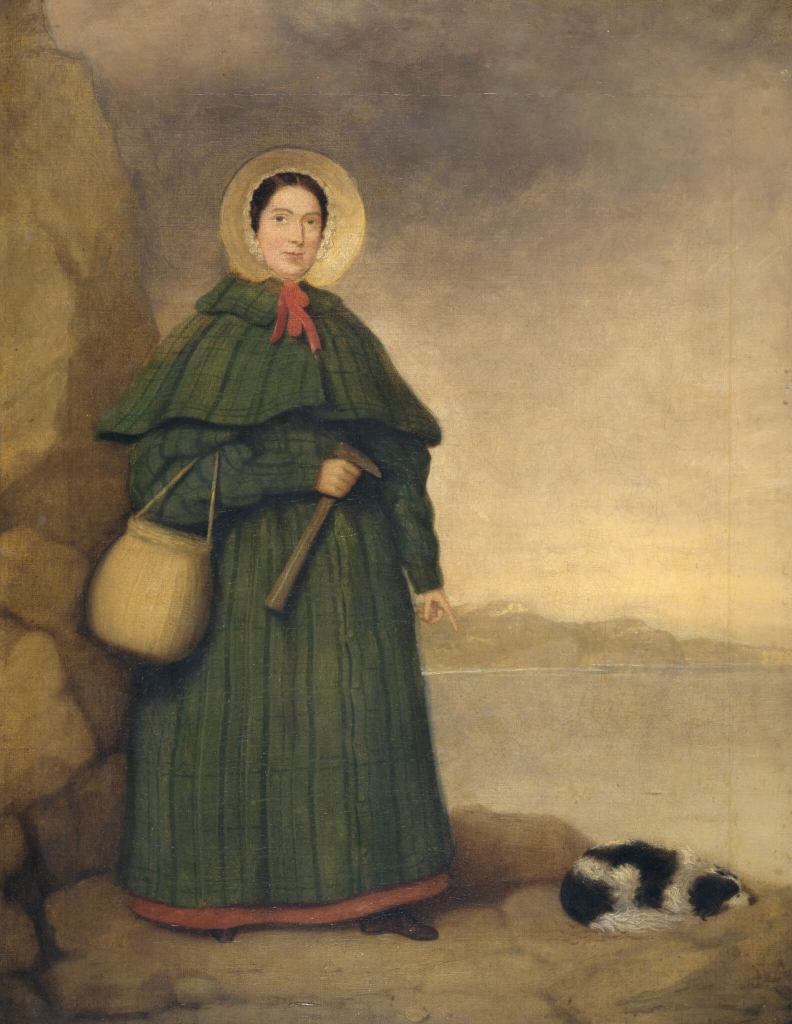
Anning sold many of her finds put on displays across the country, which people flocked to. Lyme Regis became a popular tourist spot in the 19th century thanks to her discoveries; people still marvel at them today.
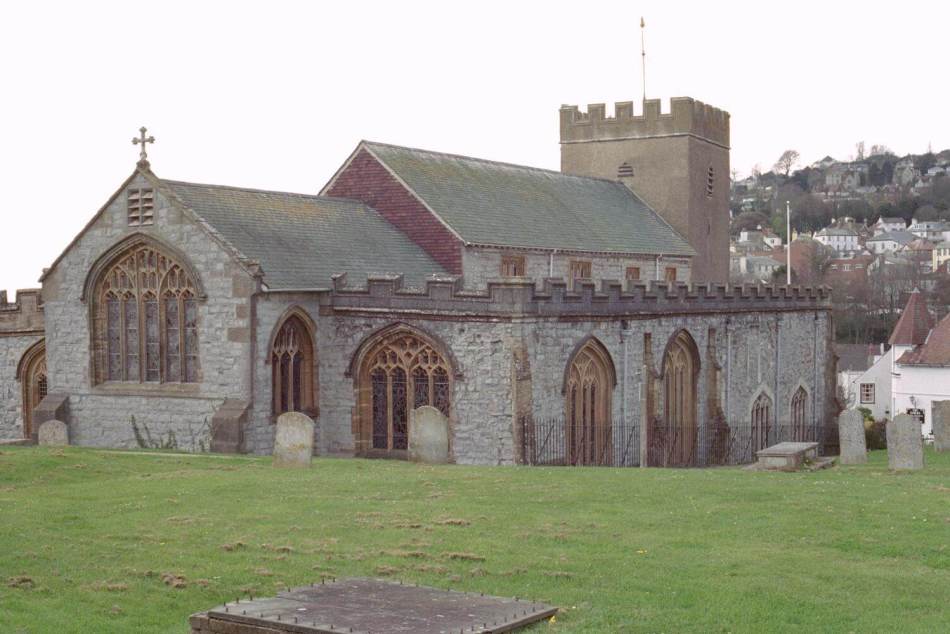
She died in 1847 and was buried in the churchyard at St Michael’s Church in Lyme Regis. In 1850, the church installed a window to commemorate her remarkable contribution to palaeontology.
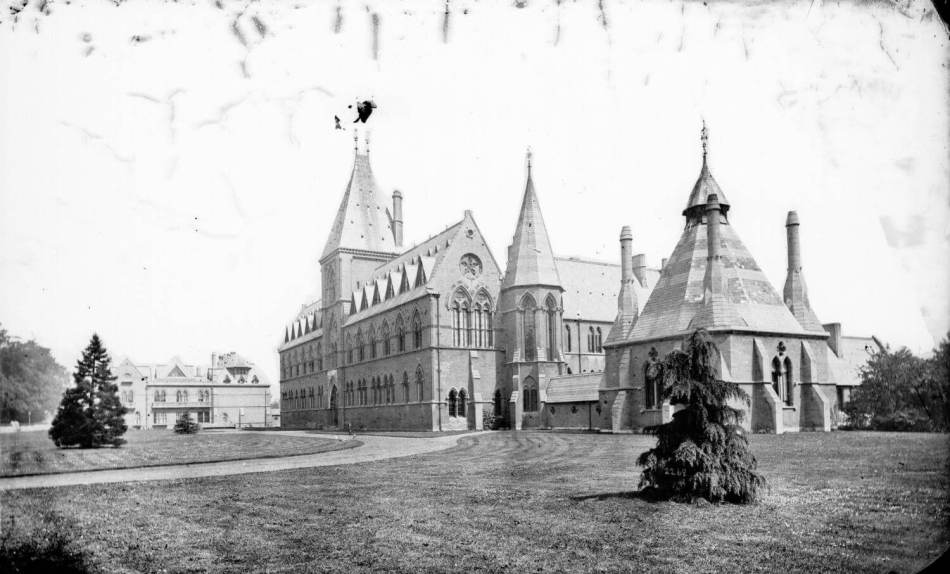
Dorothy Hodgkin (1910 to 1994), University of Oxford’s Inorganic Chemistry Laboratory, Oxford, Oxfordshire
As a young girl, Dorothy Hodgkin developed a passion for crystals and chemistry, even creating a laboratory in the attic of her home in Norfolk.
In 1928, Hodgkin entered Somerville College in Oxford to study chemistry. She graduated with first-class honours and became a research student at the crystallography laboratory in Cambridge.
Afterwards, she returned to Somerville and set up an X-ray facility. She was appointed as the college’s first fellow and tutor in chemistry in 1936.
What did Dorothy Hodgkin discover?
Hodgkin made significant contributions to science by investigating the structure of penicillin and solving the structure of vitamin B12.
In 1964, she received the Nobel Prize for Chemistry, at the time becoming only the fifth woman to win any scientific Nobel Prize.
In 2014, the Royal Society of Chemistry installed a commemorative plaque at the University of Oxford’s Inorganic Chemistry Laboratory to honour Hodgkin. The building was listed at Grade I in 1954.
Mary Somerville (1780 to 1872), Royal Astronomical Society, Burlington House, Piccadilly, London
As a child, Mary Somerville secretly studied mathematics when growing up in Scotland, even though her father forbade it.
After marrying her first husband, Samuel Greig, in 1804, she continued her studies despite his negative opinions of learned women. Following his death in 1807, Somerville dedicated herself to intellectual pursuits, and she married William Somerville in 1812, who encouraged her studies.
What did Mary Somerville contribute to maths?
Somerville helped advance modern mathematics, mainly through her work on complex problems in celestial mechanics and physical sciences problems.
One of Somerville’s biggest accomplishments was translating Pierre-Simon Laplace’s volumes on maths and astronomy, ‘Traité de mécanique céleste’. Under the title of ‘The Mechanism of the Heavens’, Somerville’s translation was published in 1831, and she expanded on the mathematical theory behind the workings of the solar system.
This publication immediately hailed Somerville as an important scientific figure.
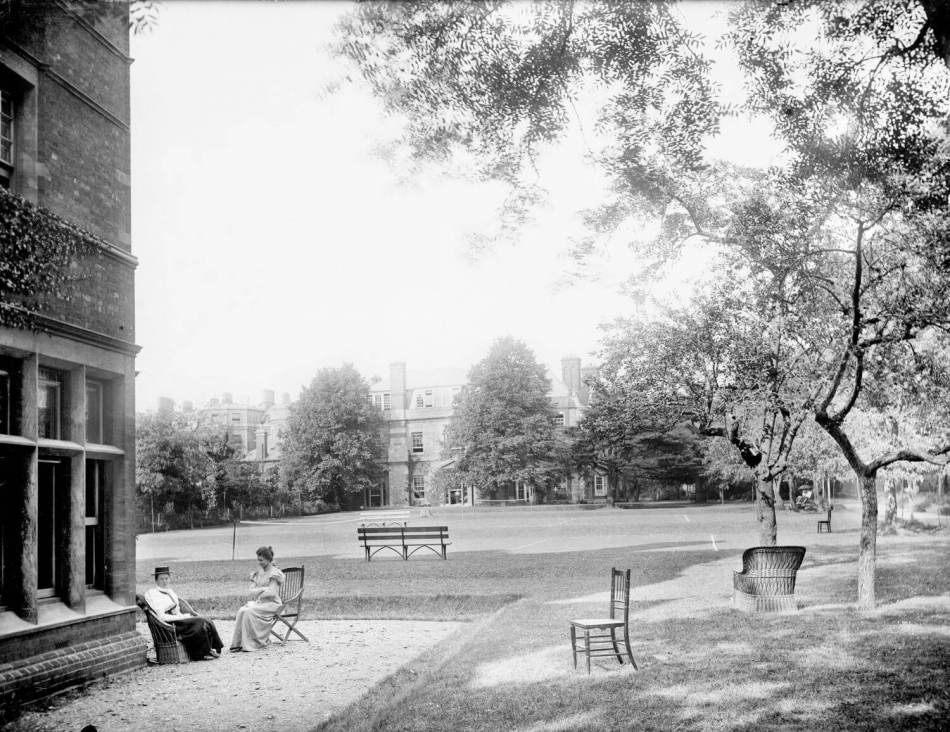
Her educational books helped popularise science and maths, inspiring future generations. Her second book, ‘On the Connection of the Physical Sciences’ (1834), had 9 editions and sold over 15,000 copies, a remarkable feat at the time.
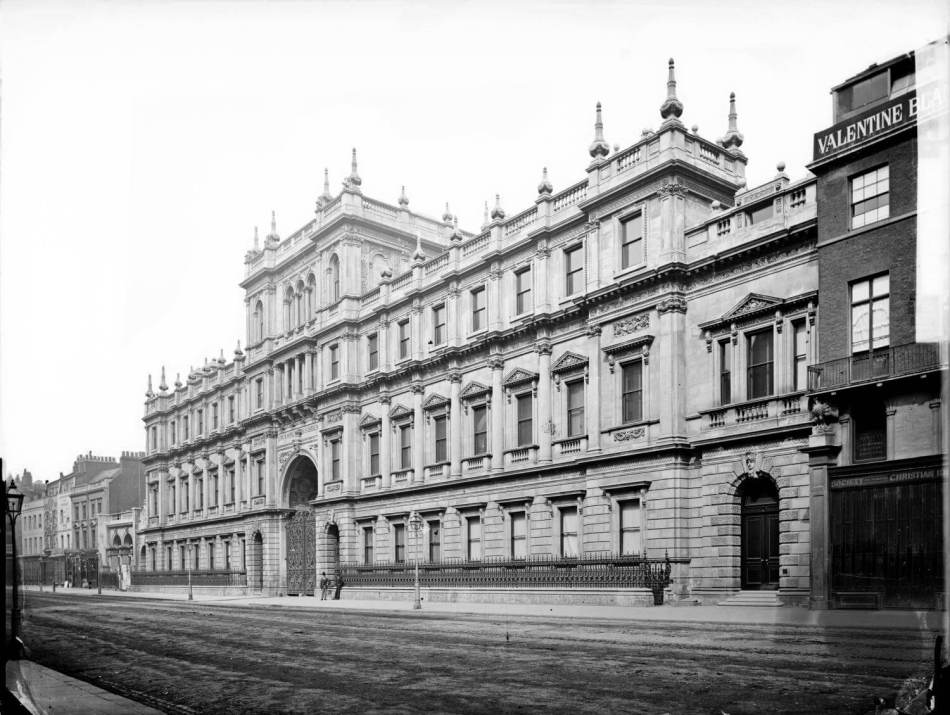
Somerville and astronomer Caroline Herschel became the first women nominated as members of the Royal Astronomical Society in 1835. The Society, founded in 1820, moved to Burlington House in London in 1874.
Somerville’s accolades didn’t end there. In 1869, the Royal Geographical Society awarded her the Patron’s Gold Medal, and Somerville College, Oxford, was named in her honour.
When she died in 1872, ‘The London Post’ hailed her as “The queen of 19th century science.”
Elizabeth Garrett Anderson (1836 to 1917), Elizabeth Garrett Anderson Hospital, Camden, London
Physician Elizabeth Garrett Anderson was the sister of suffrage leader Millicent Garrett Fawcett and the mother of Dr Louisa Garrett Anderson, a fellow medical pioneer and suffragette.
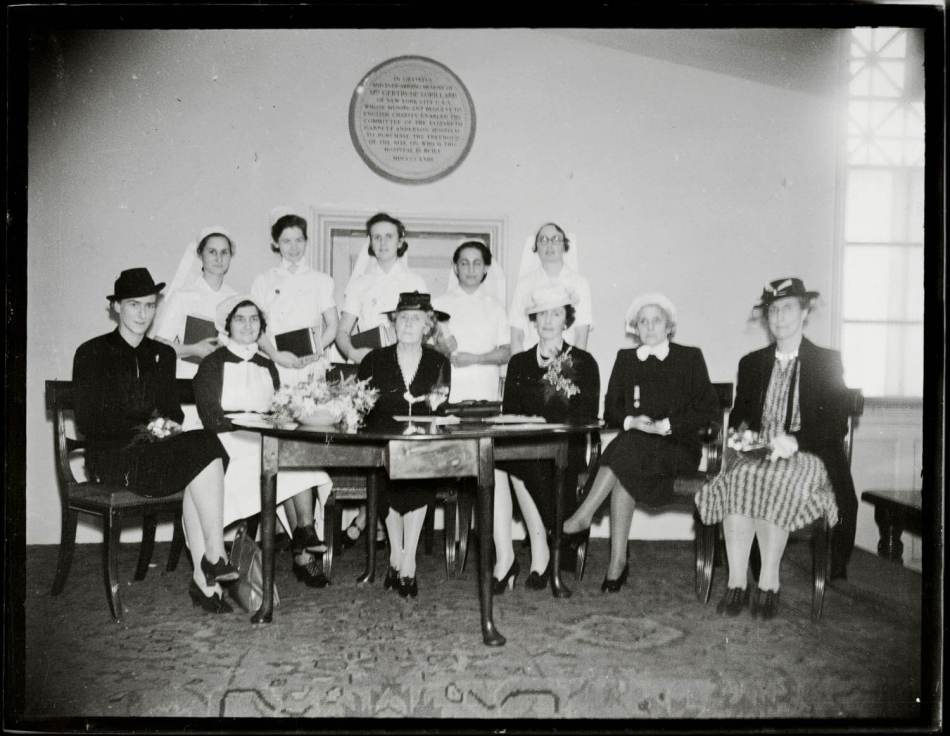
Inspired by Dr Elizabeth Blackwell, the only woman on the General Medical Council’s register in 1859, Anderson took up the cause of promoting women in the medical profession throughout her career.
When did Elizabeth Garrett Anderson qualify as a doctor?
Despite prejudice at the time, Anderson received a licence from the Society of Apothecaries in 1865, becoming the first woman in Britain to enter the medical register and the first woman to earn an MD degree from the University of Paris in 1870.
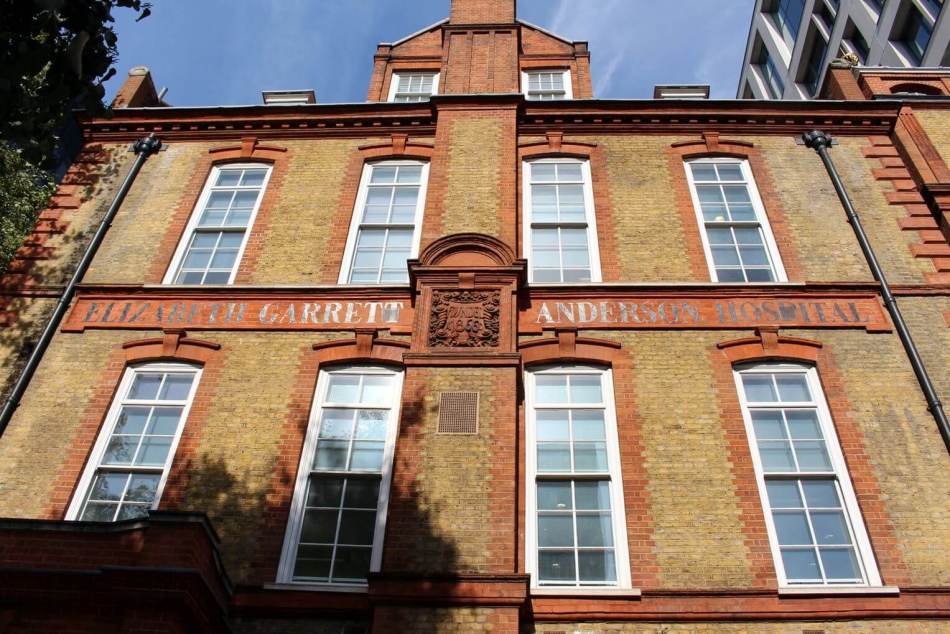
In 1872, she founded the New Hospital for Women and Children in London, which was staffed entirely by women and later renamed the Elizabeth Garrett Anderson Hospital. The hospital was listed at Grade II in 2003.
Anderson was given membership of the British Medical Association in 1873 and elected as the East Anglian branch president in 1897.
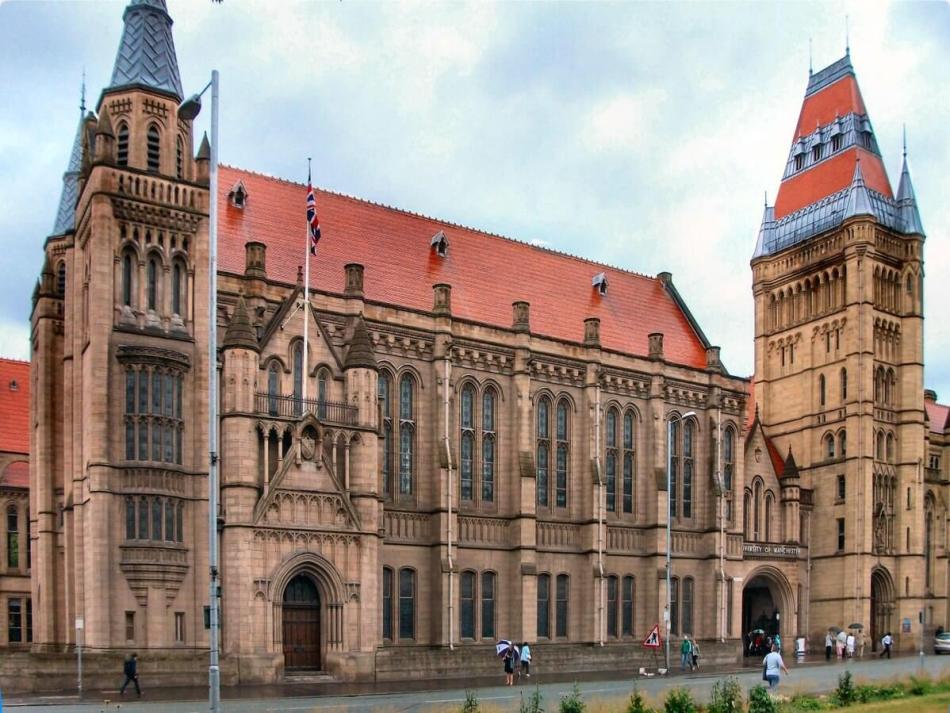
Marie Stopes (1880 to 1958), University of Manchester, Manchester, Greater Manchester
Marie Stopes’ mother actively promoted women’s education. As a result, Marie excelled in her studies, earning a science degree from University College London and becoming the first woman to gain a PhD in botany from the Botanical Institute in Munich, Germany, in 1904.
Stopes’ life was full of groundbreaking firsts.
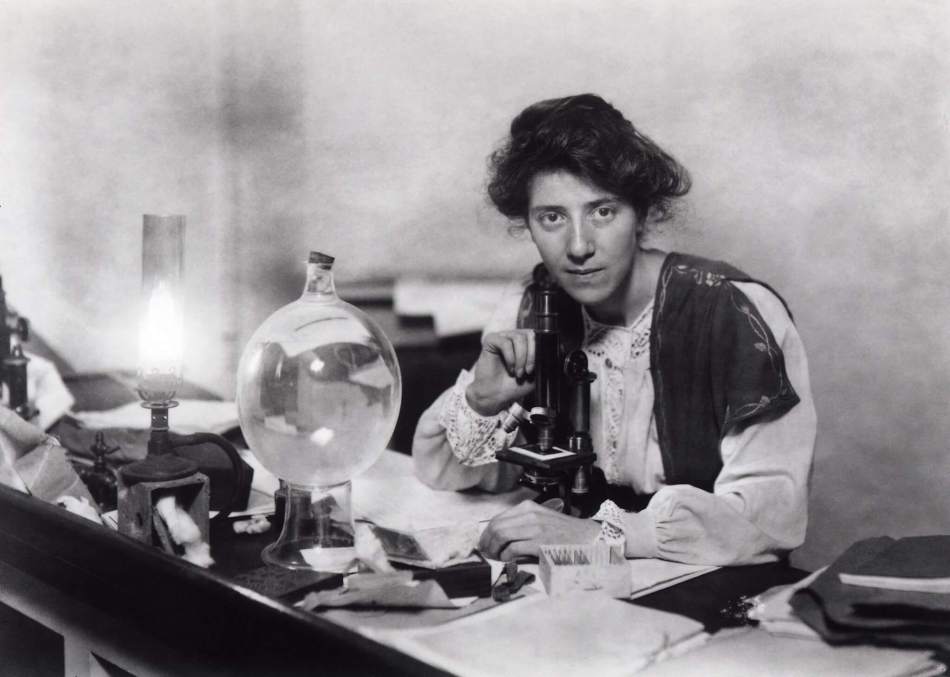
The same year she gained her PhD, she became the first female assistant lecturer in botany at the University of Manchester. In 1905, she became the youngest person in Britain to earn a Doctor of Science degree.
Stopes joined the Women’s Freedom League in 1907, which campaigned for women’s suffrage.
She started writing on marriage and birth control and published ‘Married Love’ in 1918, followed by ‘Wise Parenthood: A Treatise on Birth Control or Contraception’.
In 1921, she and her second husband, Humphrey Verdon Roe, established the first birth control clinic in London.
During this time, talking about contraception and seeking treatment or advice on the subject was largely taboo. Stopes’ clinic sought to change that, providing married women with information on reproductive health and birth control.
The University of Manchester, where Stopes studied, was listed at Grade II in 1963. The university is also home to one of England’s most magnificent libraries.
Joan Clarke (1917 to 1996), Bletchley Park, Milton Keynes, Buckinghamshire
Joan Clarke is one of the most essential English mathematicians in history.
As a gifted student at Dulwich High School for Girls in London, Clarke won numerous academic prizes, including the Elsie Clarke prize for maths in 1934.
She went on to study mathematics at Cambridge and became one of the first women to receive a degree from the institution when the rules changed in 1948.
Before 1948, women were permitted to study at Cambridge University but weren’t given degrees like men.
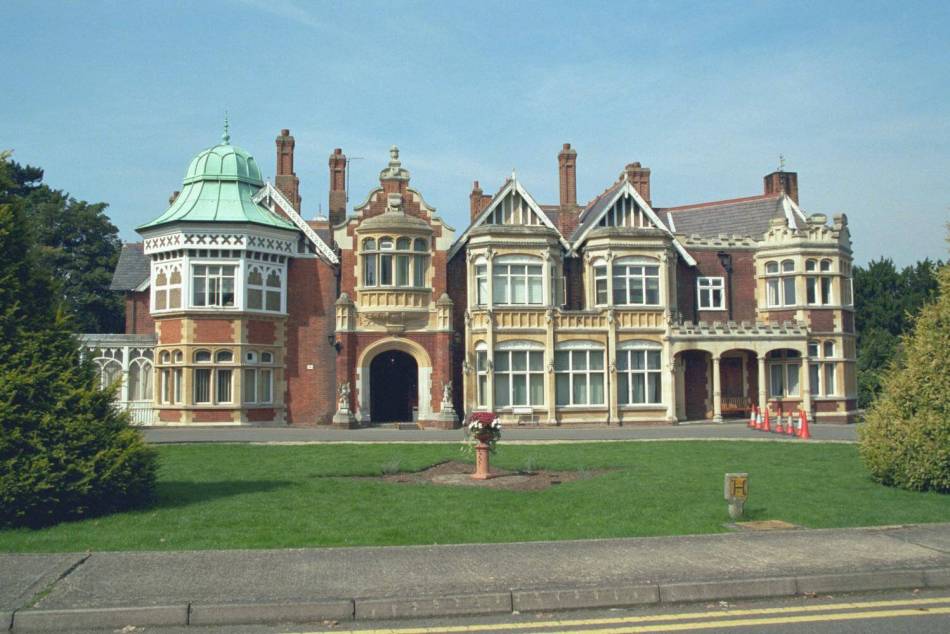
What job did Joan Clarke perform at Bletchley Park, and why was it surprising?
Clarke worked as a codebreaker at Bletchley Park during the Second World War. Her role was surprising because, at the time, it was rare to recruit women for such high-level intelligence work.
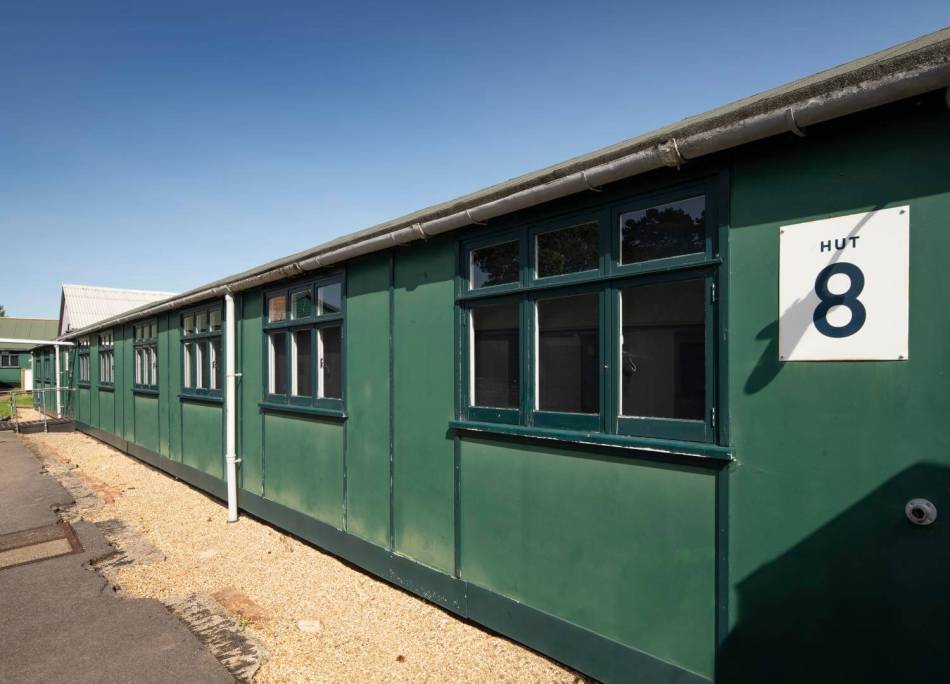
Clarke, Alan Turing and their team successfully deciphered German naval codes, mainly through their groundbreaking work on decoding the Enigma machines.
Working in Hut 8, which focused on naval cryptography, they developed the ‘bombe’, an electromechanical device that significantly sped up the decryption process.
They played a crucial role in saving countless sailors during the war.
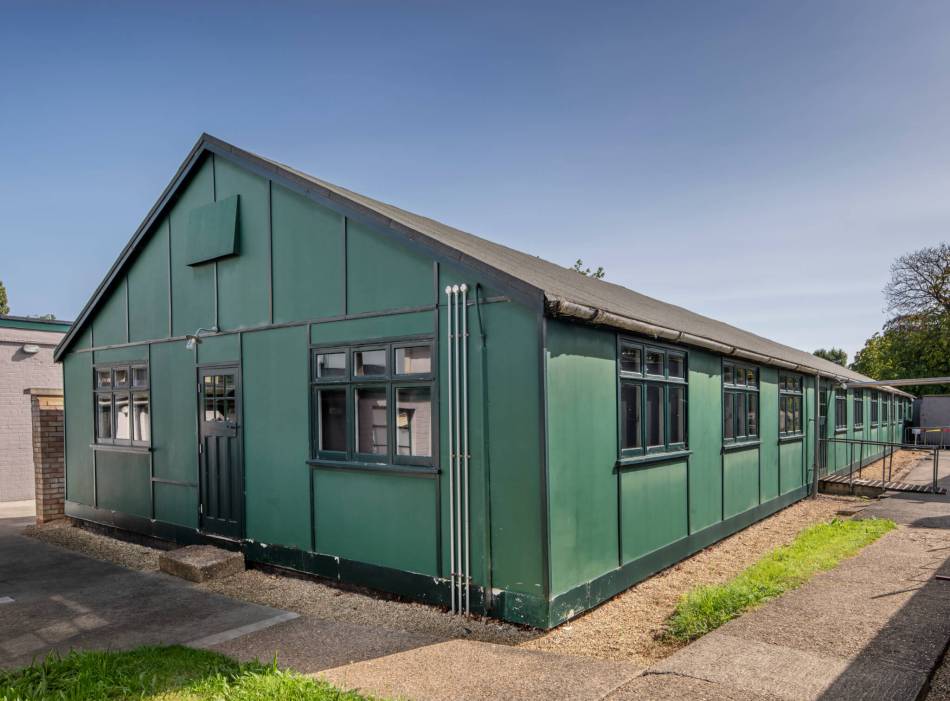
In January 1946, the British government awarded Clarke an MBE for her codebreaking services. In 2024, English Heritage honoured her with a blue plaque at her childhood home on Rosendale Road in West Dulwich, London.
Beatrice Shilling (1909 to 1990), Waterlooville Library, Waterlooville, Hampshire
Beatrice ‘Tilly’ Shilling made significant contributions to science through her work in engineering.
Shilling loved engines from an early age, and she soon turned her passion into a career by studying electrical engineering at the University of Manchester.
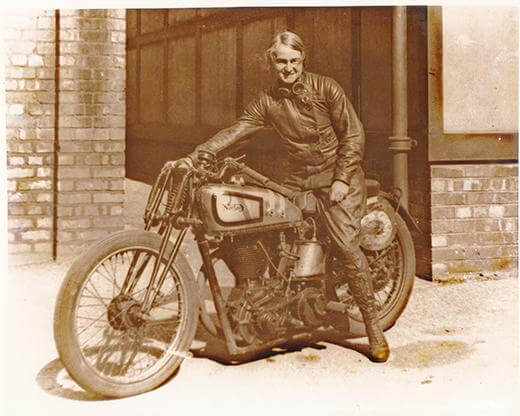
In 1936, the Royal Aircraft Establishment (RAE) noticed her talent, and she solved a critical problem with Second World War fighter planes, including Hurricanes and Spitfires.
With a minor adjustment, Shilling stopped the Spitfire engine from conking out in negative g-force, making the planes much safer to fly and manoeuvre.
Her groundbreaking work earned her an OBE in 1949, and she continued working at RAE until her retirement in 1969.
In the town where she was born, Waterlooville Library honoured Shilling with a blue plaque in 2019, commemorating her important contribution to engineering. Several educational institutions have recognised her achievements, including Royal Holloway, University of London, which named its electronic engineering department after her in 2018.
Discover your historic local heritage
Hidden local histories are all around us. Find a place near you on the Local Heritage Hub.
Further reading