Skip to content

JHI Blog

Menu
  • Home
  • OLd Hist
  • Privacy Policy
  • Contact Us
Menu
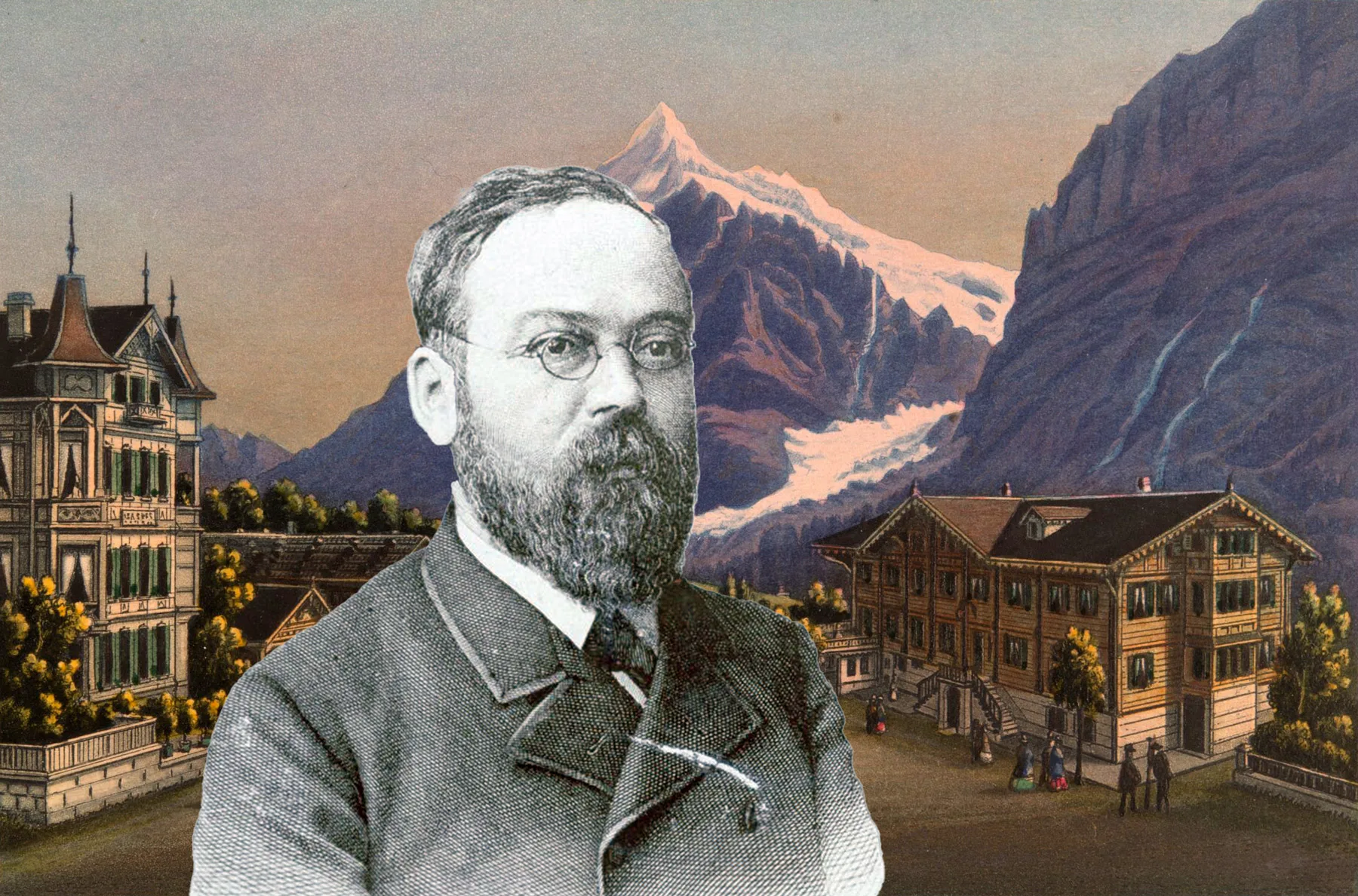
Gottfried Strasser served as Grindelwald’s pastor for more than 30 years and left a marked impression on the village.

The ‘glacier pastor’ – Swiss National Museum

Posted on December 22, 2025December 22, 2025 by Admin
Gottfried Strasser was born on 12 March 1854 in Lauenen near Gstaad. His father Johannes, a clergyman, was married to Emilie Katharina Ludwig, whose father Emanuel had been a pastor at Bern Minster. The family moved to Langnau in the Emmental region in 1855. Gottfried grew up there, in a lively household of two sisters and five brothers, during an era of great change. At the age of ten he witnessed the opening of the railway line between Bern and Langnau, when horse-drawn coaches gave way to the ‘iron horse’. And the billeting in the town of around 500 soldiers from Bourbaki’s army in 1871 left a lasting impression on the young lad.

Strasser’s penchant for poetry began to shine through at an early age. He penned sundry, mainly humorous texts in the pages of his friendship book while still at secondary school. He then went on to study theology in Bern from 1873, making additional study trips to Germany. He was put forward for the position of pastor in Grindelwald without actually applying and unanimously chosen by the congregation on 23 February 1879.

The colossal glaciers close by had earned this parish in the Bernese Oberland the nickname of ‘glacier village’. Strasser quickly settled in and soon came to be known far and wide as the ‘glacier pastor’. Himself a keen mountaineer, he made the most of the surrounding Alpine landscape to venture forth on a number of hiking tours, often accompanied by local mountain guides. His passion for the mountains led him to join the board of the Swiss Alpine Club (SAC), where he would later become secretary of the Grindelwald section and chair of the examination committee for mountain guide courses. It was at an official SAC event that he first met Elise Anna Rüegg from the Zurich Oberland area. The couple would marry in 1881 and have eight children together: four girls and four boys.

Category: OLd Hist

Leave a Reply Cancel reply

Your email address will not be published. Required fields are marked *

Recent Posts

  • The Plantation Roots of Economic Modernity – JHI Blog
  • Temperance Buildings in England
  • Women, Race, and Orientalism in the Conquest of Algiers – JHI Blog
  • The First Five-Year Plan, Stalinism, and the Fate of Marxist Political Economy in the USSR – JHI Blog
  • Best of 2025 – JHI Blog

Recent Comments

No comments to show.

Archives

  • January 2026
  • December 2025

Categories

  • OLd Hist
© 2026 JHI Blog | Powered by Minimalist Blog WordPress Theme