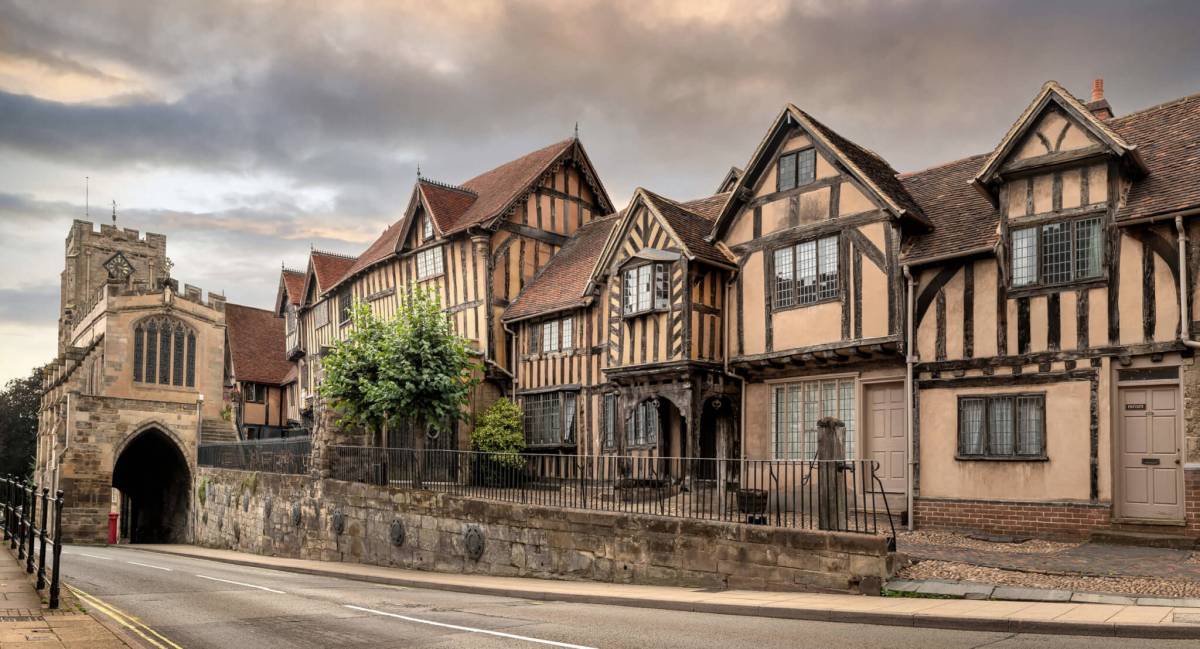
Queen Elizabeth I was an unlikely queen. Although she was the daughter of Henry VIII and born a Tudor princess, she was declared illegitimate at just 2 years old following the execution of her mother, Anne Boleyn.
Following the birth of Henry’s son, the future Edward VI, in 1537, Henry now had the male heir he so longed for. Elizabeth was no longer in the line of succession, so her chances of ever becoming Queen of England were doubtful.
Following the reigns of her brother Edward VI, her cousin Lady Jane Grey, and her sister Mary I, Elizabeth took to the throne in 1558, aged 25. She inherited a country that faced complex religious and economic issues and difficult relations with foreign powers.
The only Queen of England to never marry, Elizabeth I dedicated her life’s service to her country and reigned for 45 years as the last and longest reigning Tudor monarch.
Discover the buildings around England connected to the ‘Virgin Queen’.
1. Greenwich Palace
Known then as the Palace of Placentia, Greenwich Palace was one of the most important residences in Tudor history. It was the birthplace of both Henry VIII and Elizabeth I, the latter of whom was born here on 7 September 1533.
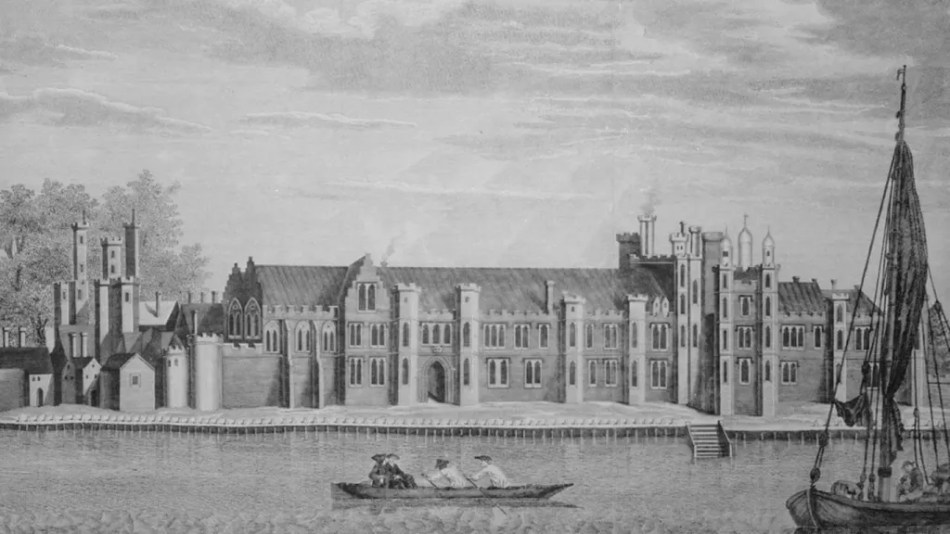
Overlooking the River Thames, the palace held a desirable position close to the royal shipyards. Elizabeth particularly enjoyed the palace in the summer months, and it was from there that the queen saw the parade of ships after the defeat of the Spanish Armada in 1588.
The palace fell into disrepair during the English Civil War in the 17th century, and only a few archaeological remains are left of the site.
The Old Royal Naval College now stands on the site of the Tudor palace.
2. Hatfield House, Hertfordshire
Hatfield House bore witness to many of Elizabeth’s defining moments in her life. She was first sent to the stately home when she was just 3 months old in December 1533, separating her from her mother, Anne Boleyn.
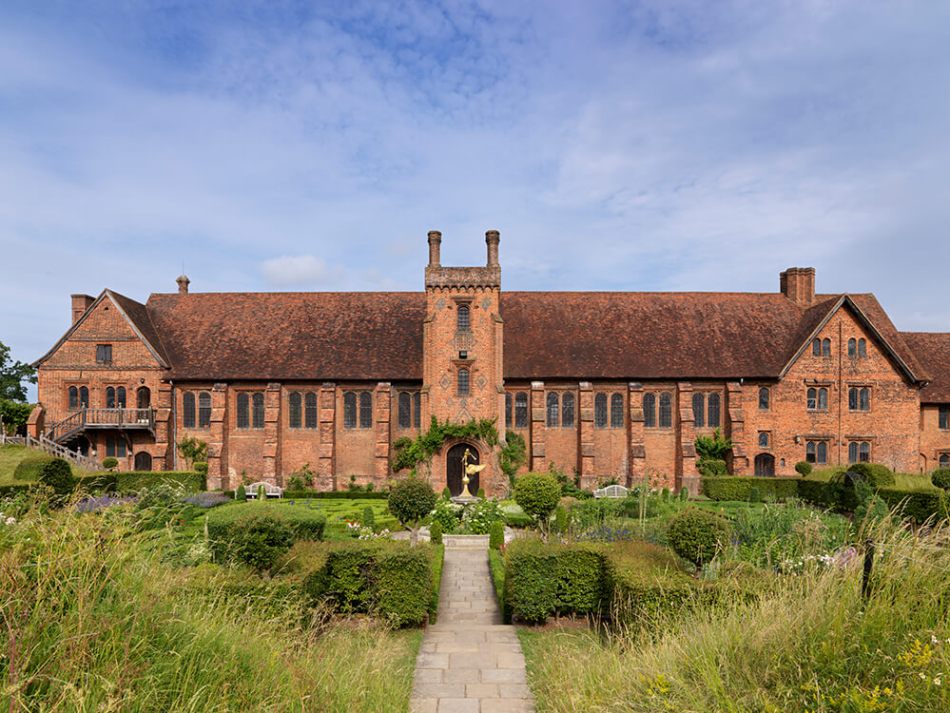
It was also where Elizabeth learnt the news of Mary I’s death in 1558 and that she was declared Queen of England. It is said she was sat beneath an oak tree in the grounds, and while the oak tree no longer exists, there is a new tree planted on the supposed spot.
Her first Council of State with her trusted advisers, such as William Cecil, took place in the Banqueting Hall of the Old Palace at Hatfield.
3. Chelsea Manor, London
The now-lost Chelsea Manor in London was bestowed to Katherine Parr, the final wife of Henry VIII, in 1544. Following Henry’s death in 1547, Katherine quickly married courtier Thomas Seymour. Elizabeth lived at Chelsea during Edward VI’s reign. This brought Seymour dangerously close to the young Elizabeth.
It is said that Seymour would pay Elizabeth unexpected visits to her bedchamber early in the morning, engaging in inappropriate behaviour with the princess and nearly compromising her reputation.
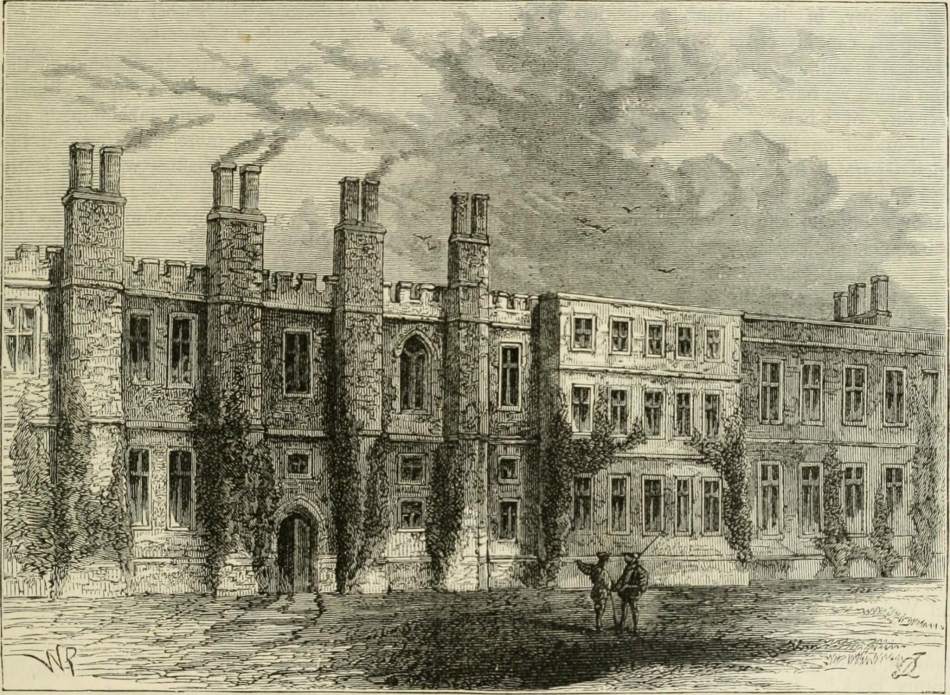
Elizabeth was ordered to leave Chelsea, and Katherine moved to Sudeley Castle in Gloucestershire, where she later died in 1548 from complications from childbirth.
The manor has long since been demolished, and the site is now covered by houses in Cheyne Walk in Chelsea.
4. The Charterhouse, London
The Charterhouse in London is one of only a handful of buildings that Elizabeth would still recognise in the capital.
After her sister, Mary I, died in 1558, Elizabeth made her way from Hatfield to the Charterhouse, making it her base before her coronation in 1559.
It was one of the most luxurious houses in the city, dating back to the 14th century, and she visited many times throughout her reign.
5. Hampton Court Palace, Richmond-upon-Thames, London
Elizabeth frequented Hampton Court Palace numerous times during her reign, but there was one visit that nearly took a tragic turn.
In October 1562, Elizabeth was staying at Hampton Court when she almost lost her life to smallpox, and there was real worry among court about who would inherit the throne if she died without a named heir.
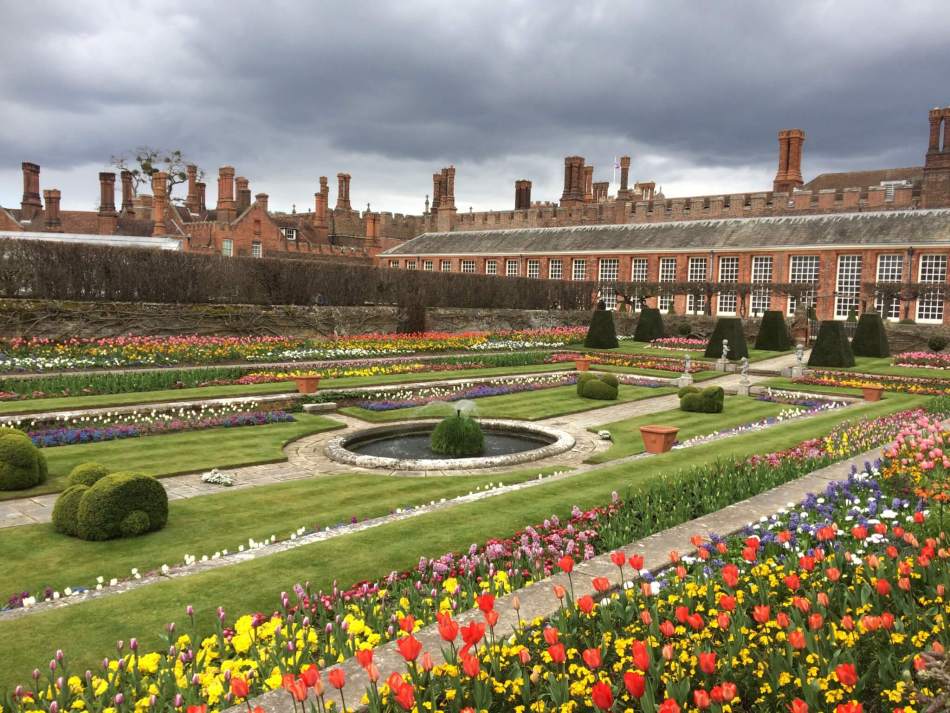
Elizabeth made a full recovery, and after a period of rest, she was able to return to her royal duties.
Elizabeth was known to love her morning walks in what is now known as the Pond Gardens at Hampton Court. It is said that she ordered the windows overlooking the gardens to be blocked out so she could walk secretly without being watched.
6. Abbey Gateway, Reading
As part of Henry VIII’s dissolution of the monasteries, hundreds of abbeys across England and Wales were closed, and much of Reading Abbey fell into disrepair.
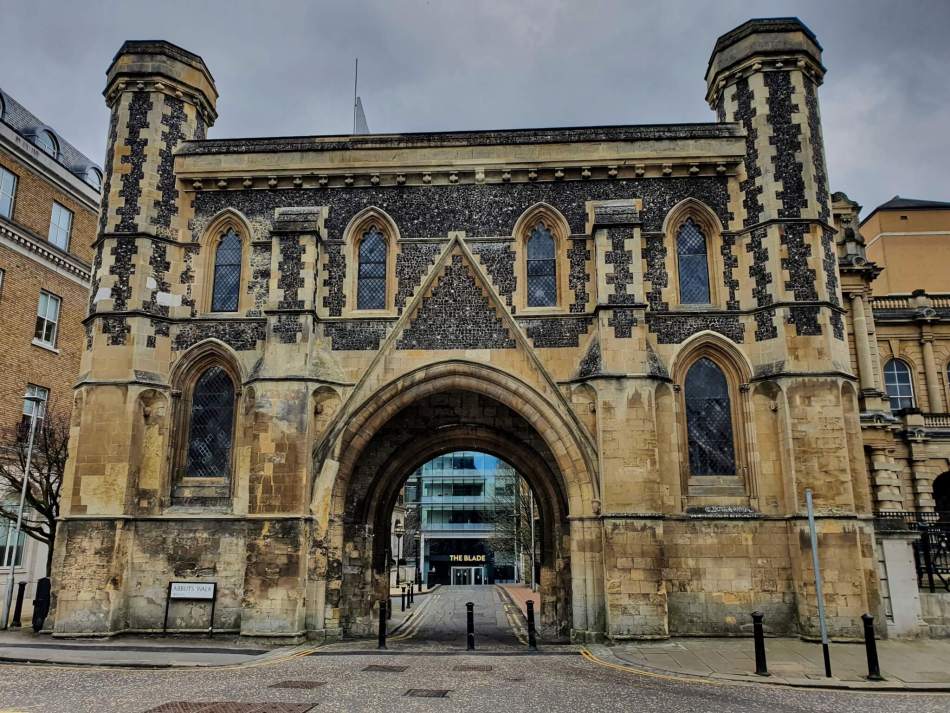
This gateway in Reading then became the entrance to a Tudor palace. The Abbot’s House, which sat beyond the gateway, was saved and transformed into a royal palace by Elizabeth in the 1560s.
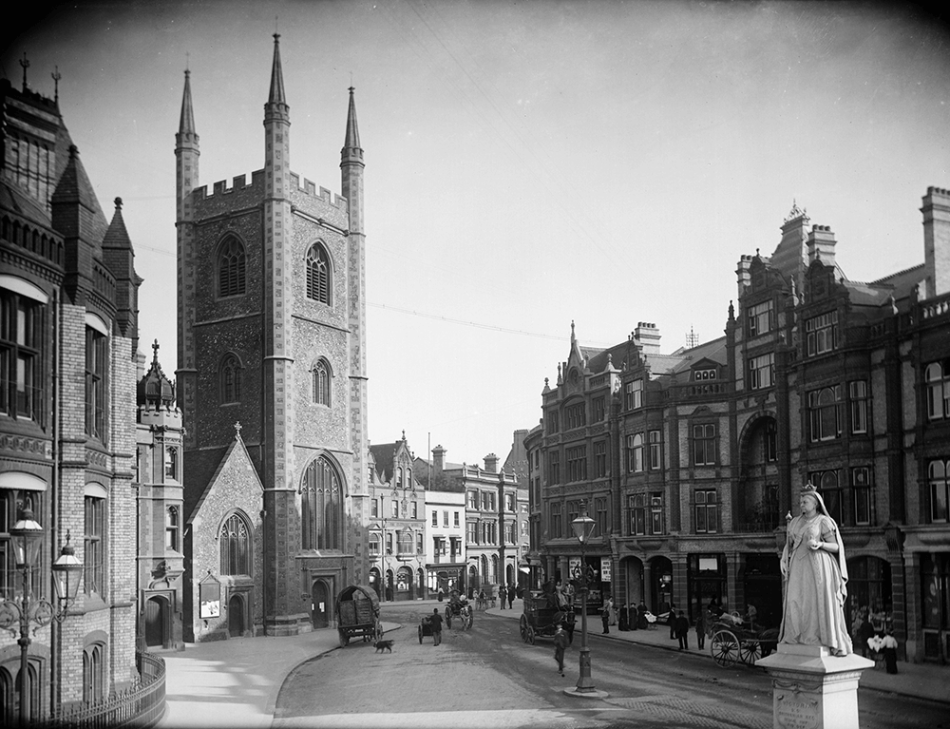
Although the palace is now lost, you can still see the gateway and the nearby St Laurence’s Church, where Elizabeth I worshipped. The church tower dates from 1458, while the gateway was remodelled by Sir George Gilbert Scott in 1861.
7. Charlecote Park, Warwickshire
As summer weather made for better travel conditions, in the 16th century, monarchs would make royal progresses and travel around their kingdom to see their subjects.
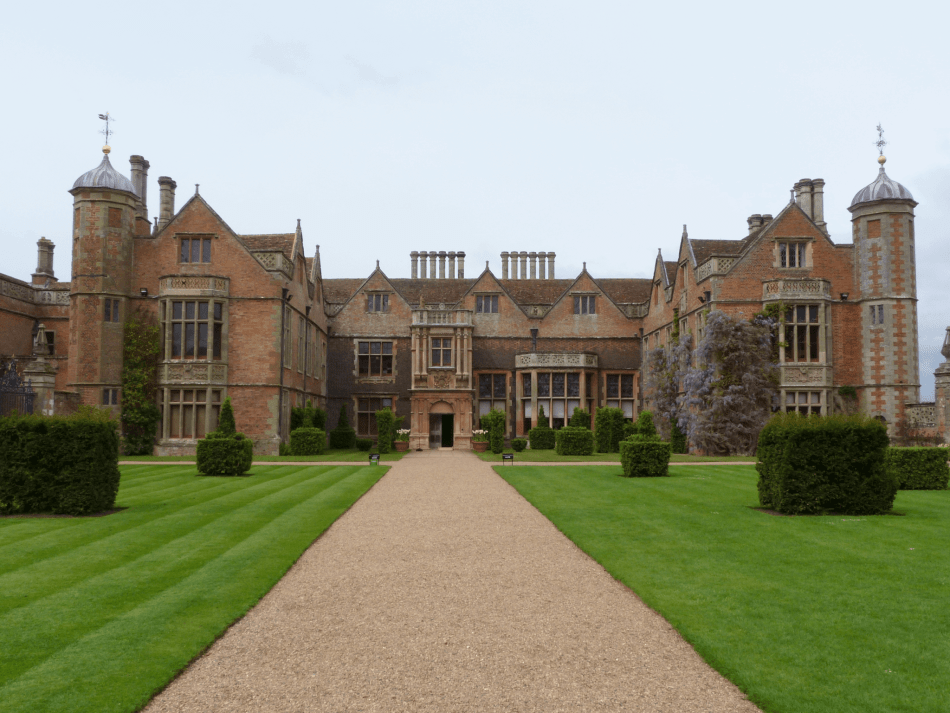
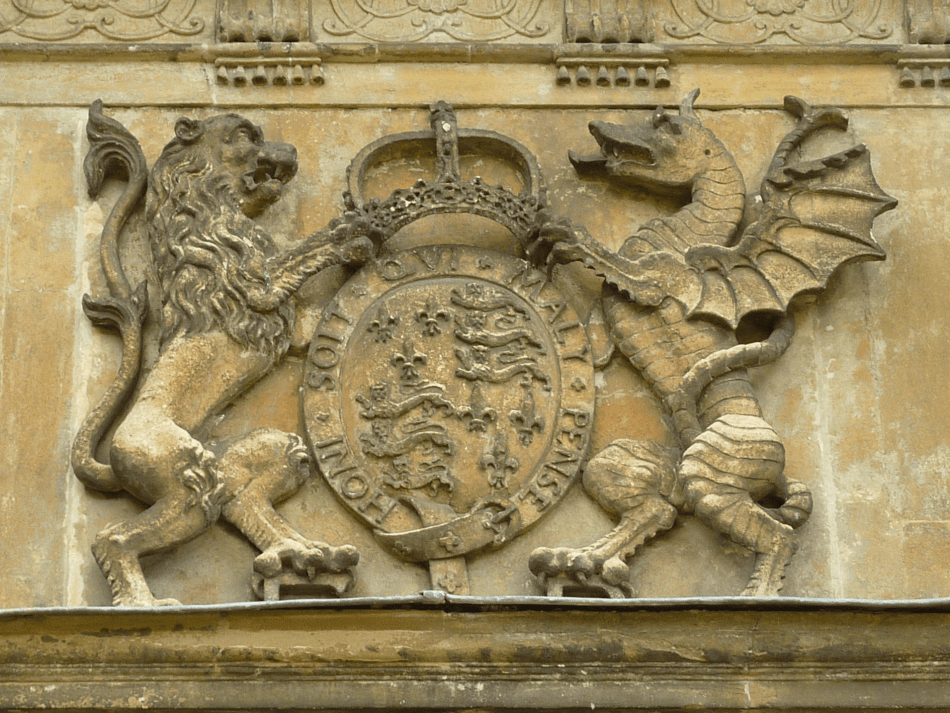
Situated between Stratford-upon-Avon and Warwick, Charlecote Park is a country manor first built in 1558 and is surrounded by a large deer park. Elizabeth visited here on progress in 1572 and 1575, staying in what is now known as the Drawing Room.
The porch was built for her arrival, which features her coat of arms below.
8. Kenilworth Castle, Warwickshire
The most famous event of Kenilworth Castle’s history was the 19-day lavish celebrations in 1575 put on by Elizabeth’s close friend and noble, Robert Dudley, to celebrate the queen’s visit.
This was the longest of all of her progress visits to a courtier. During the celebrations, there were fireworks, vast banquets and performances, all in a final attempt for Dudley to woo Elizabeth.
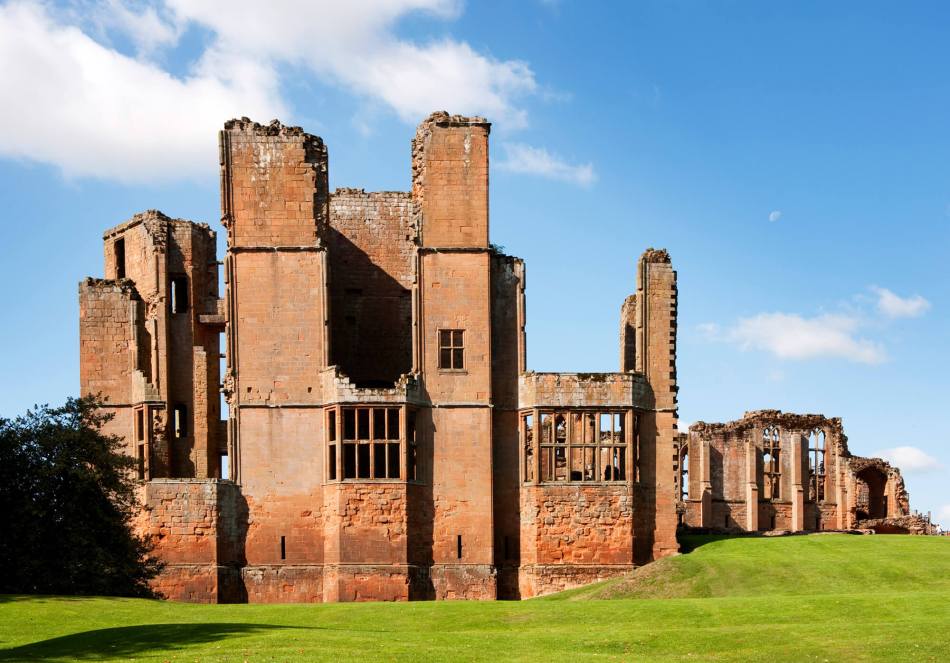
No expense was spared, and Dudley ordered the creation of Leicester’s Building within the castle grounds, which were extravagant apartments fit exclusively for the queen.
Elizabeth and Dudley’s relationship has been a subject of fascination for over 450 years. Dudley had real hope of marrying the queen, but she evaded his proposals.
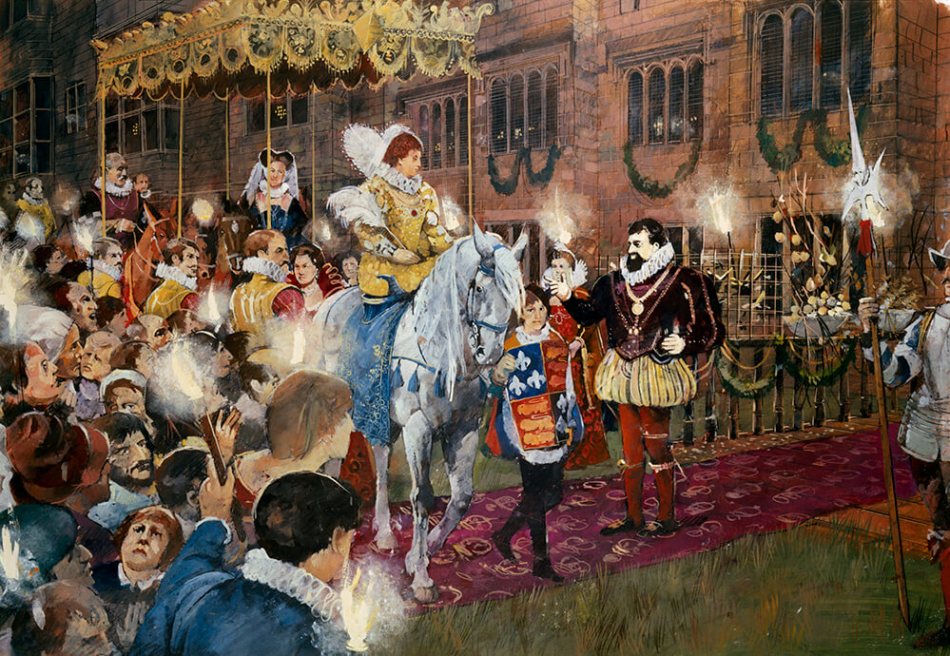
Undoubtedly, they depended on each other, but Elizabeth swore till her dying day that nothing ever passed between them. There would be no scandalous relationship to tear away control of her kingdom.
9. Lord Leycester Hospital, Warwick
This hospital in Warwick was founded in 1571 by Robert Dudley. He was granted permission by the queen to found an almshouse for older soldiers, and the existing Guildhall buildings were incorporated.

The soldiers were carefully and personally selected. Elizabeth sent a document from Greenwich Palace requesting a place at the hospital for Richard Deersham for ‘his faithful service in the wars where he received his many hurtes and maymes’.
The charity still supports veterans to this day.
10. Tilbury Fort, Essex
Henry VIII first constructed Tilbury Fort on the Thames Estuary to protect London against attack from France. But it was Elizabeth who reinforced the defences following the threat of a Spanish invasion in the 1580s.
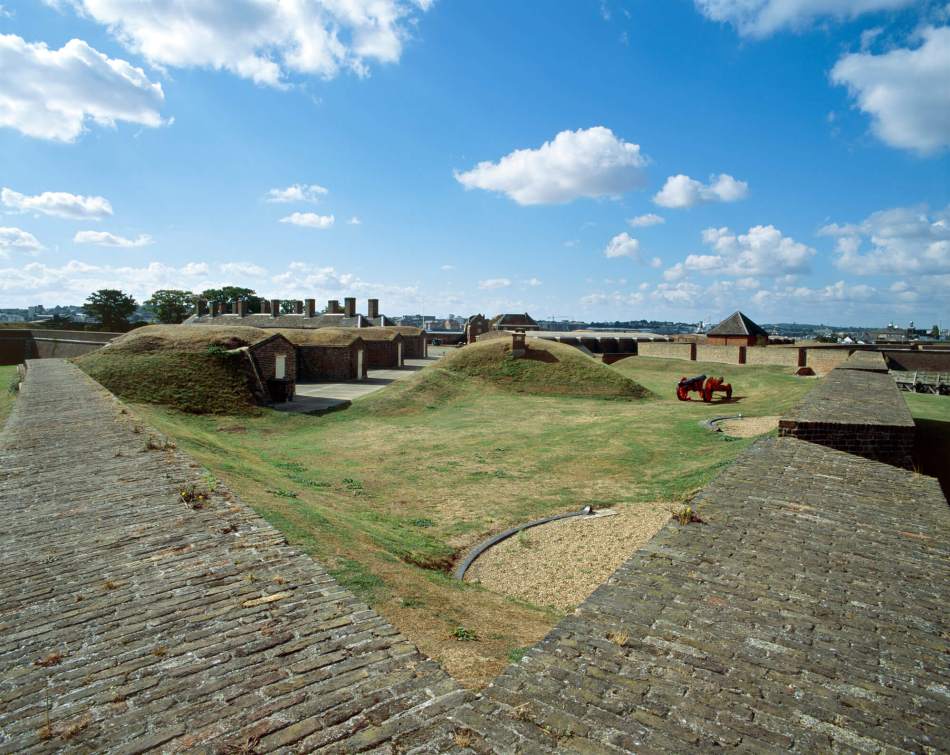
When the Spanish Armada was launched by King Philip II of Spain in 1588, Elizabeth rallied her army at a nearby camp and supposedly gave her famous Tilbury speech.
Her words may have brought confidence to English troops. It was here that she may have said, “I know I have the body but of a weak and feeble women; but I have the heart and stomach of a King, and a King of England too”.
Unfortunately, none of Tilbury’s Henrician or Elizabethan buildings survive above ground. However, you can still see Charles II’s influence on some buildings, including the fort and battery.
11. St Margaret’s Church, Tivetshall, Norfolk
The idea that Elizabeth did not consider the memory of her mother, Anne Boleyn, was pushed for centuries. However, recent research counters this, and a remarkably preserved painting in St Margaret’s Church in Norfolk may demonstrate Elizabeth’s determination to show her connection to her mother to her subjects.
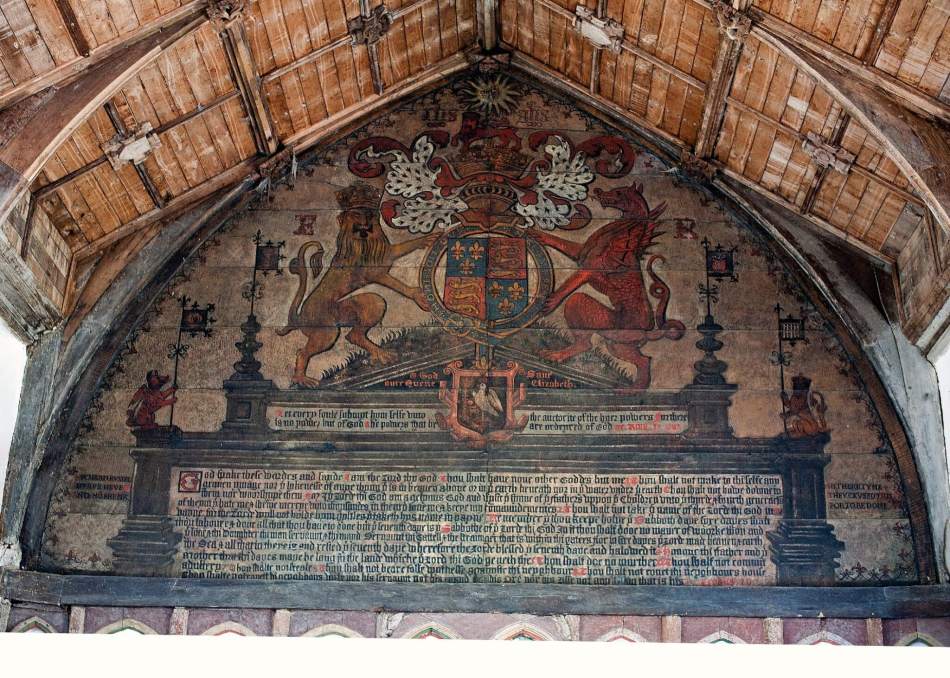
The church was built in the early 14th century and contains a remarkably preserved tympanum, a semi-circular or triangular decorative wall. The wall paintings were ordered and painted in 1587.
They depict all 4 of the Tudor monarchs’ emblems. Remarkably, the falcon, which was Anne Boleyn’s emblem, is displayed right at the centre.
12. Richmond Palace, Richmond-upon-Thames, London
After reigning for 45 years, on 24 March 1603, Elizabeth I died at Richmond Palace.
Most of the palace was demolished in the 17th century. The only surviving Tudor parts are the Gatehouse and the Royal Wardrobe.
The Gatehouse was built in 1501 during the reign of Henry VII, Elizabeth’s grandfather. He died at Richmond Palace in 1509.
The Wardrobe is reached through the Gatehouse and is now private dwellings. It was once used to store the clothes of Tudor monarchs.
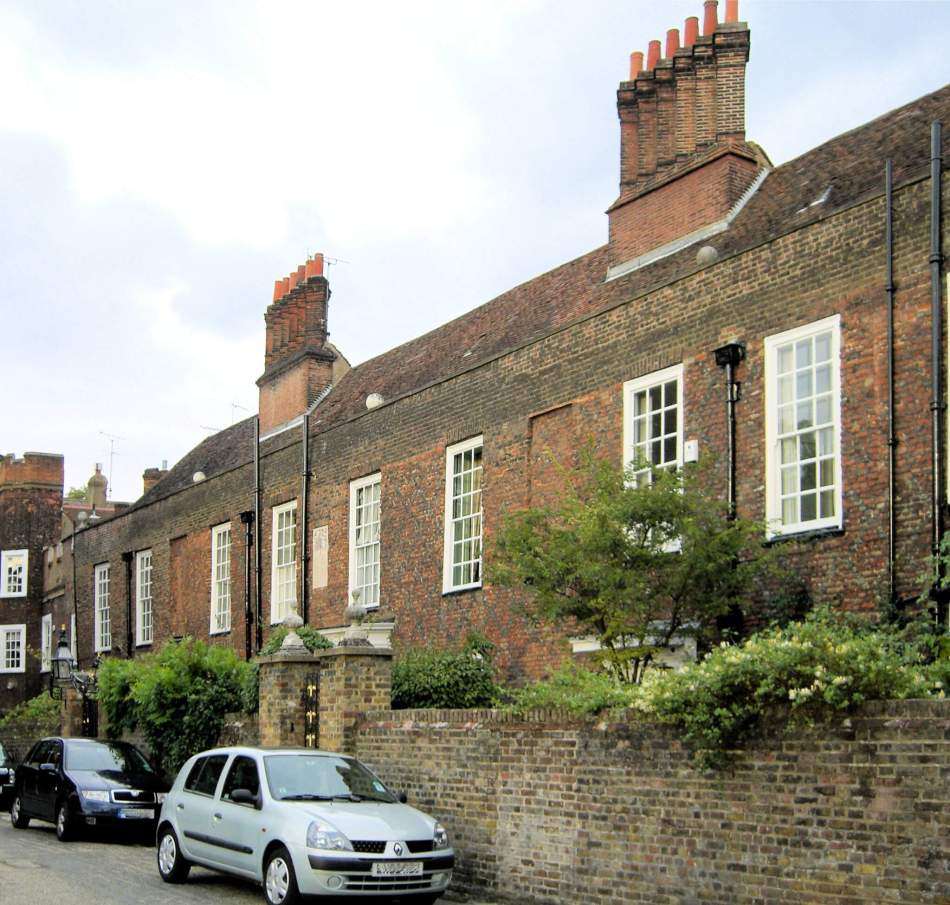
Although the Wardrobe building is primarily covered with 18th century brickwork, the walls are timber-framed and may survive from the medieval palace, which was burnt down in 1493.
Written by Ellie Butcher
Further reading