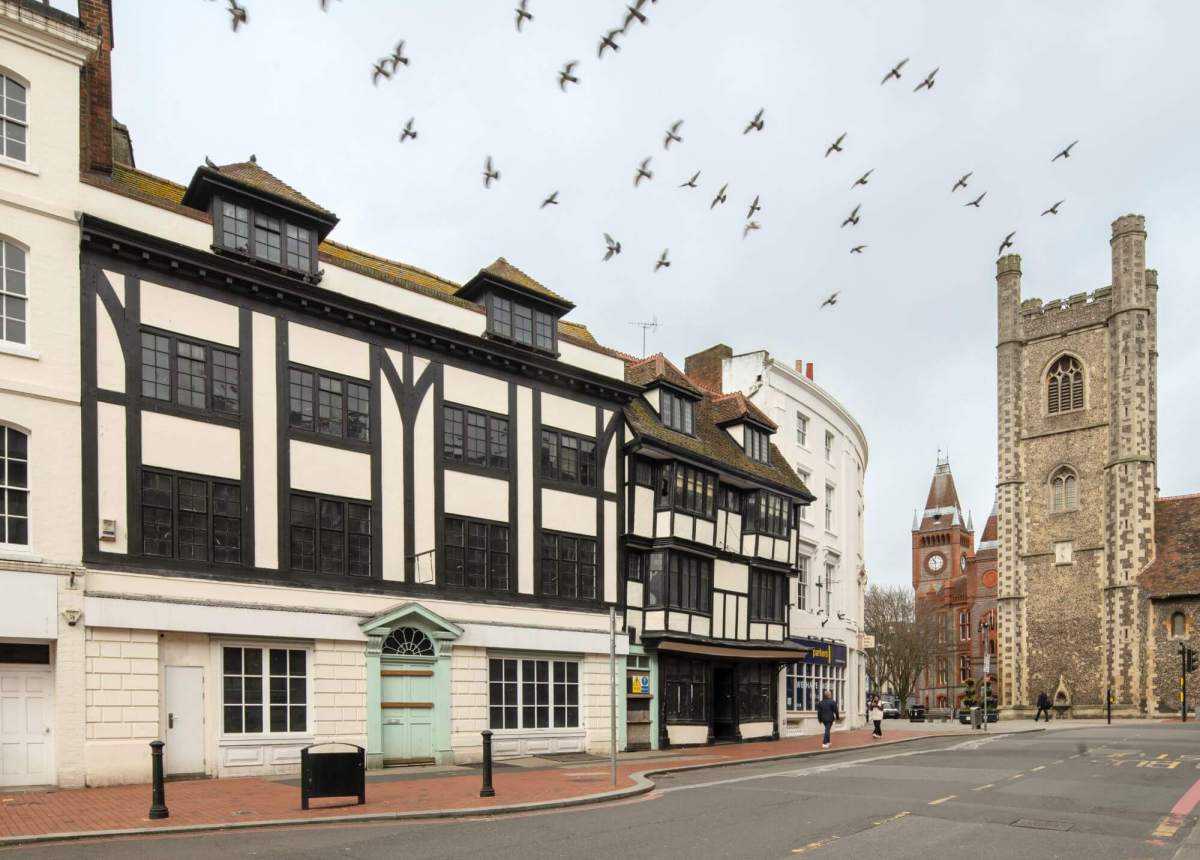
Reading in Berkshire was founded around the 6th century AD by the Saxons, who had travelled up the rivers Thames and Kennett looking for a place to settle after travelling from areas of modern-day Germany, Denmark, and the Netherlands.
Over time, Reading grew from a small village to a prosperous market town.
Reading was one of the 67 places which benefitted from our High Streets Heritage Action Zones programme from 2020 to 2024. We invested £1.6 million in Reading over 4 years, focusing on conserving and revitalising its historic heart.
Here are 6 different sites, from Reading Abbey to the old Huntley and Palmers factory, that tell the story of Reading’s history and growth into one of the largest towns in the UK.
Reading Abbey Ruins
Reading rose to prominence as an important religious centre in medieval Europe with the construction of Reading Abbey, built in 1121 by King Henry I, who was also buried there following his death in 1135.
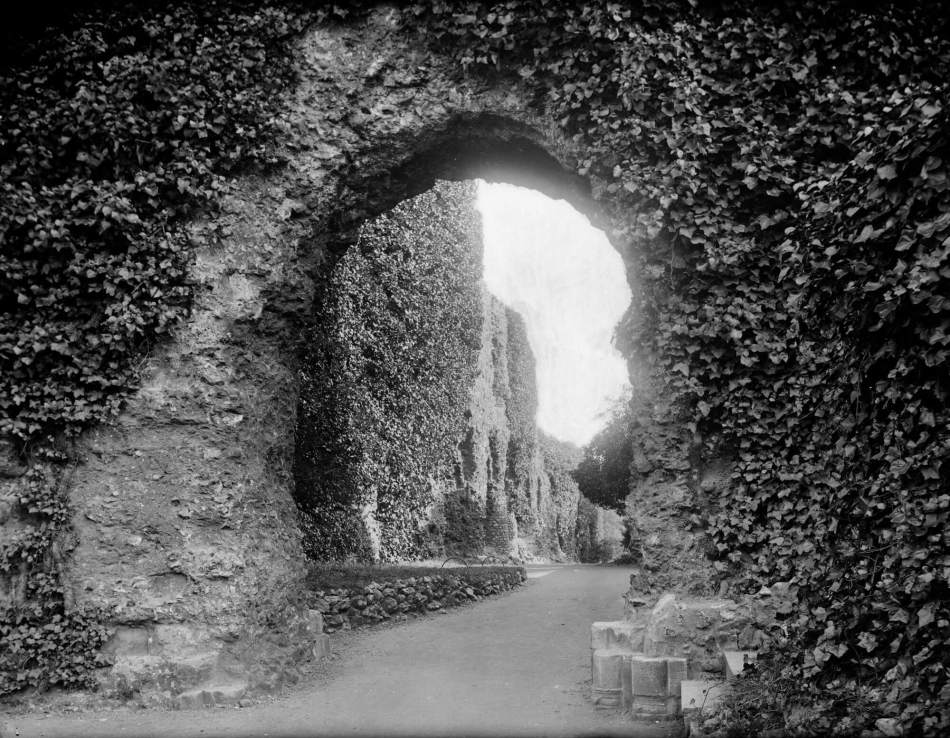
The monastery became a major pilgrimage destination dedicated to the Virgin Mary and St John the Evangelist, and its strategic proximity to the river established Reading as a key location for trade.
At the time of its closure, it was the fourth-largest church in Britain and a key venue for important events, such as royal weddings and Parliament meetings.
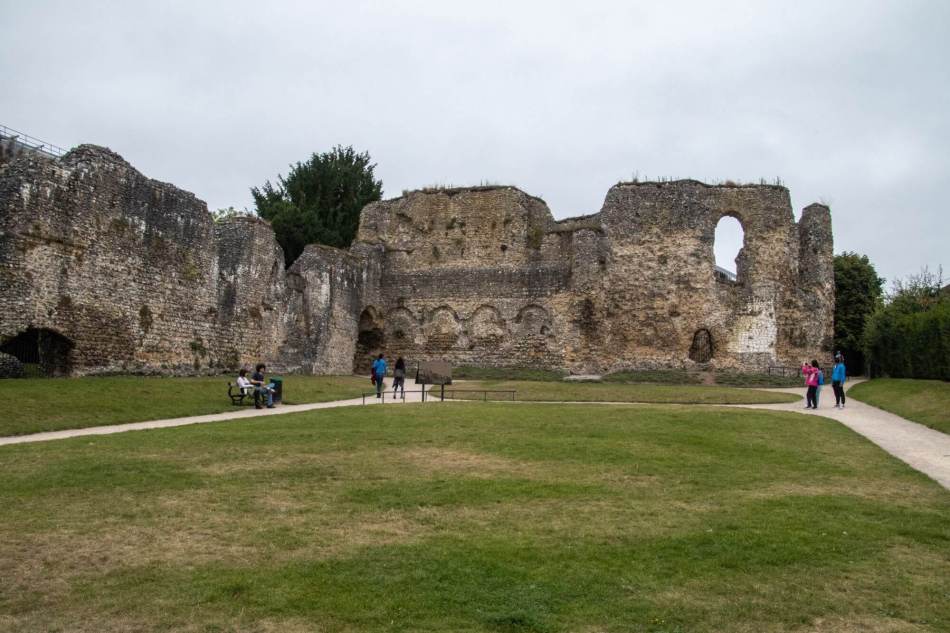
The abbey was closed during King Henry VIII’s Dissolution of the Monasteries in 1539 and was further damaged in the English Civil War in the 17th century, leaving the ruins we see today.
The ruins consist of the south transept, the treasury, the chapter house, the dormitory and the refectory. The Abbey Ruins are protected as a scheduled monument and a Grade I listed building.
In 2018, the ruins were re-opened as part of the £3.15 million Reading Abbey Revealed project with support from Historic England, and celebrated its 900th anniversary in 2021.
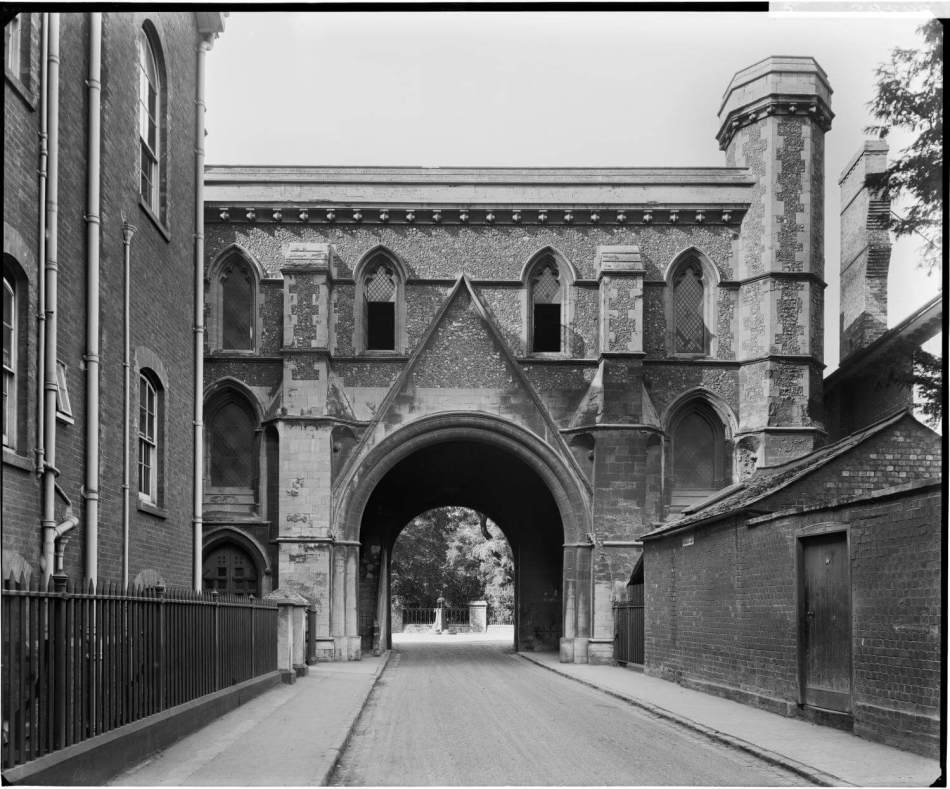
Market Place
The abbey’s influence contributed to the growth of Reading’s trading influence during the medieval period, with the establishment of a new weekly market in front of the abbey gates.
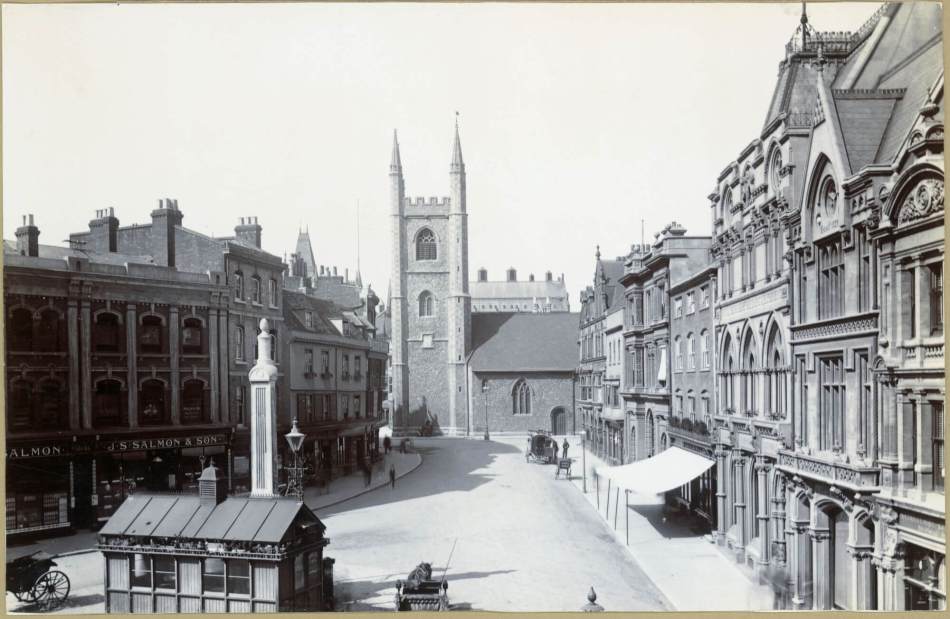
The medieval marketplace’s open space allowed for unrestricted trade, with Reading’s wool cloth and leather business being especially prominent.
The marketplace was the heart of Reading and today showcases a range of architectural styles from medieval to Victorian and into the 20th century.
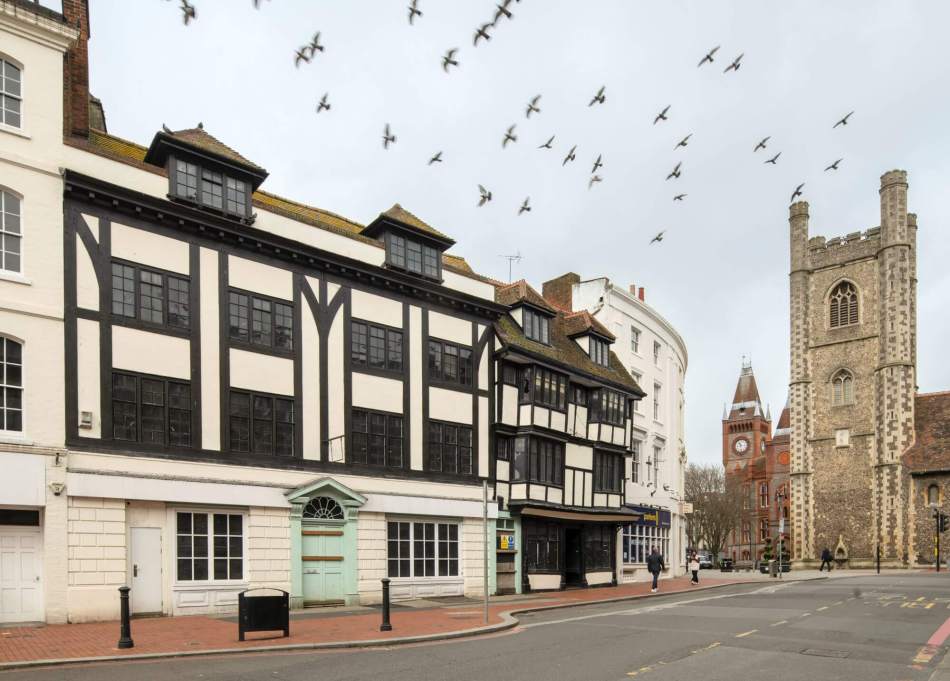
27 to 28 Market Place, which is Grade II listed, is perhaps Reading’s best surviving timber-framed building with features dating back to the 17th century. The buildings have recently been cleaned and restored as part of our High Streets Heritage Action Zones scheme.
London Street
In the 18th and 19th centuries, London Street became one of the busiest and most fashionable areas of town, and various businesses were established there.
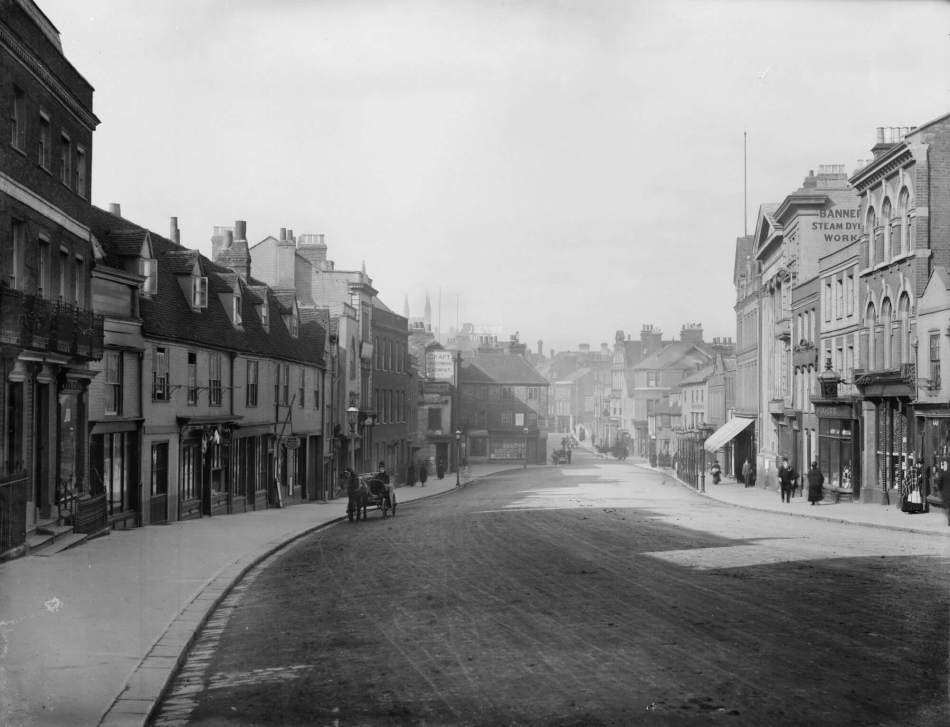
Elegant buildings in a distinctly Georgian style sprang up in great numbers. Most of Reading’s Georgian buildings were built from locally produced brick, tile and terracotta.
The terracotta ornaments on buildings, alongside patterns using red, cream and grey decorative bricks, formed the distinguishing features of Reading’s architecture. This led author Thomas Hardy to christen Reading as ‘Aldbrickham’, the old brick town, in his novel, ‘Jude the Obscure’ in 1895.
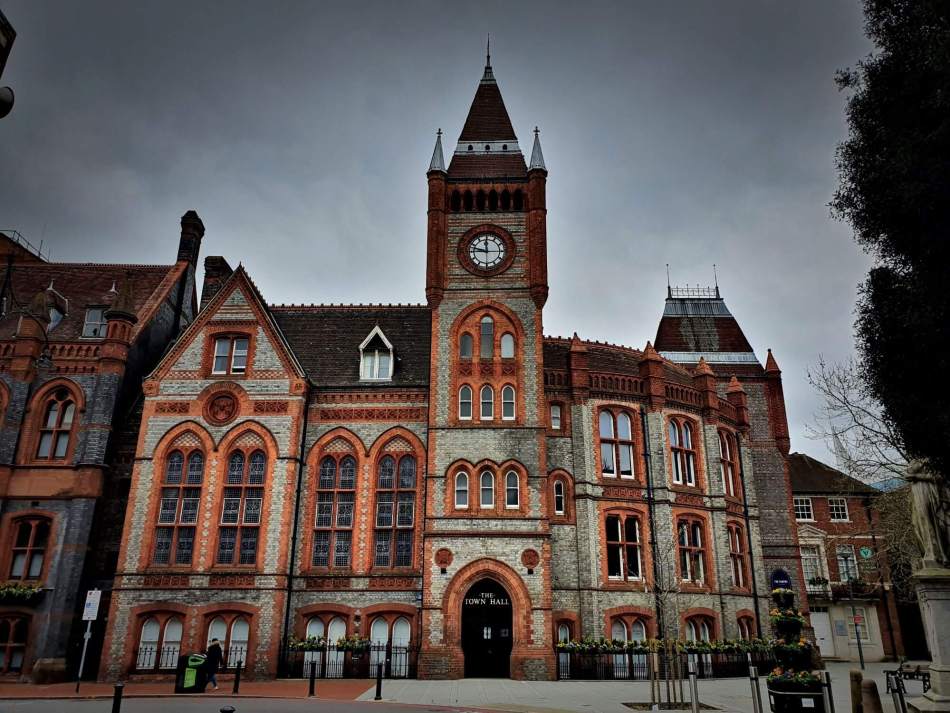
This characteristic red brick sprawled across Reading and its surrounding areas. Impressive examples include the Grade II* listed Town Hall, designed by architect Alfred Waterhouse, who was also responsible for the Natural History Museum in London.
Reading Gaol
Reading Gaol was first built over the site of the abbey infirmary in 1785 and was rebuilt in 1844 to designs by George Gilbert Scott and William Boynthon Moffatt, which is what still stands today and is Grade II listed.
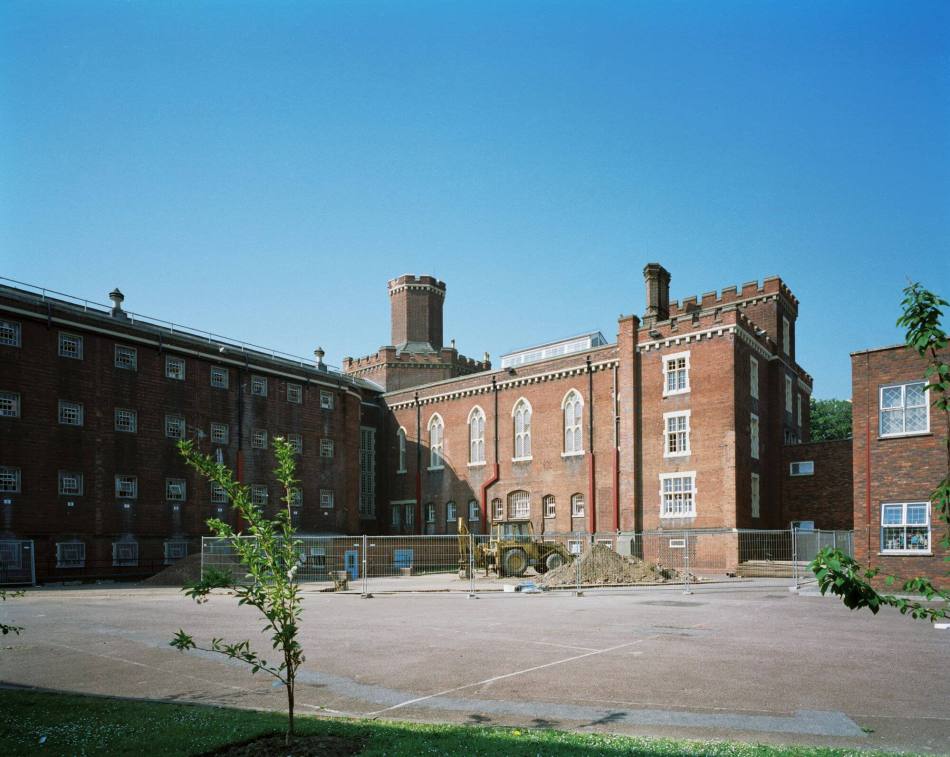
Its layout reflected the prison reform at the time, designed to enforce ‘the separate system’, a new penal technique that involved isolating inmates.
It is famous for the imprisonment of poet and playwright Oscar Wilde, who served a 2-year sentence (1895 to 1897) with hard labour for ‘gross indecency’ with other men.
He subsequently wrote ‘The Ballad of Reading Gaol’ in 1898 to immortalise his experiences, narrating an execution that he witnessed during his time in the prison. The Oscar Wilde Memorial Walk at the back of the old Reading Gaol, laid out in 2000, commemorates Wilde’s imprisonment.
The prison became a Remand Centre and Young Offenders Institution in 1992 and was closed in 2014. It was sold to an educational foundation in January 2024, with plans for an educational centre to provide services to the local community.
Huntley and Palmers
Reading flourished as a manufacturing town for business and trade with the development of its famous ‘Three Bs’ industries: beer, bulbs and biscuits.
The Huntley and Palmers biscuit factory was perhaps the most influential of the ‘Three Bs’, defining Reading’s growth in the 19th and 20th centuries.
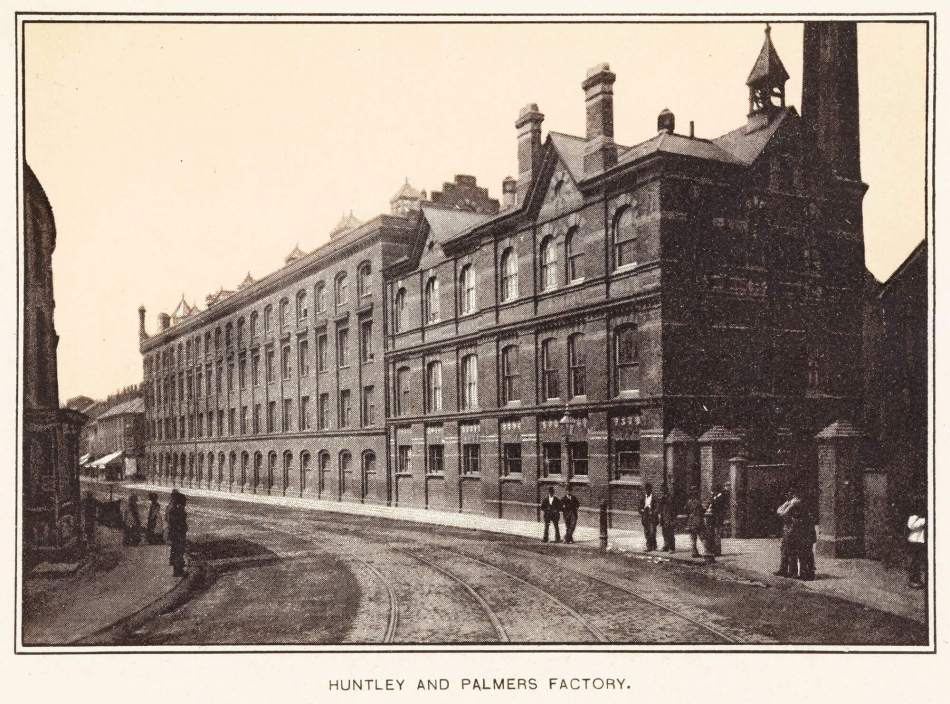
Huntley and Palmers started as a small bakery on London Street by Joseph Huntley in 1822. Huntley partnered with George Palmer in 1841 and established a large factory on King’s Road in 1846.
The company grew swiftly, and by the 20th century, it was the largest and most famous biscuit manufacturer in the world, employing over 5,000 people and producing over 400 different biscuit varieties.
It is still a household name around the world.
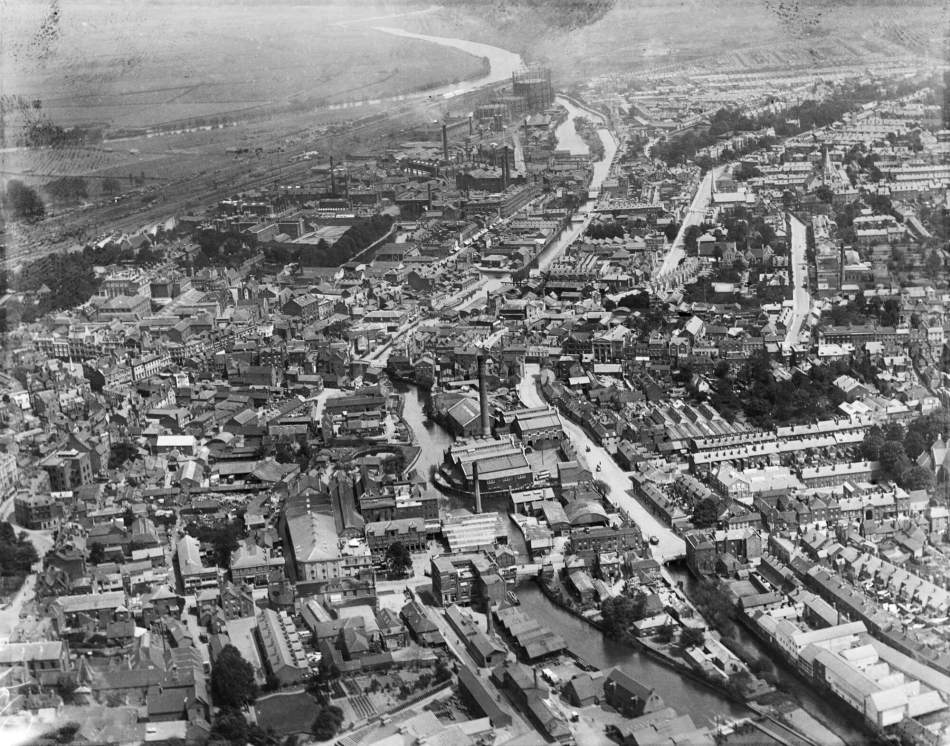
Reading was even known as the ‘Biscuit Town’ from the 1870s to the 1970s, and during the world wars, Huntley and Palmers produced food rations for the British Army.
However, biscuit production ended in 1976, and the only remaining building is the old factory social club, which was used as the factory employees’ social club premises. It has now been converted into social housing units.
Queen Victoria statue
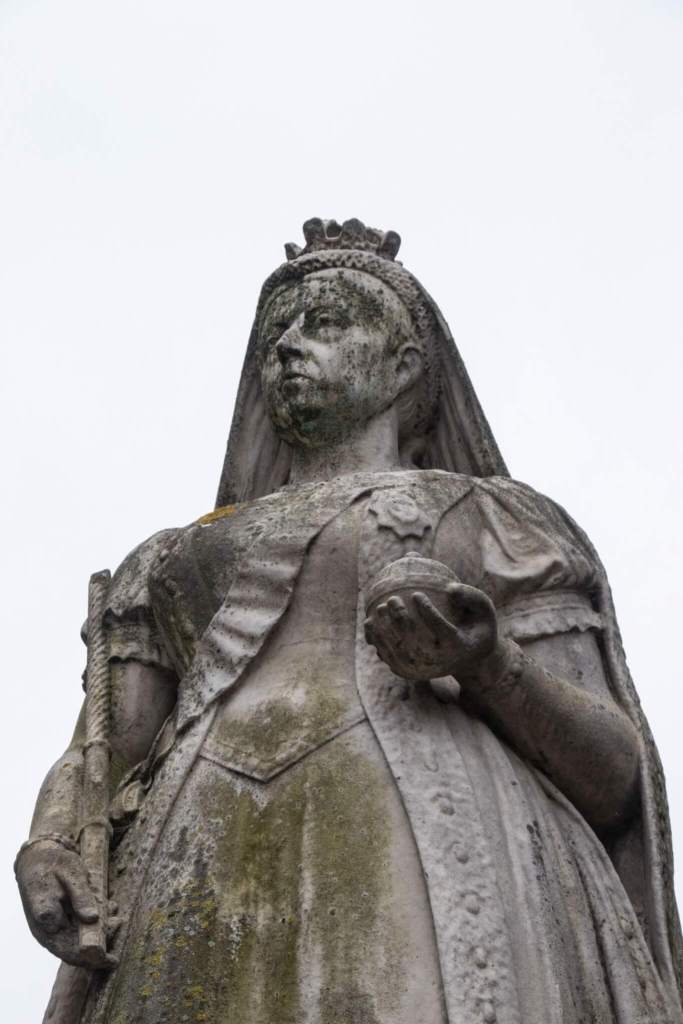
A statue of Queen Victoria stands outside the Town Hall in Reading. It faces away from the modern town centre, leading to the urban myth that Queen Victoria disliked the town.
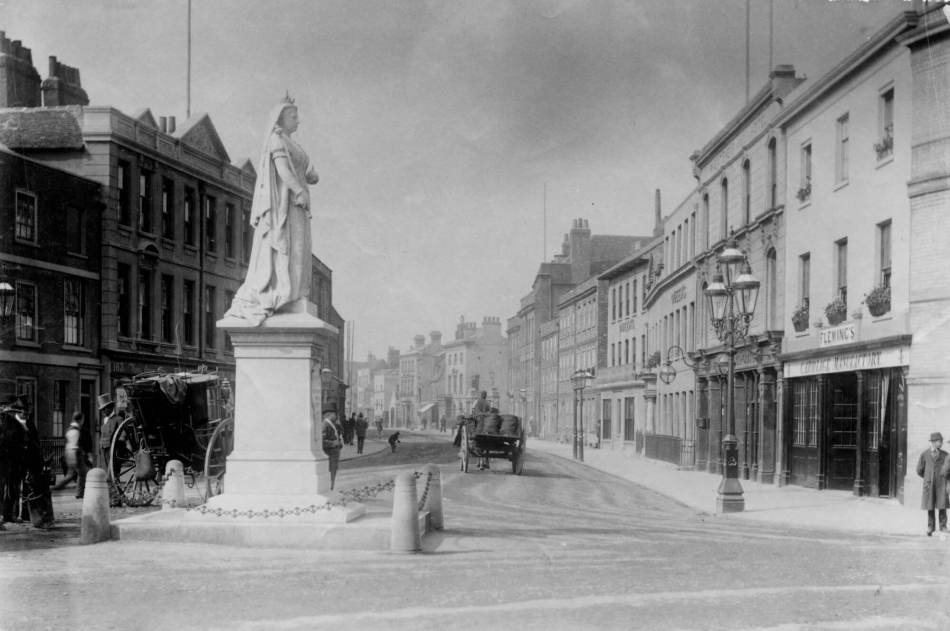
The statue was created by George Blackall Simonds in 1887 and unveiled that same year in commemoration of Queen Victoria’s Golden Jubilee. Simonds was not only a sculptor who created the Maiwand Lion in front of Forbury Gardens and the statue of George Palmer, but was also the director of H & G Simonds Brewery, comprising the ‘beer’ part of Reading’s ‘Three Bs’.
Now, the statue is missing the index finger of its right hand, which was blown off by a bomb blast during the Second World War. As part of our High Streets Heritage Action Zones scheme, the statue was cleaned and restored in 2023.
Broad Steet
Now a bustling street filled with shops and people, Broad Street became the main shopping street in Reading after the establishment of the railway in 1840.
It was the first street in Reading to have the horse-drawn tramway system installed, with taverns and coaching inns a prominent feature.
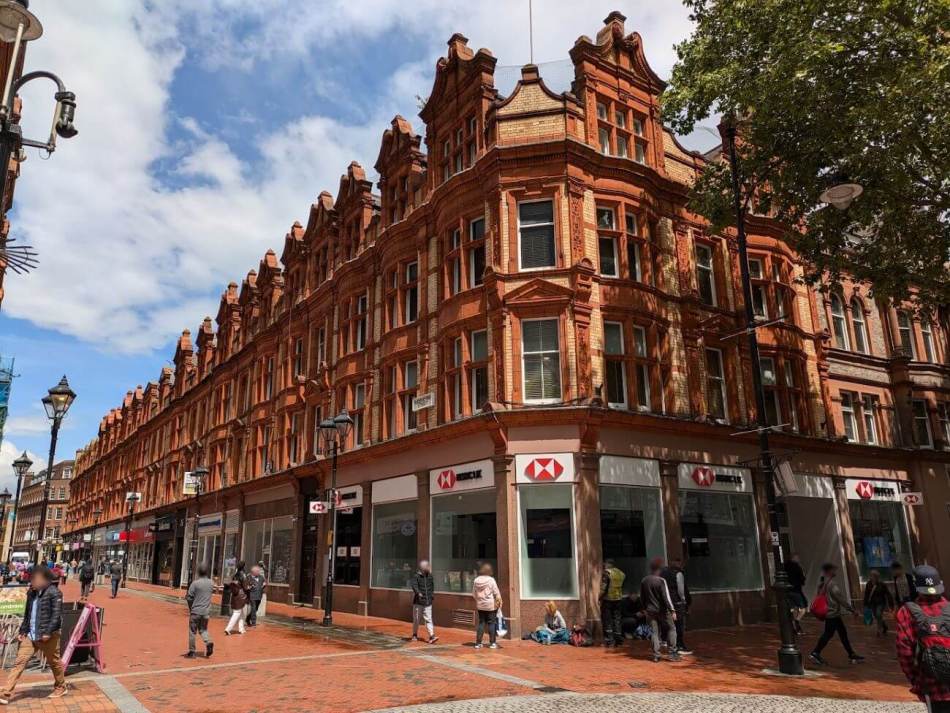
After being pedestrianised in 1970, Broad Street is now the main high street in the town centre and houses many major stores, with Reading’s main shopping centres, The Oracle and Broad Street Mall, situated on the east and west ends of the street, respectively.
This busy high street is a testament to Reading’s growth as a town. It is a witness to Reading’s industrial past and thrives today at the centre of the town, the heart of one of England’s most populated and cosmopolitan neighbourhoods.
Written by Steph Chan
Discover your historic local heritage
Hidden local histories are all around us. Find out more about Reading on the Local Heritage Hub.
Further reading