England has a long and complex military history, from Roman battles and the English Civil War to threats of invasion during the Napoleonic and First and Second World Wars.
A new book, ‘England’s Military Heritage from the Air‘, tells the story of England’s rich heritage from thousands of years of conflict using 150 photographs from the Aerofilms Collection.
Aerofilms Ltd was founded in 1919 to provide commercial aerial photographs. While flying between targets, the aircraft passed over numerous historic sites of interest, from prehistoric earthworks to 20th-century battleships.
The Aerofilms Collection features sites from across the country, including many on the east and south coasts that have been on the frontline of invasion threats for centuries.
Here, explore some of these important historic locations from a bird’s-eye view.
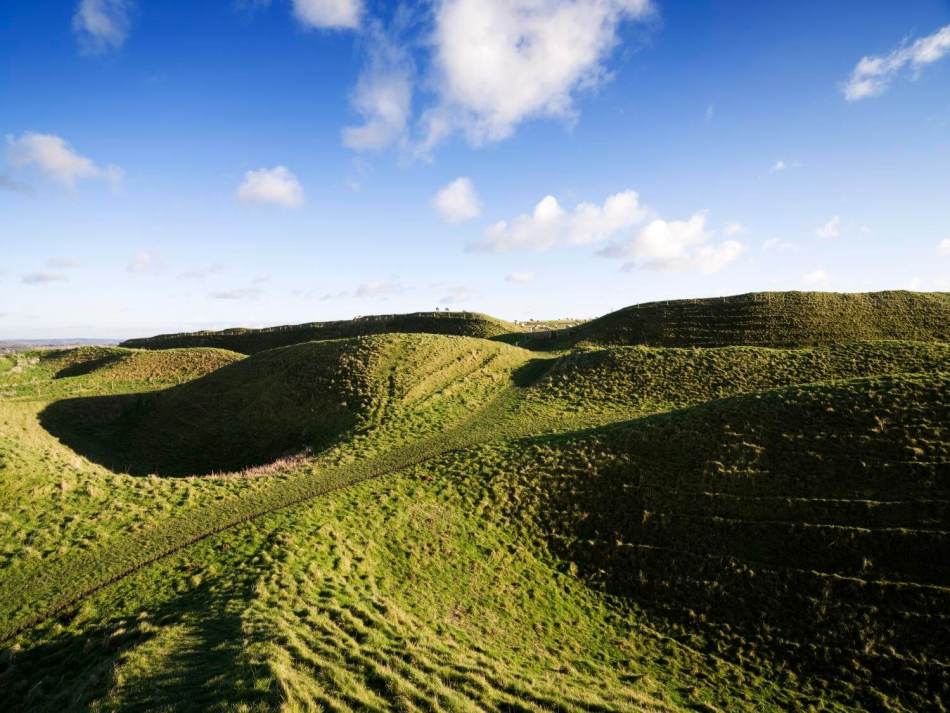
Maiden Castle Iron Age hillfort, Dorset
The first sites connected with warfare in the collection are the ‘causewayed enclosures’ constructed around 3600 BC, several of which display evidence of mass armed conflict.
The Late Bronze Age (around 1000 BC) saw the construction of massively defended enclosures, while the succeeding Iron Age is noted particularly for its hillforts.

The fact that so many Iron Age hillforts have the word ‘castle’ in their names shows that these sites have long been associated with defence and warfare. Looking at the massive ramparts of a site like Maiden Castle, it is easy to see why.
Aerial photographs do not do justice to the sheer scale of these earthworks. Sites like this need to be visited on the ground to appreciate their size. Maiden Castle is over 1 kilometre long, and its ramparts are over 15 metres high.
Built between 800 and 400 BC, hundreds of people lived on this enormous hillfort during the Iron Age.
Britain’s first truly ‘military’ events were the brief incursions of Julius Caesar’s expeditionary forces in 55 and 54 BC. However, it was not until AD 43 that the Roman army occupied Britain.
Portchester Castle and Roman fort, Hampshire
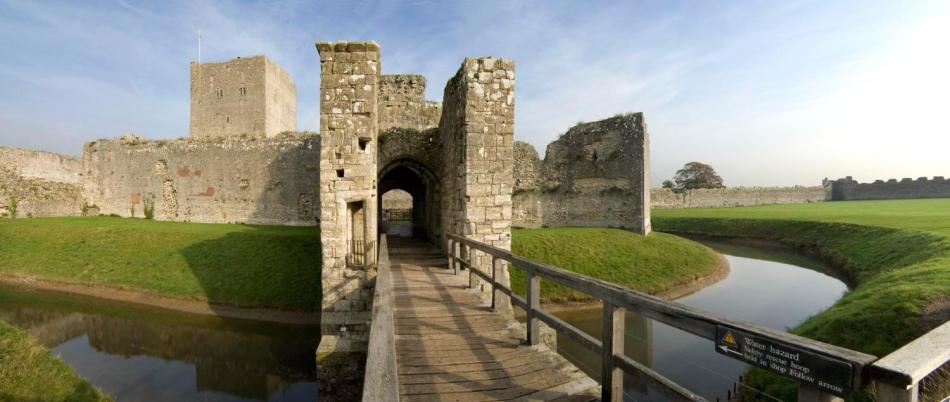
The fort at Portus Adurni (Portchester) lies at the head of Portsmouth Harbour. The fort was built in the 3rd century by the Romans before being transformed by the Saxons and later the Normans into a castle.
It was an important location for monarchs and dignitaries to cross the English Channel.
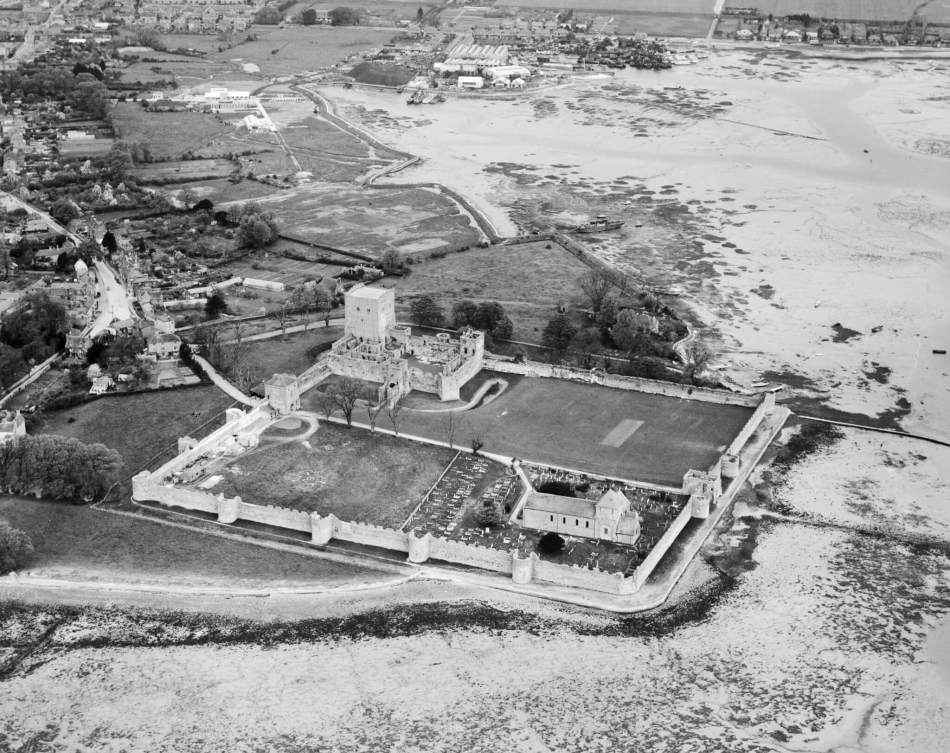
Its fascinating history includes being a Roman fortress, a Norman tower, and then becoming a prisoner of war camp during the Napoleonic Wars. The castle remained part of England’s coastal defences under the Tudor monarchs, and a large military storehouse was built within the walls in the 16th century.
The retreat of Rome from Britain in the 5th century prompted a series of invasions, leading to the re-fortification of prehistoric hillforts and Roman forts and the establishment of massive frontier earthworks.
At the end of the 8th century, Viking raiders from Scandinavia first landed and later began to settle in the north of England. Fighting intensified, leading to the construction of new fortifications, including the ‘burhs’ of Wessex.
These fortified towns were built to resist the great Viking armies that ravaged England throughout the 10th century.
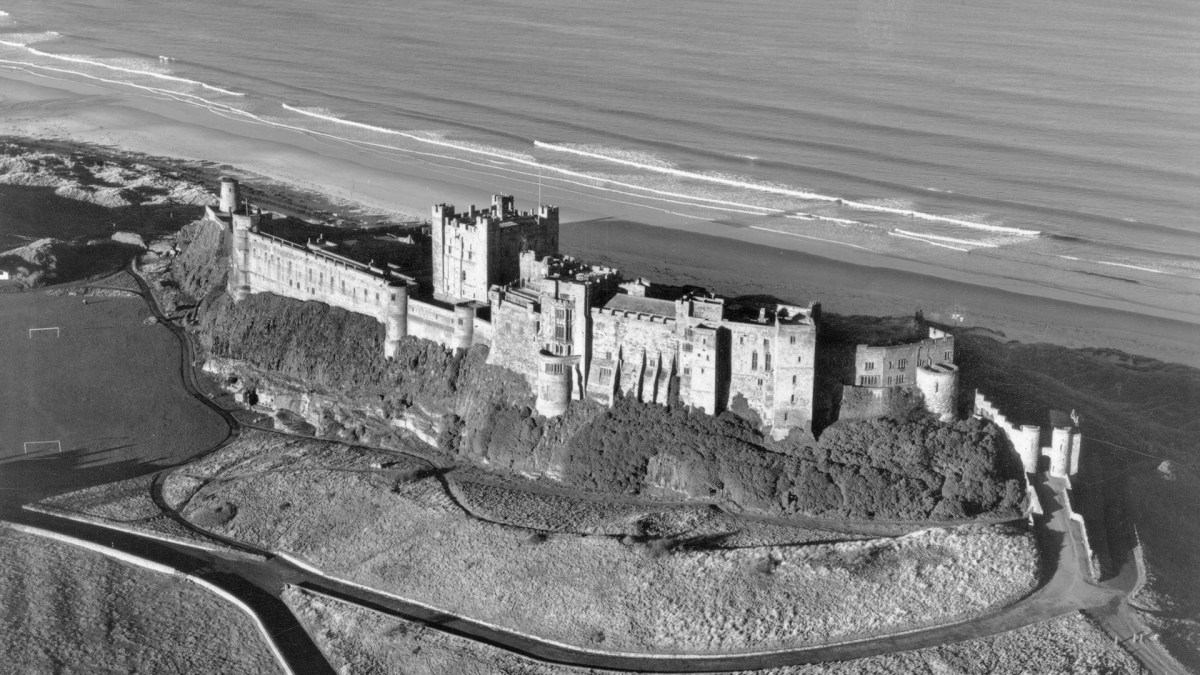
Bamburgh Castle, Northumberland
The Normans’ victory at the Battle of Hastings in 1066 led to the most significant transformation of England’s military infrastructure.
Following his victory at Hastings, William the Conqueror worked quickly to quash rebellions against Norman rule and establish his control over different areas of England.
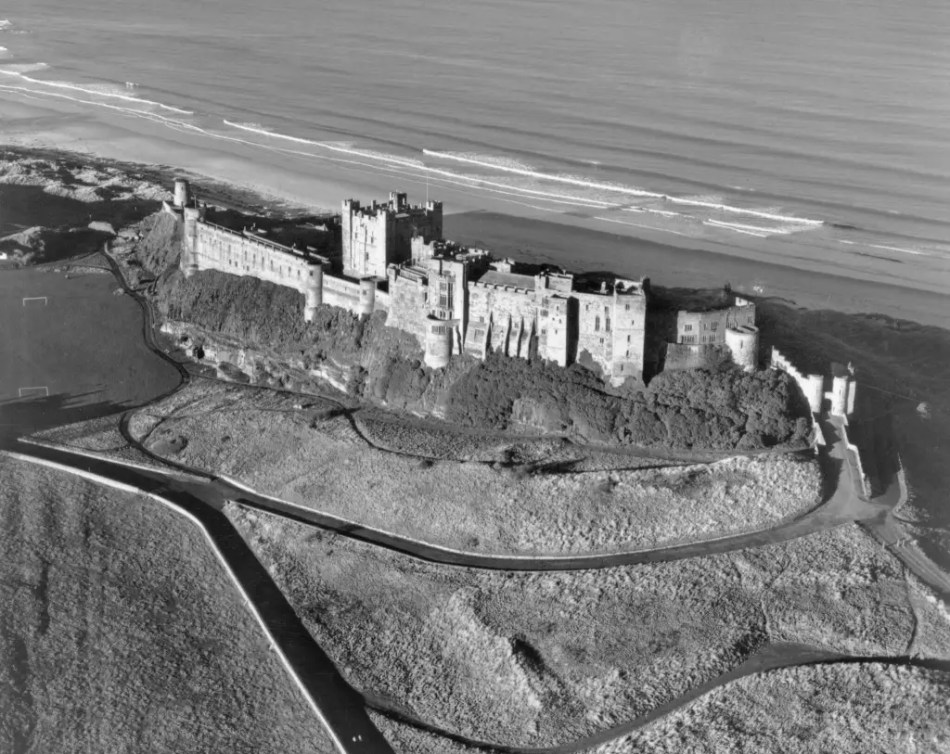
Castles began to be constructed wherever the conquering forces were extending their control. At first, these might be motte-and-bailey or ‘ringwork’ castles with timber towers and palisades, but as resistance declined, larger, stronger stone castles began to be erected.
By the end of the 12th century, a network of fortifications acted as the military and administrative powerbase for Norman lords.
There was a need for castles to secure the north of England, which was particularly important for areas close to the border with Scotland. The large crag at Bamburgh was a natural fortification location and appears to have been in use at least since the 5th century.
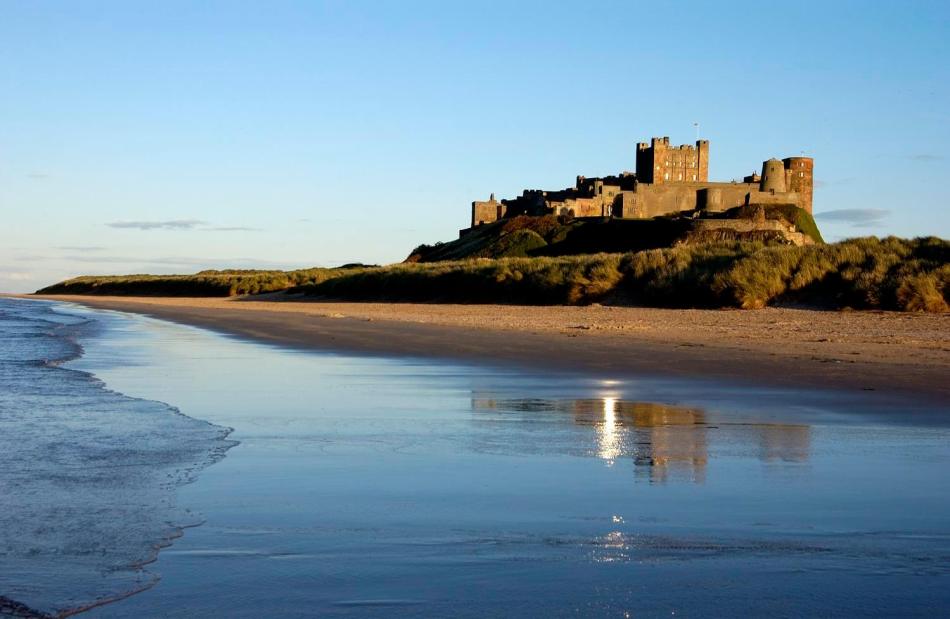
By the 10th century, it had become the headquarters of the earls of Northumbria. In 1095, William II took the castle from Robert Mowbray, Earl of Northumberland.
Fear of attack by the Scots led to regular investment in repairs through the remainder of the 14th and 15th centuries. The castle also played an important part in the struggle between the Houses of Lancaster and York during the Wars of the Roses (1455 to 1485).
Stokesay Castle, Shropshire
The Middle Ages saw several bloody conflicts concerning the succession to the English throne and attempts by the barons to restrict the monarch’s powers.
Anglo-Norman incursions into Wales culminated in Edward I’s conquest of the principality and his creation of a series of unparalleled concentric castles to control the north of the country.
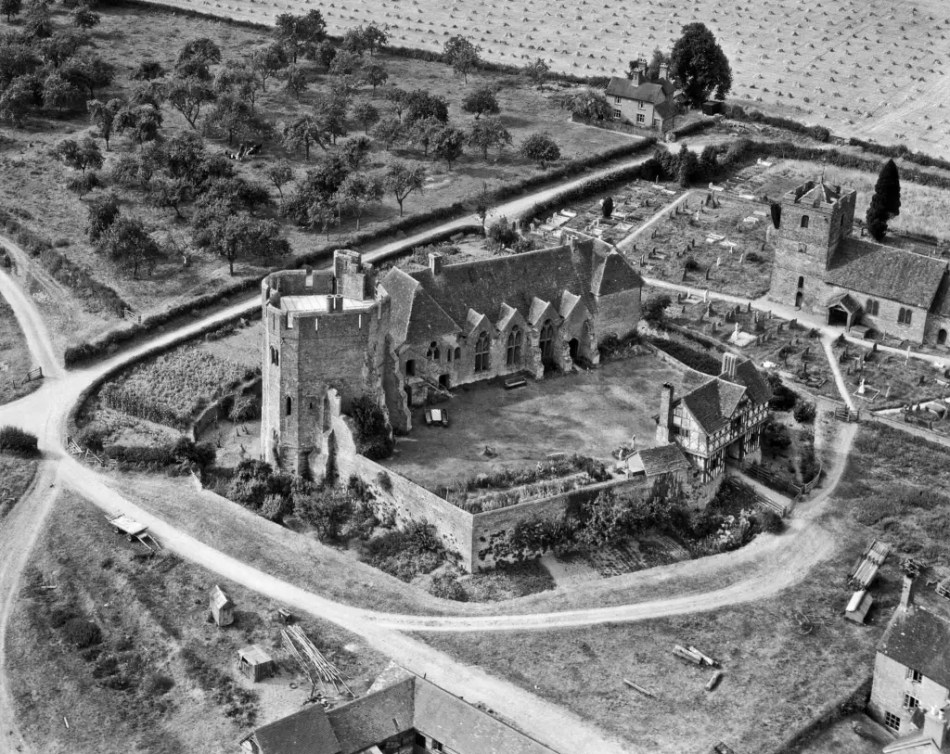
By the 13th century, fortified manor houses were also being constructed by wealthy families and nobles. Stokesay Castle was built by Lawrence of Ludlow, a successful wool merchant, as a fashionable home.
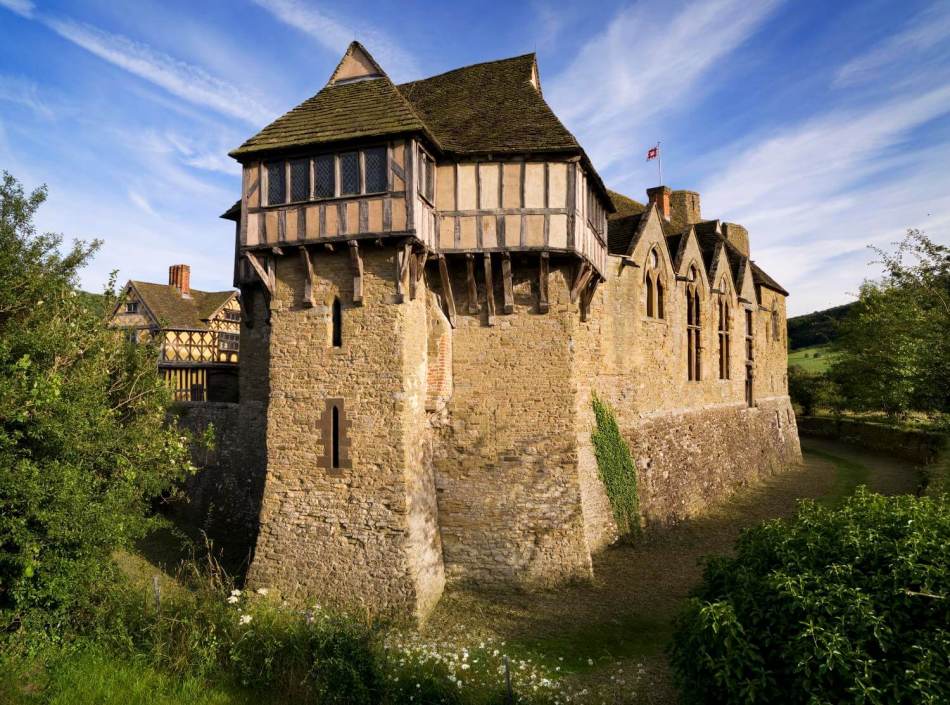
Despite being a castle, its design meant it would not have been able to withstand a strong military threat. Instead, the castle was used to display Laurence’s wealth and status.
Walmer Artillery Castle and Gardens, Kent
In the 16th century, artillery castles and smaller blockhouses with a few cannons began to be constructed using money raised from the Dissolution of the Monasteries following Henry VIII’s break with Rome.
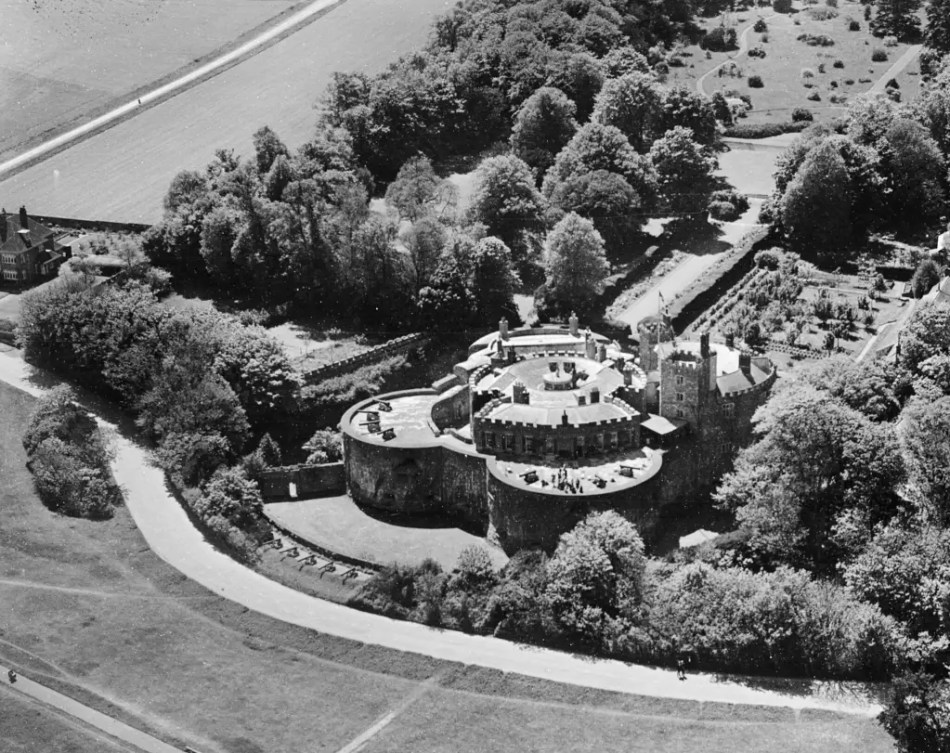
In response to the perceived threats of invasion from Europe, the first comprehensive defence plan for the country, known as The Device, created fortifications around much of the English coastline.
Henry VIII demanded that Walmer Castle be built in 1539 to form part of the defensive line.
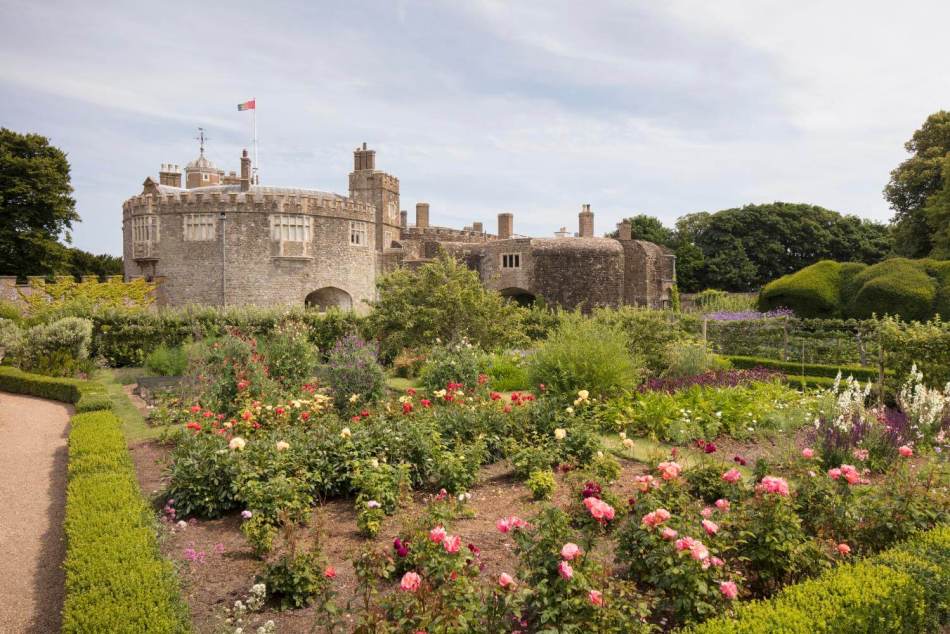
The castle never faced an invasion during Henry’s reign. However, it was seized by Parliamentarian forces during the English Civil Wars in the 17th century.
Cromwell’s Castle, Isle of Scilly
The English Civil War (1642 to 1651) saw skirmishes, battles and sieges of houses, castles, towns and cities across the country. It also saw the creation of many fortifications.
At first, the Royalists were successful, but radical reform of Parliament’s troops created the New Model Army, which eventually won a decisive victory. King Charles I was executed in 1649, and a Republic was instituted under Oliver Cromwell as Lord Protector.
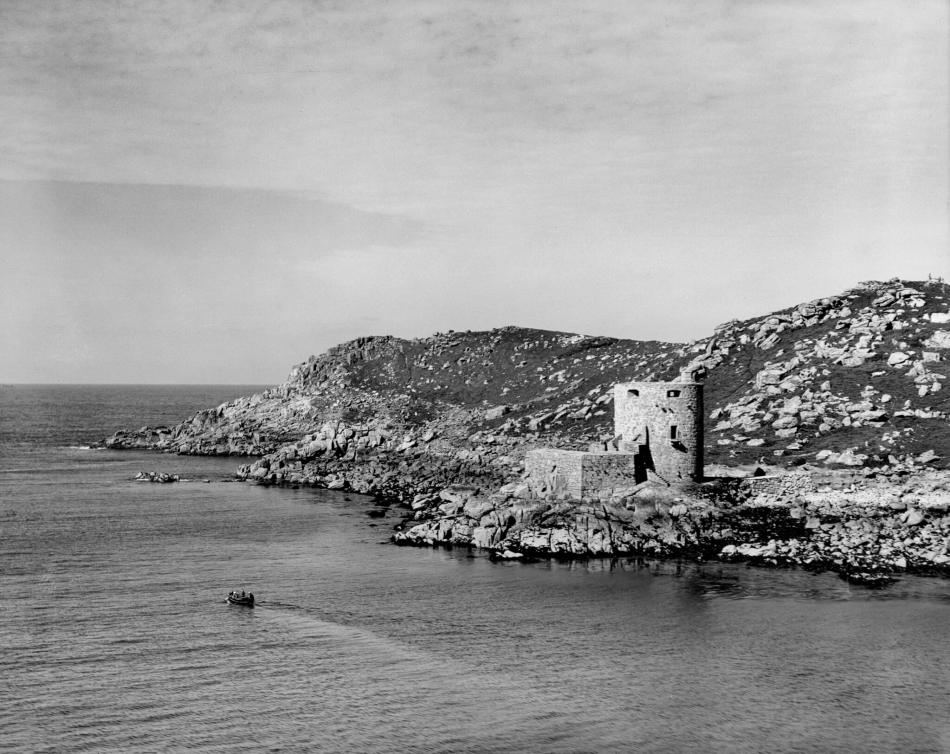
Perhaps the greatest weakness of the Royalists throughout the Civil Wars was the loss of the Navy, which had been loyal to Parliament from the outset. For overseas communications, transport and seaborne operations, the Royalists relied on privateers sailing out of smaller ports and anchorages, such as the Isles of Scilly.
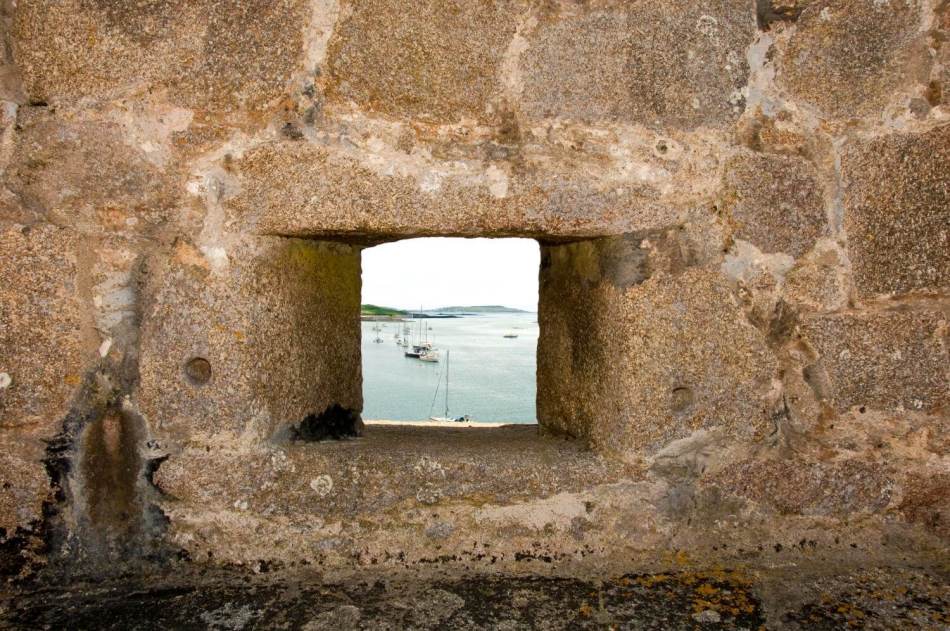
Cromwell’s Castle is a formidable artillery tower standing on a rock outcrop at the mouth of New Grimsby Harbour on Tresco. As a result of increasing tensions with the Dutch and Royalist privateers based on the islands, the fortification is thought to have been built in 1651 so Parliament could guard one of the main routes into the centre of the islands.
HMS Victory, Portsmouth, Hampshire
The French Revolution in 1789 and the subsequent Revolutionary and Napoleonic Wars between Britain with her allies and France brought conflict close to home.
Soon after becoming Emperor in 1803, Napoleon Bonaparte threatened to invade England. Defences, including a series of Martello towers, were built to protect the south-east of England.
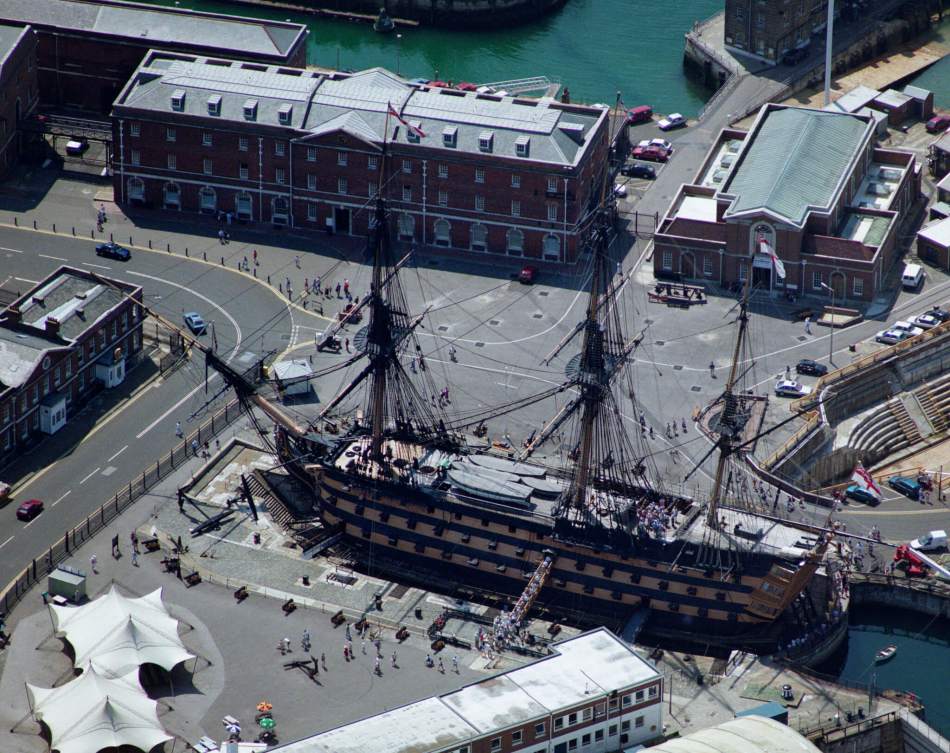
Shipbuilding was necessary to prepare the Navy for potential threats across the Channel. HMS Victory was launched in 1765 and had a long career, serving several admirals, most famously Horatio Nelson.
On 21 October 1805, HMS Victory led the British fleet to a decisive victory over the French and Spanish fleets off Cape Trafalgar.
National Projectile Factory, Hackney, Greater London
The First World War (1914 to 1918) was the first major industrial war in which Britain was involved, and although most of the fighting took place in Europe, much of the supporting infrastructure of the war was at home.
There was a huge increase in demand for all sorts of products, such as uniforms, boots, vehicles, ammunition and equipment. As artillery dominated the battlefields of the Western Front, the demand for shells escalated significantly.
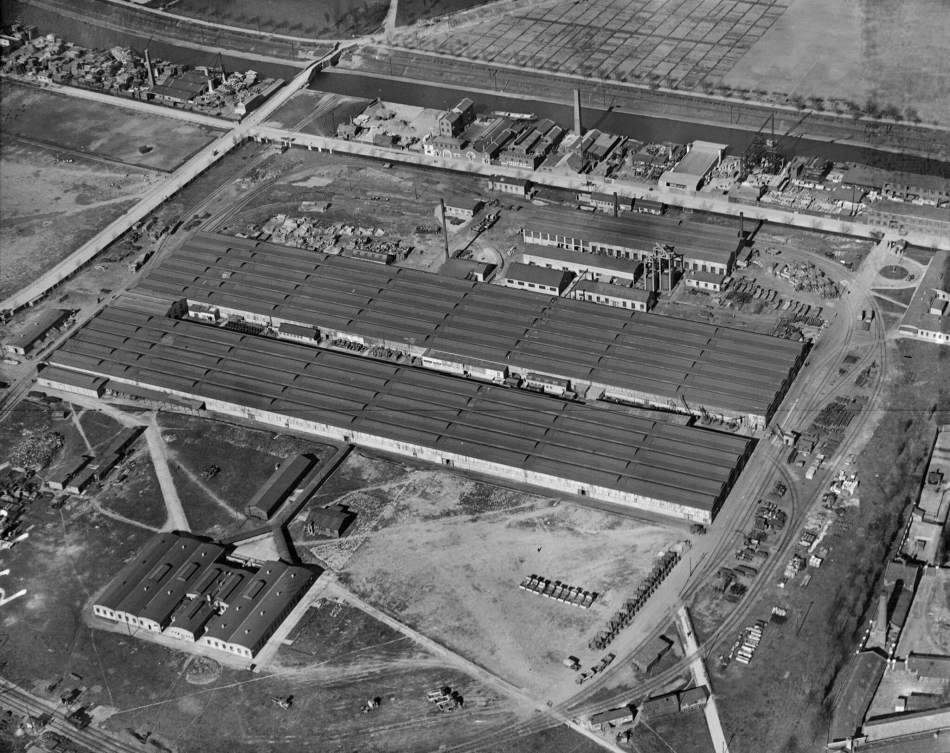
The National Projectile Factory on Hackney Marshes was built in 1915 and was managed for the Ministry of Munitions by Dick Kerr & Co Ltd.
From 1916, the factory produced high-explosive shells, employing over 3,000 men and 1,500 women.
The Air Forces Memorial, Runnymede, Surrey
Britain is home to a remarkable array of war memorials marking the large numbers of military personnel and civilians who lost their lives during the First and Second World Wars.
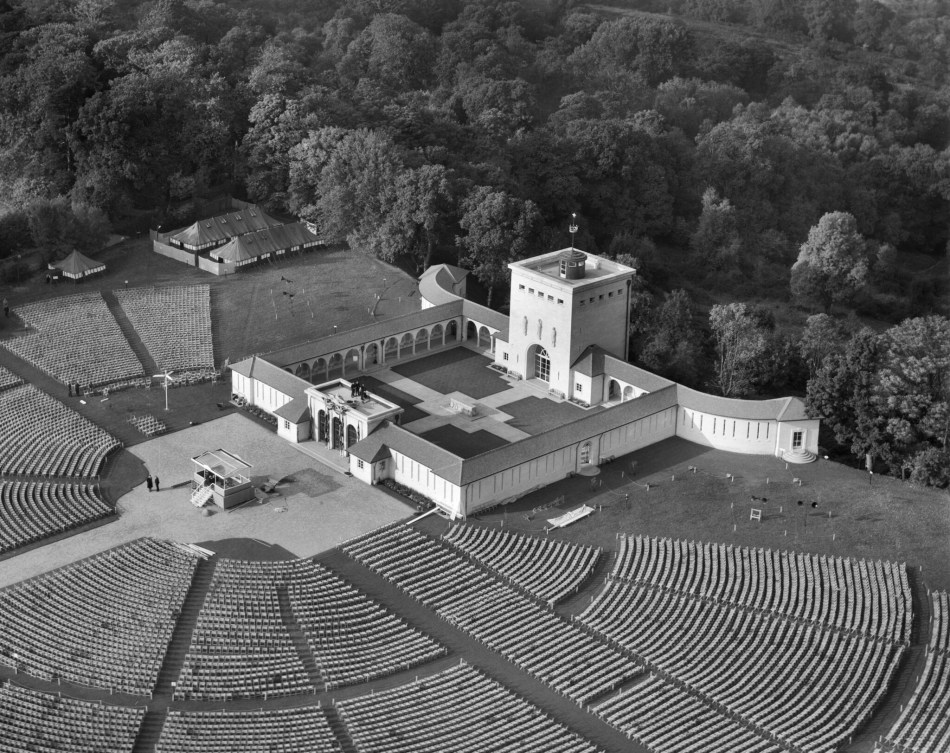
During the Second World War, the Allied air forces were often on the frontline and sustained heavy losses. Therefore, a new Air Forces Memorial was constructed at Runnymede with views over the site where the Magna Carta was sealed in 1215, recognising their role in securing Britain’s and Western Europe’s liberty.
The names of 20,456 personnel of the Allied Air Forces who lost their lives during the Second World War and have no known grave are inscribed on this monument.
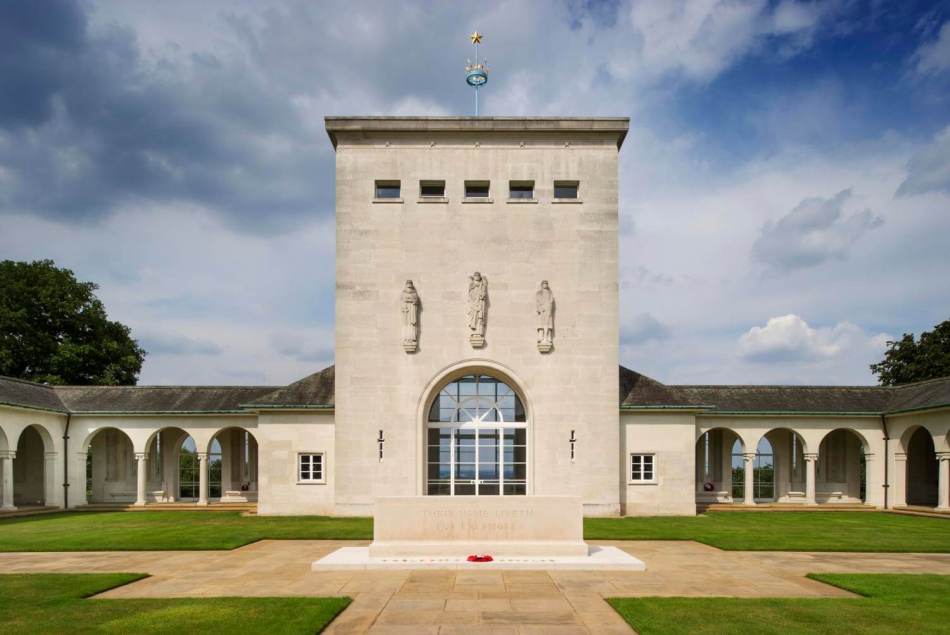
Constructed in the early 1950s, it was designed by Sir Edward Maufe (1882 to 1974), principal architect for the Imperial War Graves Commission, who was knighted the year after its completion.
About the authors
Allan Brodie is an architectural historian and historian who has researched everything from Roman forts to 20th century airports. His main interests are the history of tourism, prisons and law courts, and medieval architecture and sculpture.
Mark Bowden is a landscape archaeologist with a special interest in hillforts and castles and has published widely on these and related topics. He has also undertaken research in naval history.
Further reading