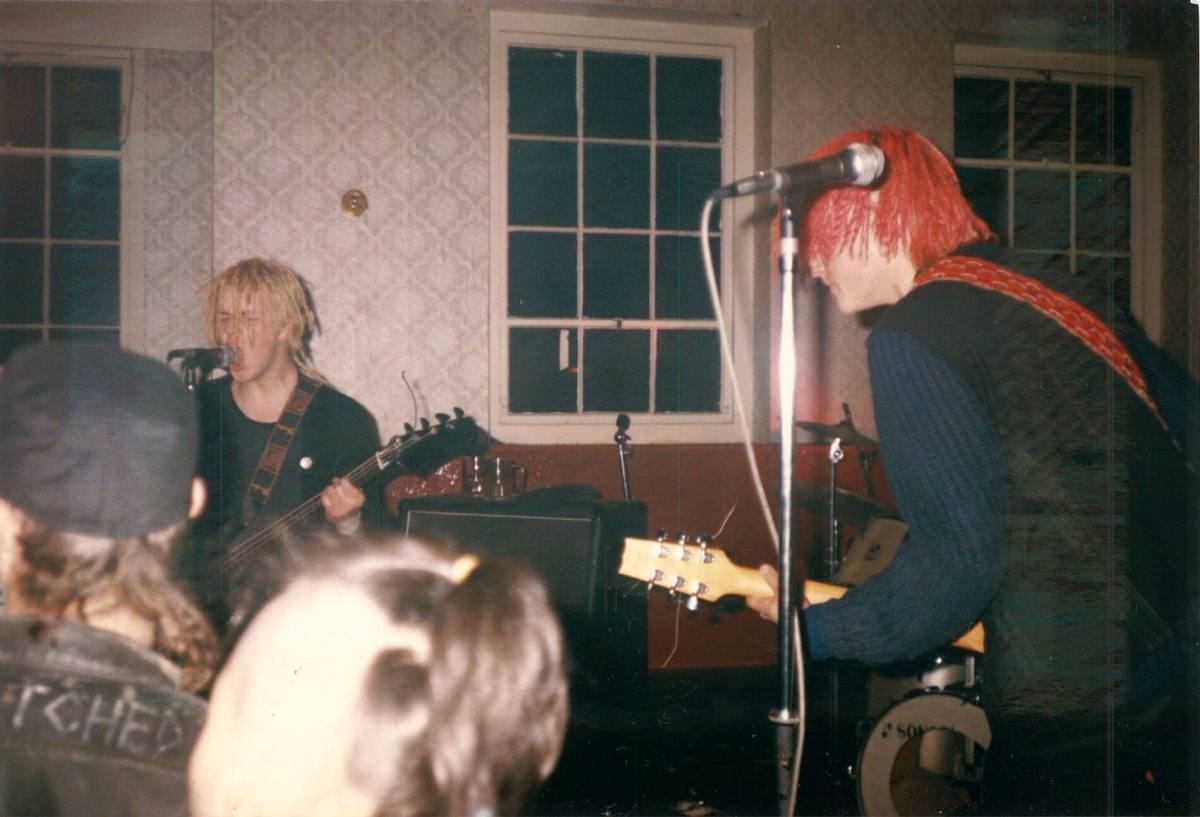
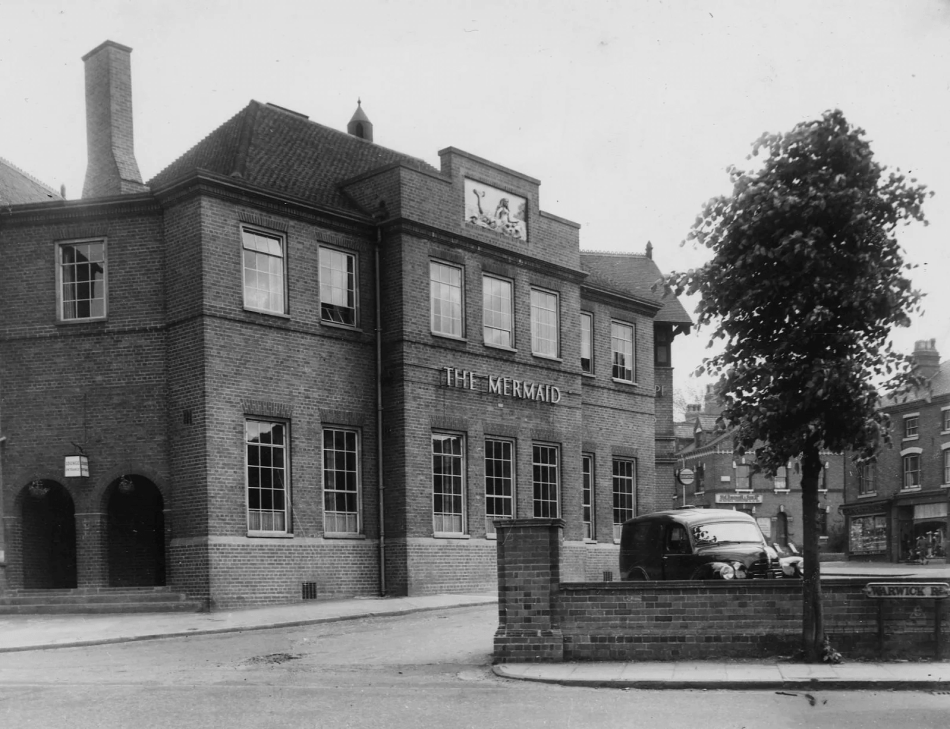
The Mermaid was a large, dilapidated pub in Sparkhill, a working-class neighbourhood 3 miles south of Birmingham city centre.
A microcosm of Birmingham, Sparkhill has been shaped by Irish and South Asian immigration and was where pub landlords welcomed teenagers to play weirdo music in the upstairs room.
Sparkhill’s a very working-class area. It seemed like a bit of a natural home for us. Being punks, we weren’t welcome pretty much anywhere.
Matthew Knight, Mermaid regular
Grindcore at the Mermaid
The Mermaid’s live music scene in the 1980s was typified by anarcho-punk, hippies, and animal rights activism – not very heavy metal at first glance!
But the Mermaid was vital to the early days of the band Napalm Death and the creation of a new metal subgenre: Grindcore.
This metal-punk crossover Grindcore was steeped in a do-it-yourself (DIY) culture, typified by fanzines, hand-drawn leaflets, and bootleg cassettes.
The Mermaid appeared on dozens of these leaflets and zines, advertising all-day shows for free or as little as £1.
I think it was just very, very different to what people were used to who were from either like white working-class Irish backgrounds or white working class English or the Asian population. And they all just thought we were a bunch of freaks and didn’t know where we’d come from or what we were doing there.
Julie Barton, Mermaid regular
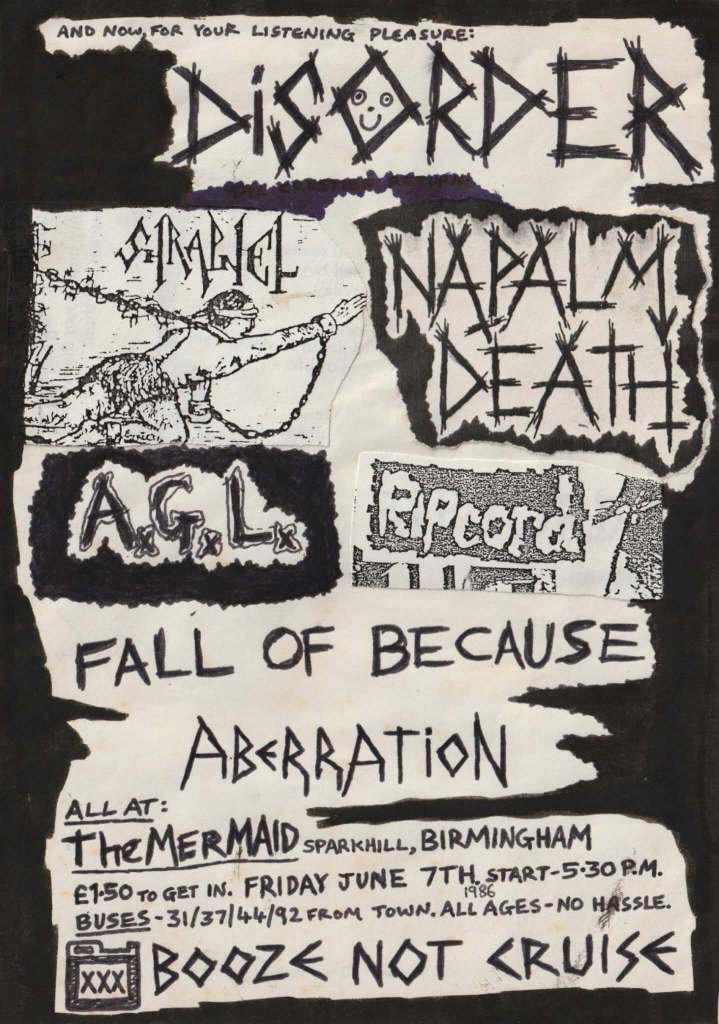
There was a lack of live music culture in Birmingham in the 1980s, and there weren’t many places where a band could reliably get regular gigs, develop its sound, experiment, and build a reputation. The Mermaid was a vital space for the underground music scene.
The Mermaid’s live music scene was characterised by a vibrant community of people who lived and breathed the politics of the anarcho-punk movement against the backdrop of Thatcherism, the miners’ strikes and the Cold War.
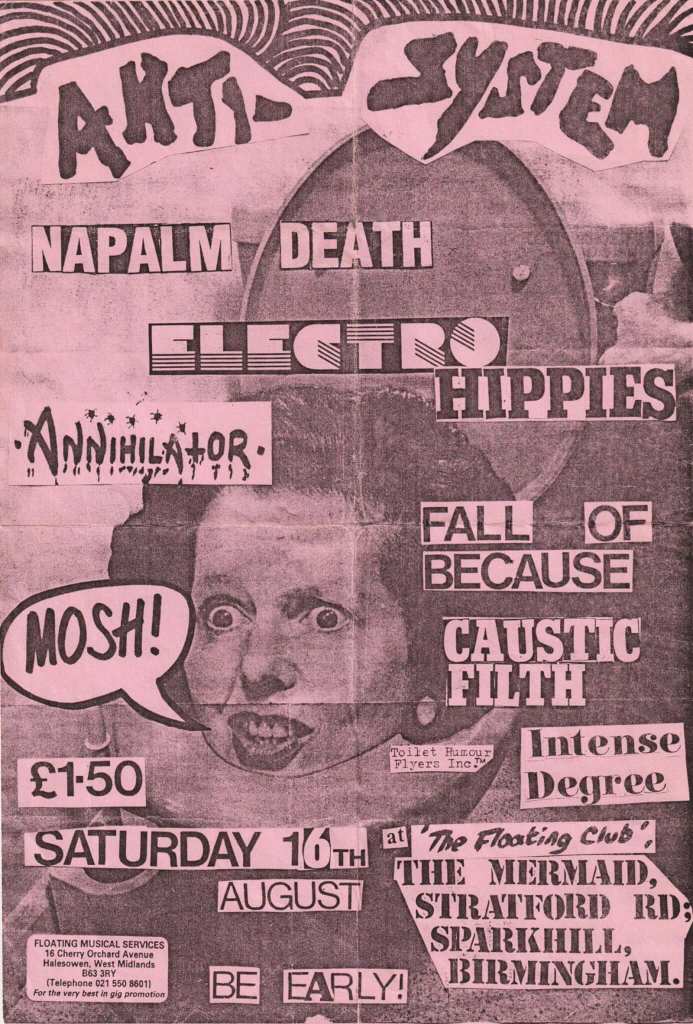
Regulars to the Mermaid speak of the impressive range of underground music showcased at the pub. Indie bands like Primal Scream, post-punk bands Au Pairs and World Domination Enterprises, experimental rock band Swans, early gigs for Chumbawumba, and even reggae and free festival dance music.
However, only Napalm Death could claim the ‘house band’ status at the Mermaid.
We did so many concerts there, sometimes 3 a week, that they were almost another level of rehearsal. So we became tighter and tighter and because we were doing something that very few groups were approaching at the time, that had extra power as well.
Nicholas Bullen, founding member of Napalm Death
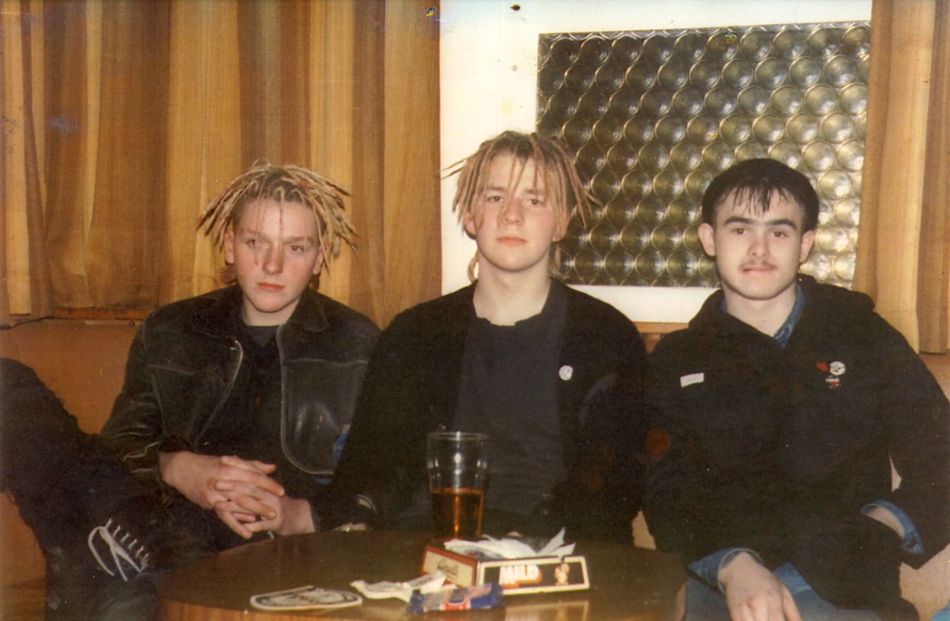
The impact of this short-lived scene in the 1980s is still profoundly felt. People had found lifelong friends, and the music continued to send sonic shockwaves worldwide.
Today, Grindcore is a worldwide phenomenon. Napalm Death continue to be one of the biggest and most influential punk/metal bands of all time.
This was the magic. This was literally kids doing it for themselves. This was the real DIY. This was the real punk rock.
Justin Broadrick, member of Napalm Death and Godflesh
Birmingham: Home of Metal
Midlands-based music heritage project ‘Home of Metal‘ celebrates the music born from Birmingham’s metal-bashing industries: heavy metal.
Just as Manchester and Liverpool proudly celebrate their music history, Birmingham is beginning to own its metal heritage.
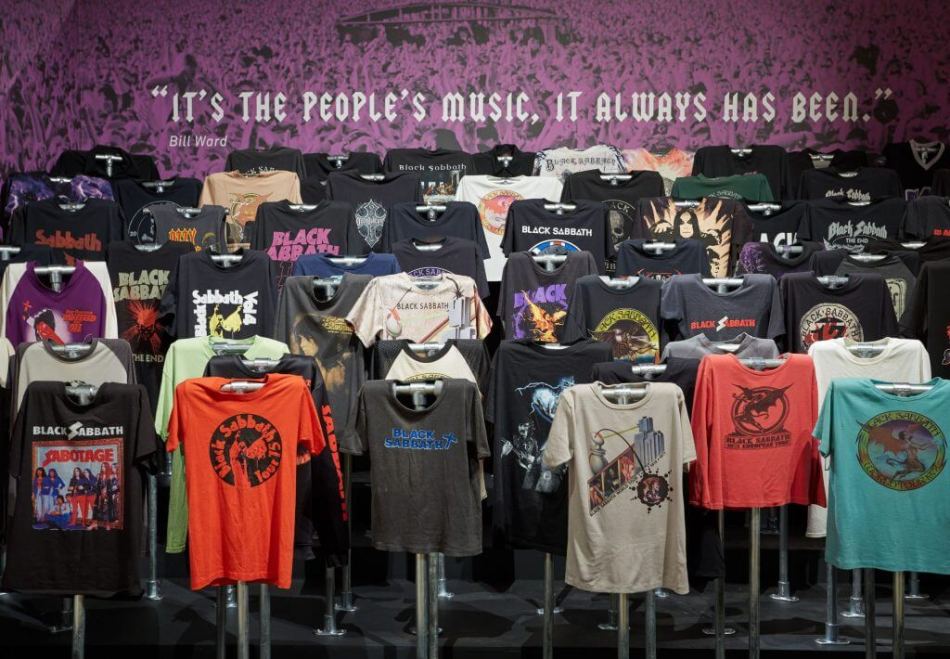
Home of Metal’s first major exhibition in 2011 showcased important touchstones in local metal history, such as Black Sabbath and Judas Priest, just some of the bands that carved out what has come to typify the sound of heavy metal.
In 2019, the exhibition ‘Black Sabbath – 50 Years’ at Birmingham Museum & Art Gallery celebrated Black Sabbath from their fans’ perspective to show the band’s impact and cultural legacy.
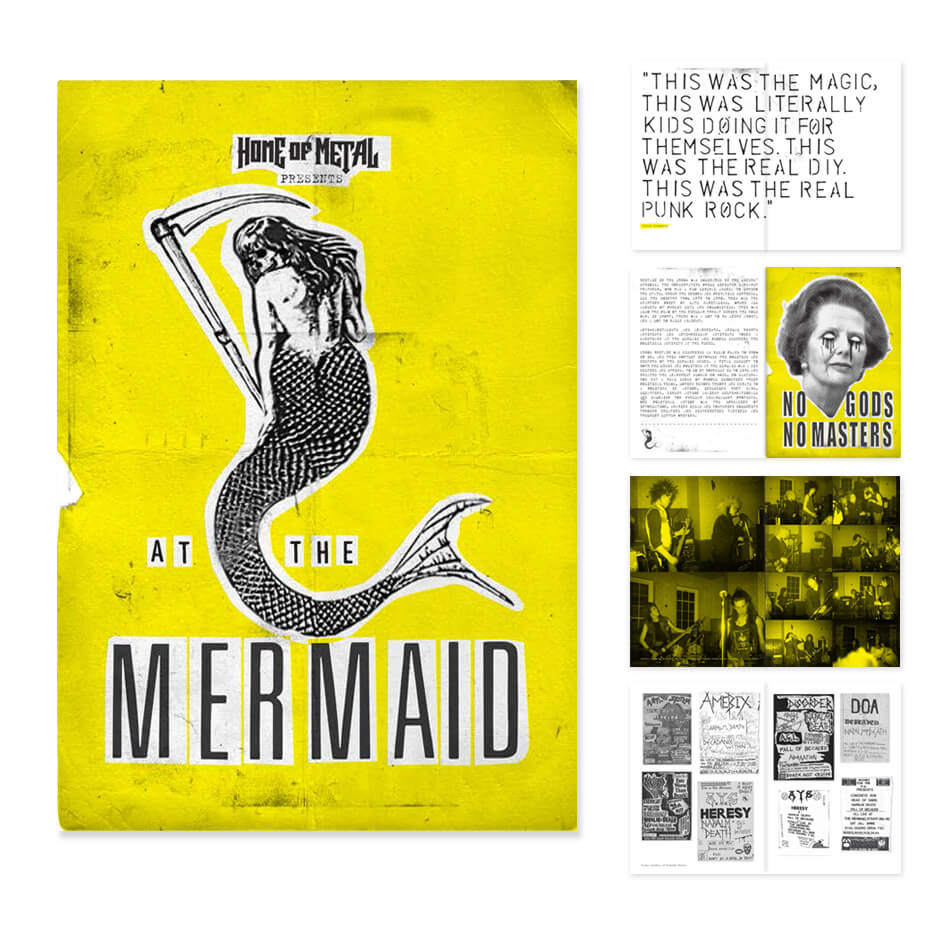
In 2023, Historic England funded Home of Metal to work with people who were part of the Mermaid scene in the 1980s as part of the Everyday Heritage grant programme, celebrating working-class histories.
The project gathered stories, ephemera, and memories from fans, musicians, and promoters to create a 4-part podcast and a zine publication.
This spirit of collaboration was important for the project, where a sense of community was strong.
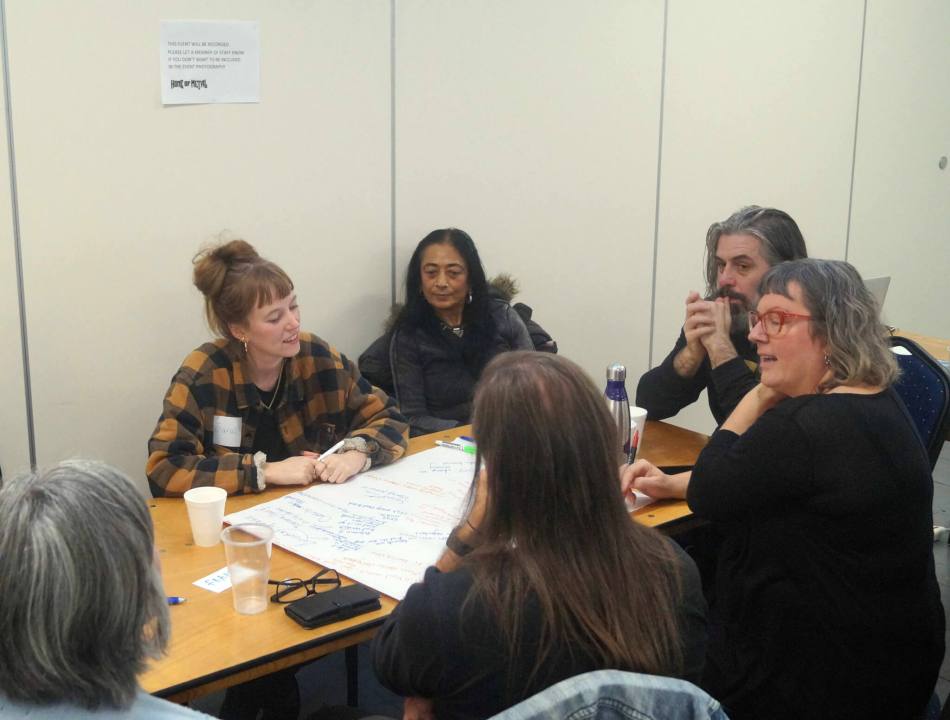
An open event brought people together in panel and round-table discussions to pull out themes and questions important to those who remembered the Mermaid, some of whom hadn’t seen each other for many years.
Because if you were a fan of this music, you had to be at the Mermaid.
Written by Sarah Lafford, Lead Researcher at Home of Metal
Further reading