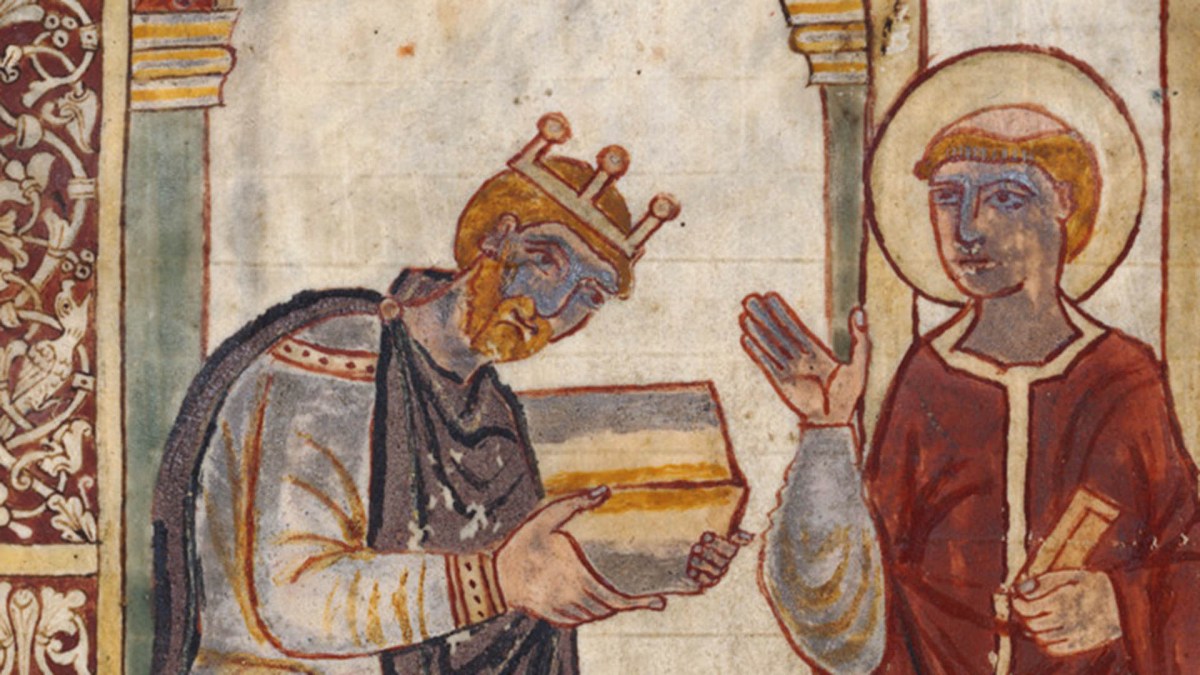
Many monarchs have been crowned King or Queen of England over the centuries. But who is regarded as the very first King of England?
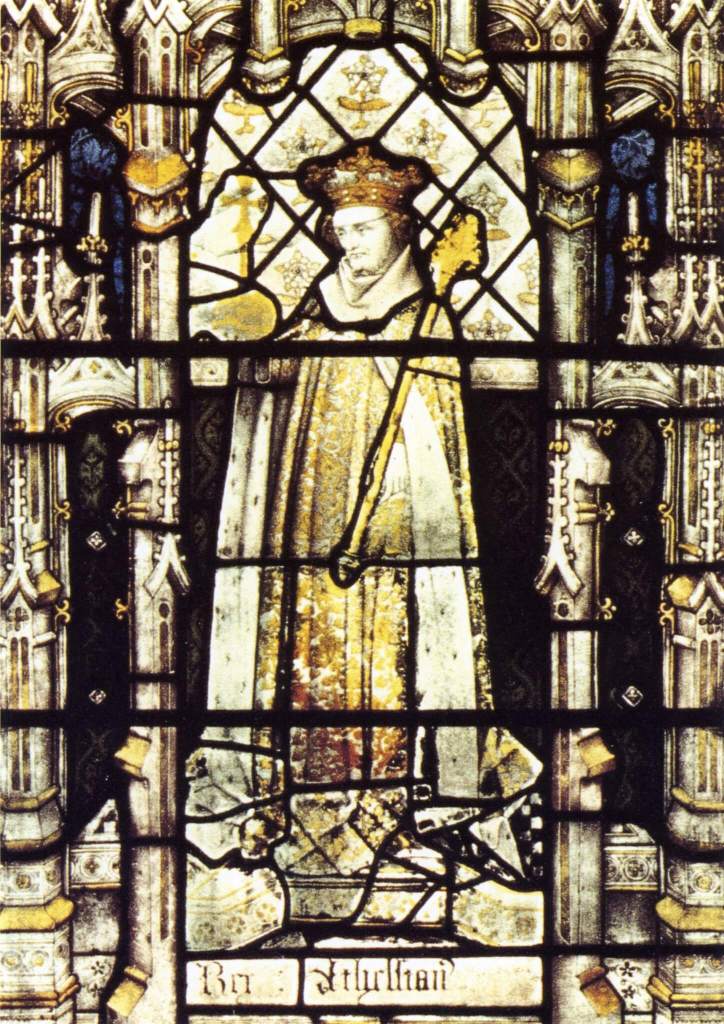
King Athelstan (reigned AD 924 to 939)
Athelstan (or Æthelstan) is considered by many as the first king to rule over the whole of England.
Born around AD 895, he was the grandson of Alfred the Great and the son of Edward the Elder and Ecgwynn.
The monk and 12th century historian William of Malmesbury wrote that from a young age, Athelstan was favoured by Alfred the Great. He was honoured with a ceremony where he was presented with a cloak and a sword with a golden scabbard.
Some historians have suggested that this could have been a political symbol from Alfred, acknowledging Athelstan as his favoured future heir.
Before the Viking invasions, Anglo-Saxon England was divided into a changing number of kingdoms of varying size and importance. This had developed during Alfred the Great’s reign, so he ruled over some of them (including Wessex, West Mercia and Kent), while the Vikings controlled the north, the east midlands and the east, later known as ‘the Danelaw’.
Athelstan likely lived with his aunt, Aethelflaed, in the Kingdom of Mercia in his youth, where he received a princely education and military training.
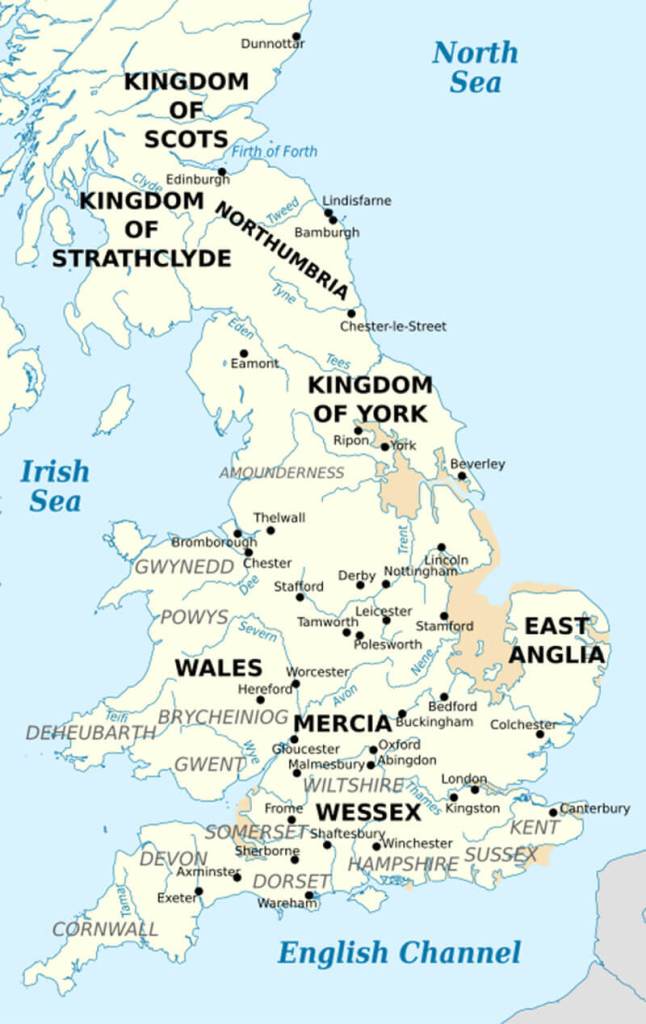
Following the death of Edward the Elder in AD 924, the Kingdom of the Anglo-Saxons was split between Athelstan and his brother, Alfweard. Athelstan became the King of Mercia, while Alfweard briefly became King of Wessex but died a few weeks after his father.
It was not unusual at the time for siblings to rule over different Anglo-Saxon kingdoms in order for the governing family to maintain control over large areas of land.
Consequently, Athelstan then inherited the title of King of Wessex and united the 2 areas again to make the Kingdom of the Anglo-Saxons.
Where was the first King of England crowned?
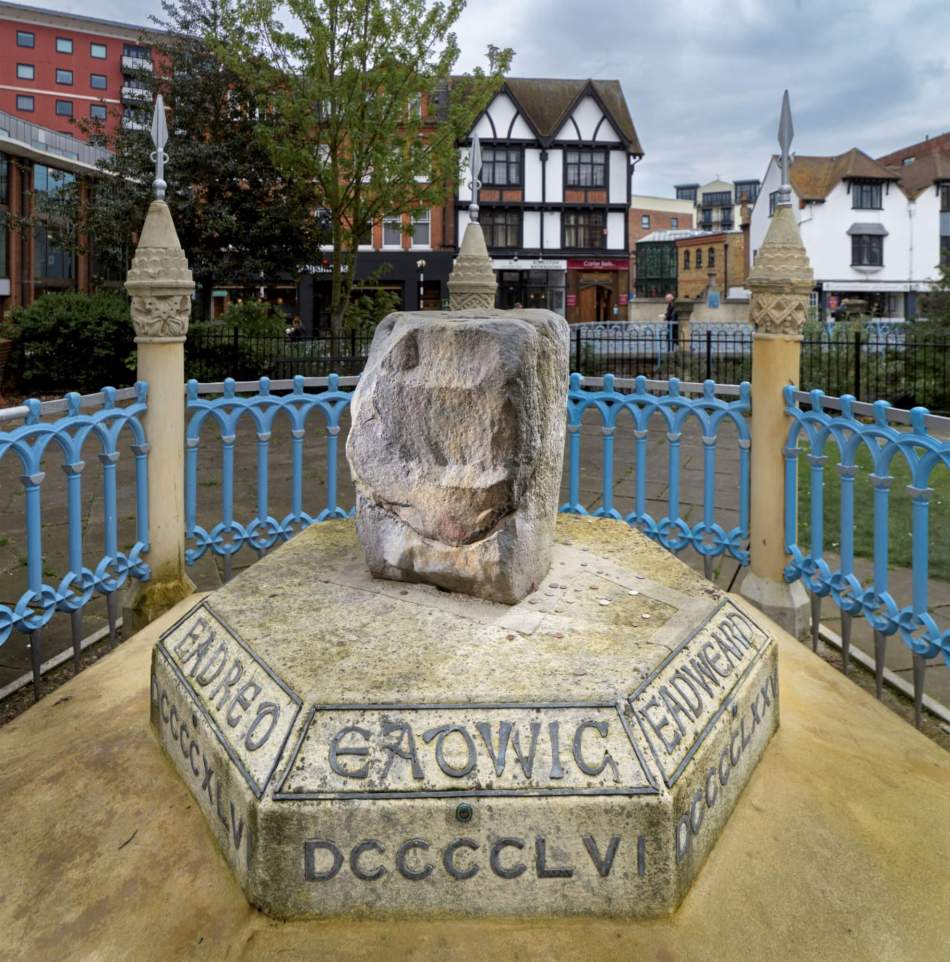
Athelstan’s coronation took place in Kingston upon Thames on 4 September AD 925. Some have suggested that this location was strategically selected as it was close to the border of the kingdoms of Wessex and Mercia.
He is said to have been the first king to wear a crown, rather than a helmet, for his coronation.
The Coronation Stone (or King’s Stone) still standing in Kingston upon Thames is an ancient sarsen stone said to have been used for the coronation of 7 Anglo-Saxon kings in the 10th century. Local legend says that Athelstan and other kings were seated upon a stone within a timber church during the ceremony.
How did Athelstan become King of England?
Athelstan was a strong military leader. Following his succession to the Kingdoms of Wessex and Mercia, he worked quickly to unite all the areas of England.
In AD 927, Athelstan quashed a rebellion in Cornwall, took control of York from the Danes, and seized most of Northumbria. He secured annual payments from the 5 Welsh kings, and the King of Scotland, Constantine II, was forced to swear his allegiance.
In AD 937, Athelstan faced invasion from the forces of Olaf Guthfrithson, King of Dublin, Constantine II, and Owain, King of Strathclyde. This resulted in the Battle of Brunanburh in the north of England, where Athelstan’s troops overwhelmed the opposition and secured his position as King of England.
What was Athelstan like as a King?
Sources on Athelstan’s life and reign are limited. The 12th century historian William of Malmesbury provides a lot of information about Athelstan. However, some modern historians are wary of trusting his accounts fully as many of his original sources may have been lost or cannot be verified.
During his reign, Athelstan’s codes of law (a collection of statutes) were built on the ones his grandfather, Alfred the Great, had established. He worked to implement them across his large kingdom to demonstrate his authority as king, insisting that local officials follow the law.
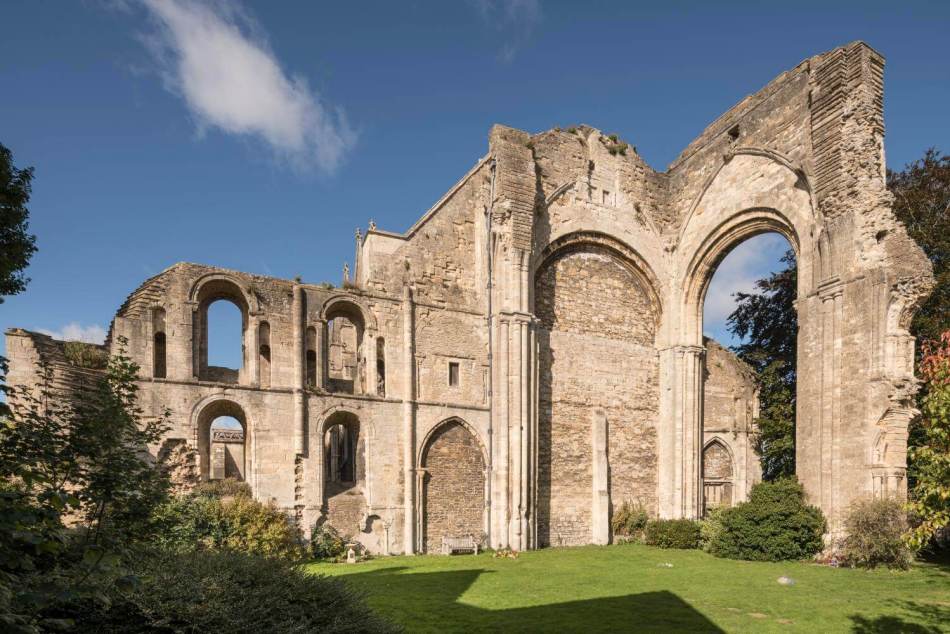
Athelstan was keen to reduce robberies in local areas and wanted to have the death penalty more strictly applied. However, he changed the law to raise the minimum age and increase the value of goods that had to be stolen for this to be applied (from 12 years old and over 8 pennies in value to 15 years old and 12 pennies worth).
Athelstan advocated the establishment of burhs (an Anglo-Saxon fortification) where trade could be centred, encouraging the buying and selling of goods in local areas and establishing what later would become market towns.
He issued guidelines for the minting of coinage across the different areas of his kingdom, and strict penalties were given for anyone defrauding the Crown. His coinage from AD 933 to 938 shows the first Anglo-Saxon king wearing a crown.
Athelstan also stamped his coins and charters with ‘Rex Totius Britanniae’, asserting himself as the ‘King of Britons’.
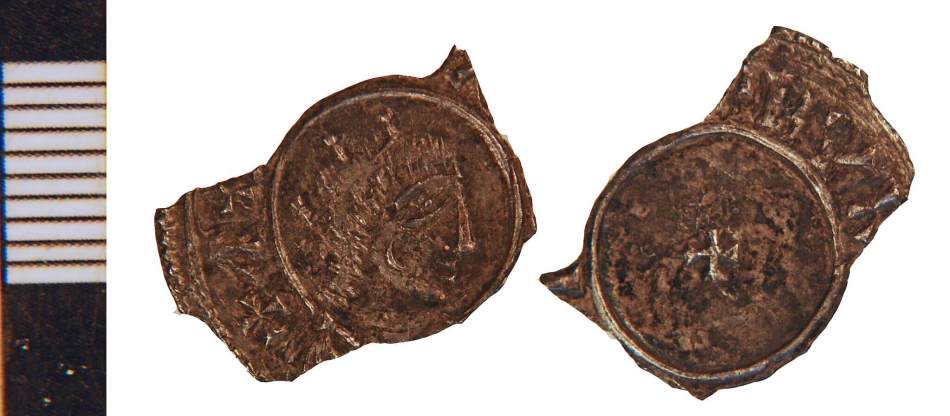
Athelstan gained strategic foreign alliances throughout his reign by marrying several of his half-sisters to different European rulers.
As well as being an experienced soldier, Athelstan was a pious man who founded numerous churches and bestowed land, relics and holy books to religious bodies. He also issued the translation of the Bible into Anglo-Saxon and championed ecclesiastical scholarship.
Where was Athelstan buried?
After 14 years of rule, Athelstan died on 27 October 939 in Gloucester. As per his instructions for his funeral, his body was then moved to Malmesbury to be buried.
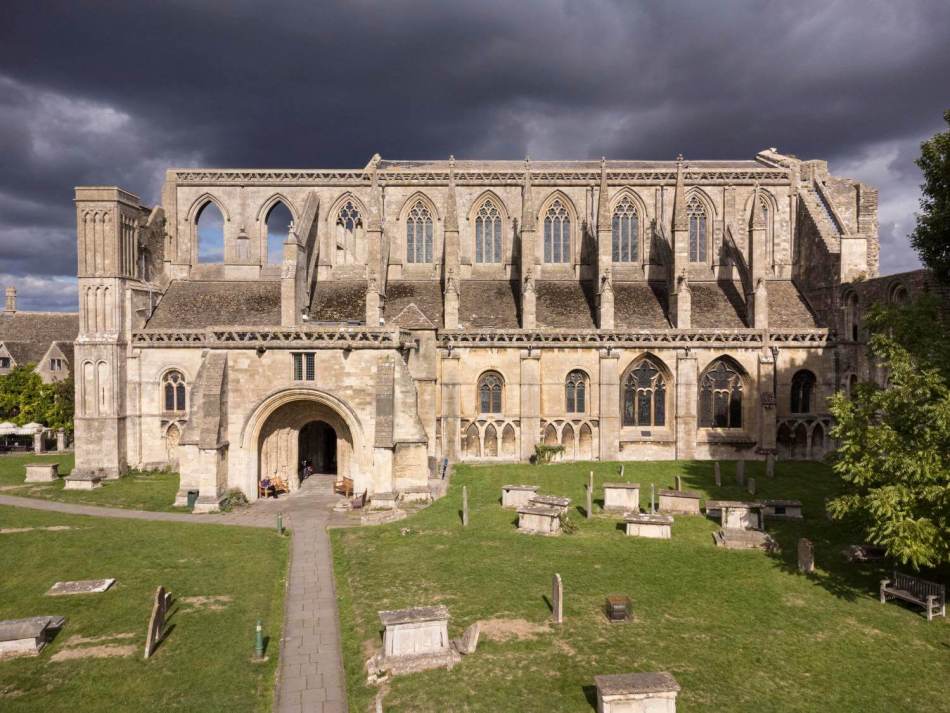
William of Malmesbury believed that Athelstan selected Malmesbury as his final resting place due to his piety and devotion to Saint Aldhelm, his distant relative and the Abbot of Malmesbury Abbey in the 7th century.
Athelstan may have also selected the town because it was on the border of Wessex and Mercia, making this a political statement that he was king of the West Saxons, the Mercians, and all of England.
Where exactly Athelstan is buried in Malmesbury is a mystery. He was buried in the abbey grounds, but 200 years later, his body was disturbed when the abbey church was rebuilt.
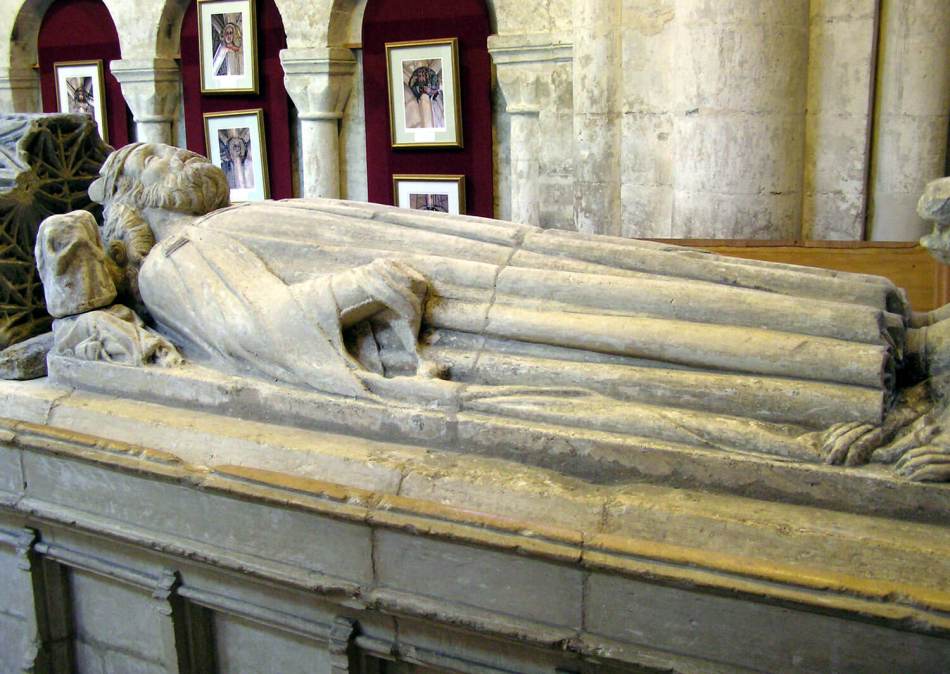
William of Malmesbury witnessed the removal of Athelstan’s body at the time. He noted that “the king was not above the average height, slim in build with fair hair as I have seen for myself in his remains, beautifully intertwined with golden threads”.
During the abbey’s rebuilding, the details of where the king’s remains were reburied were lost. The tomb we see today in the abbey dates back to the late 14th or 15th century.
Athelstan never married or had any known heirs, so he was succeeded by his half-brother, Edmund I.
Further reading