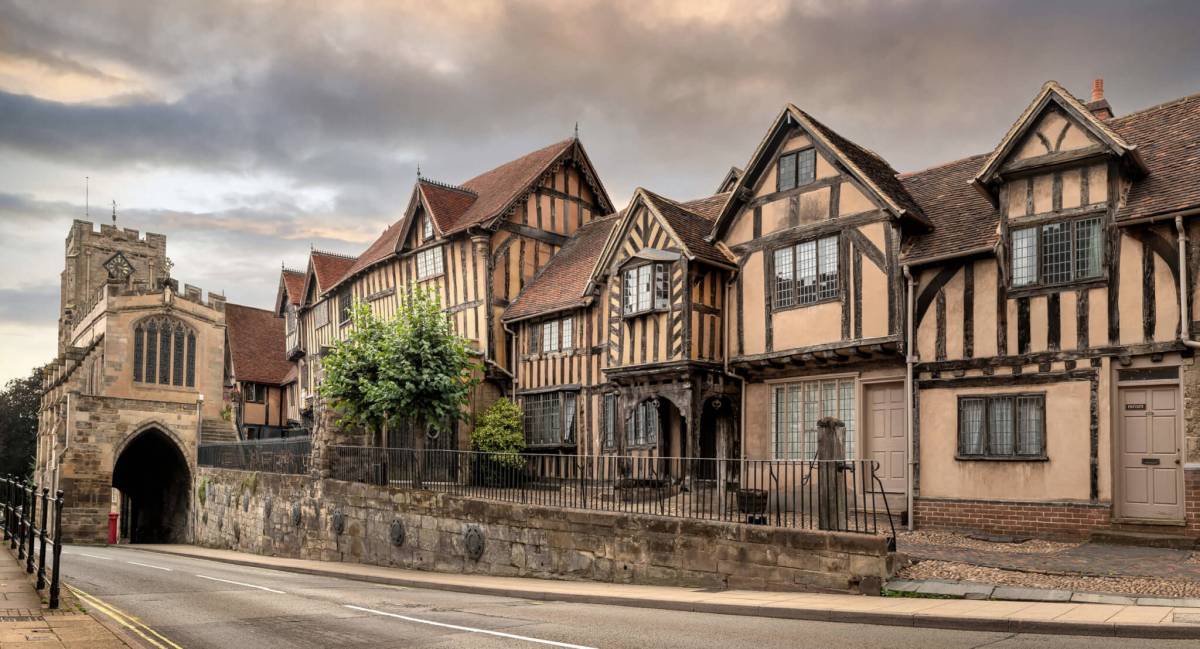
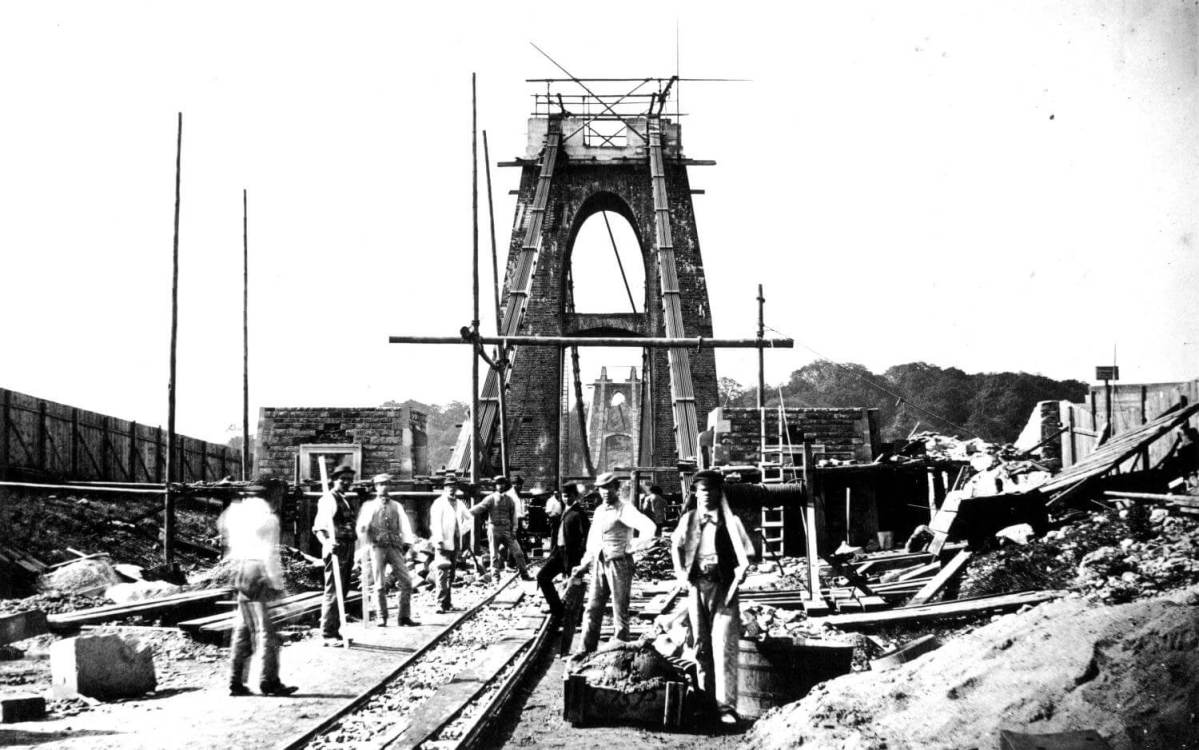
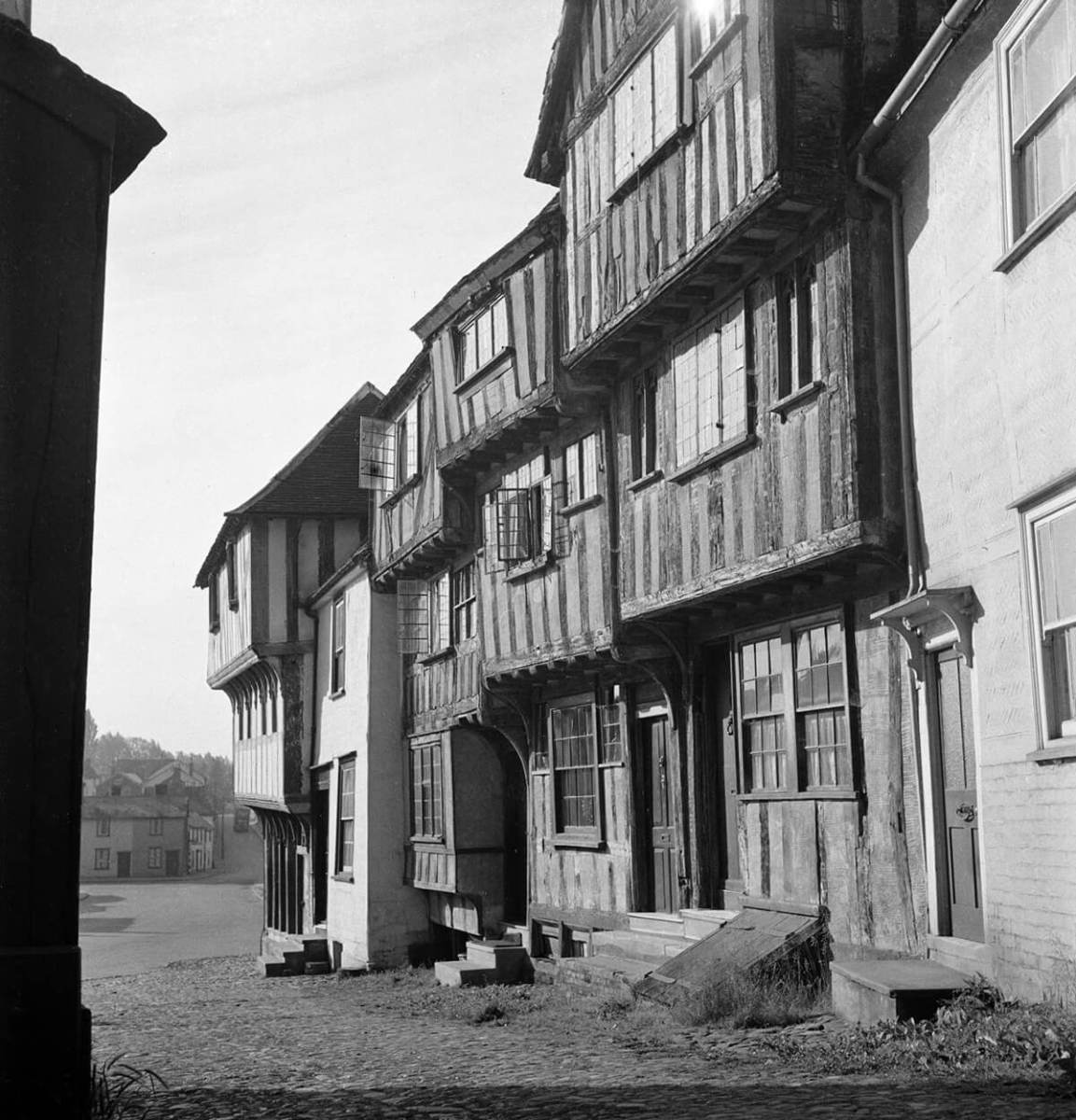
The term ‘high street’ has been used for centuries and seems to have been first used in the 12th century, when ‘high’ signalled superior rank or importance. Today, there are over 6,000 high streets in England. From ancient beginnings, they have been the backdrop of communities and, to reflect the changing needs of consumers, their…
Month: December 2025
The History of England’s Village Greens
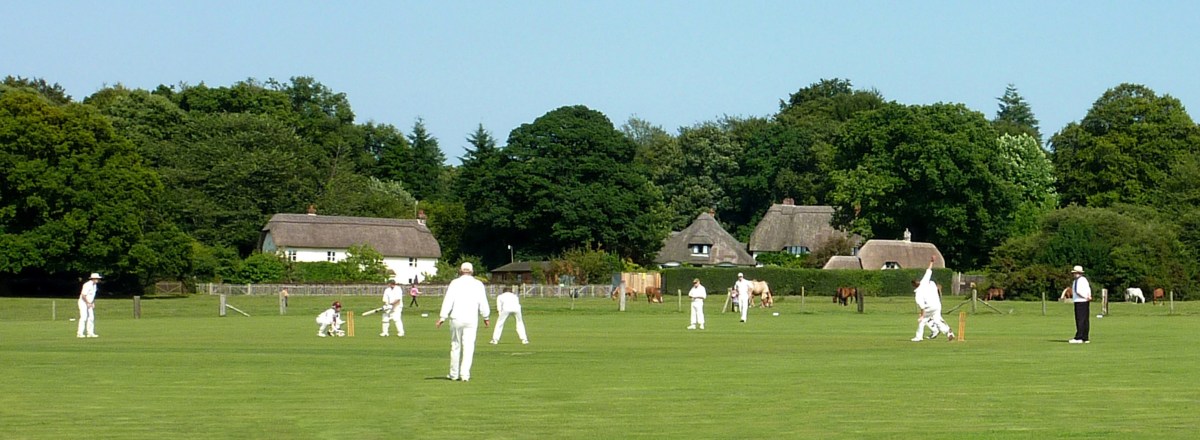
The idea of a quintessential village green is a neat grassy area, probably surrounded by old cottages, where fetes and village activities take place. A duck pond, a pub, and an ancient church might be nearby. A war memorial and benches under trees where people can watch the world go by. Boys fishing in the…
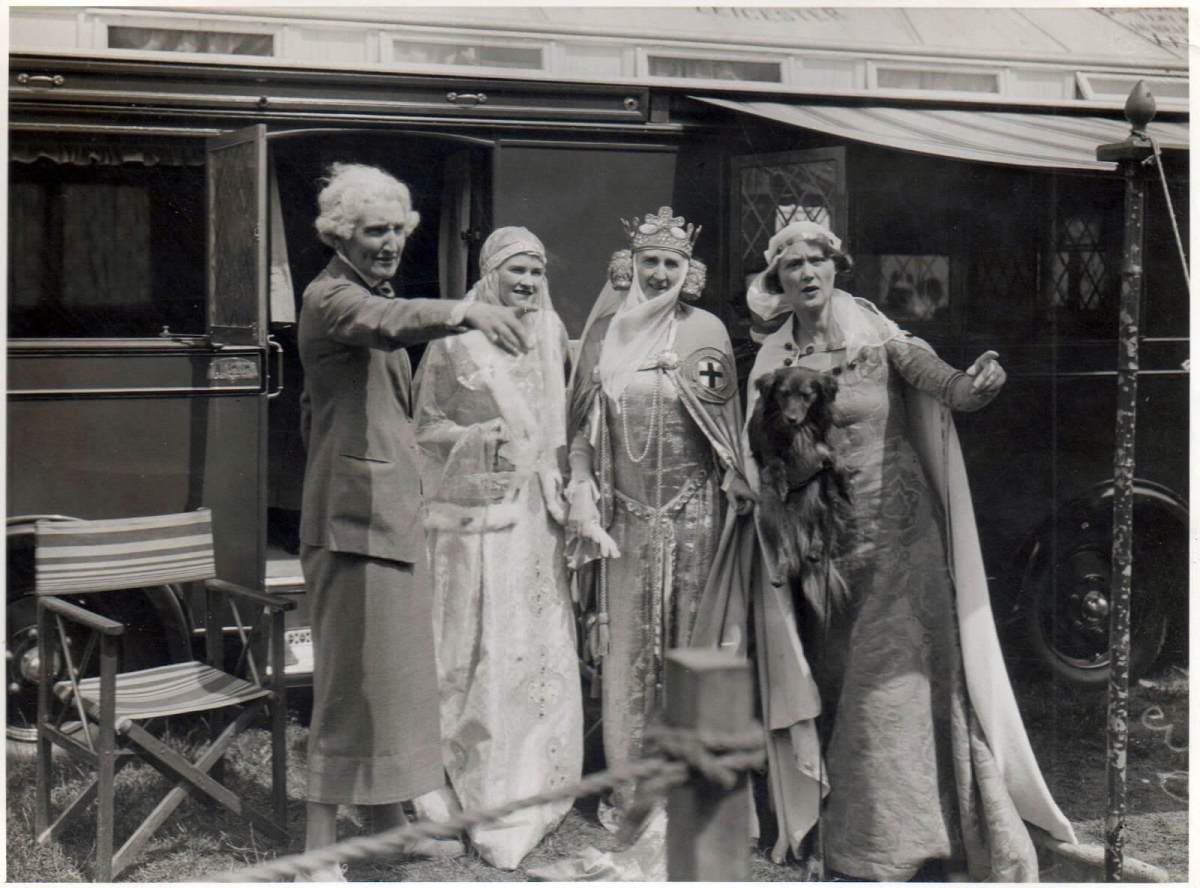
Meet Gwen Lally, the World’s Pageant Master – The Historic England Blog
Inter-war Britain was obsessed with historical pageants: mammoth theatrical events featuring historical re-enactments. Many of the most successful were helmed by Gwen Lally, the ‘world’s pageant master,’ whose unorthodox gender presentation and meticulous work set her head and shoulders above the rest. A ‘pageant master’ is a person who oversees the production of an entertainment…
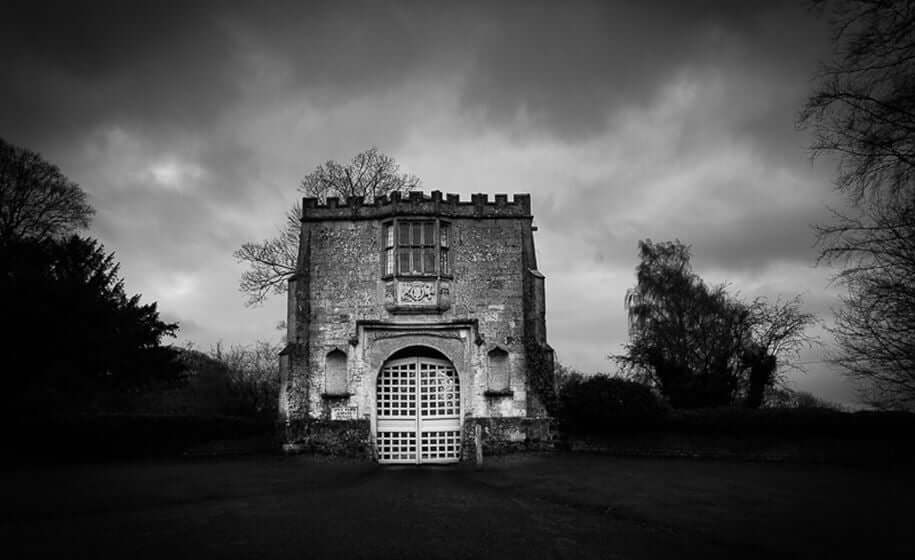
7 Places Connected to Witchcraft in England
During the 16th and 17th centuries, a widespread belief in witches permeated all levels of English society. Witchcraft was initially deemed a capital offence in 1542 during the reign of Henry VIII, only to be repealed 5 years later. Witch fever reached new heights when witchcraft was again classed as a felony in 1563 under…
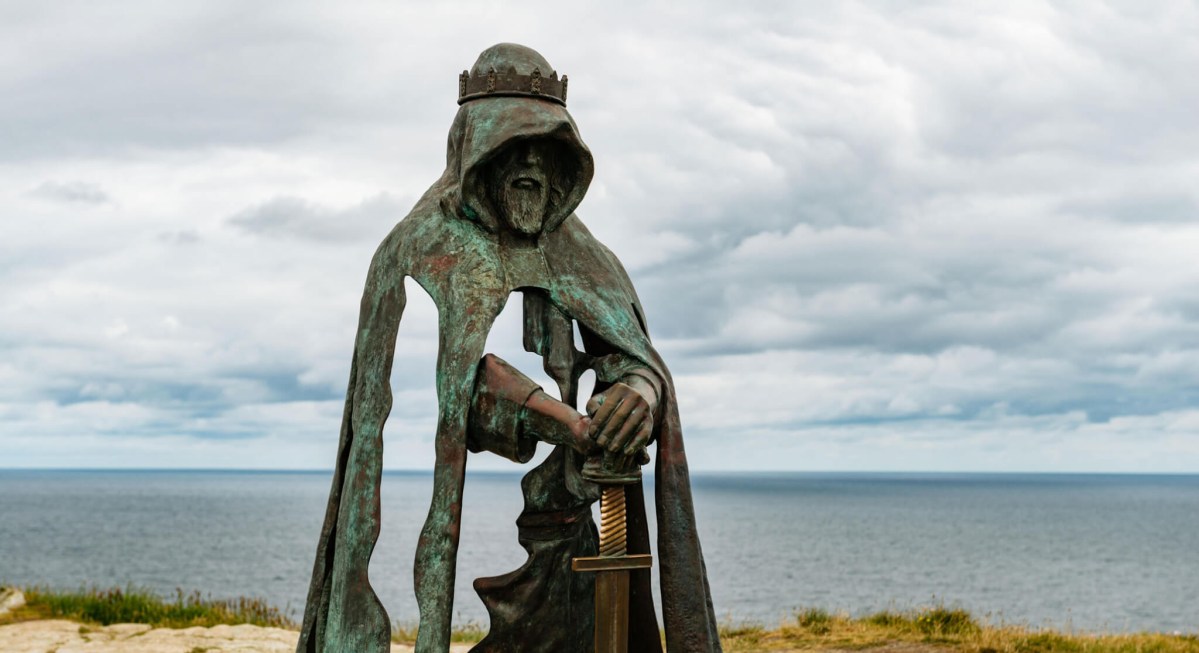
The Legend of King Arthur
What does the name ‘King Arthur’ bring to mind for you? Chivalric tales of knights of the Round Table and their ladies? Maybe a Romano-British general beating off Saxon invaders from the continent? Or perhaps a ‘Celtic’ resistance leader? The story of King Arthur has fascinated people for hundreds of years, particularly after medieval versions…
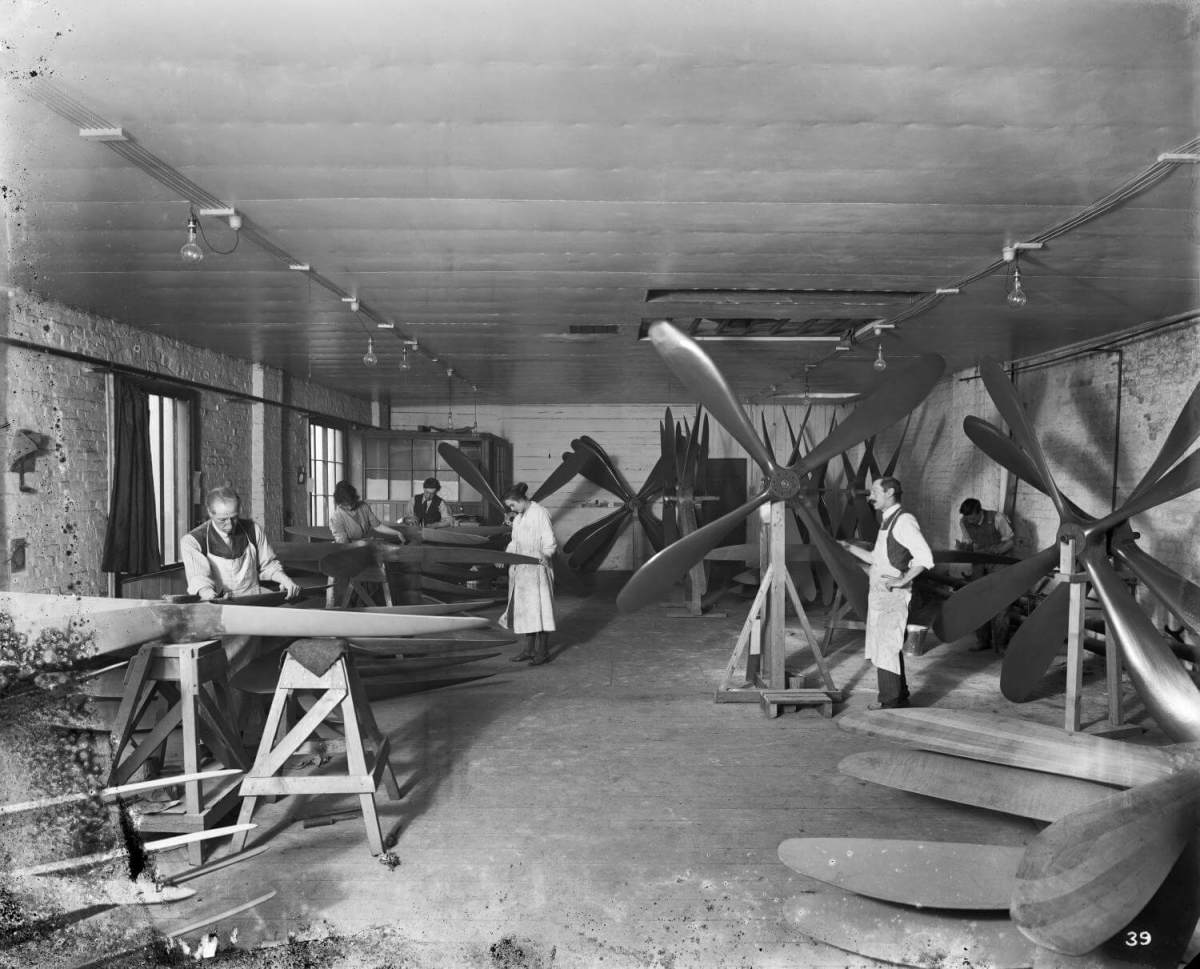
Life on the home front in the First World War
The First World War profoundly impacted life in England from 1914 to 1918, reshaping the home front in countless ways. Life on the home front Food shortages and rationing became the norm, and women took on roles traditionally held by men, becoming engineers and working in factories, farms, and offices. Cities and towns faced air…
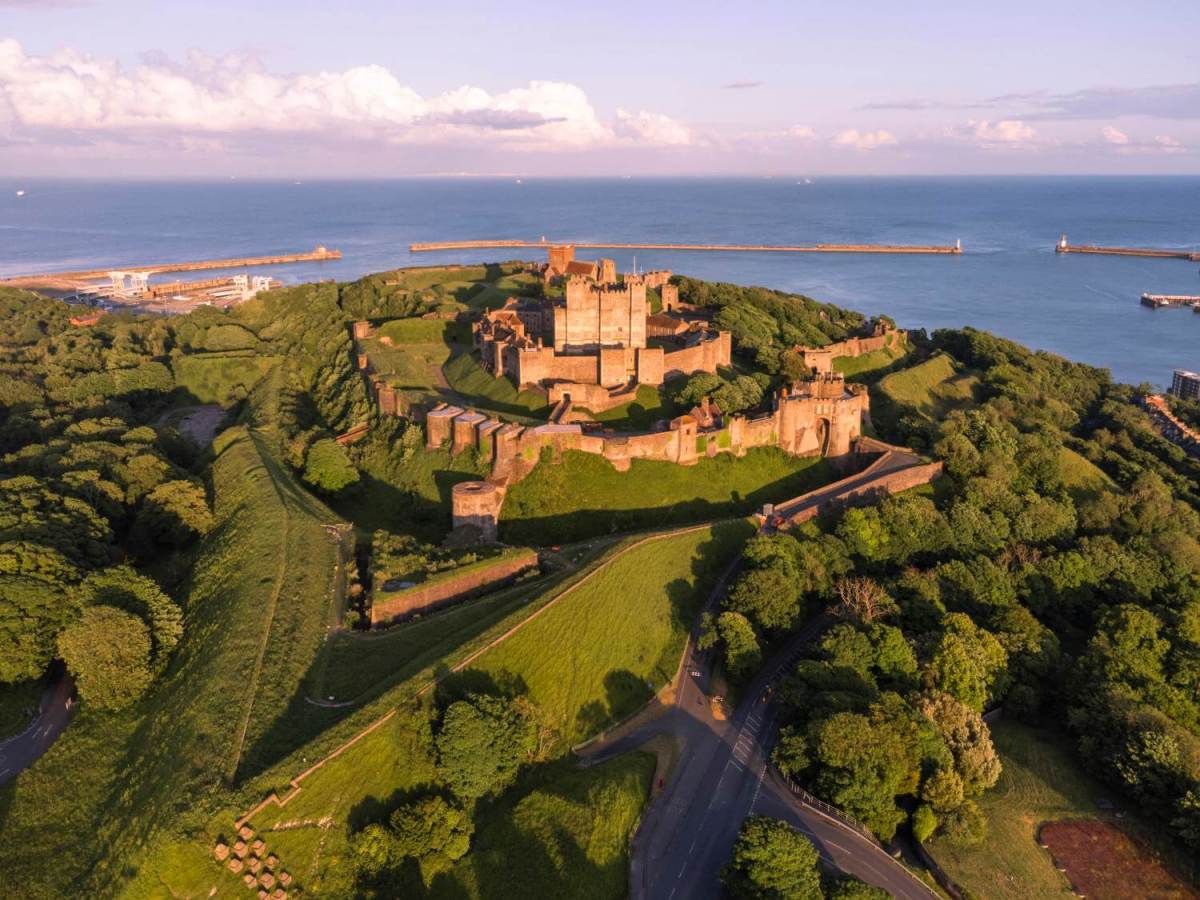
What Is the Oldest Castle in England?
A castle is a fortified structure built by monarchs and nobility, serving as a residence and a stronghold. Strategically located to control key territories, castles were vital in medieval military and political landscapes. Castles also indicated status and displayed their owners’ wealth and power. While ruined castles can look bleak and inhospitable today, many would…
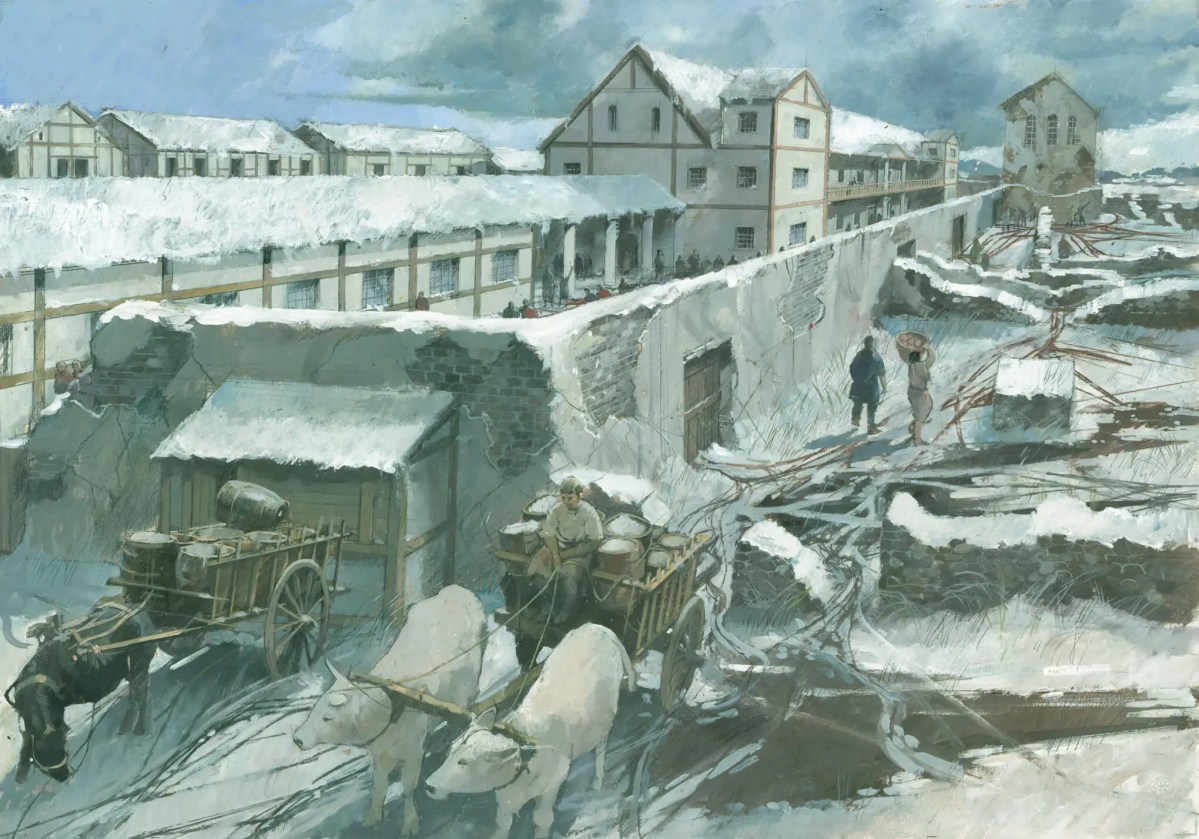
What Happened After the End of Roman Rule in Britain?
Following Emperor Claudius’ conquest, the Roman Empire lasted from AD 43 to AD 410 in Britain. After more than 3 centuries of direct rule, Britain stopped being of the empire, when local rebellions and an emperor with more pressing concerns closer to home made central rule untenable. We have previously explored the basis for the…
6 Places Connected to Queer Jewish History in London
England has a rich Jewish queer history that dates back at least to the 19th century. From safe spaces for socialising to stories of protest and performance, each location tells an important story. At first glance, many of the places may seem quite ordinary, but for LGBTQ+ Jews, they were vibrant social spaces and homes…
10 Places connected to King Henry VIII
King Henry VIII is one of the most infamous monarchs in English history. Historic sites like Hampton Court Palace and Westminster Abbey are often well known backdrops to his 36 year reign. Being the second oldest son of King Henry VII and Elizabeth of York, Henry wasn’t meant to inherit the throne. But when his…