Skip to content

JHI Blog

Menu
  • Home
  • OLd Hist
  • Privacy Policy
  • Contact Us
Menu

Month: December 2025

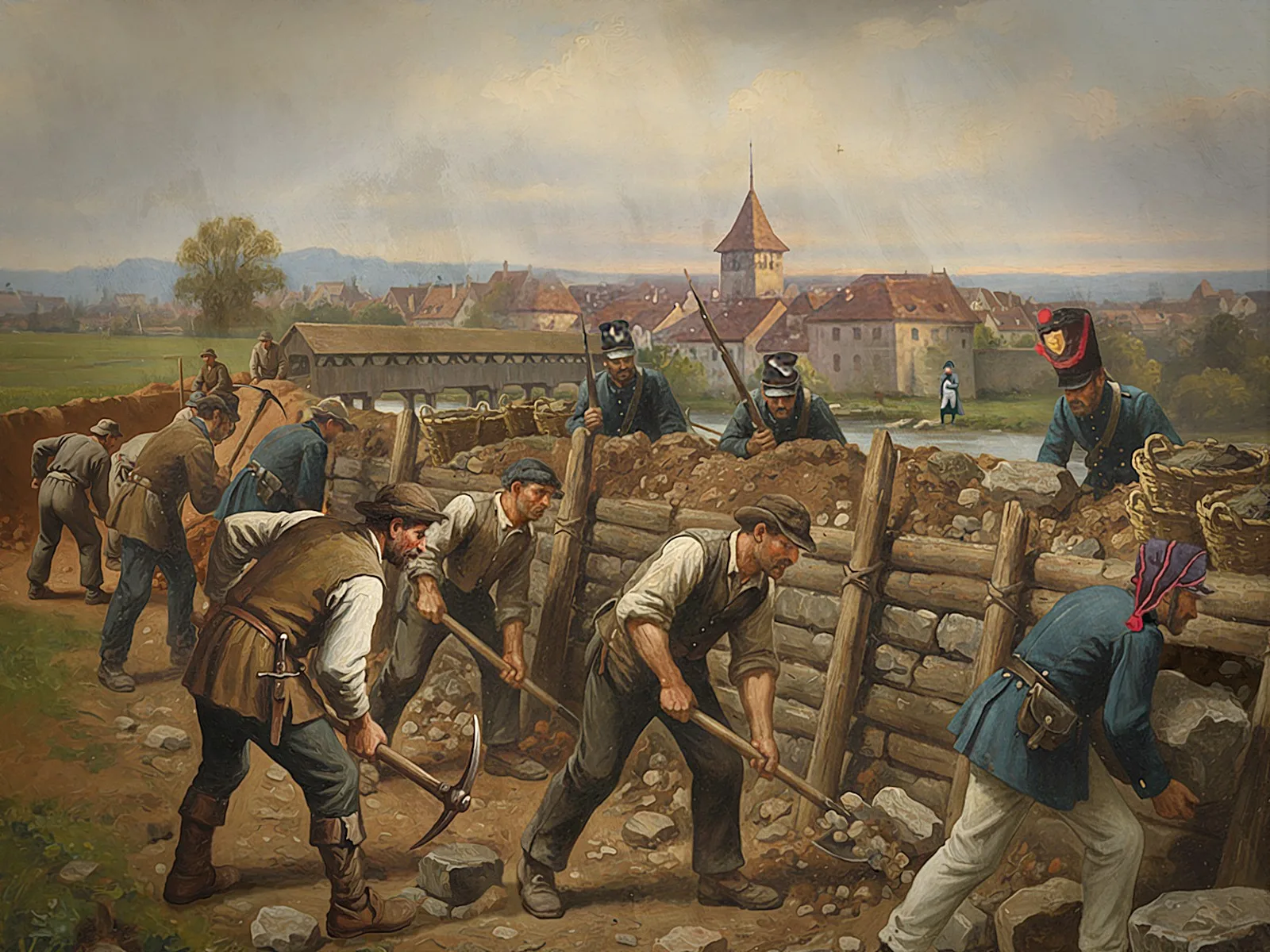
Work was still ongoing in Aarberg long after Napoleon had been defeated and the threat of a French attack had been averted. Illustration by Marco Heer.

Defending Switzerland against attacks that never happened – Swiss National Museum

Posted on December 22, 2025December 22, 2025 by Admin

In the early 19th century, Switzerland was traumatised by the French invasion of 1798 and there were fears that France would attack again. In Switzerland’s defence planning, Aarberg was a strategic military location as French armies could potentially cross the River Aare there. An obstacle was therefore needed. Dr. phil., Curator of the Information and…
Read more
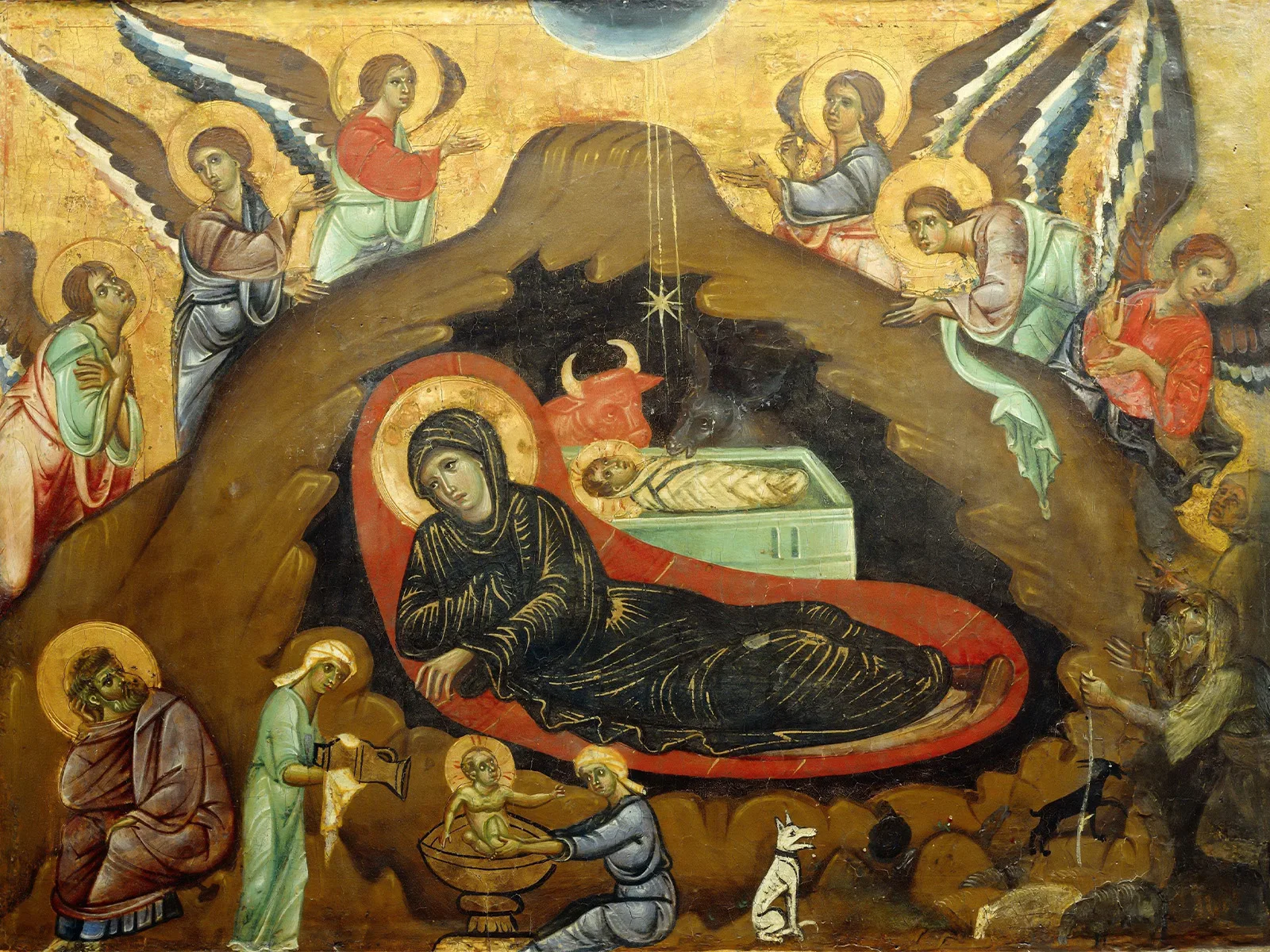
Detail from the Badia Ardenga altarpiece, painted by Guido da Siena, circa 1270.

Where was Jesus born? – Swiss National Museum

Posted on December 22, 2025December 22, 2025 by Admin

The setting in which Jesus actually came into the world remains a mystery – but the way it has been imagined has shaped Christian Christmas culture for centuries. In art and crib building, the nativity scene has been depicted in various locations, including a stable, a cave, a ruin, and a house, in each case…

Read more
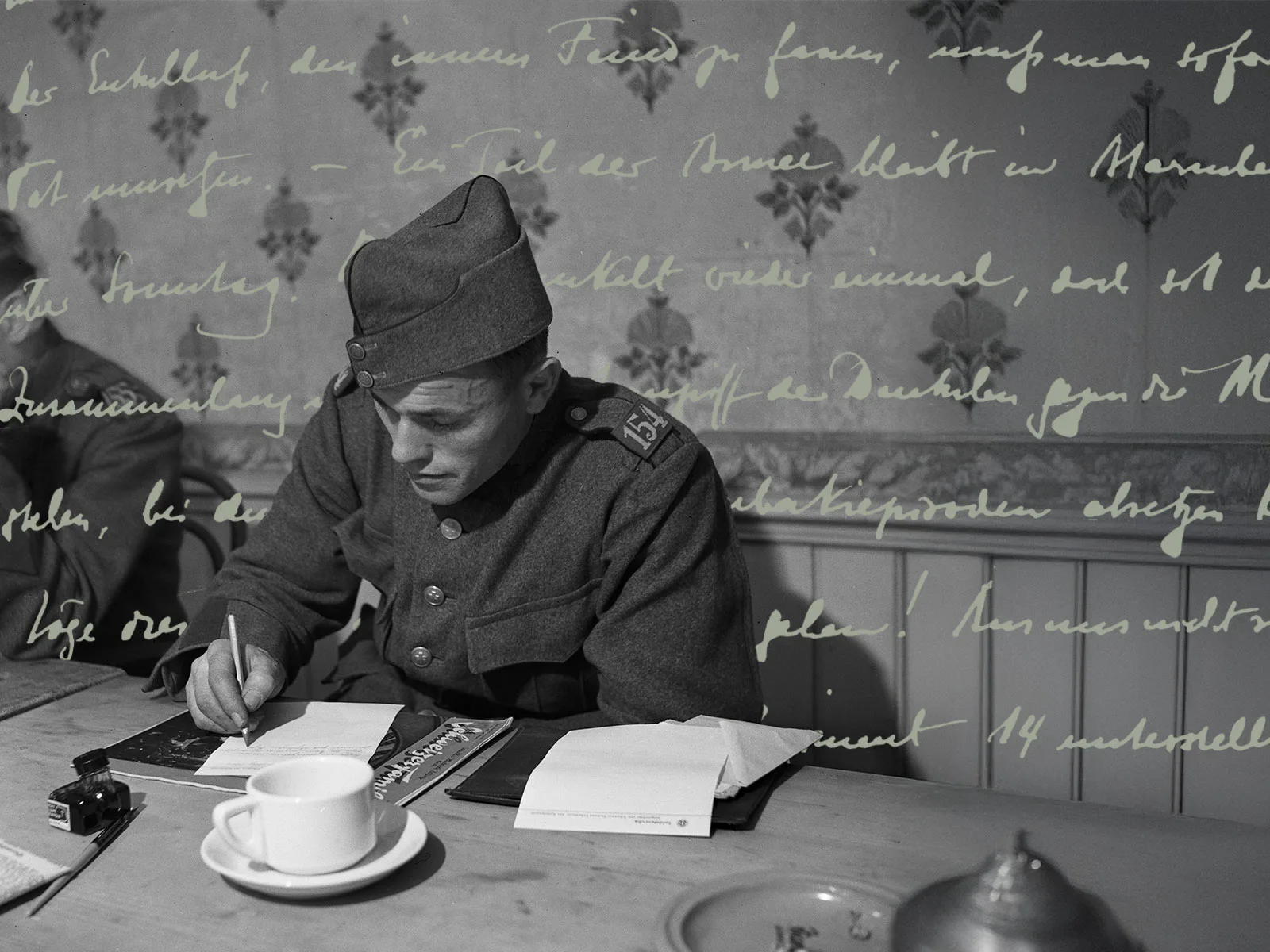
Letter-writing was part of everyday life during the Second World War, as depicted in this photo from 1942. Some people, like Marcel Beck, also wrote diaries.

Hammer and sickle on the Gotthard

Posted on December 22, 2025December 22, 2025 by Admin

Medievalist Marcel Beck kept a diary throughout his military service. It reveals a different, rarely seen side of active service during the Second World War.

Read more
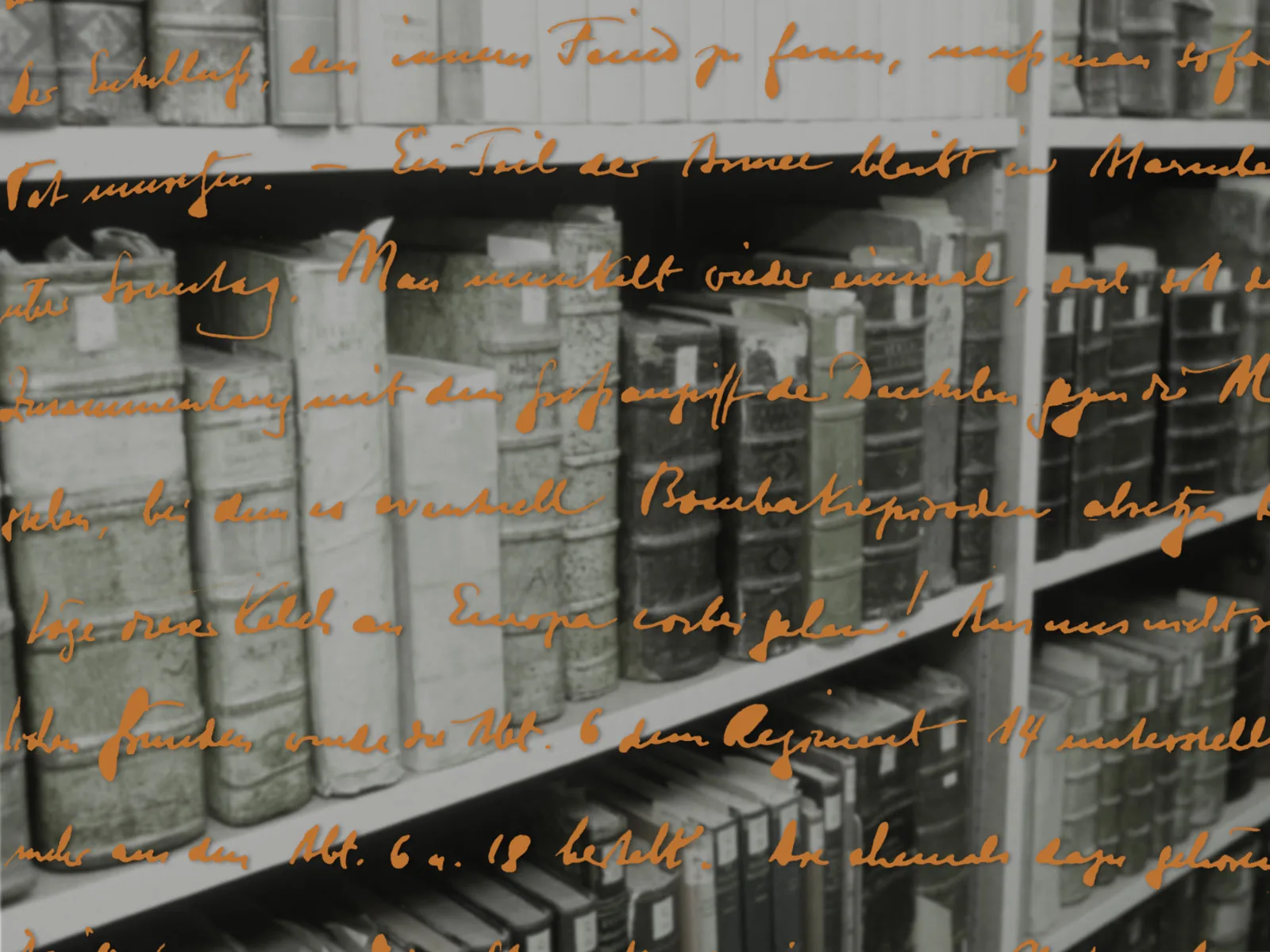
Marcel Beck worked in the National Library in Bern. That is where he formulated his thoughts and did his work during the war.

Marcel Beck and his thoughts on the post-war order – Swiss National Museum

Posted on December 22, 2025December 22, 2025 by Admin

Between 1974 and 1976, Marcel Beck published several short extracts in the Badener Tagblatt newspaper from a diary he had kept during the Second World War, and which was subsequently believed to have gone missing. It was acquired from a private owner by Jakob Tanner a few years ago. The diary consists of a total…

Read more
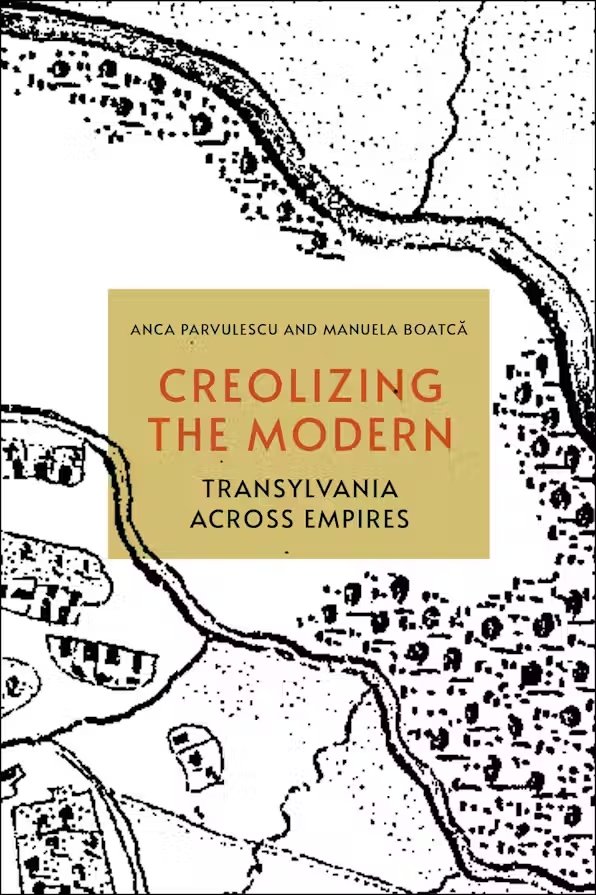
Book Spotlight “Creolizing the Modern: Transylvania across Empires, Ithaca 2022”

Book Spotlight “Creolizing the Modern: Transylvania across Empires, Ithaca 2022”

Posted on December 22, 2025December 22, 2025 by Admin

Born in 1885 into a modest Romanian-speaking family in Transylvania, Liviu Rebreanu needed to learn both Hungarian and German to acquire a basic education in what was then the Kingdom of Hungary, and part of the Austro-Hungarian Empire. After getting higher education, he also learned the “foreign languages” taught through the imperial school system. To…

Read more
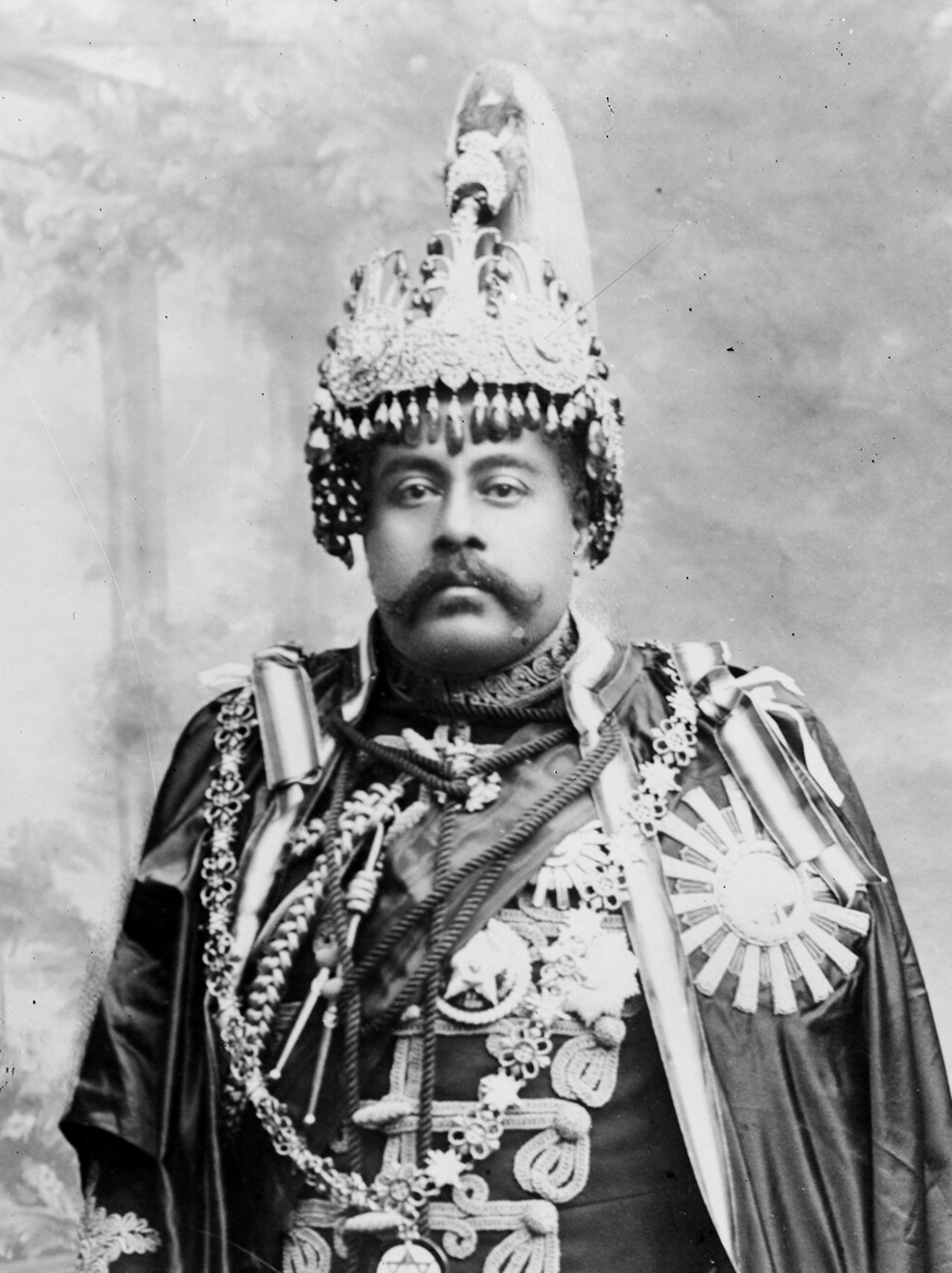
Japanese Past, Nepalese Future: Pan-Asian Diplomacy and Japan-Nepal Relations, 1931–1939

Japanese Past, Nepalese Future: Pan-Asian Diplomacy and Japan-Nepal Relations, 1931–1939

Posted on December 22, 2025December 22, 2025 by Admin

“Nepal is a closed country.” These were the first lines penned by Byodo Tsushō, a Japanese Buddhist monk who published an account of his travels in Nepal in the 1935 issue of the Pan-Asianist journal, Dai Ajiashugi.[1] Three years earlier, Byodo Tsushō was sponsored by the Hongan-ji sect of Jodo Shinshu Buddhism to study in…

Read more
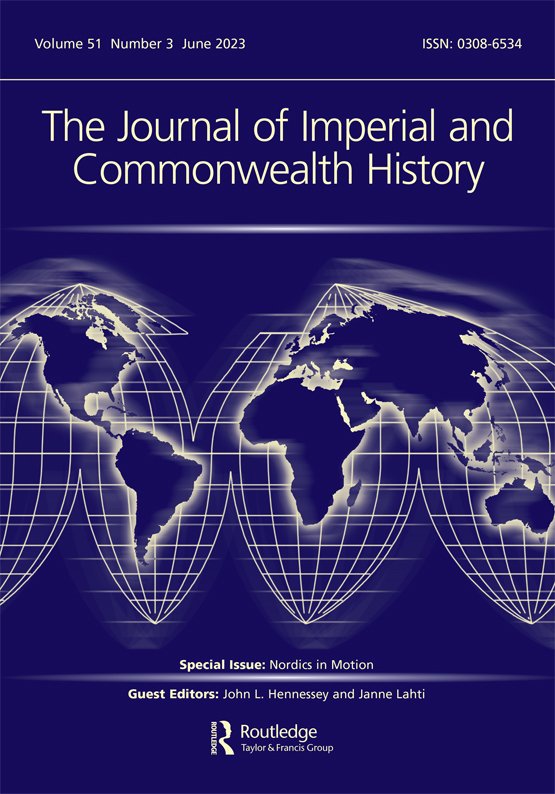
Book Spotlight: “Nordics in Motion: Transimperial Mobilities and Global Experiences of Nordic Colonialism, Journal of Imperial and Commonwealth History 51/ 3, (2023)”

Book Spotlight: “Nordics in Motion: Transimperial Mobilities and Global Experiences of Nordic Colonialism, Journal of Imperial and Commonwealth History 51/ 3, (2023)”

Posted on December 22, 2025 by Admin

This special issue on Nordic transimperial careers and experiences investigates Nordic people operating in the world of empires ranging from Southeast Asia to Africa, and from Europe to the Caribbean and North America.[1] It focuses on border-crossing individuals, addressing inter-imperial questions of race, otherness, and the civilizing mission, and tying into existing networks, while seeking…

Read more
Book Spotlight “Nationaliser le panafricanisme. La décolonisation au Sénégal, en Haute-Volta et au Ghana (1945-1962) [Nationalising Pan-Africanism: Decolonisation in Senegal, Upper Volta and Ghana (1945-1962)], Paris 2023”

Book Spotlight “Nationaliser le panafricanisme. La décolonisation au Sénégal, en Haute-Volta et au Ghana (1945-1962) [Nationalising Pan-Africanism: Decolonisation in Senegal, Upper Volta and Ghana (1945-1962)], Paris 2023”

Posted on December 22, 2025 by Admin

At the end of the Second World War, a new international order was to be defined, requiring reconfigurations in and around colonial societies. Empires becoming obsolete as a form of power were to be dismantled and colonial societies were longing for a fundamental change. As the socio-political order was being redefined, how was the new…

Read more
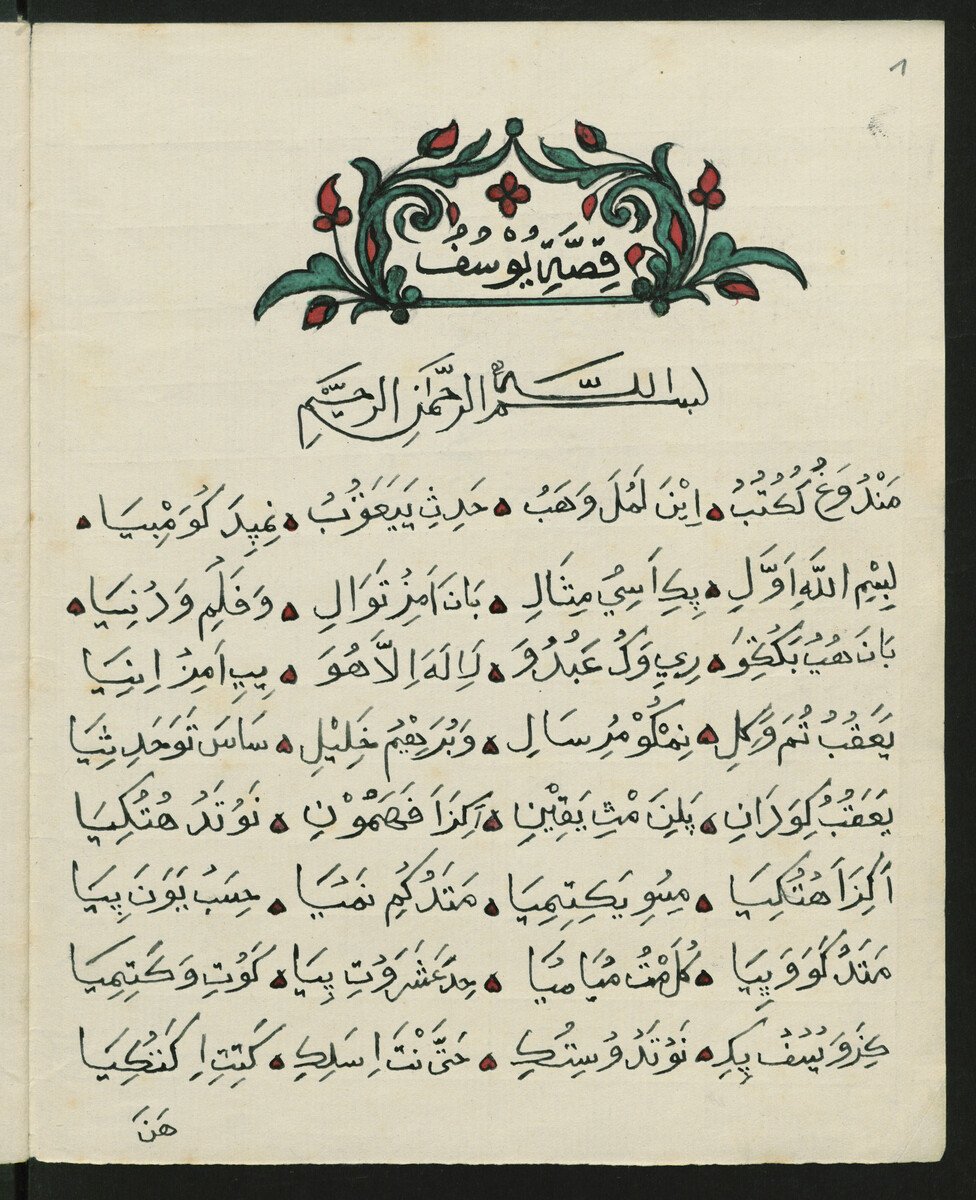
Ein Wettlauf um Swahili-Manuskripte im Kenia der 1930er Jahre: Plädoyer für einen transimperialen Blick auf die Afrikalinguistik

Ein Wettlauf um Swahili-Manuskripte im Kenia der 1930er Jahre: Plädoyer für einen transimperialen Blick auf die Afrikalinguistik

Posted on December 22, 2025December 22, 2025 by Admin

I. Wissenschaftsgeschichte transimperial In den letzten Jahren wurde vermehrt eingefordert, Wissenschaftsgeschichte aus transimperialer Perspektive zu untersuchen. National-imperiale Container müssten aufgebrochen werden, denn sie verdeckten oft mehr Entwicklungen als sie erklärten. Somit reiche die klassische Forderung Ann Laura Stolers und Frederick Coopers, Kolonie und Metropole in einem analytischen Raum zu betrachten,[1] nicht mehr aus. Sie sei…

Read more
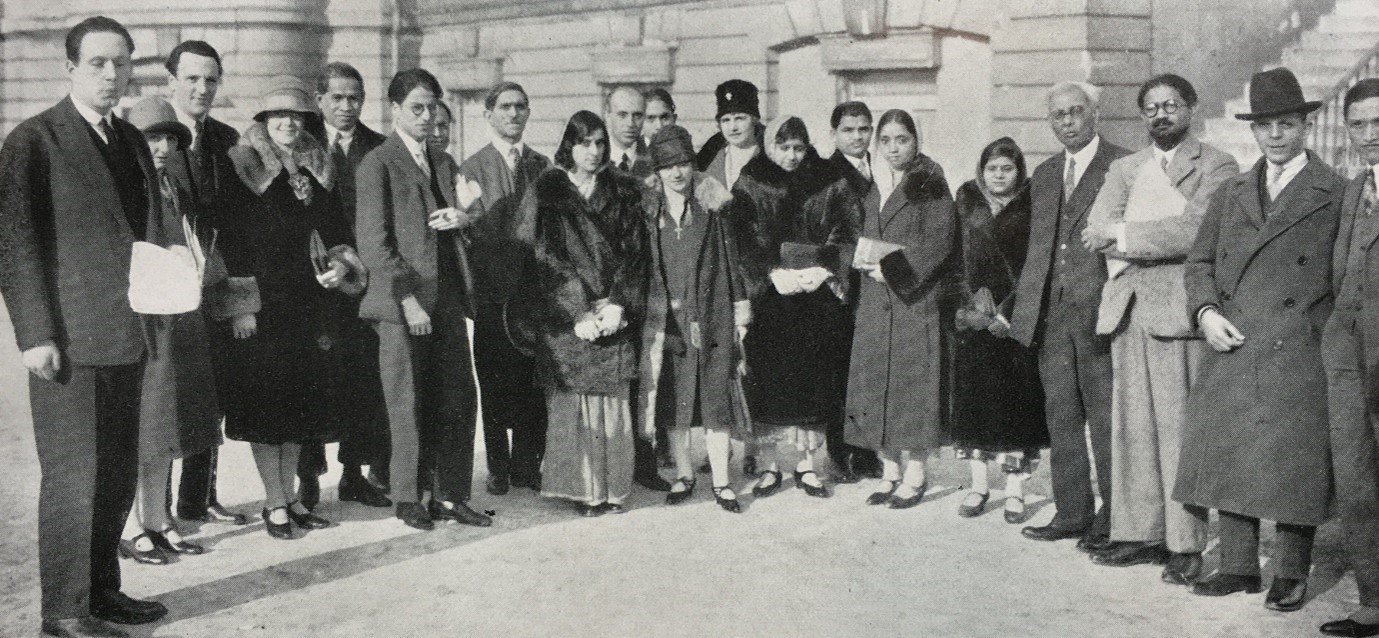
Cosmopolitan Anticolonialism: The Transimperial Networks of the Hindusthan Association of Central Europe in Weimar Era Berlin

Cosmopolitan Anticolonialism: The Transimperial Networks of the Hindusthan Association of Central Europe in Weimar Era Berlin

Posted on December 22, 2025December 22, 2025 by Admin

In Weimar era Berlin, Indian students and anticolonialists networked with other exiled communities from subject and colonial nations through the Hindusthan Association of Central Europe (HACE), officially known in German as the Verein der Inder in Zentraleuropa, forging a form of cosmopolitan anticolonialism.[1] Already during the First World War, Germany had attracted anticolonial revolutionaries from…

Read more
  • Previous
  • 1
  • …
  • 6
  • 7
  • 8
  • 9
  • 10
  • 11
  • 12
  • Next

Recent Posts

  • The Plantation Roots of Economic Modernity – JHI Blog
  • Temperance Buildings in England
  • Women, Race, and Orientalism in the Conquest of Algiers – JHI Blog
  • The First Five-Year Plan, Stalinism, and the Fate of Marxist Political Economy in the USSR – JHI Blog
  • Best of 2025 – JHI Blog

Recent Comments

No comments to show.

Archives

  • January 2026
  • December 2025

Categories

  • OLd Hist
© 2026 JHI Blog | Powered by Minimalist Blog WordPress Theme