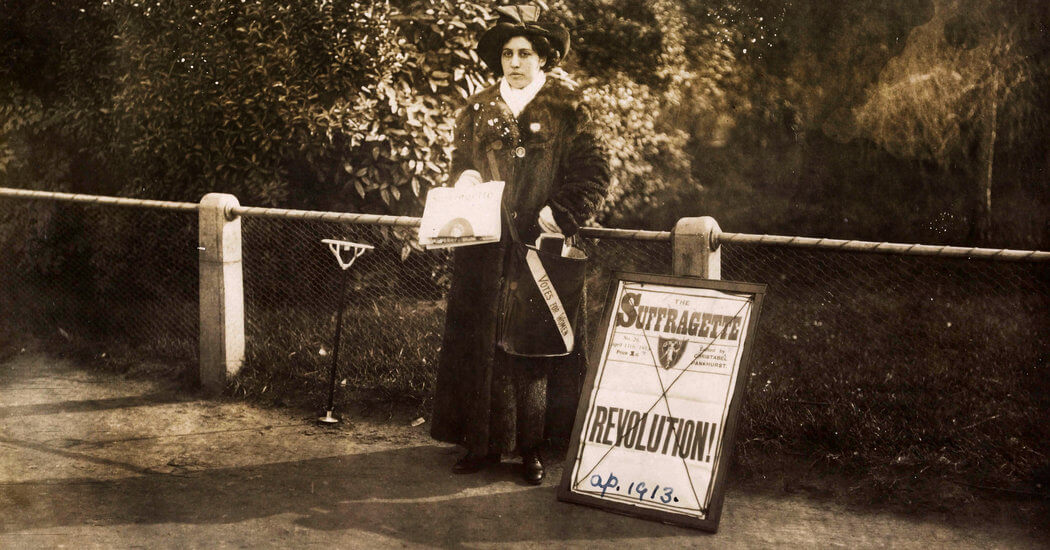
Sophia Duleep Singh (1876 to 1948) was a suffragette and prominent women’s rights campaigner in Great Britain. She was the daughter of Maharajah Duleep Singh, the last Sikh ruler of the Punjab, and the goddaughter of Queen Victoria.
When was Sophia Duleep Singh born?
Sophia Jindan Alexandrovna Duleep Singh was born on 8 August 1876 at 53 Holland Park Road, Kensington and Chelsea, London. She was the daughter of Maharajah Duleep Singh (1838 to 1893) and his first wife, Bamba Müller.
Together, the couple had 10 children, 6 of whom survived, including Sophia’s sisters, the women’s rights campaigners Catherine Hilda Duleep Singh and Bamba Duleep Singh.
Her father, Duleep Singh, was proclaimed the Maharajah of the Sikh Empire in 1843, at the age of 5. Following the annexation of the Punjab in 1849, he was deposed and later exiled from India.
As a teenager, he moved to England, where he was introduced to the royal court. Queen Victoria and Prince Albert showed him great affection and formed a strong bond, with the queen becoming the godmother of several of his children, including Sophia.
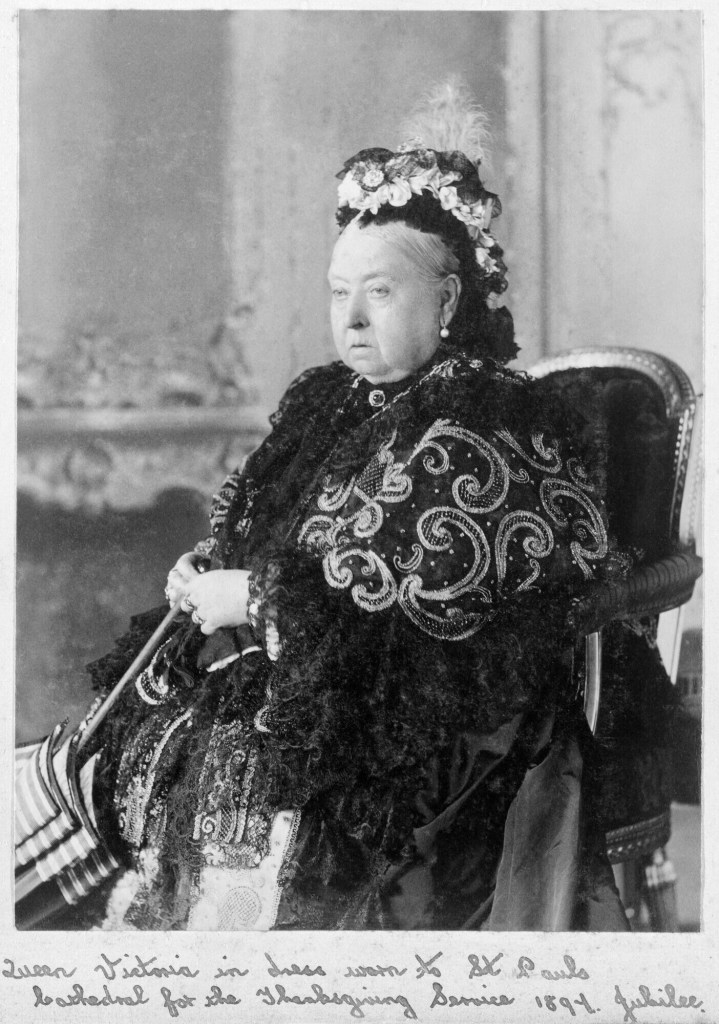
A complicated childhood
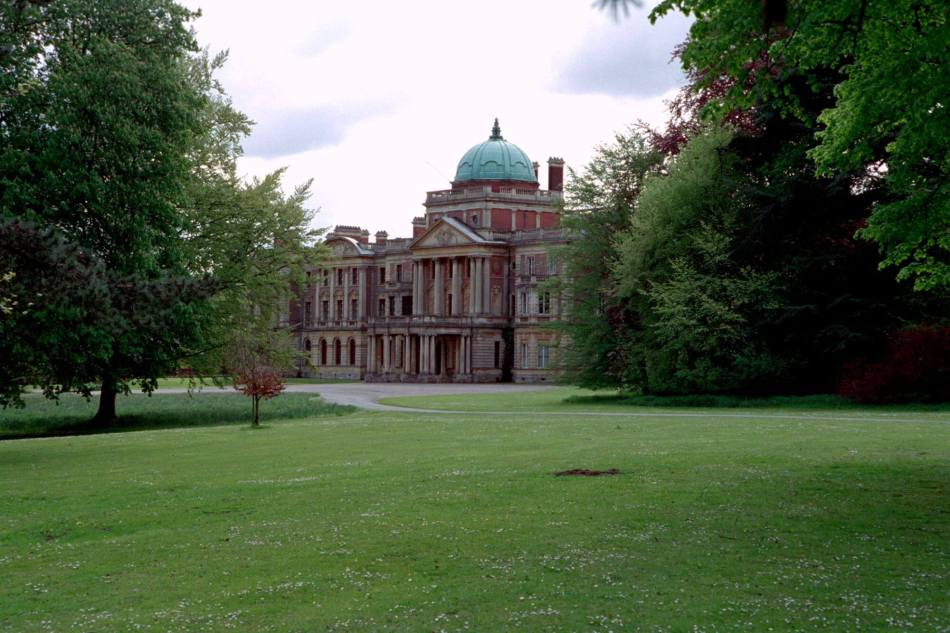
Sophia’s father purchased Elveden Hall in Suffolk in 1863, where she spent much of her early childhood. Her father oversaw its rebuilding, adding an Italianate-style exterior and redesigning the interiors in a palatial Mughal style. The estate was filled with exotic birds and developed into a game preserve.
Sophia experienced a difficult childhood. Her parents’ marriage broke down, and her father’s extravagant lifestyle and growing frustration with the British government led him to attempt to return to India with his family in 1886.
They were denied entry on the orders of the Viceroy of India as fears grew that their presence would stir up unrest, and they returned to England.
The Maharajah then abandoned his family and moved to Paris to live his final years with his mistress. Then, in 1887, Sophia’s mother died. Queen Victoria appointed Arthur Craigie Oliphant as the guardian of Sophia and her siblings, and they then moved to Brighton, where Sophia attended a local school.
Joining high society
In 1895, Sophia and her sisters were formally presented at the royal court and gained their titles as princesses. Queen Victoria then granted the sisters the use of Faraday House, a property located within the Hampton Court Estate in Richmond upon Thames.
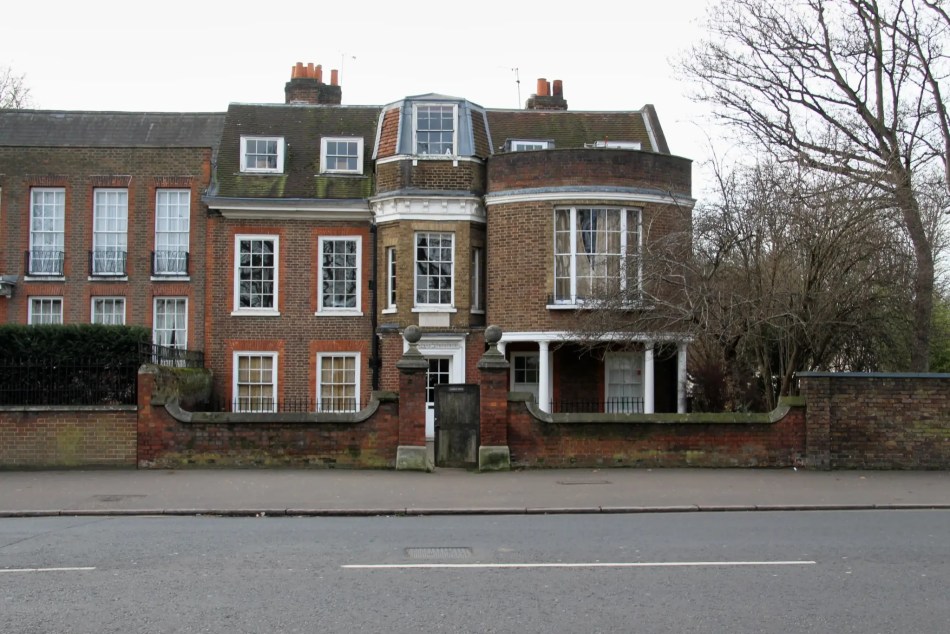
Here, Sophia was able to host and socialise among British aristocracy. She was a keen musician, with a love for fashion, and dressed in the finest clothes from top designers in London and Paris.
She also enjoyed riding and cycling, and was regularly spotted walking her dogs around the grounds of Hampton Court Palace.
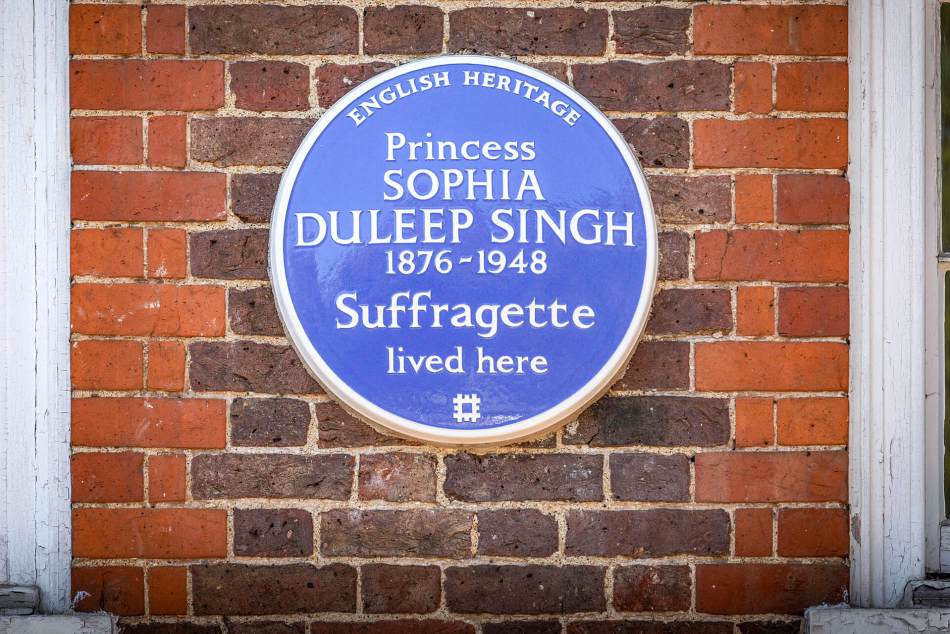
English Heritage unveiled a commemorative blue plaque to Sophia at Faraday House in 2023.
How was Sophia Duleep Singh involved in women’s rights campaigns?
Sophia was a pioneering figure in the British women’s suffrage movement, using her royal status and public visibility to champion the cause of women’s rights in the early 20th century.
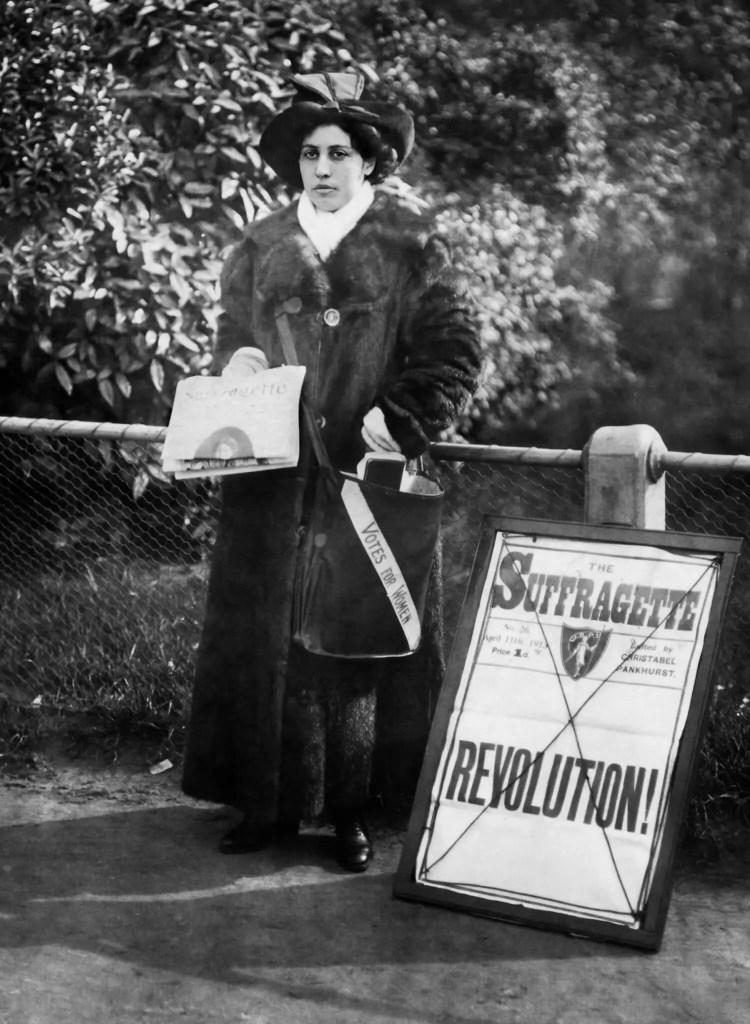
She joined the Women’s Social and Political Union (WSPU) in 1908, where she became active in fundraising for her local branches in Richmond and Kingston upon Thames. She could often be seen selling copies of ‘The Suffragette’ newspaper outside Hampton Court Palace.
Sophia was also a member of the Women’s Tax Resistance League, whose slogan was ‘no taxation without representation’, and she was tried on several occasions for refusing to pay tax.
As a result, some of her possessions were auctioned off by bailiffs. However, the group used these auctions to raise awareness of the league and their campaigns among the public.
“When the women of England are enfranchised and the State acknowledges me as a citizen, I shall, of course, pay my share willingly towards its upkeep. If I am not a fit person for the purposes of representation, why should I be a fit person for taxation?”
Sophia Duleep Singh’s address in court in 1913
Black Friday protest
18 November 1910 was one of the most violent and pivotal events in the British suffragette movement.
‘Black Friday’, as it came to be known, occurred after the Conciliation Bill of 1910, which would have granted limited voting rights to women in Britain, was effectively abandoned by Prime Minister Herbert Asquith.
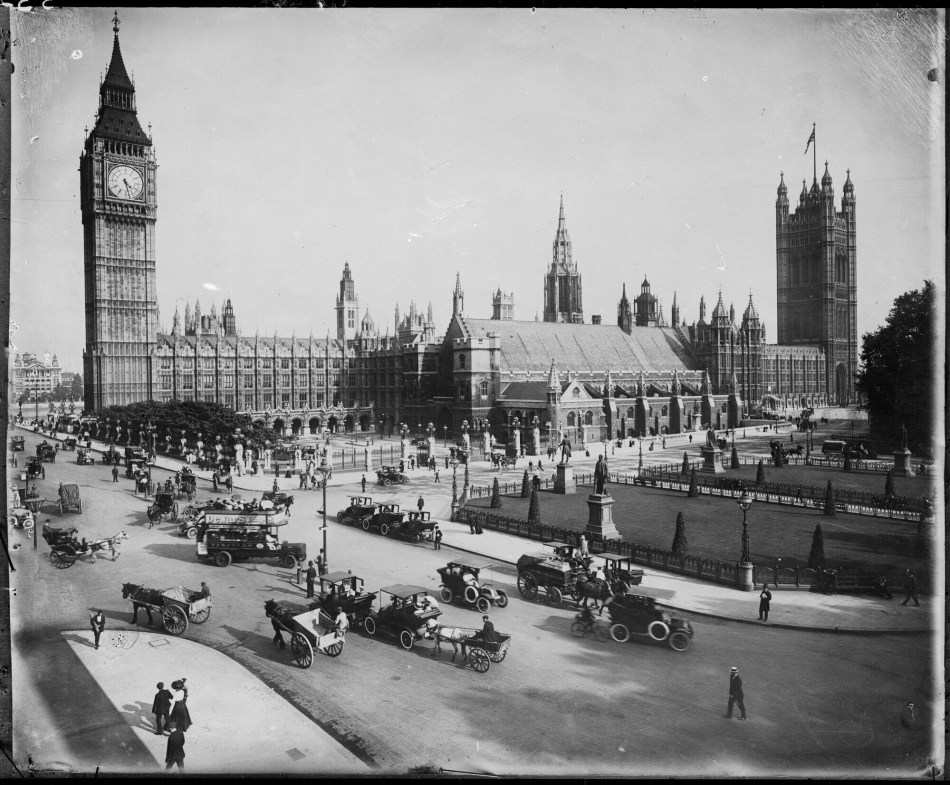
In response, over 300 suffragettes, led by WSPU leader Emmeline Pankhurst, marched from Caxton Hall to Parliament Square in London to protest the government’s inaction.
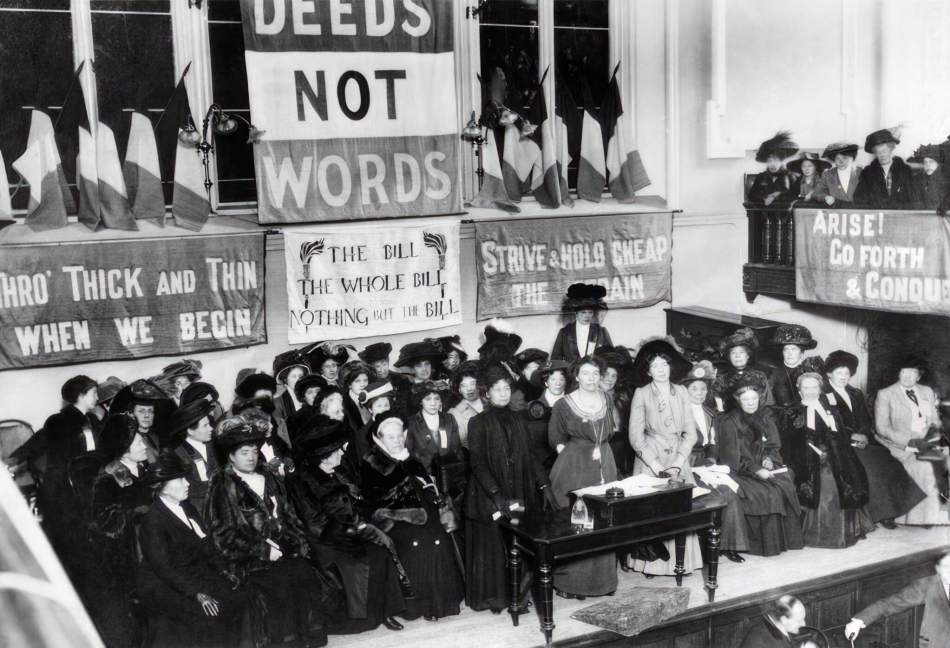
Sophia was among 11 prominent suffragettes who led the march alongside Emmeline Pankhurst and other key women’s rights campaigners, including Dr Elizabeth Garrett Anderson.
A large police presence was organised, and things quickly turned violent. It is estimated that 200 women were assaulted over the next 6 hours, with claims of police using excessive force against the protestors.
Sophia witnessed the violence first-hand, and wrote down what she saw in a letter of complaint, noting that one police officer pushed a ‘poor exhausted lady so that she fell onto her hands and knees’. Two women later died from their injuries sustained during the violence.
Sophia was not arrested for her involvement in the protest.
“No Vote, No Census”
In 1911, the Women’s Freedom League initiated a mass boycott of the census collection that year as a non-violent way to raise awareness of their cause among the government.
From her home at Faraday House, Sophia refused to include her household’s information and instead wrote this message of protest:
“No Vote, No Census. As women do not count, they refuse to be counted. I have a conscientious objection to filling up this form.”
Sophia Duleep Singh’s census return in 1911
The Red Cross and the First World War
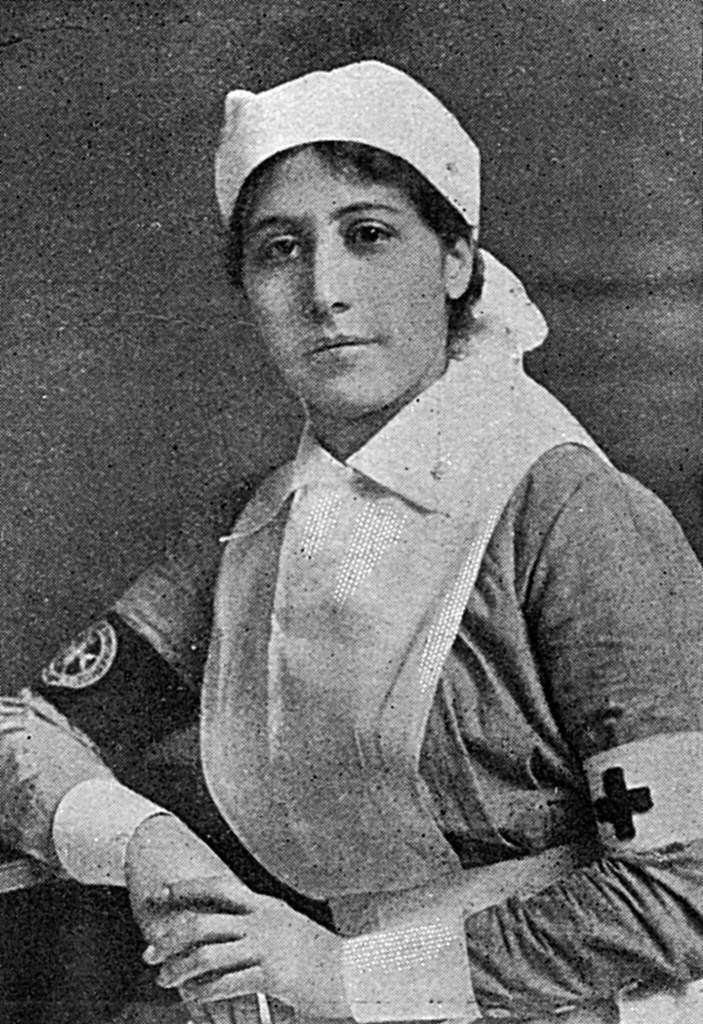
When the First World War began in 1914, the WSPU paused their campaigns to focus on helping the war effort. Sophia signed up as a nurse in the Voluntary Aid Detachment in Isleworth. She raised money for the Red Cross by selling Indian flags at Dewar House in Haymarket.
Sophia cared for Indian soldiers at the Brighton Pavilion and other hospitals, where she gave out signed photographs and mementoes, with many noting their surprise at seeing the princess care for them.
Post-war activism and legacy
Following the end of the First World War in 1918, the passage of the Representation of the People Act 1918 allowed women over 30 to vote, marking a significant step in the campaign for equal voting rights in Britain.
Sophia joined the Suffragette Fellowship, an organisation formed to preserve the history and memory of the suffrage movement. She remained a member until her death.
In 1924, she travelled to India with her sister, Bamba, to tour Kashmir, Lahore, Amritsar and Muree. Such enormous crowds travelled to see the princesses in their magnificent jewels and saris that police had to disperse them. Sophia’s involvement in the British suffrage movement influenced women’s rights campaigns in India at the time, and the princesses’ visit to India drew further attention to the cause.
After decades of tireless campaigning, Sophia lived to witness the passing of the Equal Franchise Act in 1928, which enabled women over 21 to have the same voting rights as men in Britain.
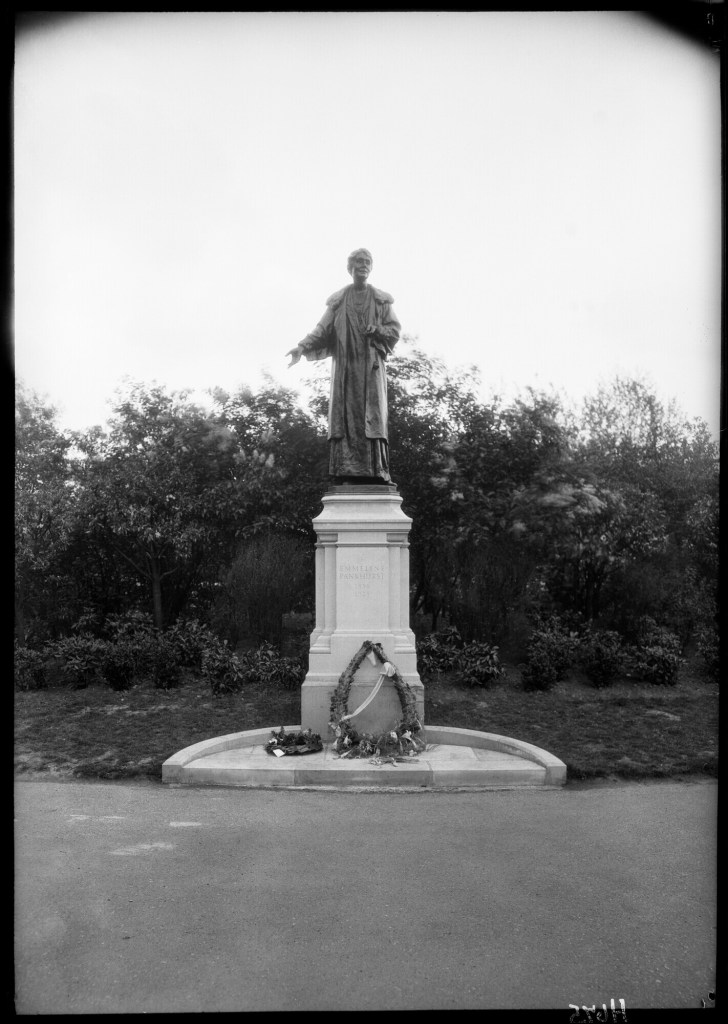
When a statue dedicated to Emmeline Pankhurst was unveiled in Victoria Tower Gardens, London, in 1930, following her death 2 years before, Sophia provided the flowers for the occasion.
In later life, Sophia moved to Coalhatch House, Penn, in Buckinghamshire with her sister Catherine. During the Second World War (1939 to 1945), she took in evacuee children from London.
While she never returned to India permanently, Sophia maintained a strong interest in Indian affairs throughout her life.
Sophia died on 22 August 1948 in Tylers Green, Buckinghamshire, just a year after India gained independence and all adults in India were given the right to vote.
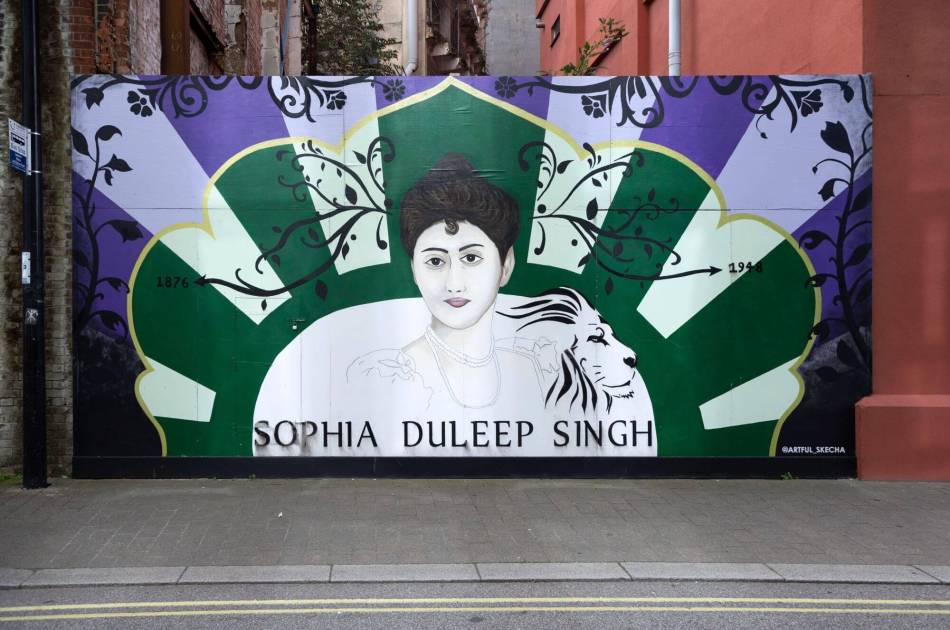
Sophia was a visible and vocal member of women’s rights campaigns and used her position to challenge the authorities, supported the Indian independence movement, and played a key role in championing the position of women and South Asian voices in Britain in the 20th century.
Further reading
Leave a Reply