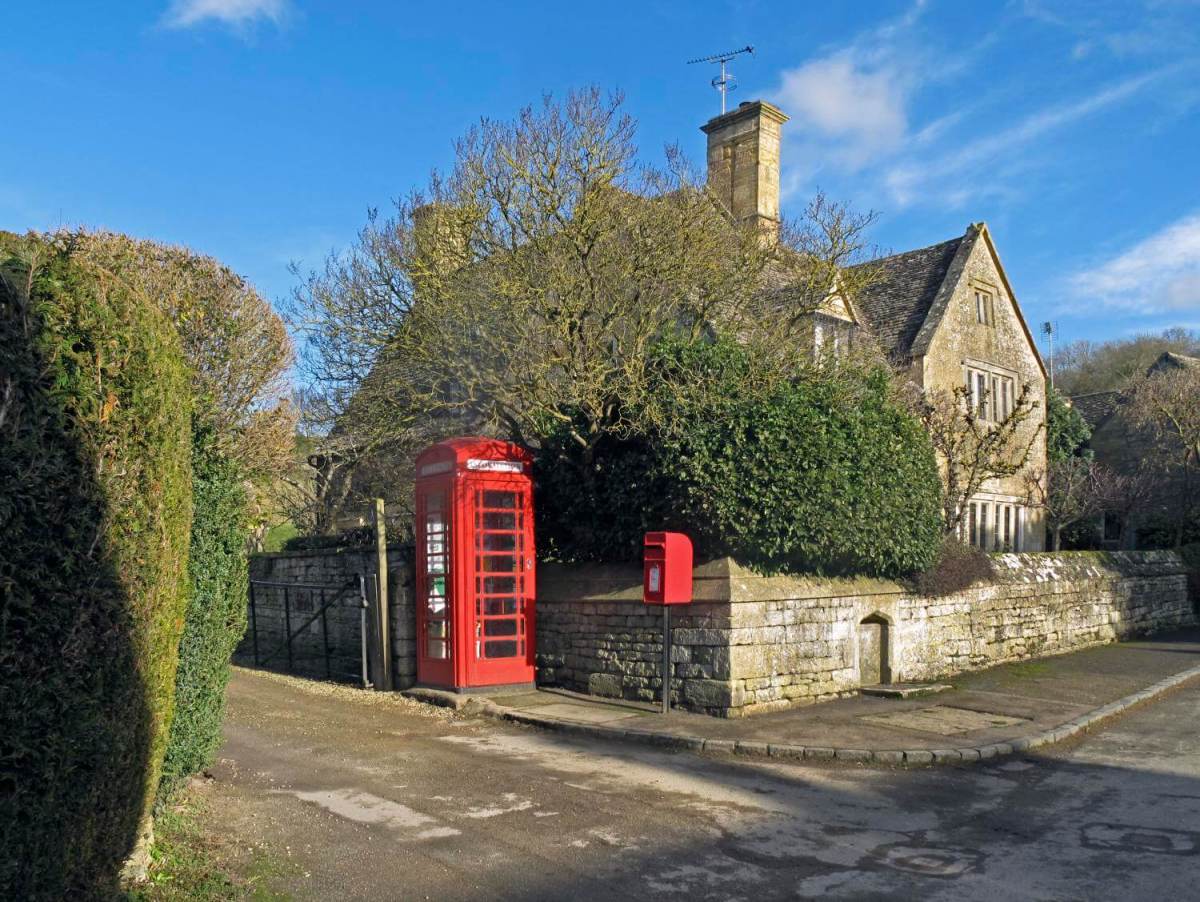
Can you define England without mentioning post boxes or telephone boxes?
We are surrounded by historic designs and constructions that were initially invented for everyday purposes, such as to inform us where we were going, communicate with one another, or even drink water.
Yet, they were all groundbreaking innovations at the time and helped to define England as it moved from the post-medieval period (AD 1540 to 1901), through the Industrial Revolution and into the 20th century.
While many look similar, the details and tiny variations of these objects can help tell us what was happening in your local community at a certain period in our history.
Here is an introduction to some of the most common ‘street furniture’ found across the country.
17th century onwards: Milestones, mileposts and signposts
Road signs might seem ‘everyday’ now, but the idea is only a few hundred years old. Before that, many distances were only marked on stones (hence the name ‘milestone’).
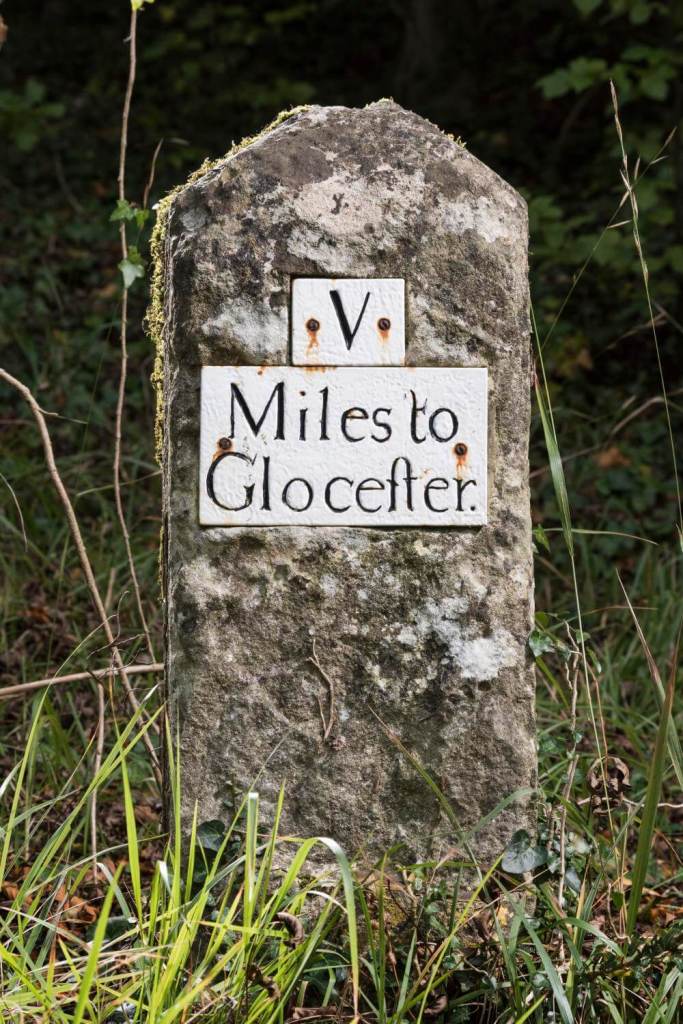
Later examples were also made from cast iron, as manufacturing technology advanced.
As more roads were built, knowing where people were going became increasingly important. Some historic signposts are known as ‘finger posts’ because they point in different directions.
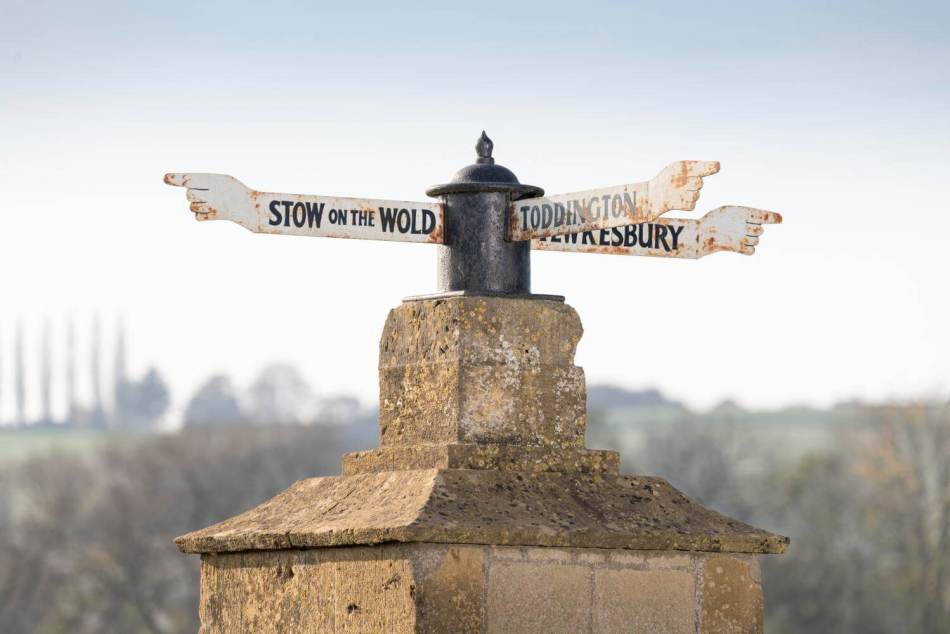
The number of signposts in England increased with the rise in road traffic after the 1860s and changed character with the introduction of motor traffic at the start of the 20th century.
Increasing speeds on the roads made easy legibility even more important.
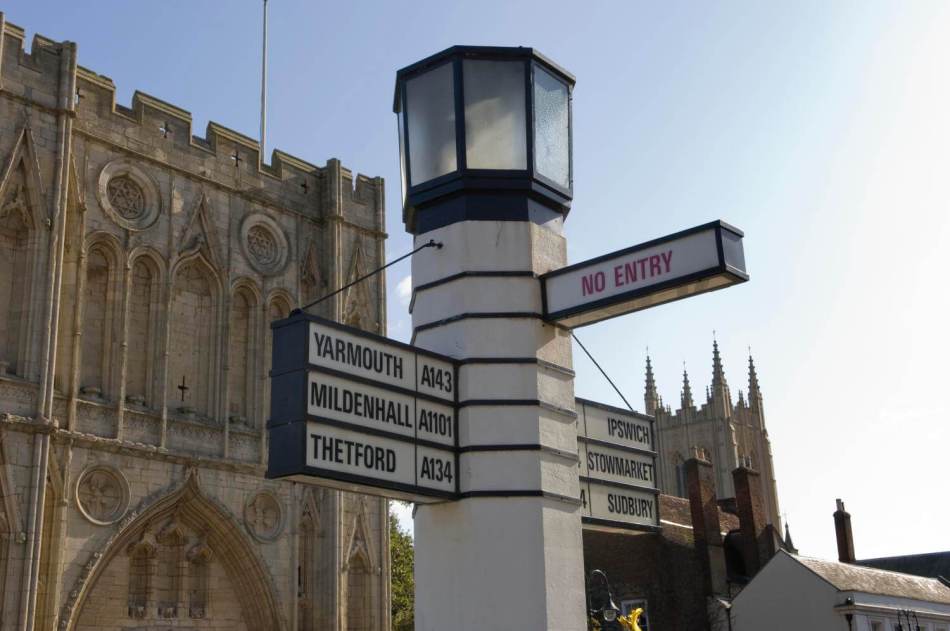
However, it wasn’t until the 1930 Road Traffic Act that the colour and appearance of signs and signposts were standardised across the country.
While we don’t know precisely how many milestones, mileposts, and historic signposts there are across England, we do know that over 3,000 milestones, mileposts, fingerposts, and signposts are included on the National Heritage List for England.
From 1852: Fountains, troughs and water pumps
Public drinking fountains and water pumps can be found in many urban and rural places, especially within public parks.
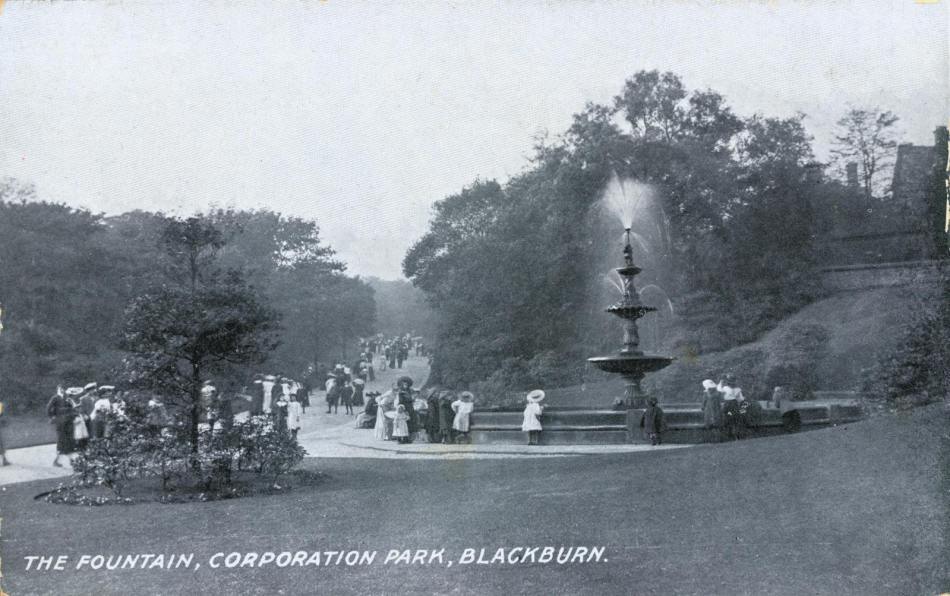
They were initially intended as a health intervention in the Victorian era, as introducing safe drinking water into communities helped stop the spread of deadly illnesses like cholera.
Today, over 550 are included on the National Heritage List for England.
The first drinking fountains were installed in Liverpool by Charles Pierre Melly, who had seen examples during a visit to Geneva, Switzerland, in 1852.
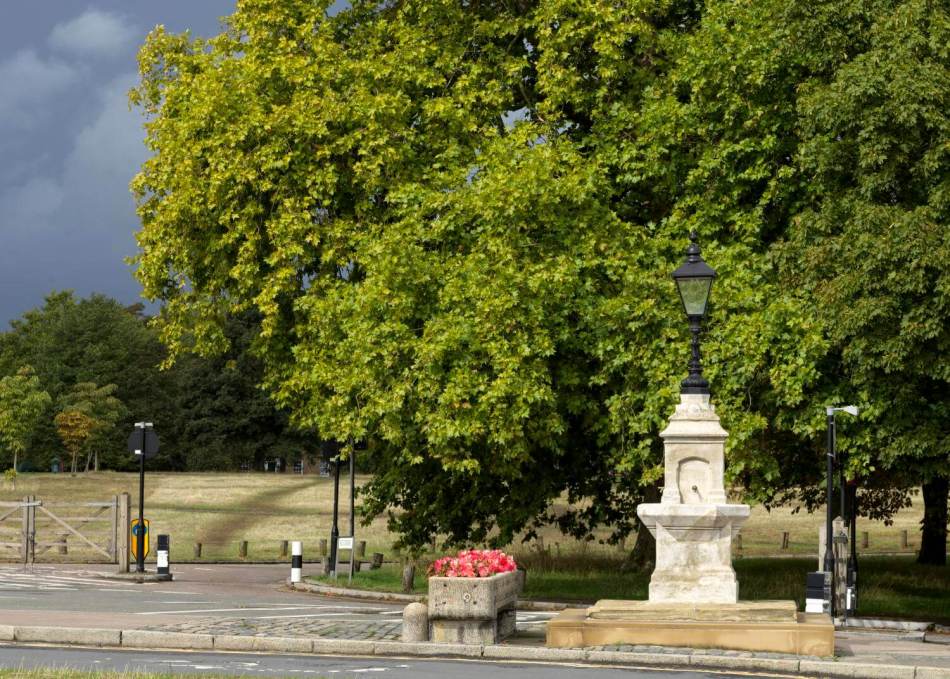
Through the years, many public fountains have also been made into monuments, donated or installed to mark a significant moment or person in England’s history.
One example is the Baroness Burness Coutts Drinking Fountain in Victoria Park, Tower Hamlets, Greater London. It is one of only a handful of drinking fountains that are Grade II* listed.
It’s not just people who were the intended recipients of these free watering holes. The Metropolitan Free Drinking Fountain Association, formed in 1859, changed its name to include cattle troughs in 1867. These special troughs provided drinking water for cattle and other animals entering market towns.
With clean, safe water now freely available, many drinking fountains and troughs have found new uses, including as planters.
From 1853: Post boxes
The first Royal Mail post boxes were installed in England in 1853. Early post (or letter) boxes were red and hexagonal in shape, making them easy to spot, but also heavy and expensive to produce.
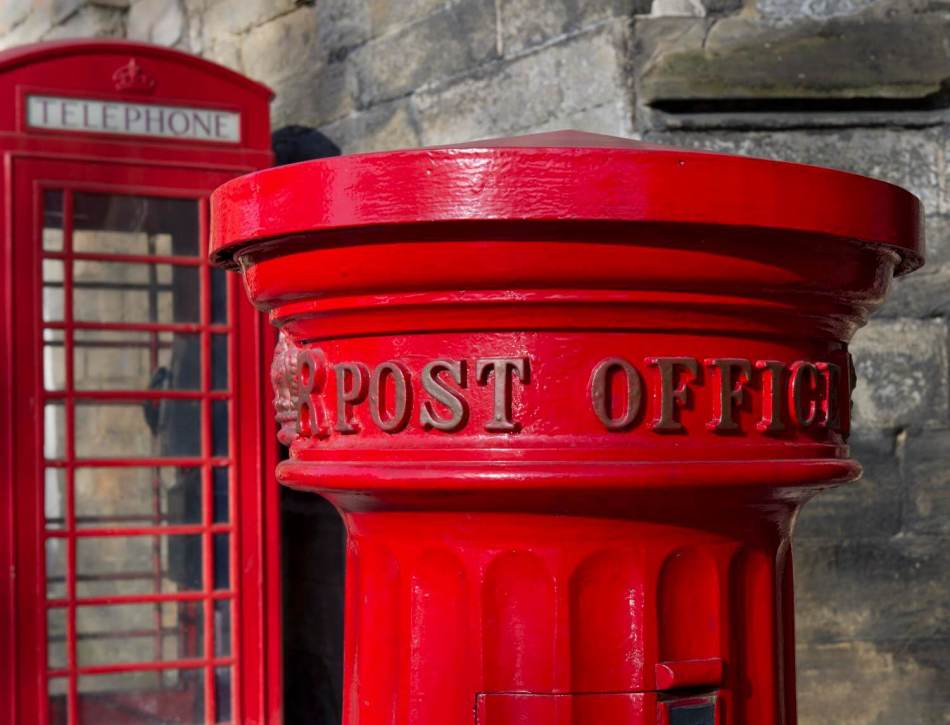
In 1859, a cylindrical design that was cheaper and easier to make was introduced around the country. You might also have seen post boxes fixed to walls, which began to be used in 1857.
By the end of the 19th century, there were over 33,500 post boxes in the United Kingdom. There are currently over 85,000!
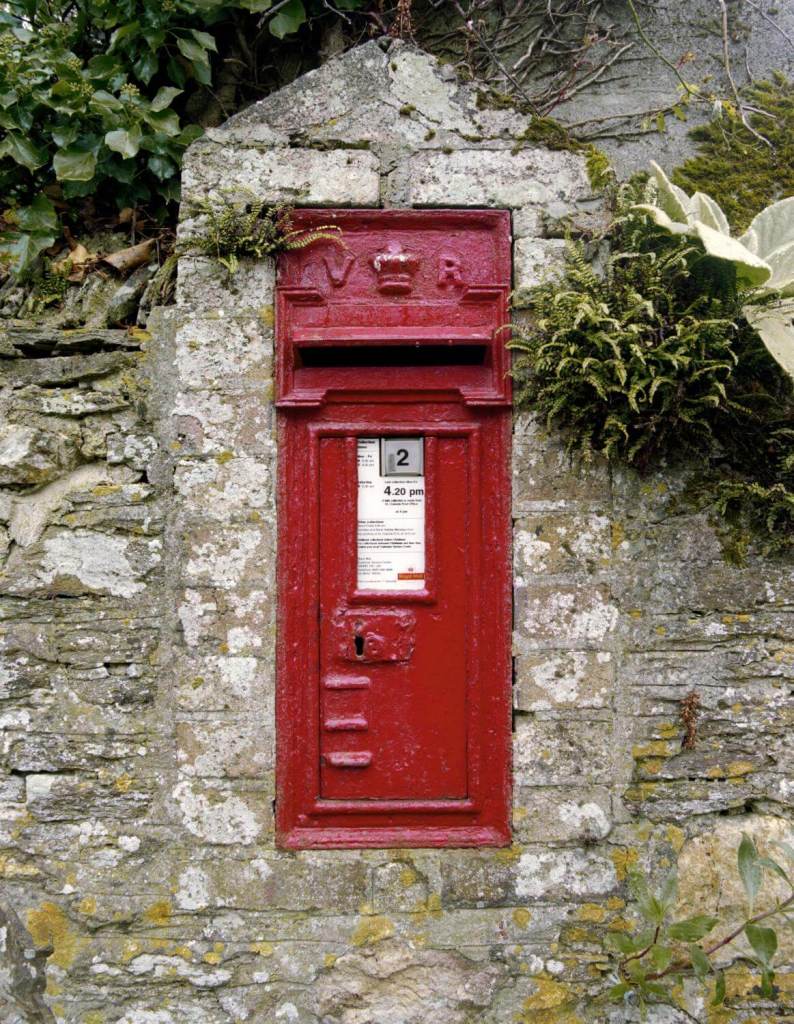
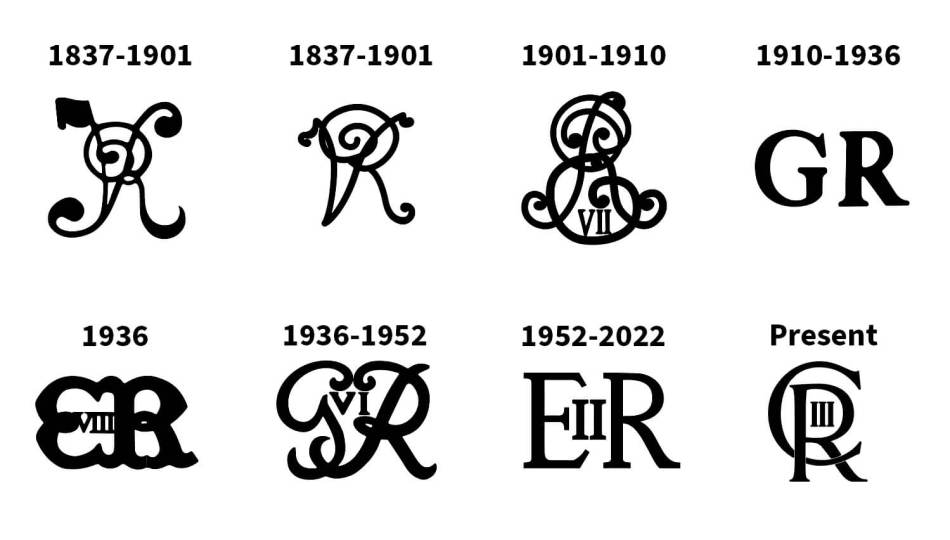
Post boxes also include another clue to dating them. The Royal cypher (a type of symbol) is made up of the first initial of the king or queen’s first name, together with the letter R, which either stands for Regina (queen) or Rex (king) in Latin.
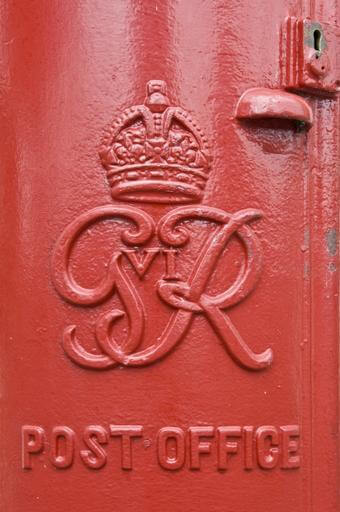
Most recent cyphers also include a Roman numeral, used when the king or queen wasn’t the first one with that name, all except for George V, who just used ‘GR’.
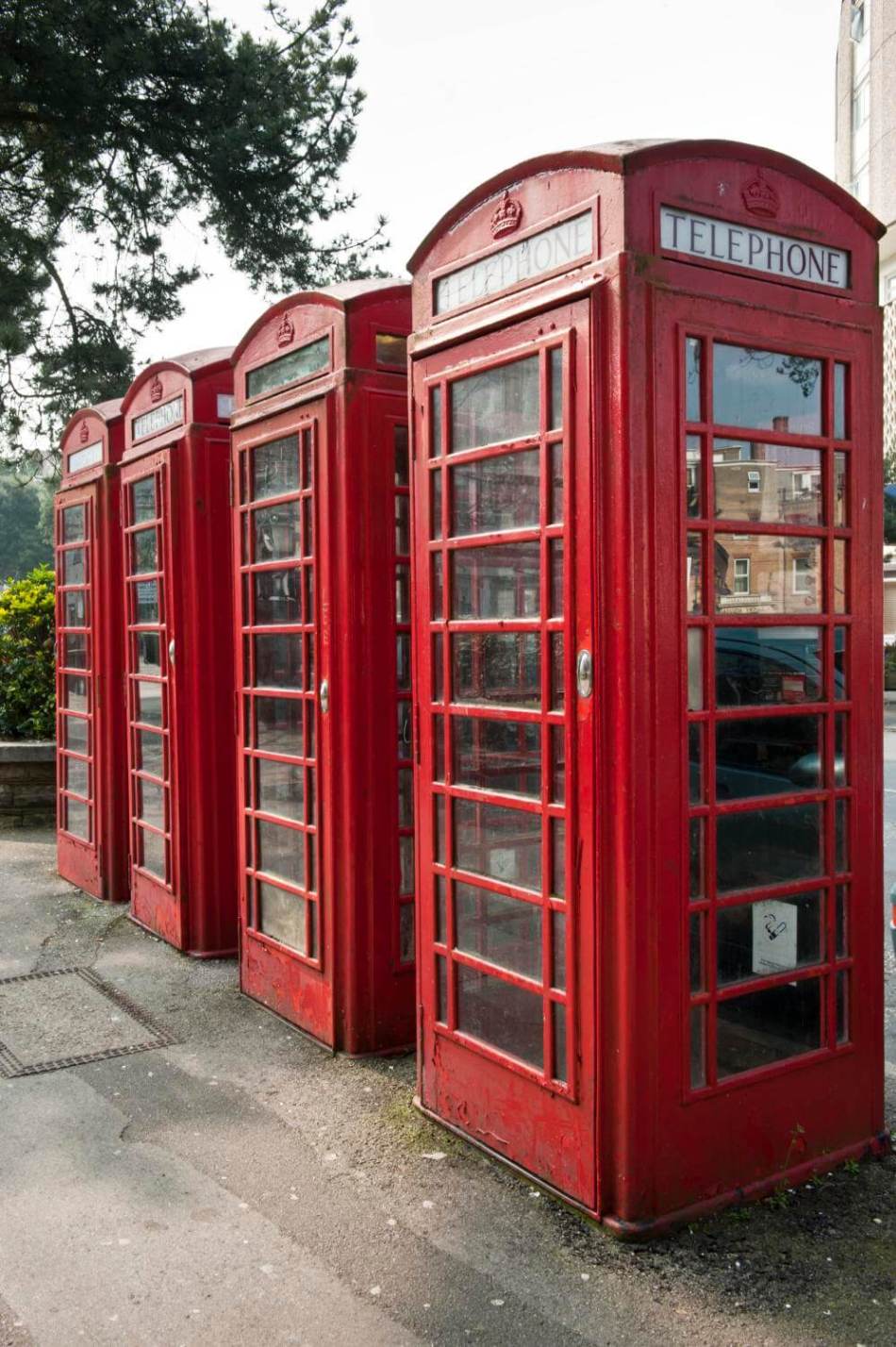
From 1921: Telephone boxes
Although many telephone boxes now have other uses (including libraries, first aid stations, and even coffee shops), they are still an important part of many high streets across the country, and can be a focal point in rural villages and towns.
In fact, in 2015, they were named as the nation’s favourite British design.
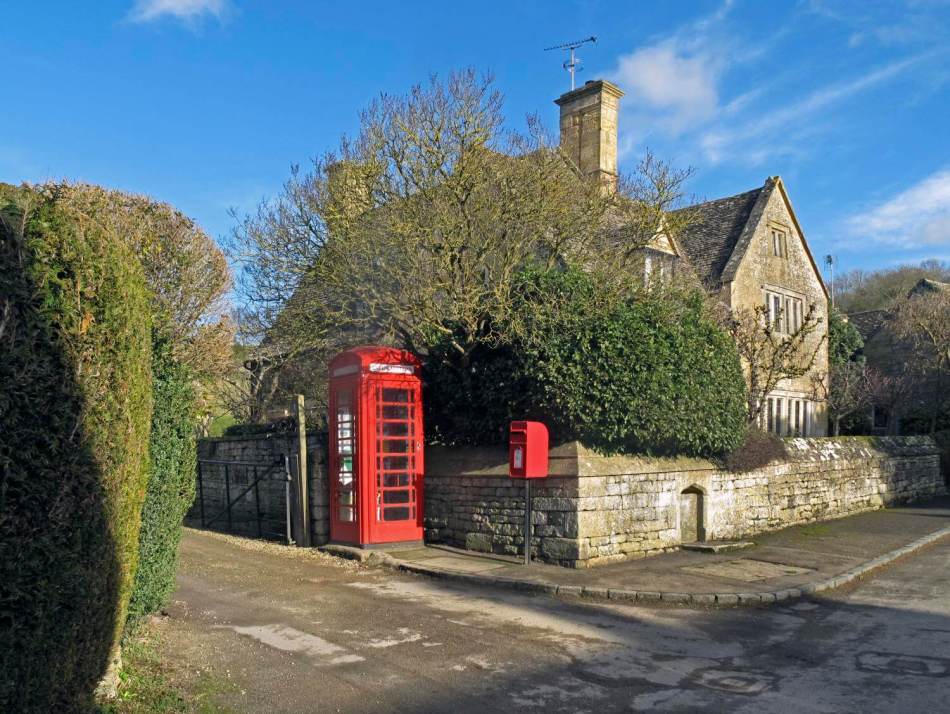
One of the earliest examples, known as the K1, was designed in 1921 and made from concrete with a red wooden door.
Since then, there have been many developments in the design, although the red K2 and K6, designed by architect Sir Giles Gilbert Scott, are the most well-known.
Not if you happen to live in Hull, though. You might not know that not all telephone boxes are red. In 2023, 2 rare K8 telephone boxes were listed in Hull, East Yorkshire.
Hull is the only place in England where the local council ran the public telephone network, having originally been granted a licence to operate from 1902. To demonstrate the network’s independence, these telephone boxes are painted cream.
And, of course, some very famous telephone boxes are a rather fetching shade of Blue! ‘Doctor Who’ first came to our screens in 1963, with the Doctor’s Tardis appearing as a police telephone box in the first ever episode.
Its designer, Gilbert Mackenzie Trench, was surveyor and architect to the Metropolitan Police from 1920 to 1945. These particular incarnations of the Tardis are now a rare sight in England, but examples can still be found in Sandside, North Yorkshire and Newton Linford, Leicestershire.
2025 and beyond: Your historic local heritage
Local discoveries are all around us. If you are inspired to discover more in your local area, find a place near you on the Local Heritage Hub.
Further reading
Leave a Reply