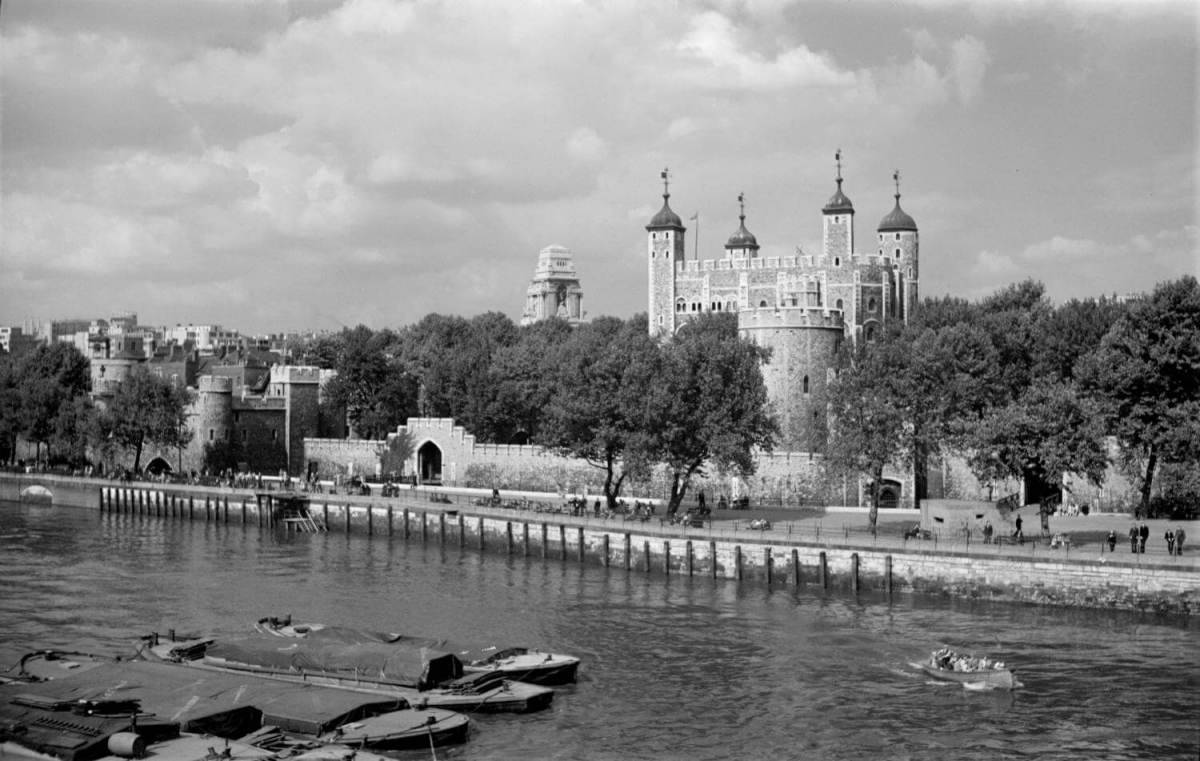
London is England’s capital city. As the seat of government, the focus of many cultural institutions, and the centre of national and historic rituals, ‘the Big Smoke’ is a rather important place.
But while London has had this role for a long time, it hasn’t always been the capital.
Here, we explore the locations that have played a part as the capital of England in centuries gone by.
Colchester, Essex
In AD 43, Emperor Claudius sent Roman legions to invade Britain and establish the new province of Britannia. Before this point, Britain was a patchwork of rival kingdoms. As Rome gently steamrolled their way over all opposition, a united land appeared for the first time.
The area around what is now London was at the intersection of different tribal territories and some way off from major tribal centres.
Colchester, then called ‘Camulodunum’, was the first centre of Roman power. It quickly became the capital.
Colchester Castle and the Temple of Claudius, now a Norman fort, was once the heart of the Roman city.
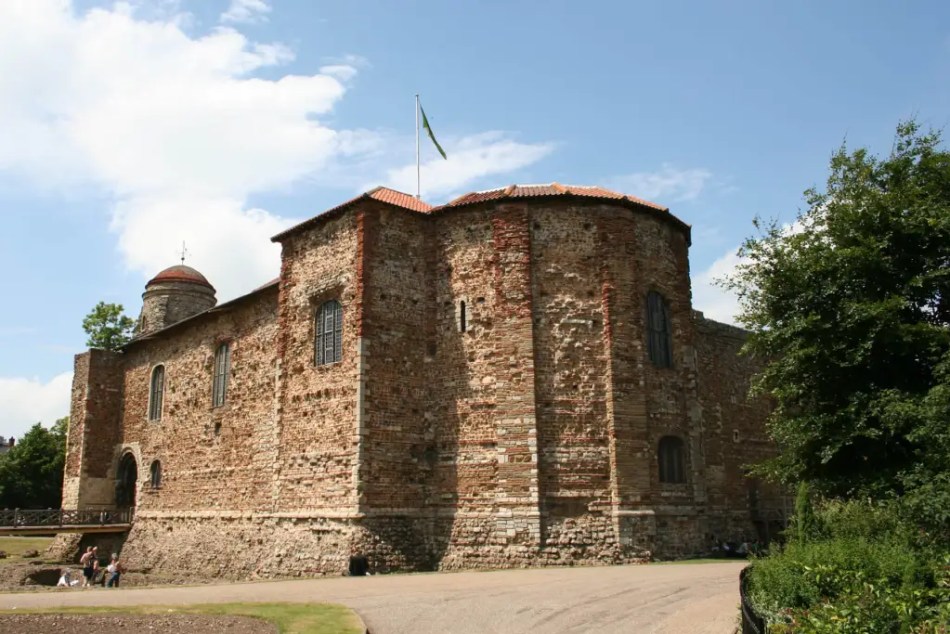
The site encompasses part of a Roman legionary fortress annexe, part of a Roman colony, and a classical temple, as well as a late Anglo-Saxon or Norman chapel, and a Norman hall-keep castle. The Temple of Claudius became the centre of the Roman imperial cult in Britain at the time.
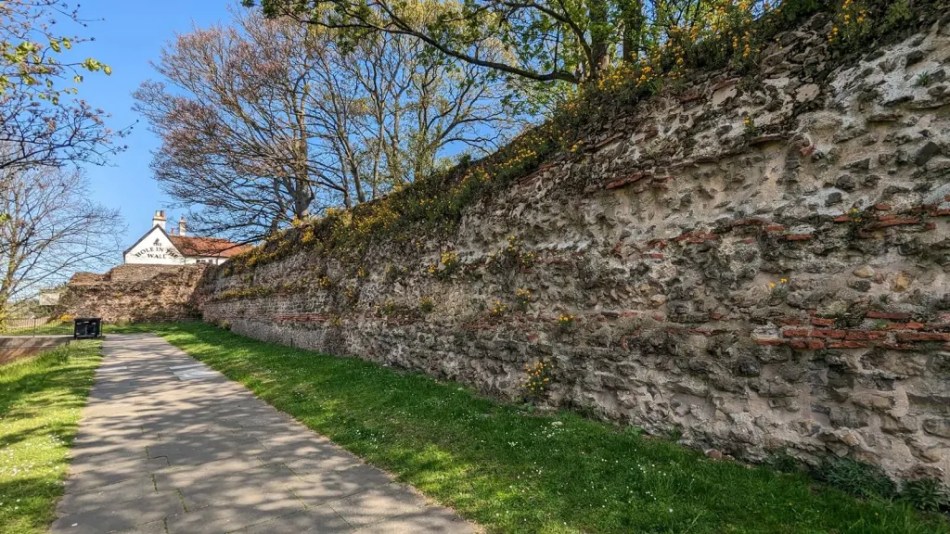
Remains of Colchester’s past city status can be seen with the remains of the Town Wall, which dates back to around AD 65 and 80. It is one of the most complete and longest Roman city walls in the country, and it can still be walked around today.
The Romans founded a port city at Londinium in AD 43, and both settlements were attacked and burned by Boudica in her revolt against Roman rule in AD 60. After the Romans regained control and rebuilt the cities, London’s better port facilities became evident, and it became the capital of the province.
Winchester, Hampshire
After the Romans left Britain in AD 410, the next dynasty to gain unified national control were the Anglo-Saxons. This was a long process and involved England being split into kingdoms of varying sizes, such as Wessex, Mercia and Kent.
The rulers of Wessex used Winchester as their capital, although there isn’t much evidence left of the Anglo-Saxons there now.
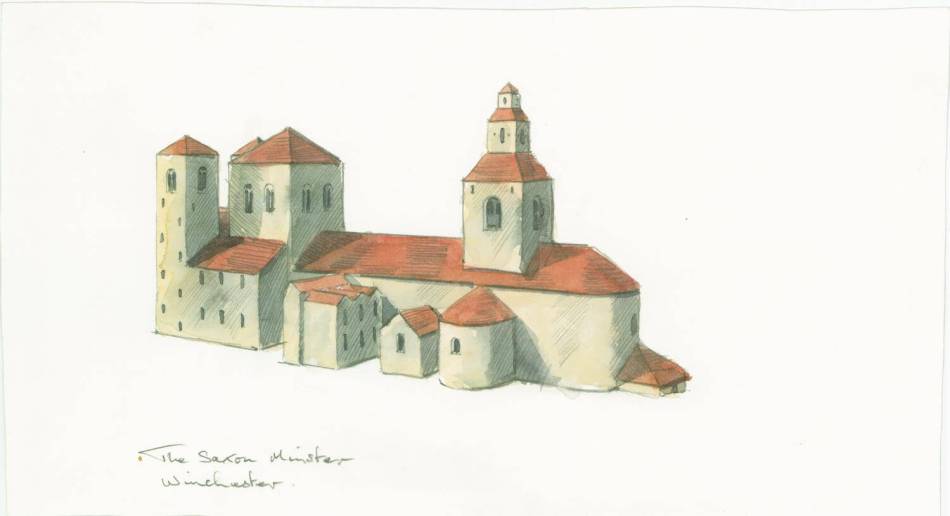
Structures like the tombs of King Alfred or St Swithun, the Old Minster, and the city walls have all been demolished or absorbed into other structures. The oldest parts of the city are around Winchester Cathedral Close.
Many of the tombs in the Old Minster were moved into the cathedral when it was built in the late 11th century, and St Swithun’s shrine was destroyed during the Dissolution of the Monasteries in 1539.
When did London become the capital of England?
When the Normans invaded England in 1066, they initiated something of a ‘rebrand’, and Winchester declined in importance to London. Some historians think that this was because Winchester had associations with the Viking ‘interloper’ Cnut (Canute).
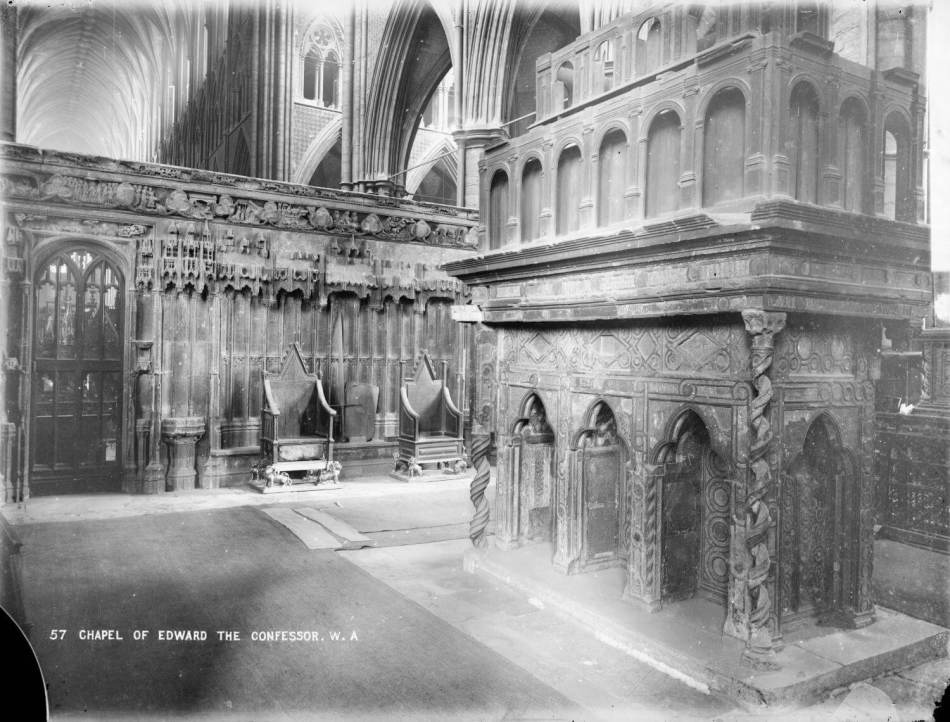
Before the Normans invaded, under Edward the Confessor (who reigned from 1042 to 1066), London’s prominence was becoming apparent. Edward often ruled from his palace at Westminster and built Westminster Abbey there, which was consecrated in 1065.
By the 13th and 14th centuries, London was a thriving centre of commerce, trade and finance, and the royal court and government offices became more established.
Oxford, Oxfordshire
After London grew from strength to strength as the capital of England under the Plantagenet and Tudor monarchs, it next lost its capital status – at least from the Royalist point of view – to Oxford during the English Civil War (1642 to 1651).
In 1642, after managing to royally upset his own parliament, Charles I established his new capital in the university town. Thanks to an old arrangement with Lord High Chancellor Cardinal Wolsey during Henry VIII’s reign, any English monarch visiting Oxford was allowed to use Christ Church College as their official residence.
As such, Charles moved into the Dean’s lodge, while much of his court and his servants were quartered in the college and its neighbours.
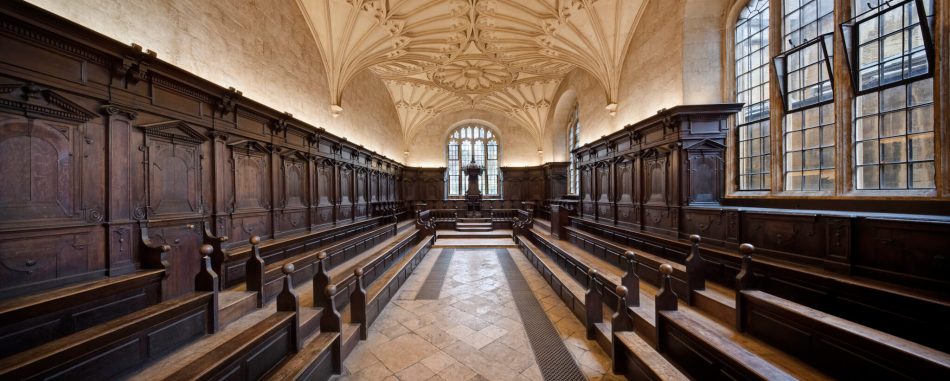
What made the ‘City of Dreaming Spires’ a capital during this time was the fact that a new ‘mongrel parliament’ met here to debate, vote, and pass laws. The Convocation House was where the House of Commons sat, and you can still get a sense today of what that government must have felt like.
Oxford fell to Parliamentary forces in 1646, after just 4 years of being the capital of half the country. London retook its position and has been the capital ever since.
Where else has had capital status in England?
England has also had numerous regional capital cities throughout its history, including places that concurrently ruled over smaller provinces or kingdoms. Since over a millennium has passed between then and now, we can’t be as certain that they were all truly thought of as a ‘capital’.
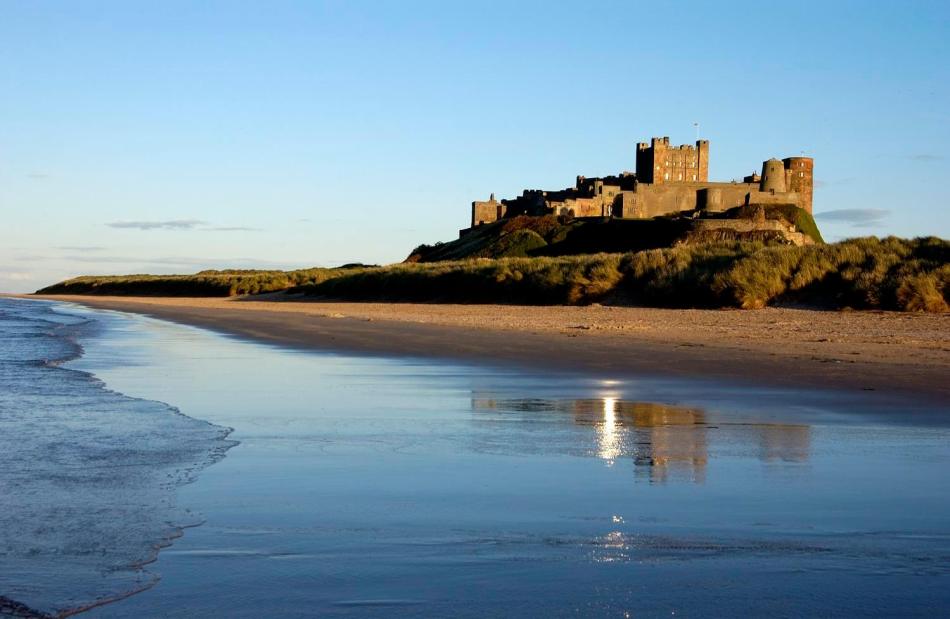
However, to give you a flavour of these smaller capitals:
• Bamburgh in Northumberland was a seat of power for the Kingdom of Northumbria in the early Anglo-Saxon period, specifically for the north-eastern part called Bernicia
• Carlisle in Cumbria may have been the capital of a Roman province, but it was dominant in the kingdoms of Cumbria, Northumberland and Strathclyde
• Chester in Cheshire began as a Roman military town and later became a sub-provincial capital. Some even theorise that it was intended to replace Londinium
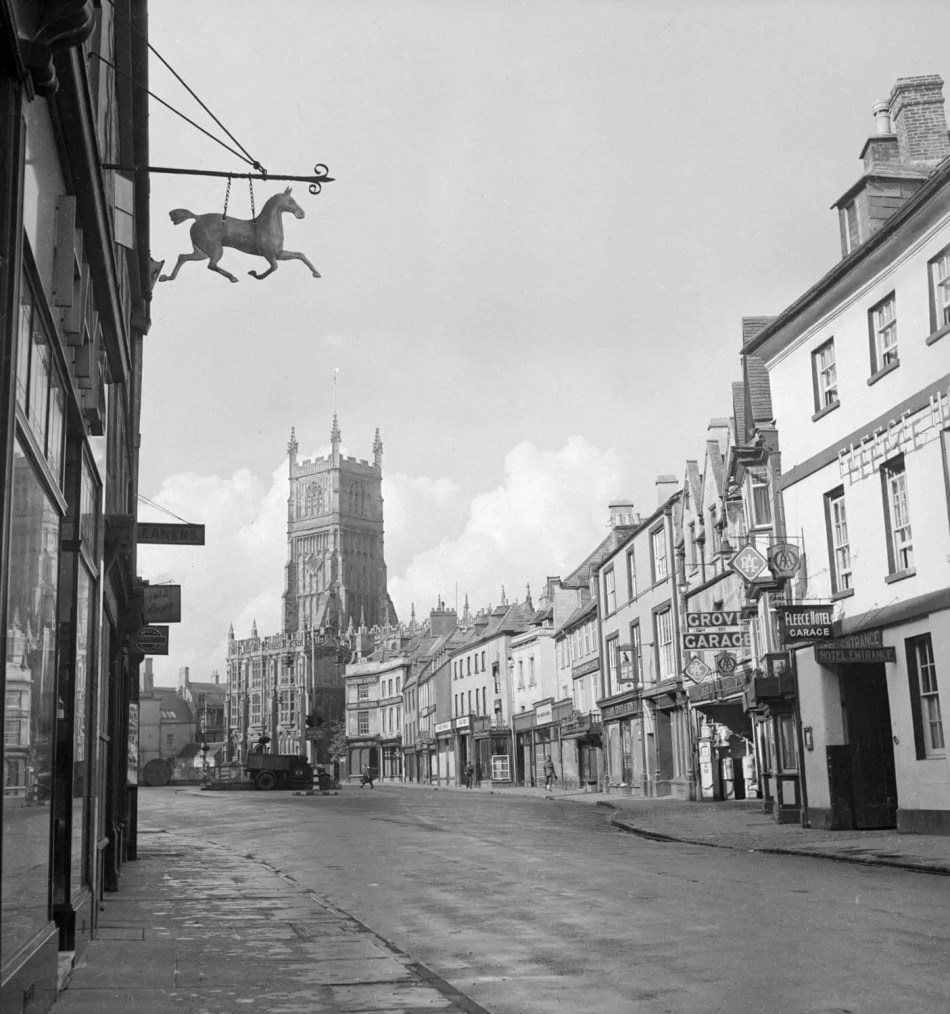
• Cirencester in Gloucestershire was also the capital of a sub-province under Roman rule, and it may have briefly been the centre of a post-Roman territory after Roman rule finished
• Gloucester in Gloucestershire was an important centre for the Hwicce, a small Anglo-Saxon kingdom in the west of England
• Lincoln in Lincolnshire might have been the capital of another Roman sub-province. It was the main town of the small Anglo-Saxon kingdom of Lindsey
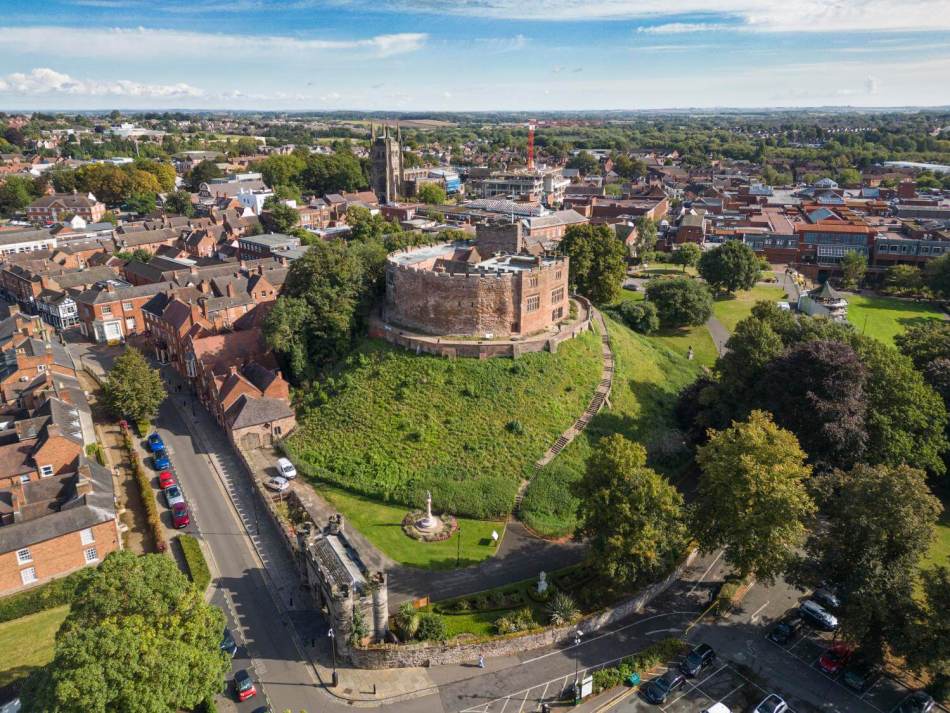
• Northampton in Northamptonshire and Tamworth in Staffordshire were probably both capitals of Anglo-Saxon Mercia at one time or another
• Truro has long been the capital of Cornwall, which was an independent country for much of its history
• Worcester in Worcestershire may have been another important centre for the Hwicce in Anglo-Saxon England
• York in North Yorkshire has a long history of being important as a Roman sub-provincial capital, the capital of Northumbria under the Anglo-Saxons, and was a major centre during the Viking era
Discover your historic local heritage
Hidden local histories are all around us. Find a place near you on the Local Heritage Hub.
Further reading
Leave a Reply