England has a rich Jewish queer history that dates back at least to the 19th century.
From safe spaces for socialising to stories of protest and performance, each location tells an important story. At first glance, many of the places may seem quite ordinary, but for LGBTQ+ Jews, they were vibrant social spaces and homes away from discrimination.
Here we explore 6 places connected to queer Jewish history in London that you might not know about, plus an additional place in Brighton and Hove.
1. Hyde Park, London: Jewish Lesbian and Gay Helpline at the Walkabout in 1992
Hyde Park’s connection to Jewish queer history comes from the Chief Rabbi’s Community Walk for Charity, which was held there in 1992.
The Jewish Lesbian and Gay Helpline and Jewish Lesbians marched at the charity walkabout to raise awareness of the work of the helpline.
Opened in 1988, the helpline was the first ever queer Jewish telephone support service. It supported hundreds of queer Jews and provided support on religious pressure, isolation, relationships, and medical concerns surrounding AIDS and HIV.
The helpline was completely confidential and run by queer Jews for queer Jews. In addition to being advertised at the walkabout and various Pride events, the helpline had an advertisement in the 12th issue of the ‘Jewish Socialist Magazine’ in 1988.
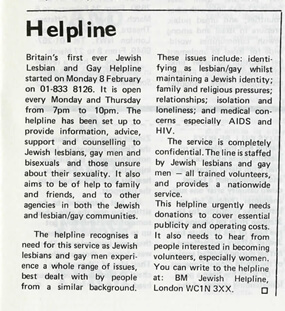
It was also advertised at different national conferences and was a key pillar of support for the community.
The Jewish Lesbian and Gay Helpline didn’t just exclusively support queer Jews, but also their families. They are now known as the Jewish LGBTQ+ group and are partnered with Brighton and Hove LGBT Switchboard, which continues to provide advice and support.
2. Gateways Club, Chelsea, London: Jewish-owned lesbian nightclub
The Gateways Club on the King’s Road in Chelsea was a Jewish-owned lesbian nightclub, popular within the queer community in the 20th century. It was taken over by Ted Ware in 1943 and turned into a sanctuary for people from marginalised groups.
When Ted married Gina Cerrato, it became the best-known lesbian club in London. With her ‘right-hand woman’ Smithy (an American who served the US Air Force), Gina began to run the club full time. It became women-only in 1967.
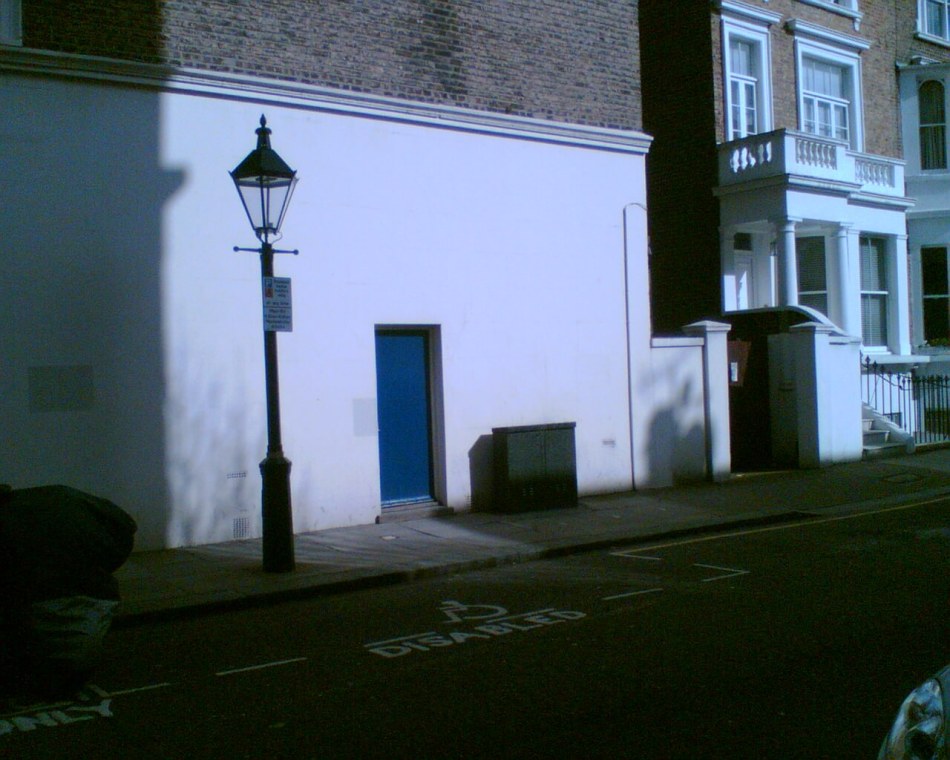
It was a safe space for all lesbians from different backgrounds and faiths. In the journal article ‘20th-Century Jewish LGBTQ London’, James Lesh wrote about how Jewish lesbian patrons at Gateways recognised each other from Jewish youth groups. Some were able to form relationships, even if only in secret.
In oral histories, the Gateways Club is recalled as being a small, dark room. It was members-only, and women had to apply in advance for membership and pay an annual fee of 10 shillings. Its private status as a club helped shield it from police scrutiny.
The club was so iconic that it featured as the backdrop to the 1968 film ‘The Killing of Sister George’, with its regulars dancing closely in the background, outing themselves on screen.
The decline of the club began when Ted Ware died in 1979. Younger lesbians started frequenting other ‘trendier’ spots, and the club lost its late license and closed in 1985.
It leaves a legacy of being an iconic spot for lesbians of all classes and faiths to find sanctuary, make friends and have fun.
3. The Black Cap, London: Jewish Lesbian Group
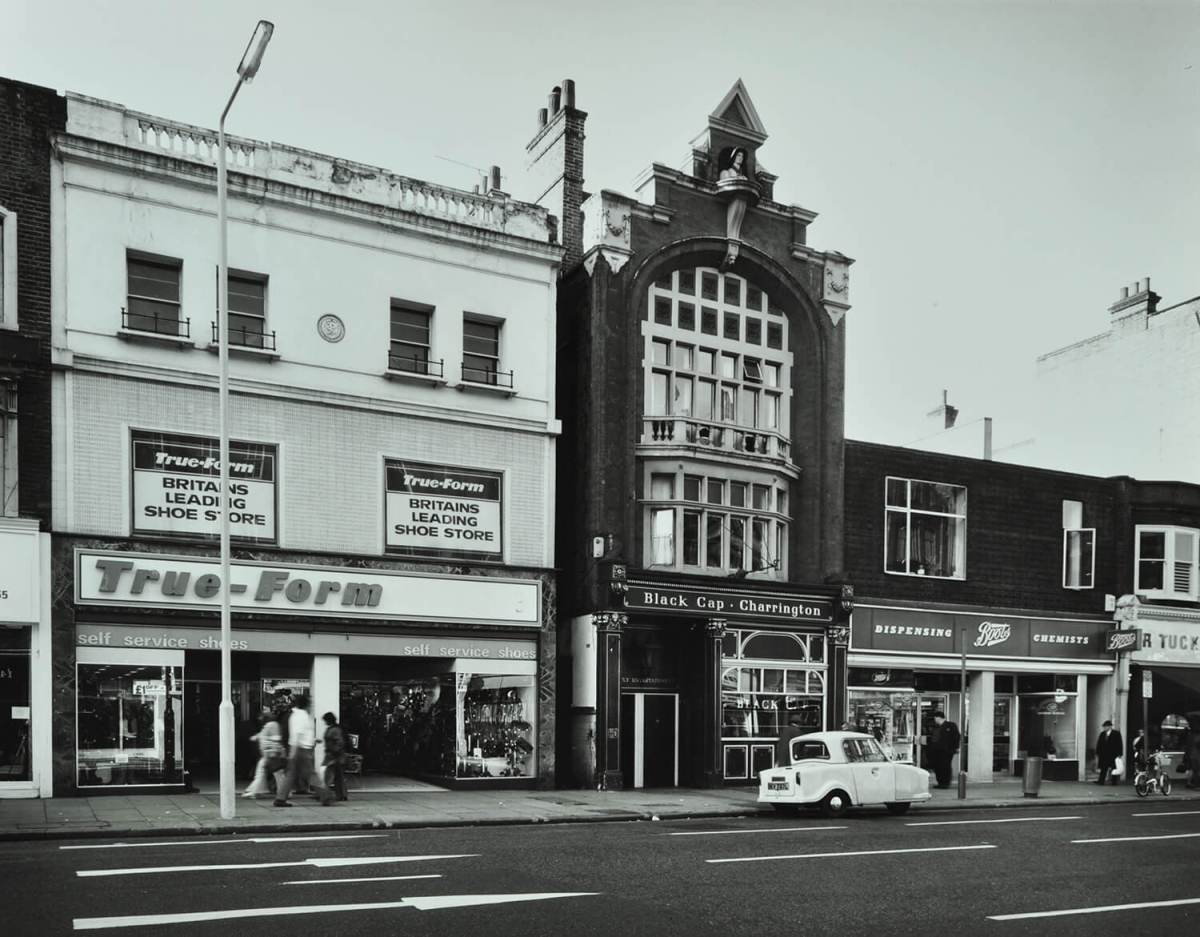
The Black Cap is a pub and cabaret bar in Camden, London, which traded for over 250 years before its closure in 2015. Here, the Jewish Lesbian Group held their bi-weekly meetings.
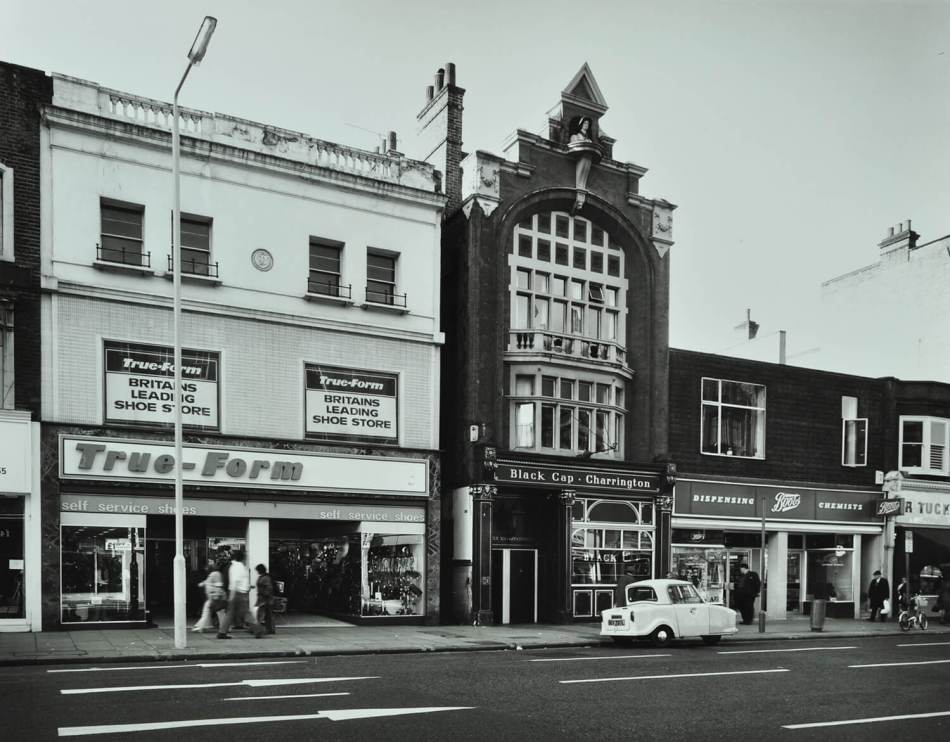
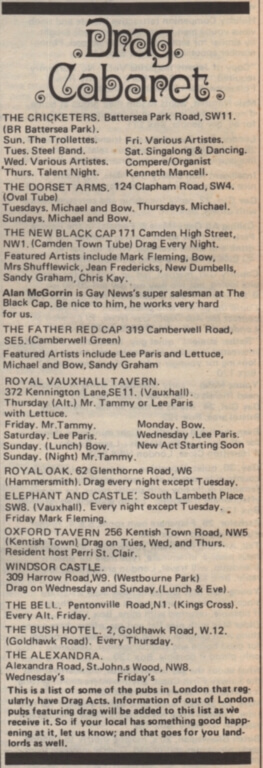
In the early to mid-1960s, the Black Cap was one of London’s leading LGBTQ+ cabaret bars. It was so popular that in 1969, an American filmmaker made a short documentary featuring some of the bar’s drag performers. The Black Cap featured queer Jewish performers such as Mark Fleming, a drag queen who was known for singing in baritone.
It was a space to be free before the decriminalisation of homosexuality. Today, it is still an iconic pillar of drag culture, coined as the ‘Palladium of Drag ’.
4. The Wiener Holocaust Library, London: Pink Triangles
In 1937, the German SS (the paramilitary organisation Schutzstaffel) created a system of marking prisoners in concentration camps. The colour-coded badges sewn onto uniforms identified different groups. The symbol used for gay men was the pink triangle. The Gestapo (the Nazi secret police) kept a ‘pink list’ of violators.
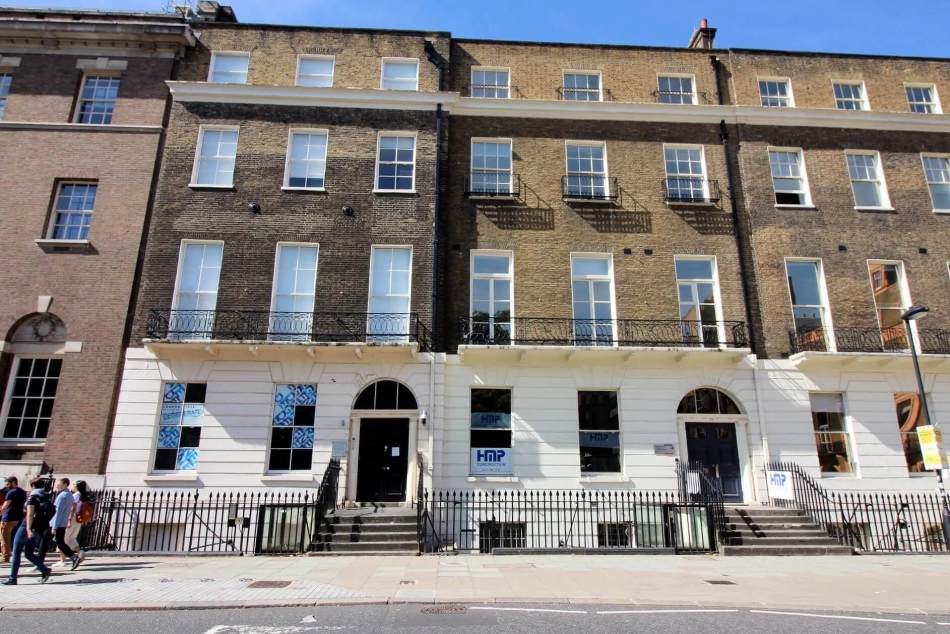
The comments section for the listed building entry for 25 to 29 Russell Square in London, which includes the Wiener Holocaust Library, discusses the symbolism and origin of the pink triangle.
The library is one of the world’s leading and most extensive archives on the Holocaust, the Nazi era and genocide. The library’s archive holds items that demonstrate the persecution faced by gay people in Nazi Germany.
At the end of the war, liberation for gay survivors was only partial, as they re-entered a society where their sexuality was still criminalised.
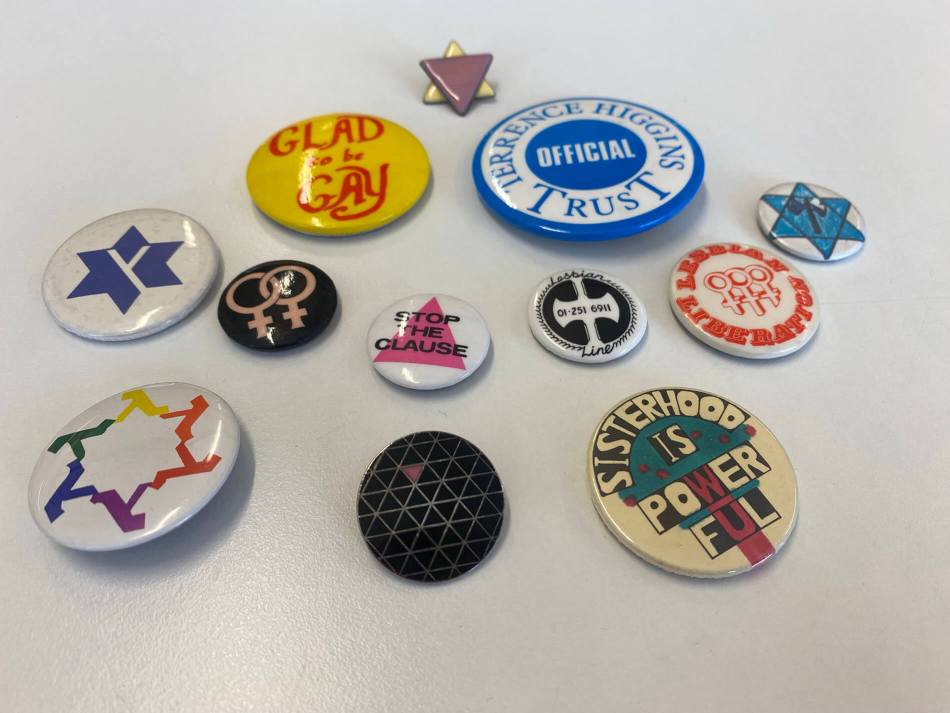
From the 1970s, queer people reclaimed the pink triangle and made it into a symbol of pride, power, and remembrance.
5. The Kings Arms, London: The Jewish Gay Group
The Kings Arms is an iconic gay bar in the heart of Soho. It turned from a gentlemen’s bar to a gay bar in 1981. It continues to thrive, featuring in many queer London tour guides.
It was once the location of the Jewish Gay Group’s regular meetups. The classified section of ‘Time Out Magazine’ advertised that they met there on the first Tuesday of every month, and it was even featured in the 1986 Jewish London guidebook.
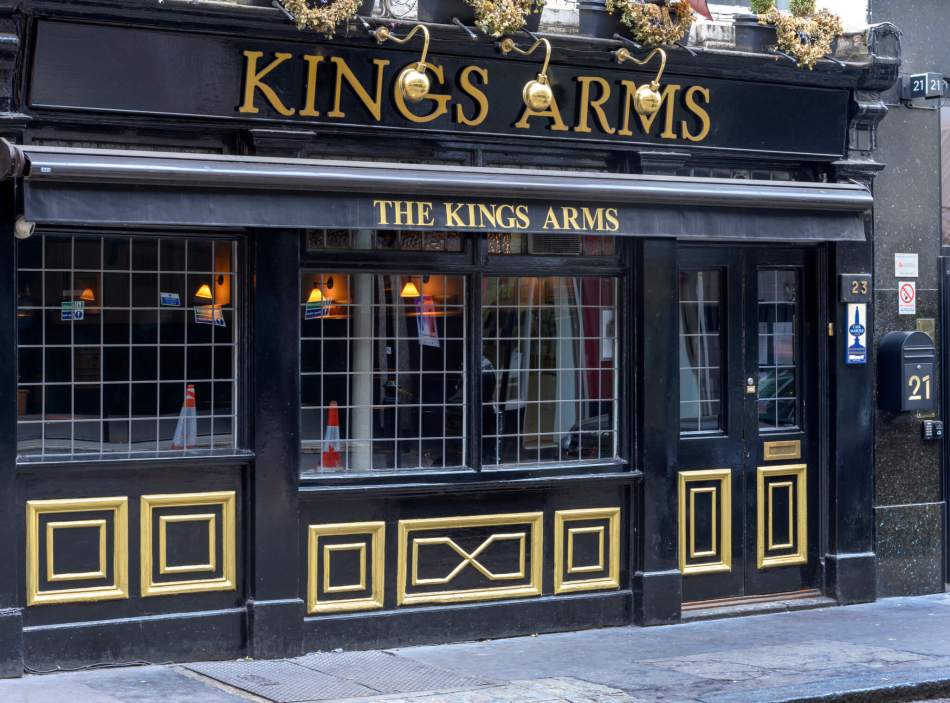
Founded in 1973, gay Jewish men would meet for social events such as pub nights, conferences, and Shabbat. They later expanded to the Jewish Gay and Lesbian Group and then became the Jewish LGBTQ+ group.
This is the longest-established Jewish LGBTQ+ group in the world.
The choice of using the Kings Arms as a regular venue excluded lesbians, so the group pivoted to different spaces to be more accommodating for all. As well as creating a safe social space for queer Jews, the group further set up helplines for people living with AIDS and regularly educated people on safe sex.
The group had over 100 members, with the aim of providing an atmosphere of friendship and support for queer Jews. They acted as ambassadors between the ‘gay and Jewish’ world, trying to build a bridge between and dispel prejudice for both minorities and those with intersecting identities.
6. The Colony Room Club, London: Jewish lesbian-owned club
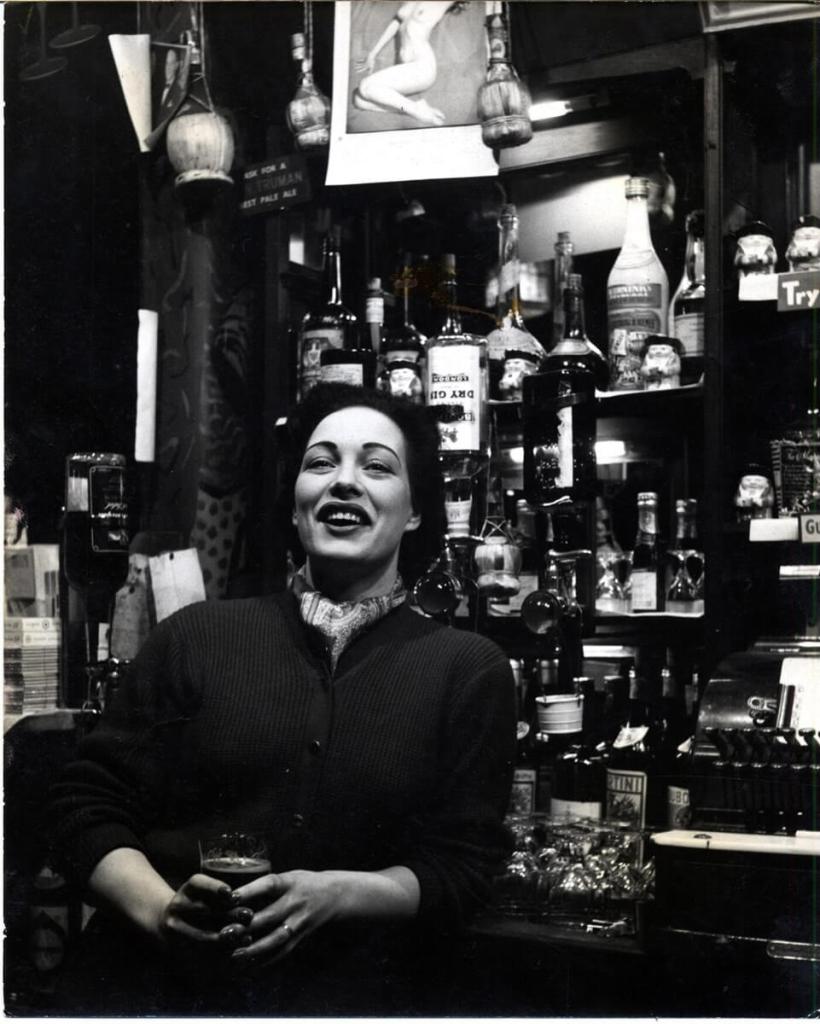
The Colony Room Club in Soho, London, was a haven for queer people after the pressures of the Second World War. It was run by Muriel Belcher, a non-practicing Jew and lesbian. In 1948, she secured an evening drinking license for the private members club.
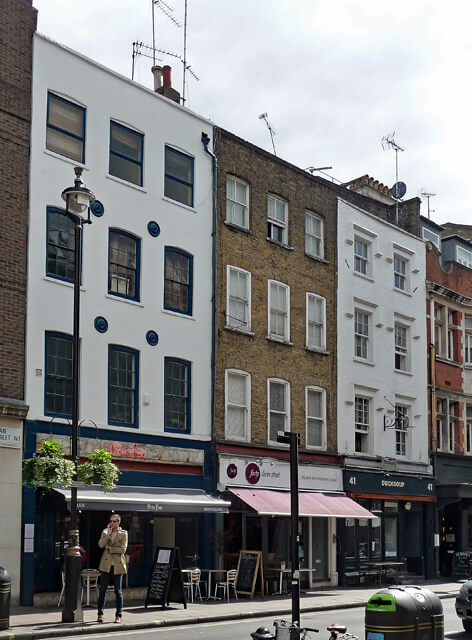
Muriel’s open attitude to sexuality was one of the things that attracted gay men to the space. Her girlfriend, Carmel, also made the venue popular among gay men as she was a pillar in the community.
Artist Francis Bacon worked closely with Muriel and became one of the club’s founding members. Bacon was said to have used the club as a ‘creative launchpad’ where he could meet like-minded people and find inspiration for his art. He was jokingly referred to as ‘Muriel’s daughter’.
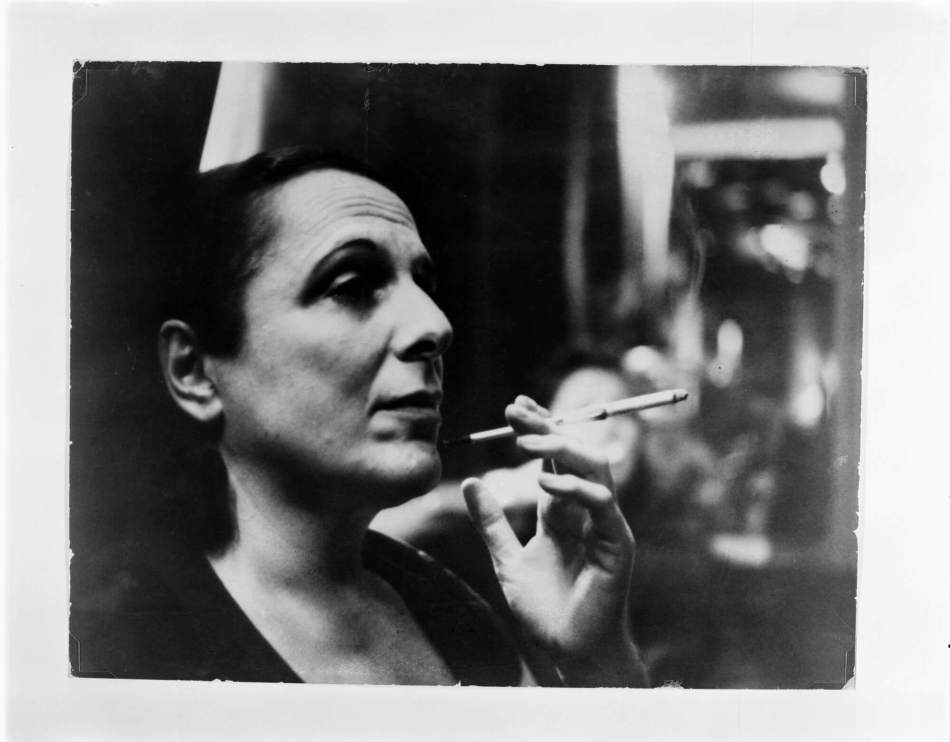
The Colony Room was home to many of London’s artists, creatives and queers. A regular patron was Otto Lucas, a wildly successful Jewish and gay milliner with internationally renowned designs.
Despite its closure in 2008, the Colony Room Club will be remembered as a place where ‘misfits’ or ‘outsiders’ could feel a sense of belonging.
In addition: Brighton and Hove Progressive Synagogue, Hove: Pioneering LGBTQ+ inclusion
The Brighton and Hove Progressive Synagogue has pioneered a safe space and community for queer Jews. Elli Tikvah Sarah was the Rabbi from 2000 to 2021, becoming the first lesbian to lead a mainstream congregation worldwide.
She is a pioneer for LGBTQ+ inclusion and actively fought to create a safe space for queer Jews within the community, championing it into a fully inclusive and accessible space for all gender identities and sexualities.
Some of these features include a lift and no bimah (a raised platform), so it’s physically and mentally easier for people to face the congregation. As well as being fully accessible, the synagogue offers gender-neutral bathrooms and baby changing tables in men’s and women’s facilities. It even has a rainbow ark, where the Torah scrolls are kept. It is also featured in the ‘Queer Brighton trail’.
The synagogue has championed how queer people are treated in Jewish spaces. It is an inspiring example of how LGBTQ+ Jews can celebrate their faith and love in tandem.
Written by Emily Jordan
To see more locations with queer Jewish history, see our Missing Pieces Project page exploring the built environment and Jewish LGBTQ History.
Further reading
Leave a Reply