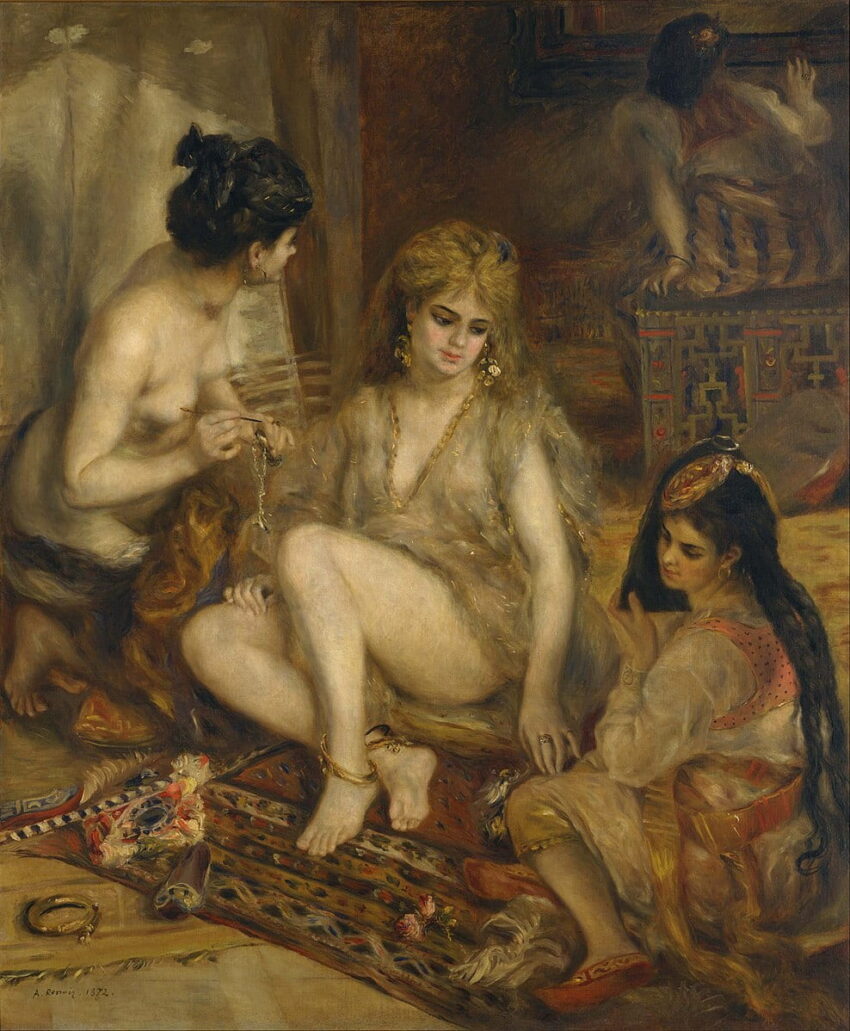
by Kai Mora In 1453, the Ottoman Empire rose to Europe’s east, took Constantinople, renamed it Istanbul, and replaced the Cross with the Crescent. Obstructing the lucrative trade routes of Asia, this drove Europeans westward in search of other routes, the context for the arrival of Europeans on the Senegambian coast. By the early nineteenth…
Author: Admin
The First Five-Year Plan, Stalinism, and the Fate of Marxist Political Economy in the USSR – JHI Blog
by Véronique Mickisch For most, Marxist political economy is synonymous with planning. Perhaps no planning experiment has been associated as closely with Marxist economics as the First Five-Year Plan, initiated in 1928. This can be explained, at least in part, by the immense material changes it brought about within the Soviet Union. According to Robert…
Best of 2025 – JHI Blog
by the Primary Editors This selection of essays and interviews reflects the wide range of scholarship published here on the blog in 2025. What is Post-Fascism?, by Sven Reichardt The Other Bataille: An Interview with Benjamin Noys and Alberto Toscano, by Jared Bly Hegel’s “Brown Rivulet of Coffee”: Colonies, Commodities, and Context, by Marie Louise…
Reflections on Intellectual History, Marxism, and Capitalism’s Unthought – JHI Blog
by Nate Holdren In his post to open this Forum on political economy, Mikkel Flohr argues that Marxism can help us to treat “ideas as socially embedded, historically conditioned, and politically effective.” I agree completely with Flohr’s valuable contribution. In this post, I propose three adjacent senses of the term ‘political economy,’ intended to help…
Exploitation and Control of Transport Workers in Colonial Calcutta – JHI Blog
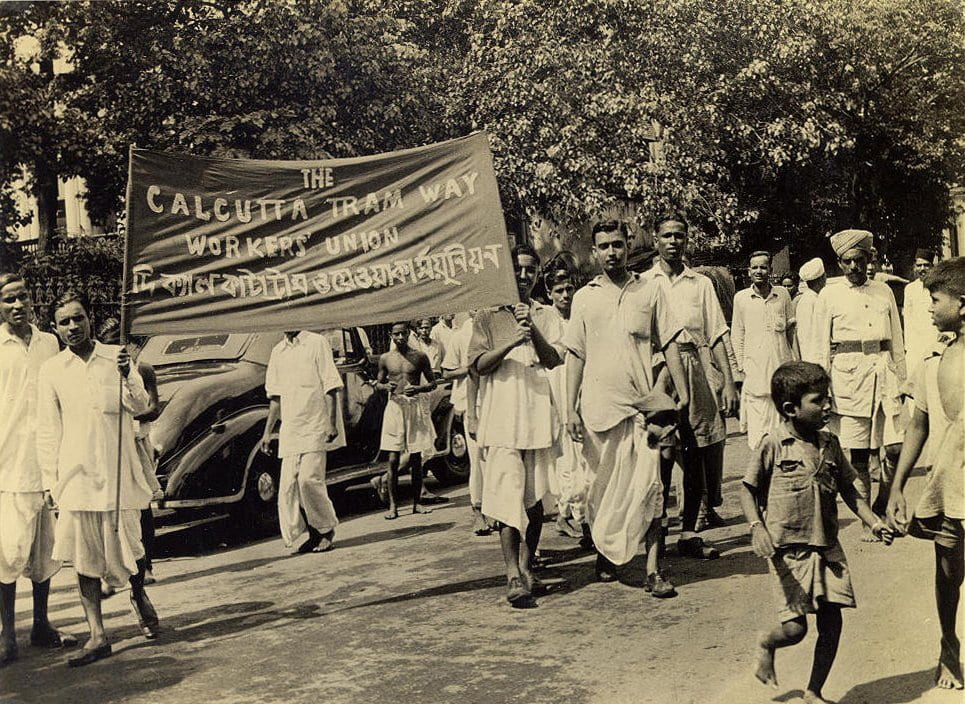
by Amartyajyoti Basu The story of modern capitalism is often told through the lens of the factory whistle and the punch clock – symbols of progress and industrial modernity. Yet, in colonial Calcutta, between 1920 and 1960, these symbols represented something far more sinister: a system of exploitation that used time itself as an instrument…
The Repressed Political Economy of Global Intellectual History – JHI Blog
by Veronica Lazăr Intellectual history’s recent global turn signaled the need for both an epistemic renewal of the field and its strong repoliticization. Global intellectual history is at least partially a result of the critical forces that, for decades, had denounced the blatant Eurocentrism of hegemonic Western systems of knowledge. The global turn strives to…
An Interview with Federico Marcon (Part II) – JHI Blog
by Jonathon Catlin This is Part II of Jonathon Catlin’s interview with Federico Marcon about his latest book, Fascism: History of a Word (University of Chicago Press, 2025). Following their discussion in Part I about the semantic origins and transformations of the term, Marcon’s semiotics-inspired methodology, and the importance of examining this concept on a…
An Interview with Julien Stout – JHI Blog
By Carolina Iribarren It was not terribly recently (1967) that Roland Barthes’s field-shaking essay “La mort de l’auteur” (“The Death of the Author”) first appeared. In it, Barthes argued that, in the late nineteenth century, the “empire” of the author—that “modern” figure peddled by “classical criticism” and bolstered by the rise of individualism, positivism, and…
On Adam Smith’s Alleged Sobriety – JHI Blog
by Lotte List “The expression ‘Sattelzeit,’” Reinhart Koselleck once quipped, “is obviously a trick concept [Kunstbegriff] which I used to get money!” (195). Nevertheless, since then, the notion of a “saddle period” in European history from the mid-eighteenth to the mid-nineteenth centuries has gained popularity as a methodological concept. It has spilled over from intellectual…
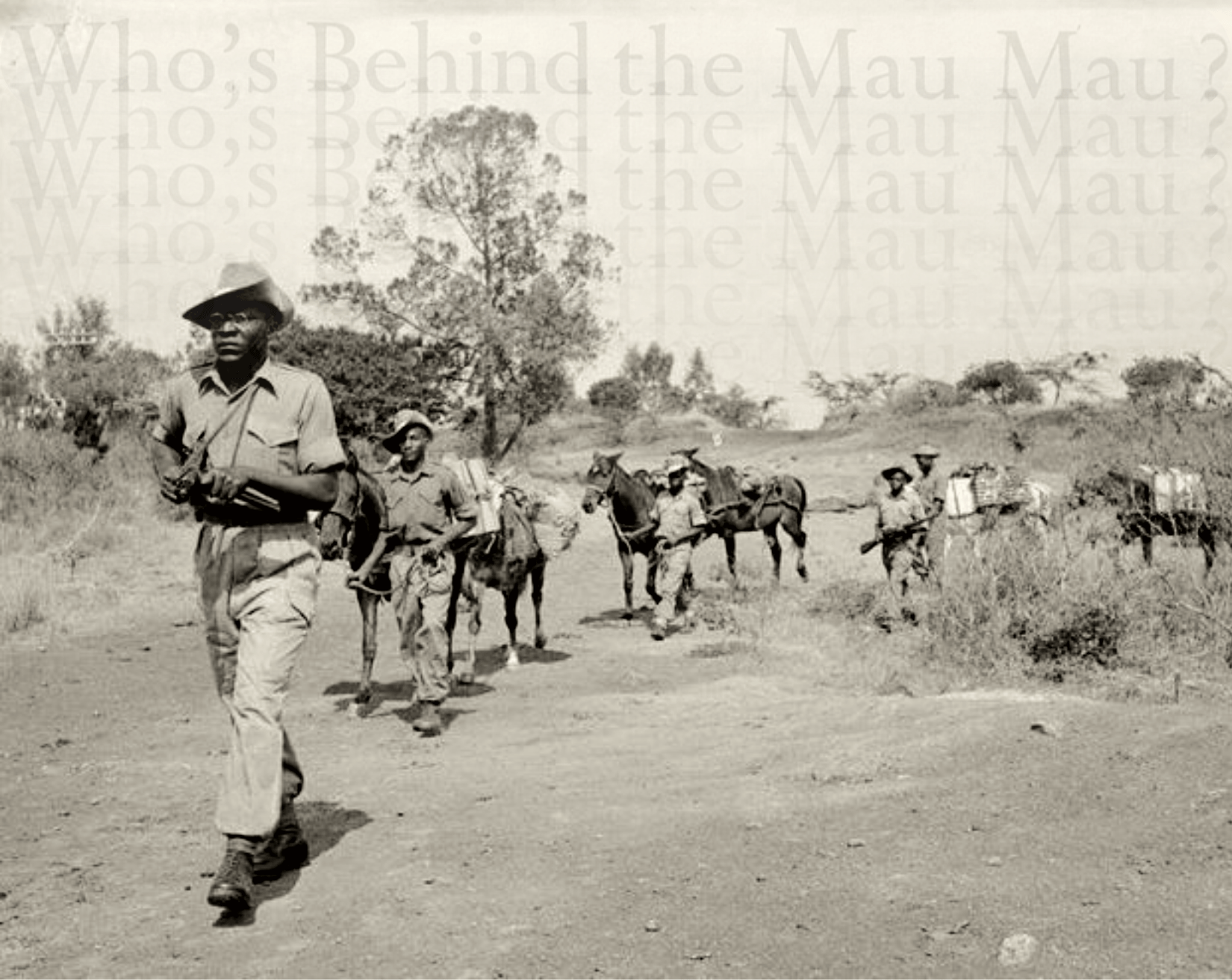
Mau Mau and/as Conspiracy: A Reconsideration
by Christian Alvarado The Mau Mau conspiracy will fail. There is no doubt about that. It started too soon and was on too small a scale. The forces on the side of law and order are being constantly strengthened in numbers and by training. But it is not enough to crush the Mau Mau: How…