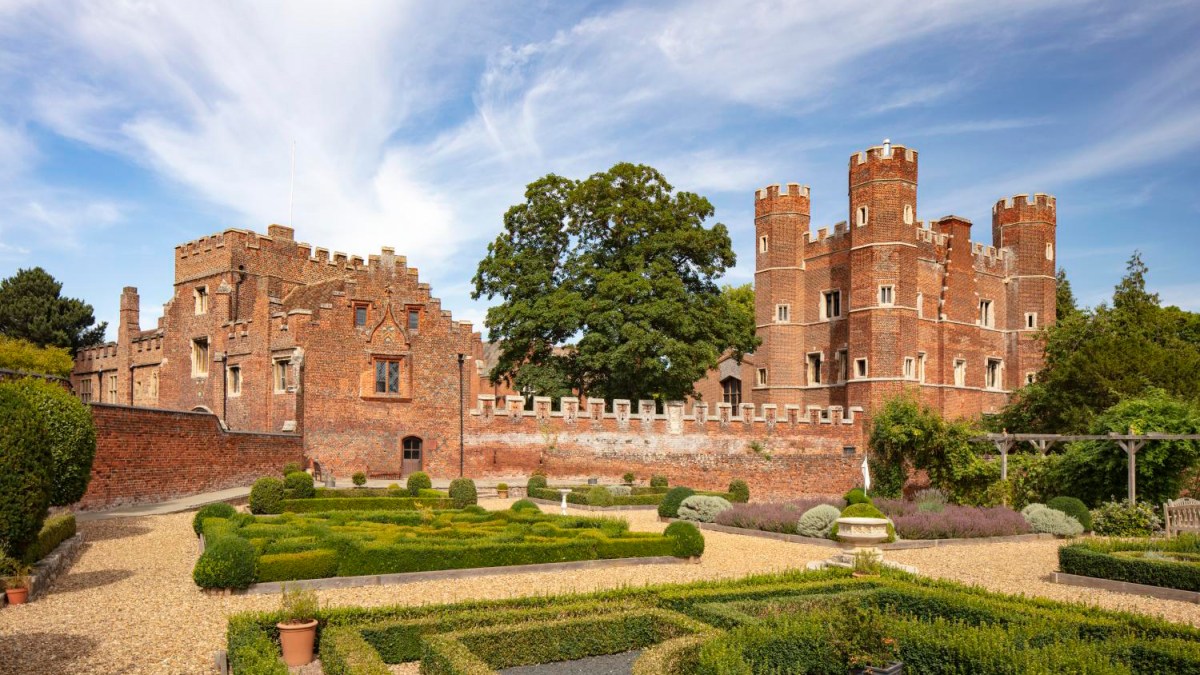
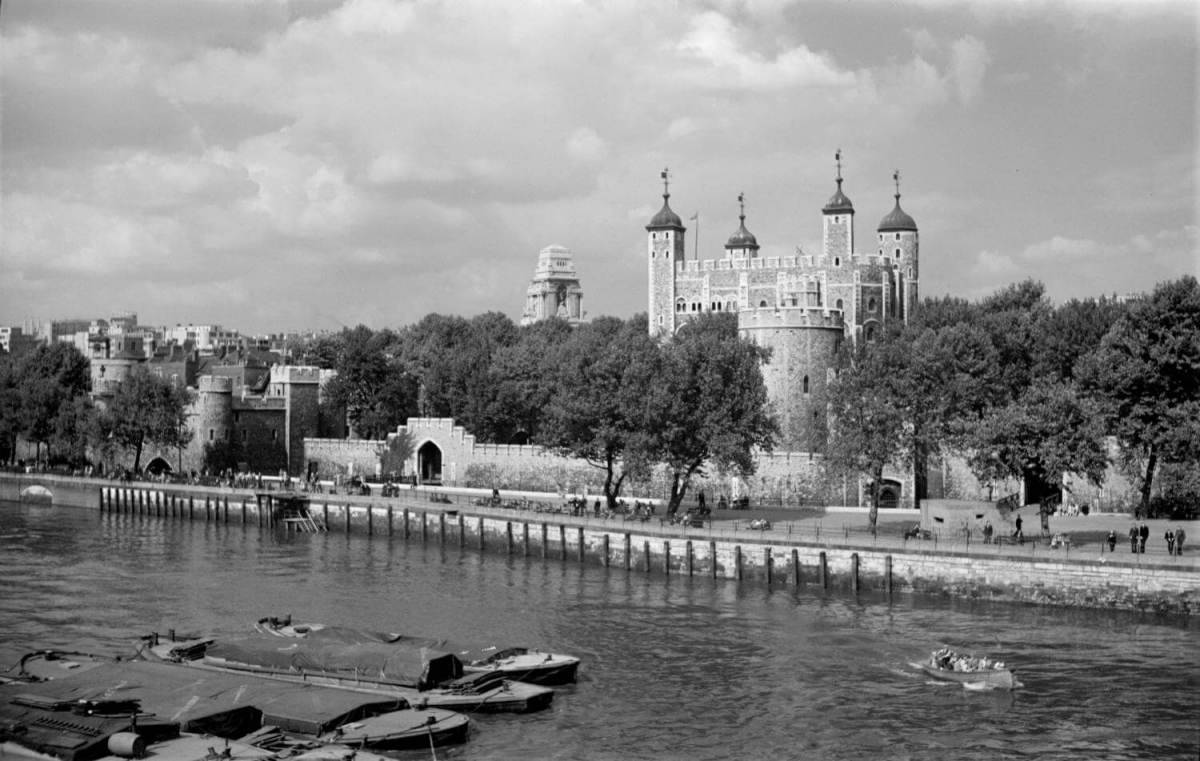
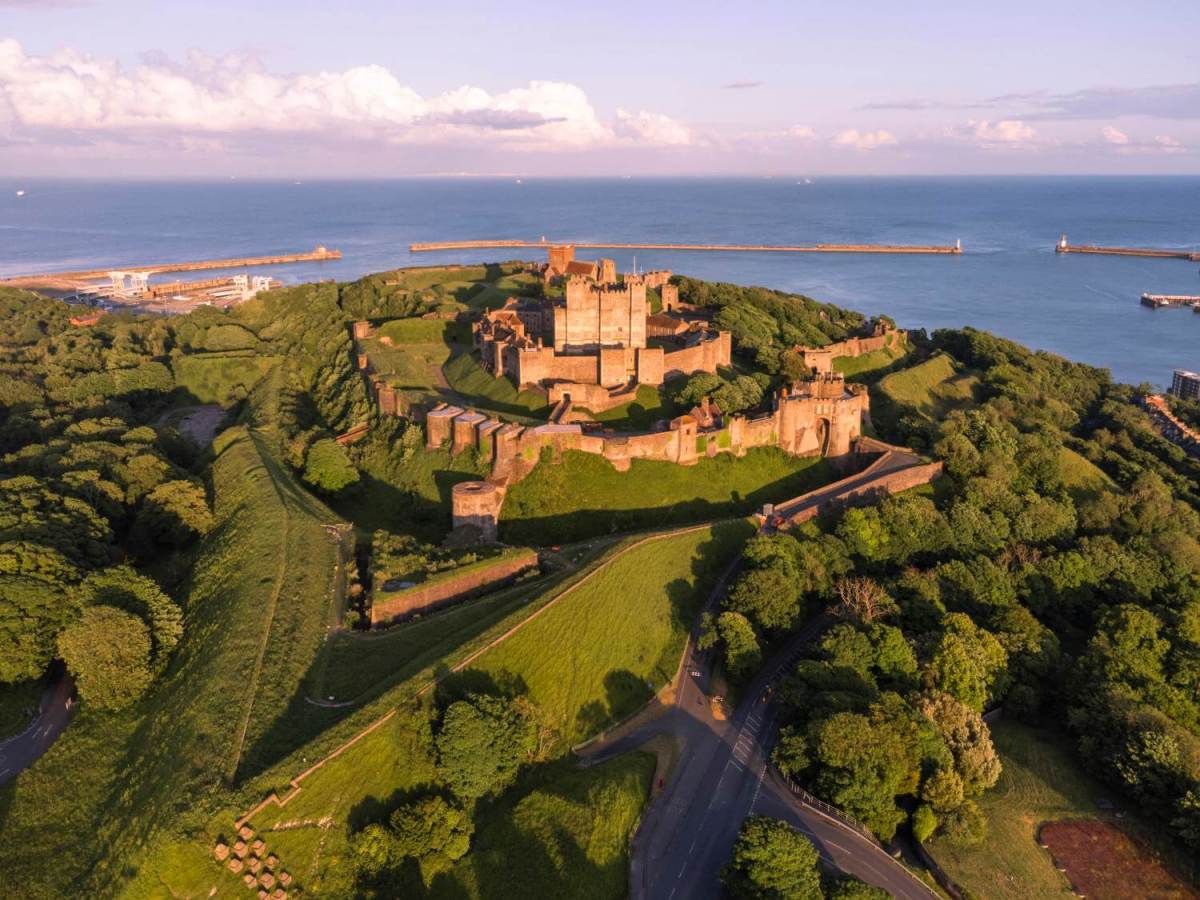
A castle is a fortified structure built by monarchs and nobility, serving as a residence and a stronghold. Strategically located to control key territories, castles were vital in medieval military and political landscapes. Castles also indicated status and displayed their owners’ wealth and power. While ruined castles can look bleak and inhospitable today, many would…
Author: Admin
What Happened After the End of Roman Rule in Britain?
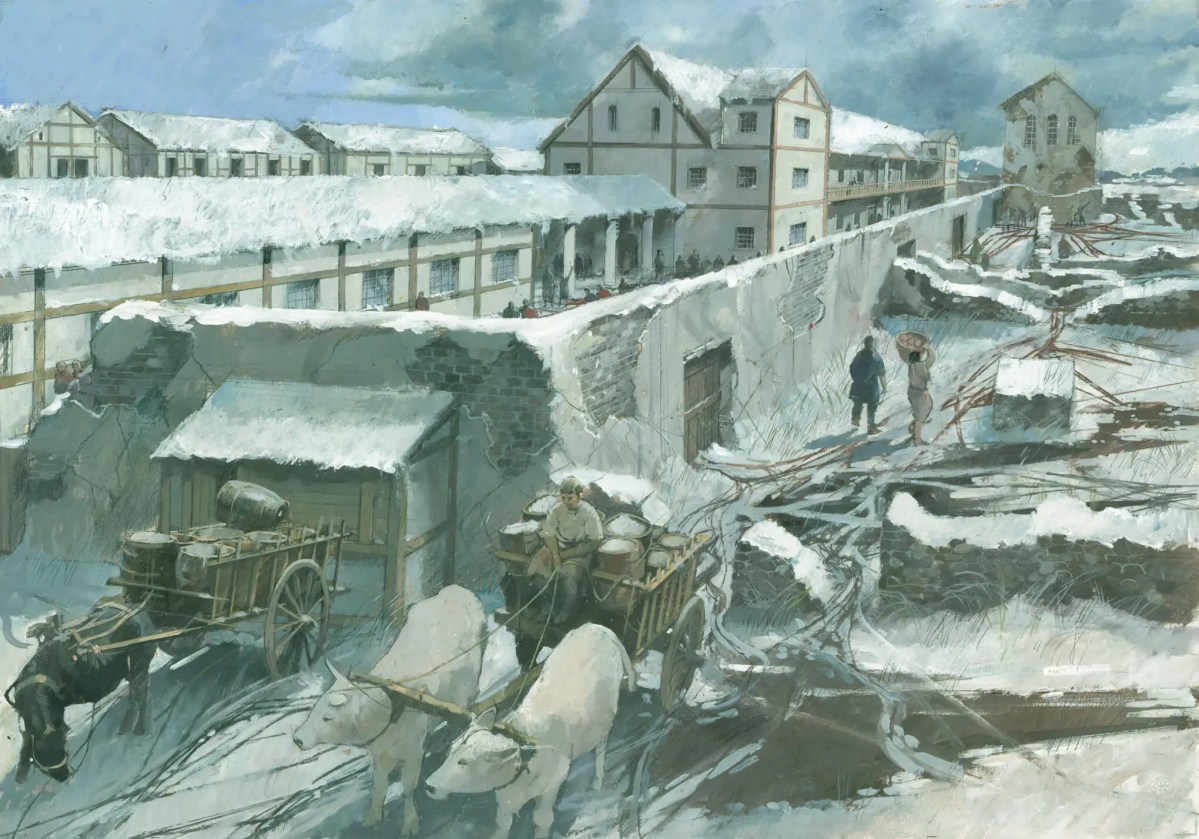
Following Emperor Claudius’ conquest, the Roman Empire lasted from AD 43 to AD 410 in Britain. After more than 3 centuries of direct rule, Britain stopped being of the empire, when local rebellions and an emperor with more pressing concerns closer to home made central rule untenable. We have previously explored the basis for the…
6 Places Connected to Queer Jewish History in London
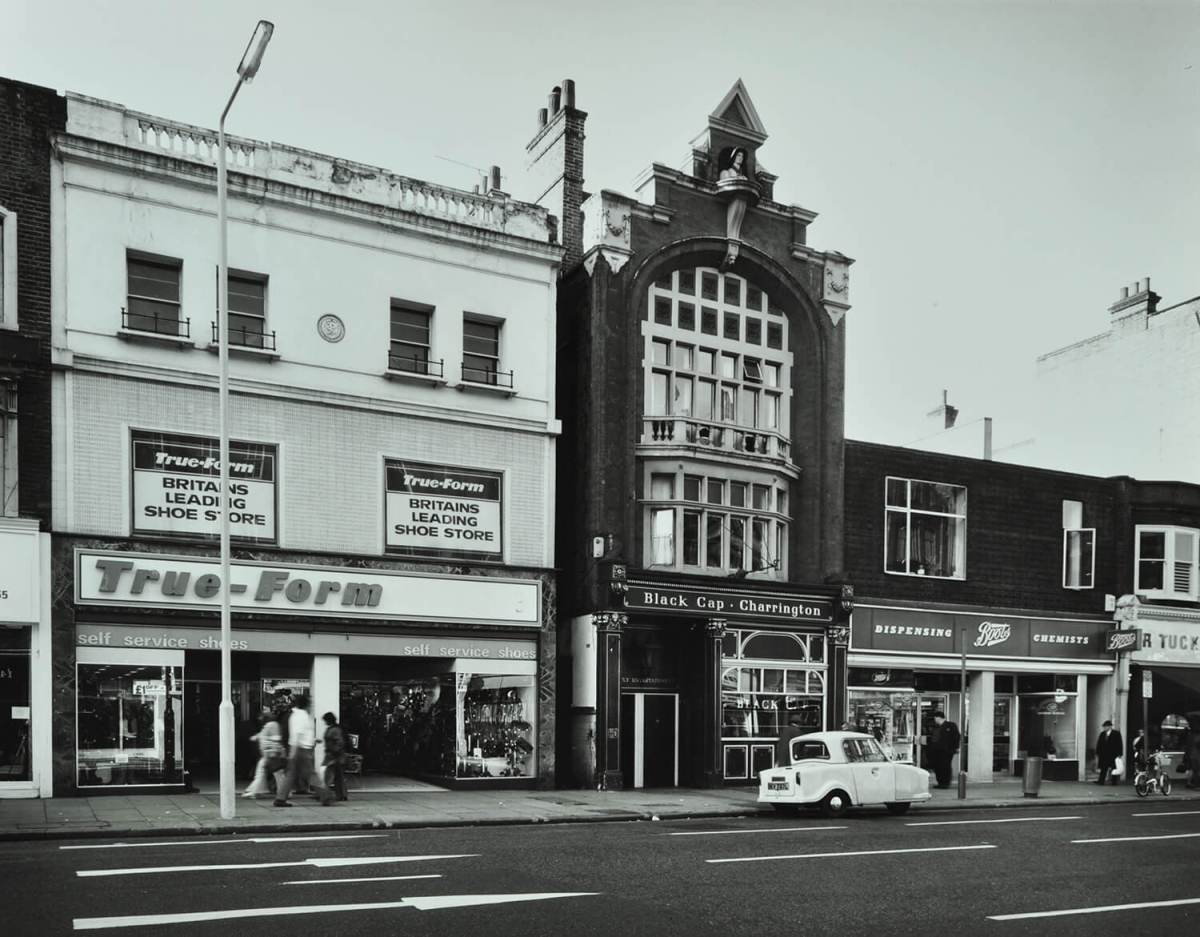
England has a rich Jewish queer history that dates back at least to the 19th century. From safe spaces for socialising to stories of protest and performance, each location tells an important story. At first glance, many of the places may seem quite ordinary, but for LGBTQ+ Jews, they were vibrant social spaces and homes…
10 Places connected to King Henry VIII
King Henry VIII is one of the most infamous monarchs in English history. Historic sites like Hampton Court Palace and Westminster Abbey are often well known backdrops to his 36 year reign. Being the second oldest son of King Henry VII and Elizabeth of York, Henry wasn’t meant to inherit the throne. But when his…
The History of Reading, Berkshire in 6 places
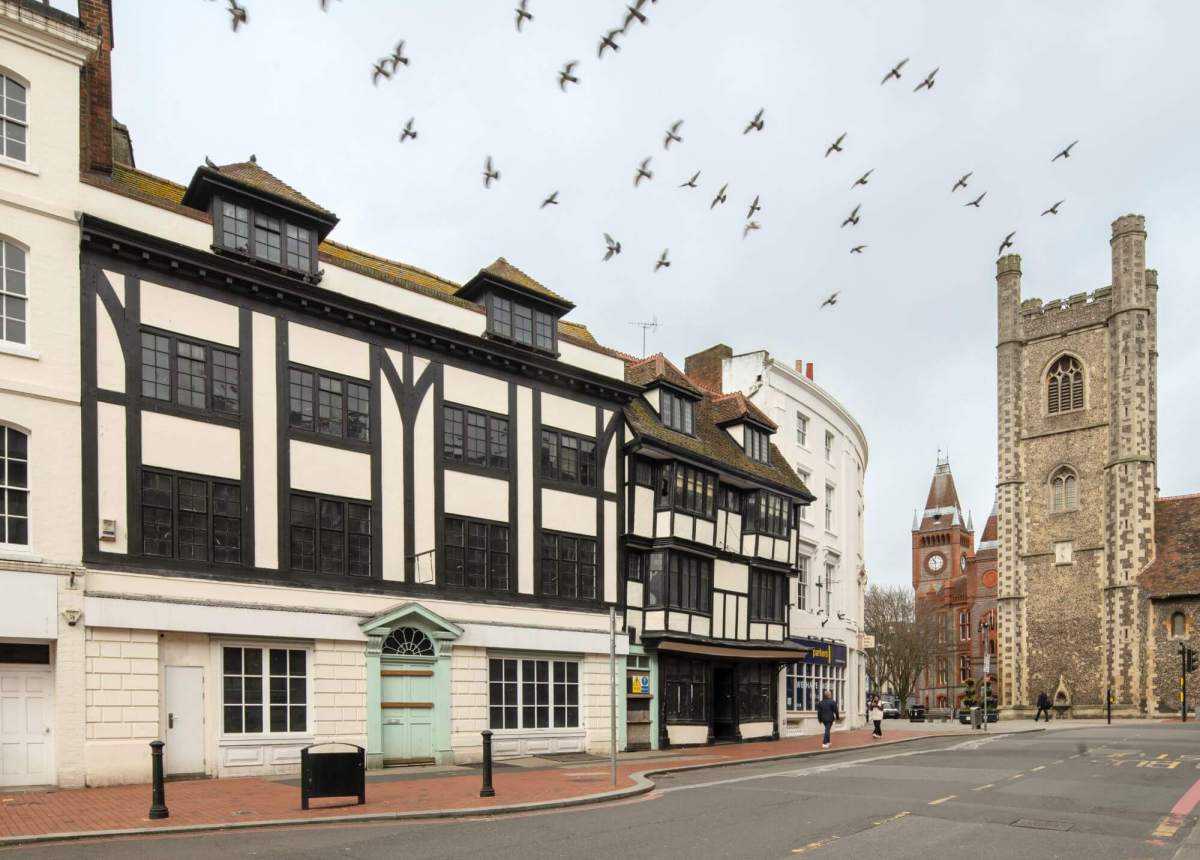
Reading in Berkshire was founded around the 6th century AD by the Saxons, who had travelled up the rivers Thames and Kennett looking for a place to settle after travelling from areas of modern-day Germany, Denmark, and the Netherlands. Over time, Reading grew from a small village to a prosperous market town. A view of…
Groundbreaking English Women of Science in History
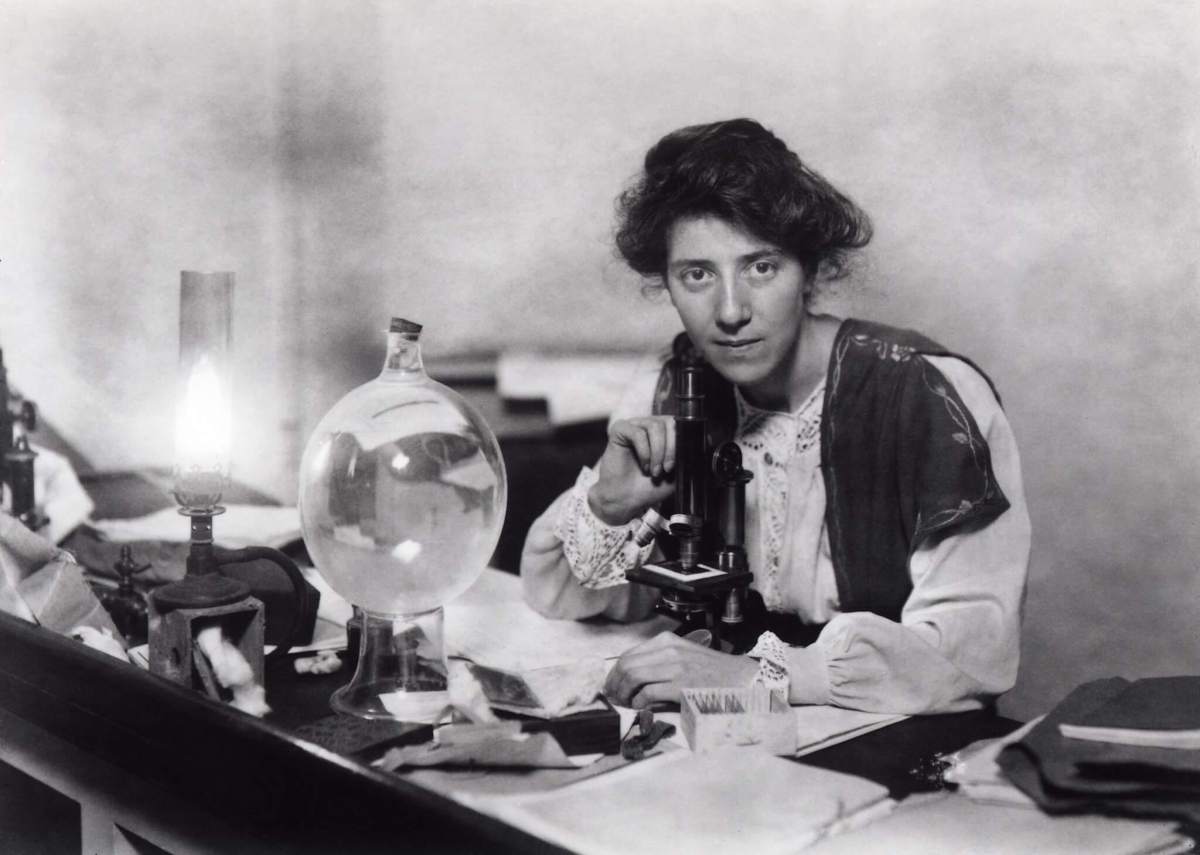
Scientific discoveries and advancements have always shaped history, but many important contributions are still to be equally recognised. While people often talk about Sir Isaac Newton and Edward Jenner, the amazing work of many women in science over the centuries is less well-known. Here, we shine a light on their stories: women who made giant…
10 Historic Places to Explore in York
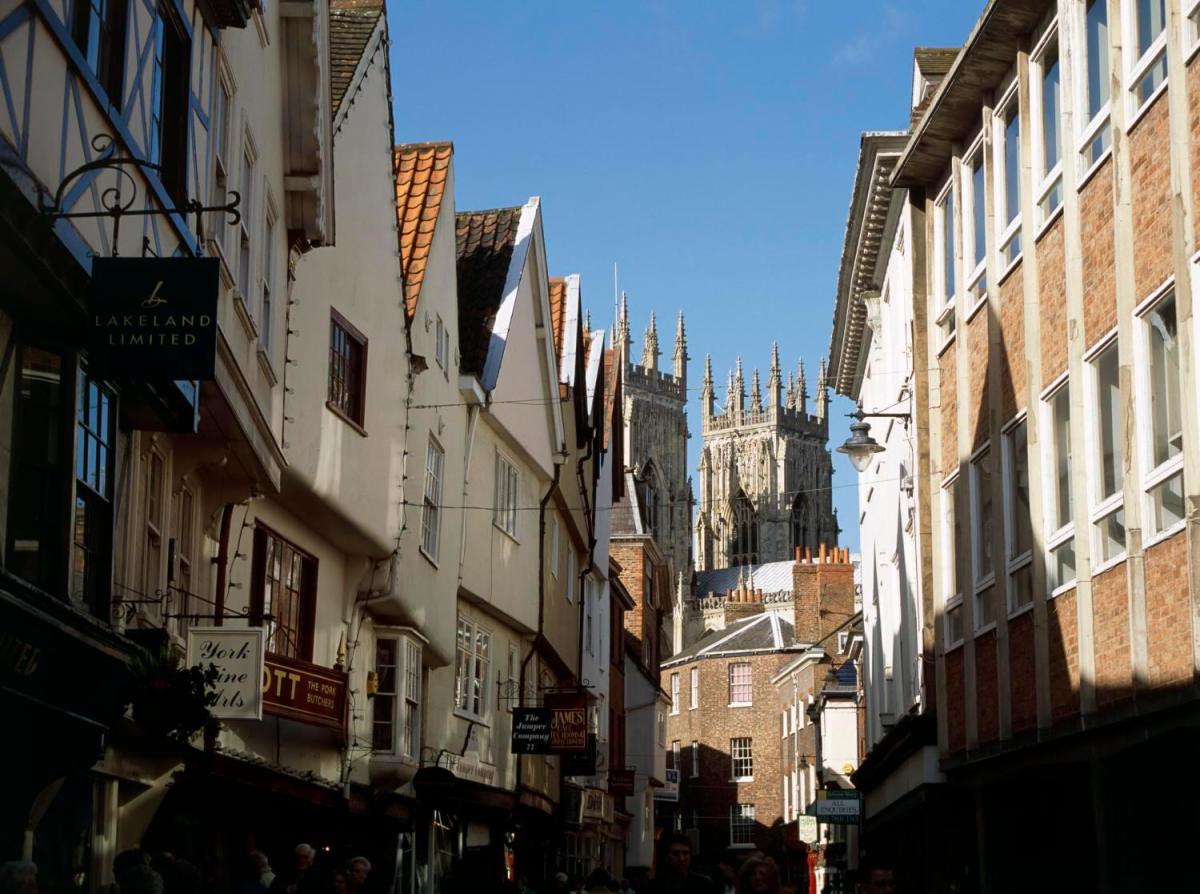
Founded by the Romans in AD 71 and later shaped by the Vikings and Normans, York’s cobbled streets, medieval architecture, brilliant museums, and ruined remains offer a unique glimpse into England’s past. A view looking north-east along Stonegate in York, Yorkshire, with York Minster in the background, taken around 1853. Source: Historic England. View image CC61/00025. 1….
The Buildings of Architect Watson Fothergill
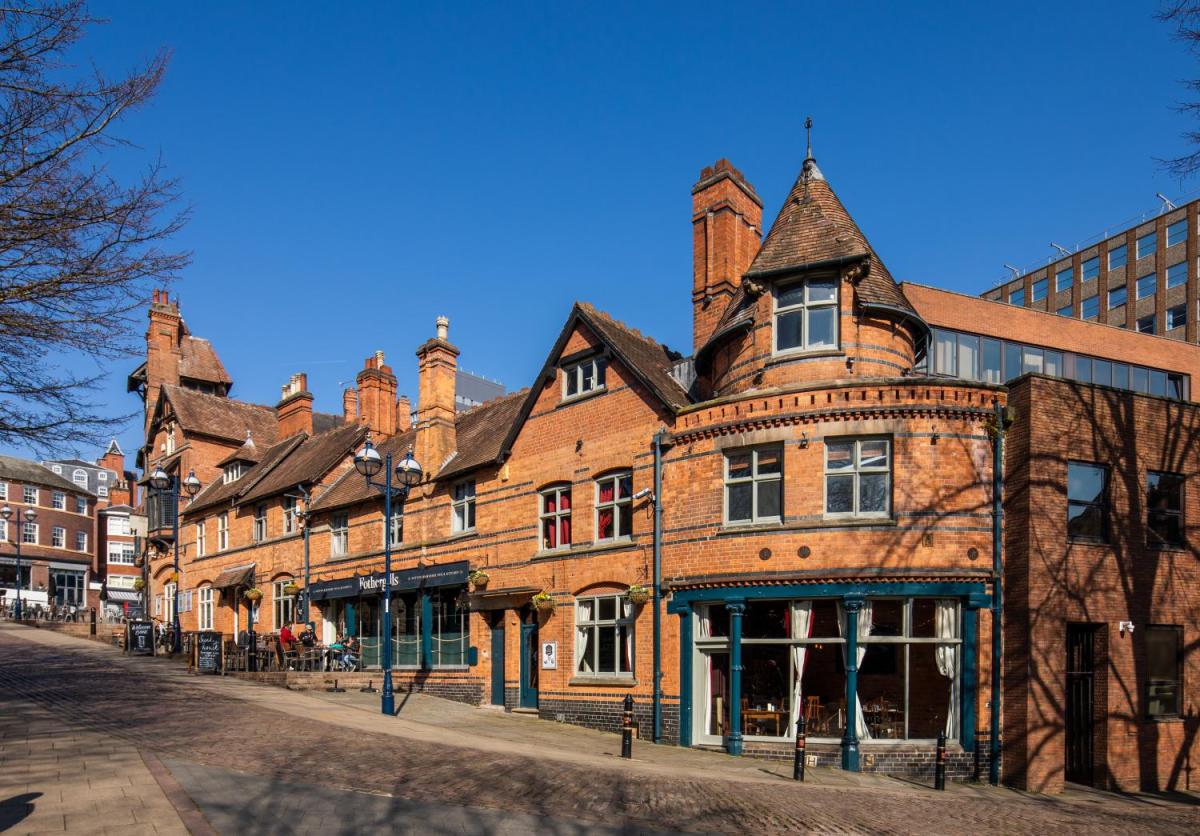
During the Victorian era (1837 to 1901), several architects, including Watson Fothergill, made their mark on England’s quickly changing landscape. From 1870 to 1912, Fothergill (1841 to 1928) worked tirelessly on plans for over 100 buildings across Nottinghamshire, bringing his grand designs for houses, warehouses, churches, and beyond to fruition. 1 to 7 Castle Road,…
A History of Bradford in 10 Places
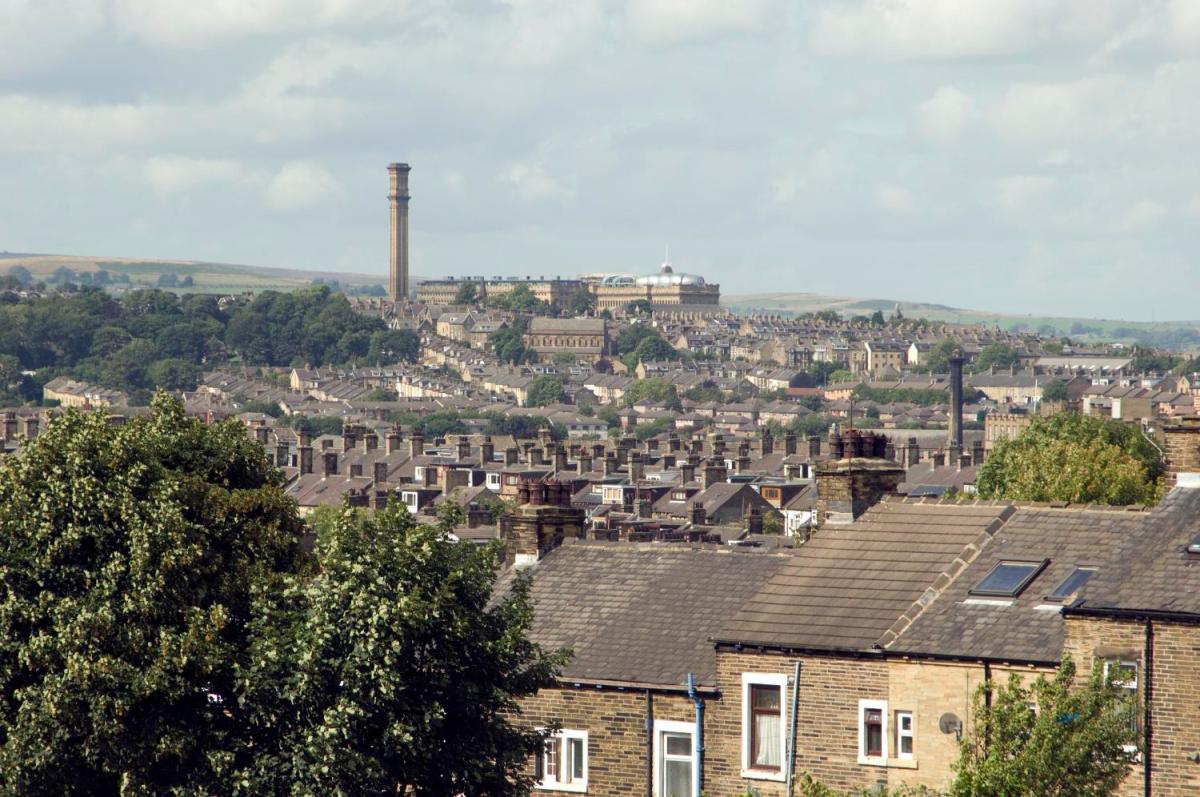
Known for once being the ‘wool capital of the world’, its UNESCO World Heritage Site in Saltaire, and its literary connections to the Brontë sisters, Bradford in West Yorkshire has a fascinating history. The Anglo-Saxons first established it as a small village known as ‘Broad Ford’ on a crossing over the Bradford Beck, a river…
What Was the Capital of England Before London?
London is England’s capital city. As the seat of government, the focus of many cultural institutions, and the centre of national and historic rituals, ‘the Big Smoke’ is a rather important place. But while London has had this role for a long time, it hasn’t always been the capital. Here, we explore the locations that…