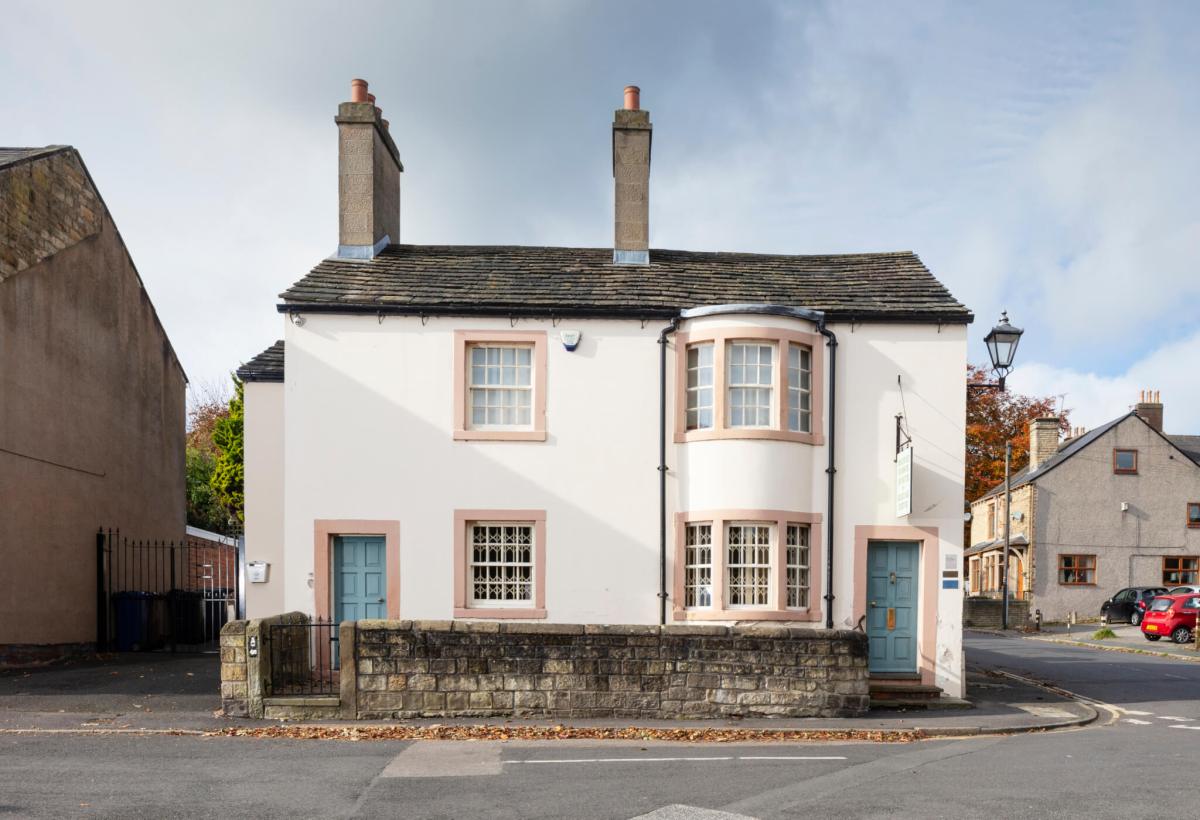
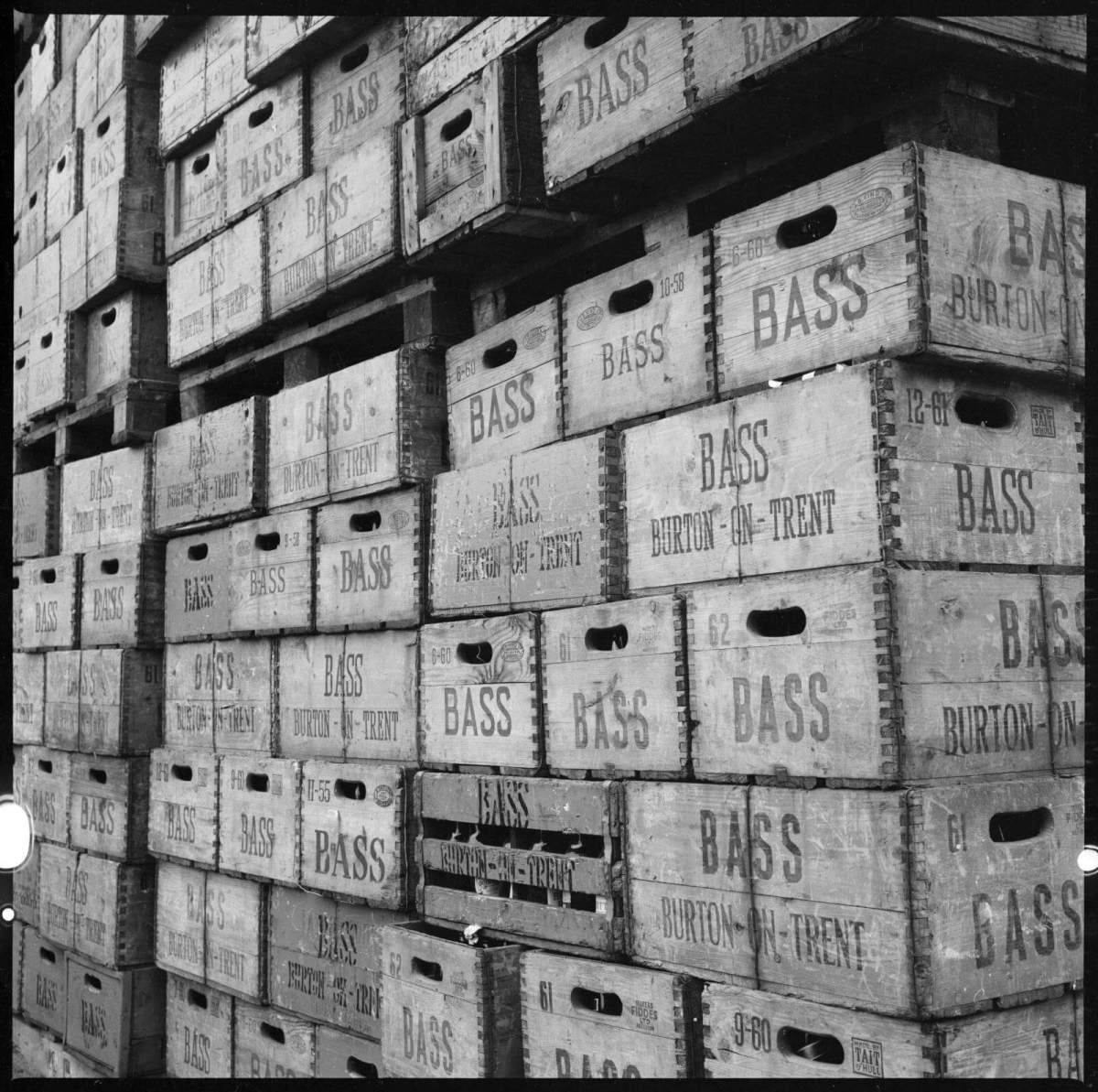
The brewing of ale and beer has a long history in England, but the town of Burton upon Trent in Staffordshire has a special relationship with the drink. By the end of the 19th century, Burton was home to the most extensive beer breweries in the world, with over half of the town’s working population employed…
Author: Admin
The Tough-As-Nails, Openly Gay Ex-Miner
Tucked away on the corner of Vicar Road in Darfield, an ex-mining village in South Yorkshire, there’s an inconspicuous, volunteer-led museum containing a truly surprising history. Maurice Dobson Museum, Vicar Road, Darfield, South Yorkshire. © Historic England Archive. View image DP486503. View List entry 1151167. The Maurice Dobson Museum and Heritage Centre is billed as…
The Development of England’s Suburbs
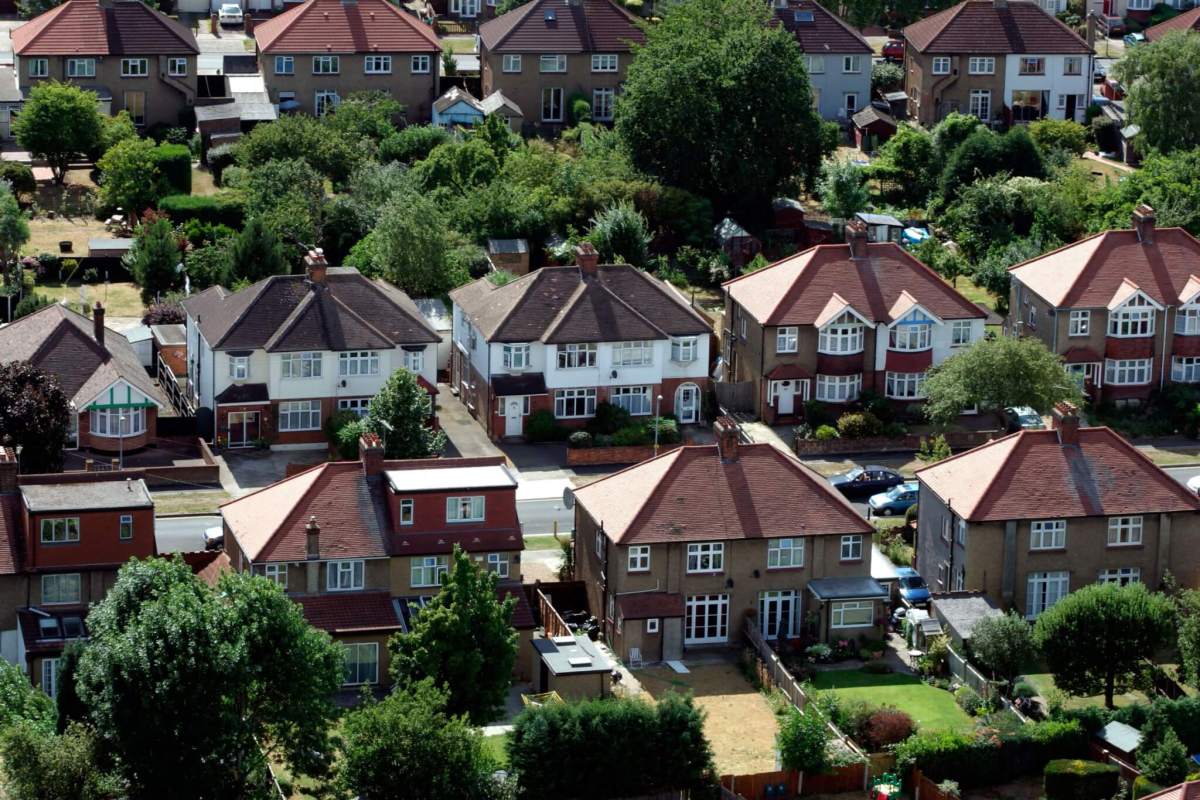
Over the past 2 centuries, England’s towns and cities have experienced unparalleled growth, which has led to the creation of the suburbs on the edge of urban areas where most of us now live. Due to the Industrial Revolution in the 19th century and the need for more housing for a soaring population, suburban development…
A History of Stoke-on-Trent in 8 Places
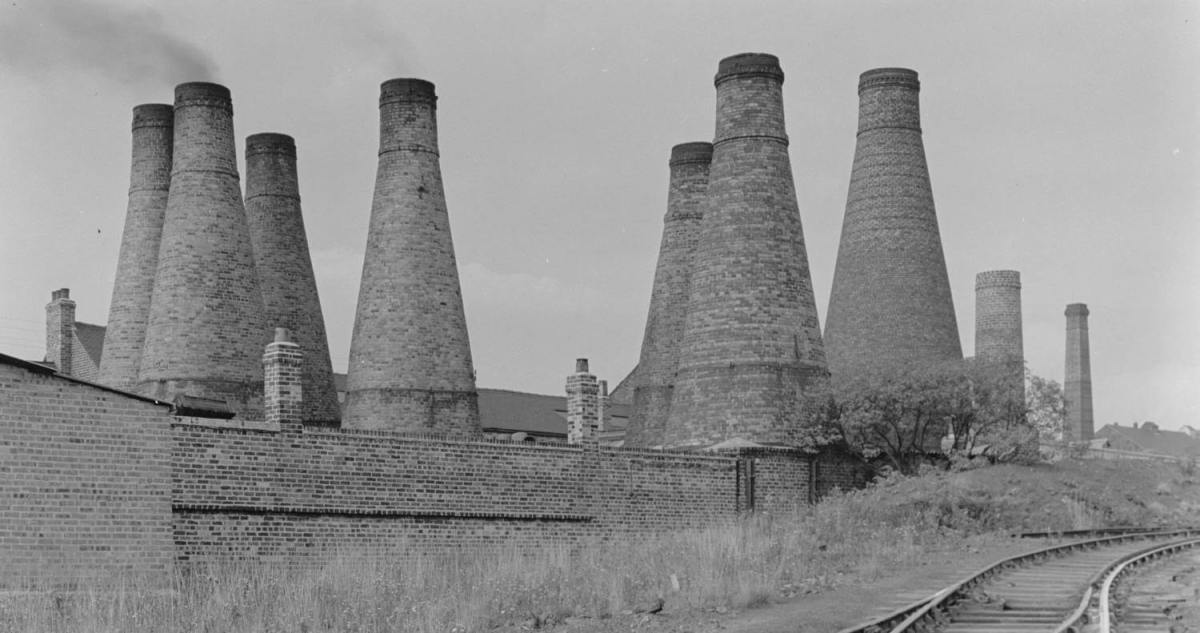
In the 18th century, the ceramic industry was essential to industrial Britain’s development. Stoke-on-Trent in Staffordshire played a key role in the pottery industry for over 300 years, gaining its affectionate nickname ‘The Potteries’. Middleport Pottery, Burslem, Stoke-on-Trent, Staffordshire, photographed in the 1960s. © Historic England Archive. View image DES01/04/0136. View List entry 1297939. The…
A Brief Introduction to Semi-Detached Housing
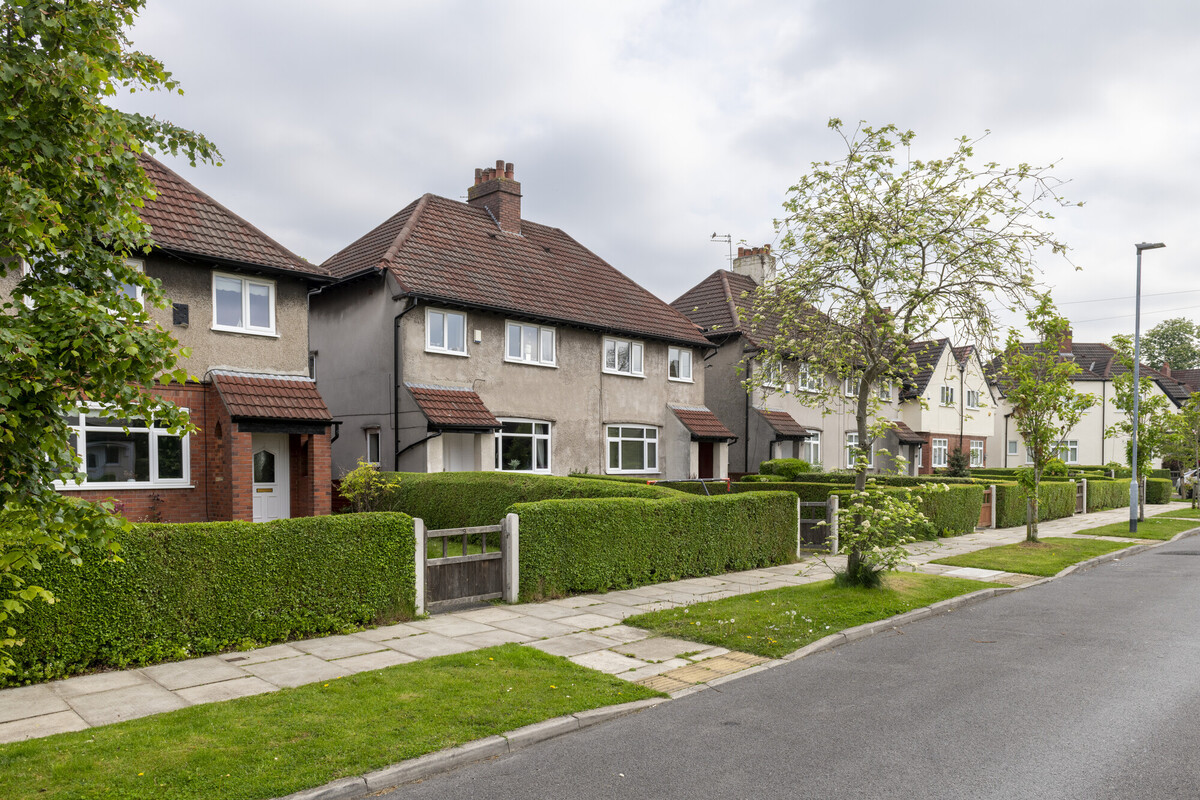
Semi-detached housing is England’s most prevalent type of housing, representing around one-third (more than 7 million) of all dwellings today, with 1 million in rural villages and hamlets. The inter-war period of the 1920s and 1930s was the boom era for this style of housing. The enormous building surge in the hinterland of the country’s…
Uncovering Local History Hidden on our Streets – The Historic England Blog
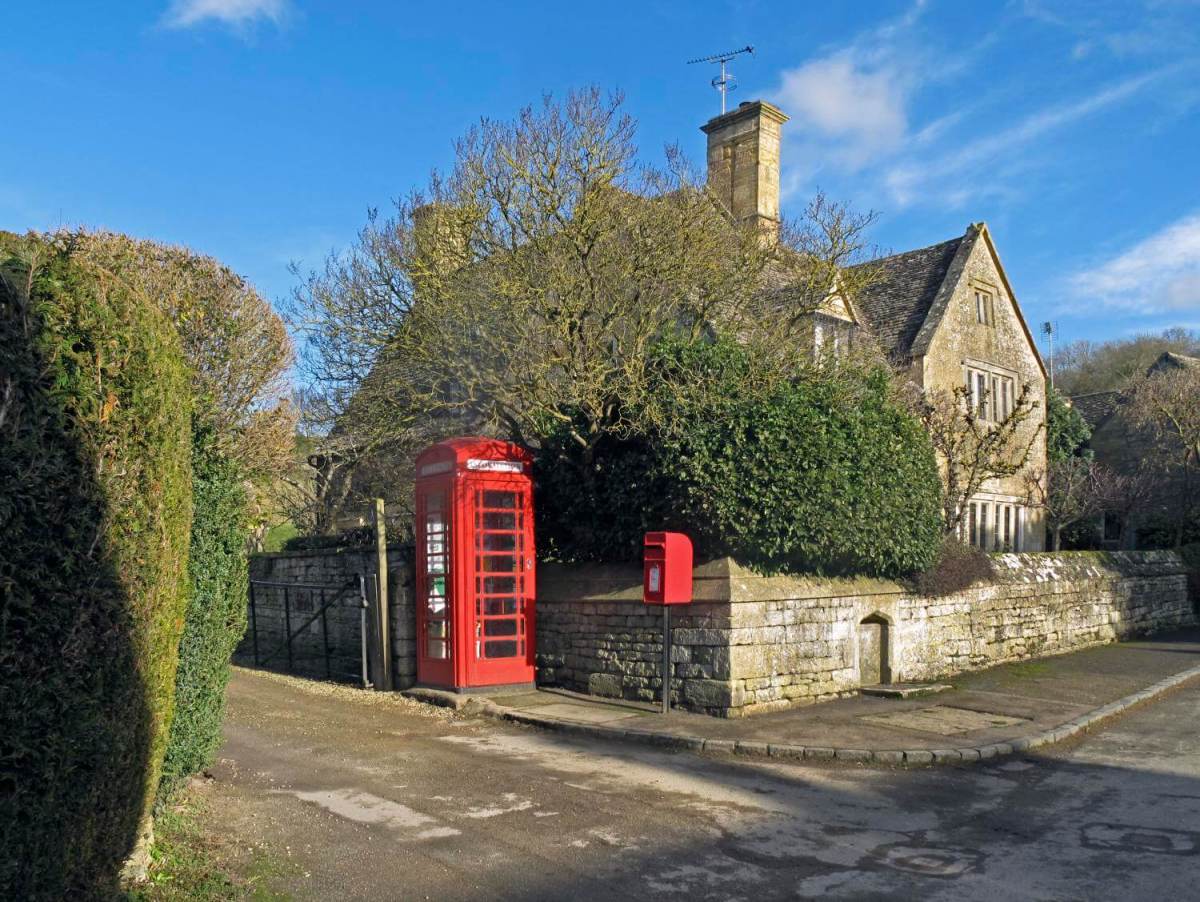
Can you define England without mentioning post boxes or telephone boxes? We are surrounded by historic designs and constructions that were initially invented for everyday purposes, such as to inform us where we were going, communicate with one another, or even drink water. A crinkle crankle wall on Scudamore Place, Ditchingham, Norfolk. © Historic England…
The History of the Railway in England
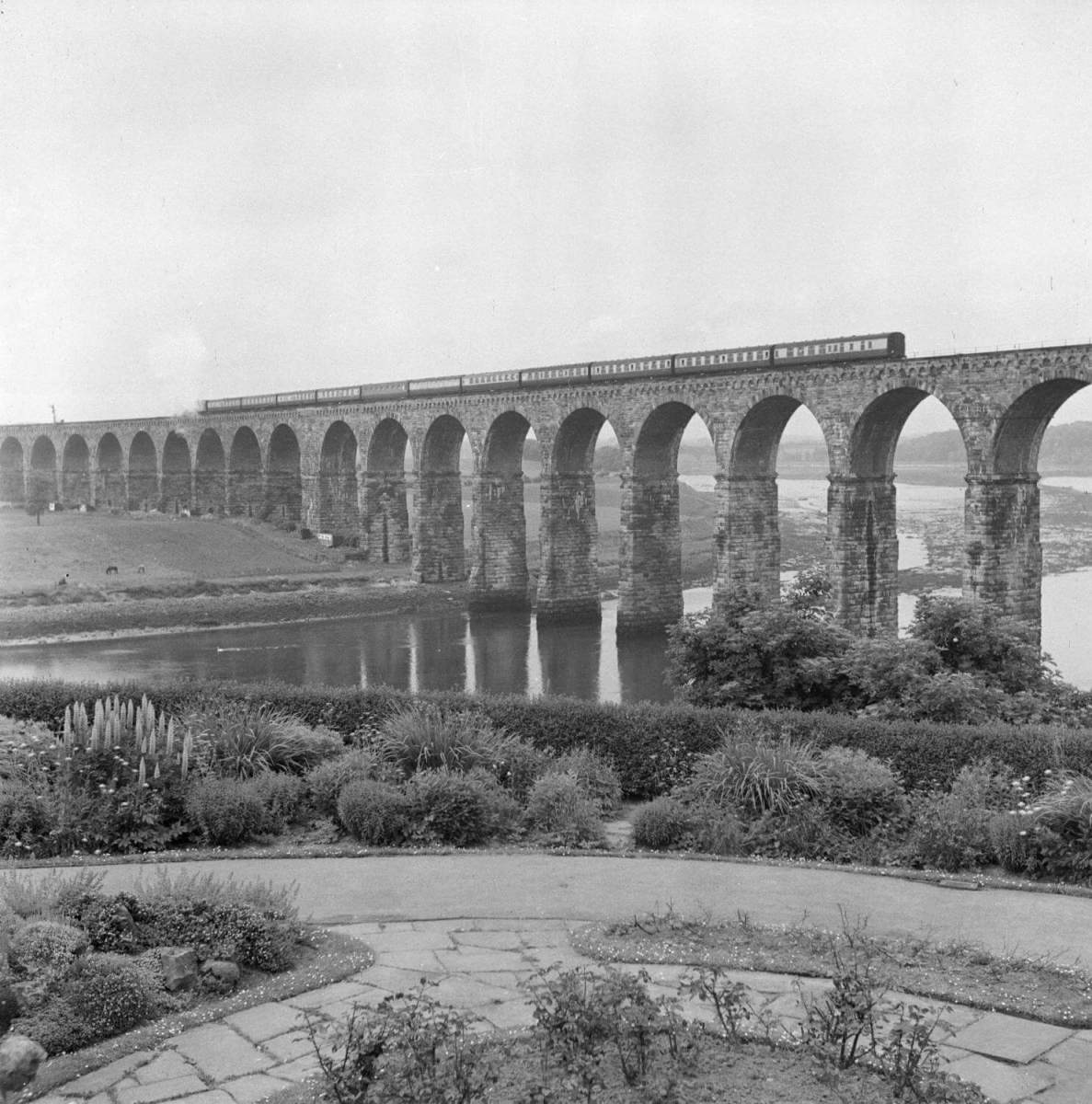
The world’s first standard gauge, steam-hauled public railway, the Stockton and Darlington, opened on 27 September 1825, connecting places, people, and communities. It went on to transform the world. A railway revolution swept Britain in the 19th century, changing the country forever. A predominantly agricultural society had metamorphosed into an urbanised industrial superpower. ‘The Opening…
Exploring the Myths of the Wars of the Roses Battlefields
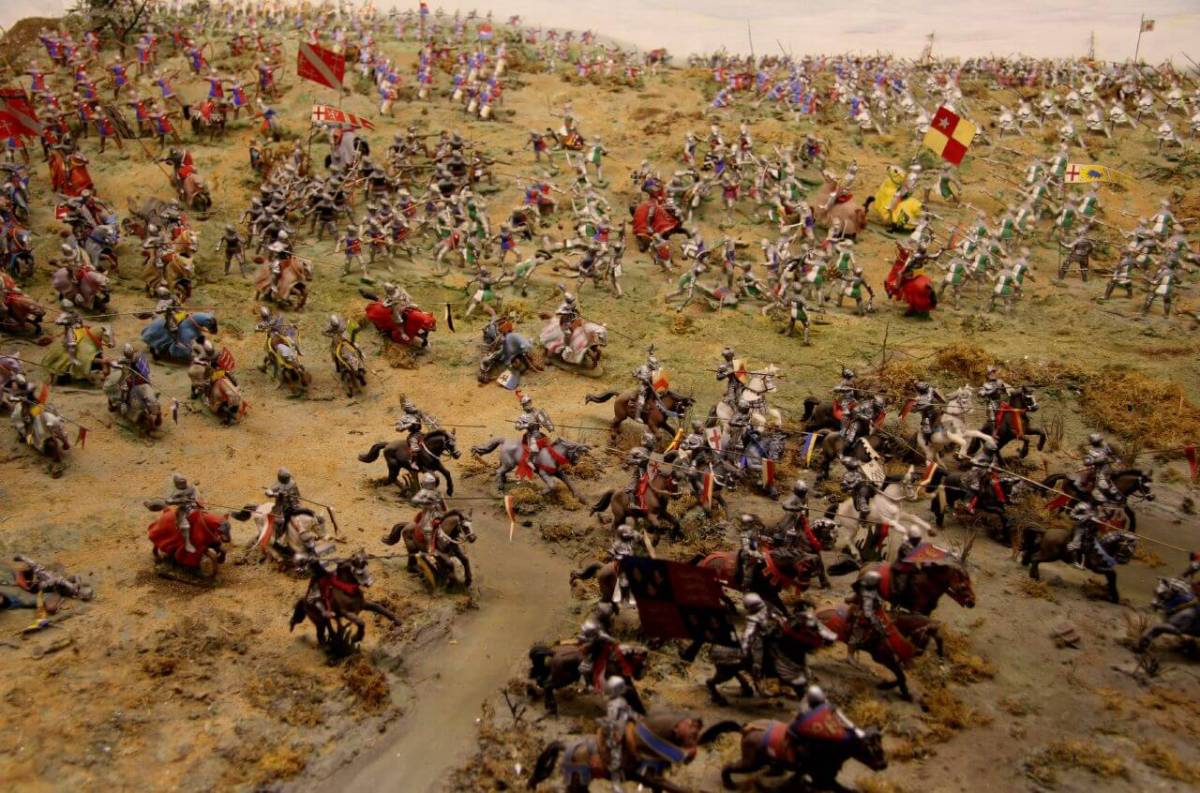
2025 sees the 30th anniversary of the establishment of Historic England’s Register of Historic Battlefields. It lists 47 English battlefields from the Battle of Maldon in AD 991 to the Battle of Sedgemoor in 1685. Eight battlefields from the intermittent period of civil war and rebellion between 1455 and 1487, known as the Wars of…
Discover England’s Hidden Prehistoric Monuments and Sites
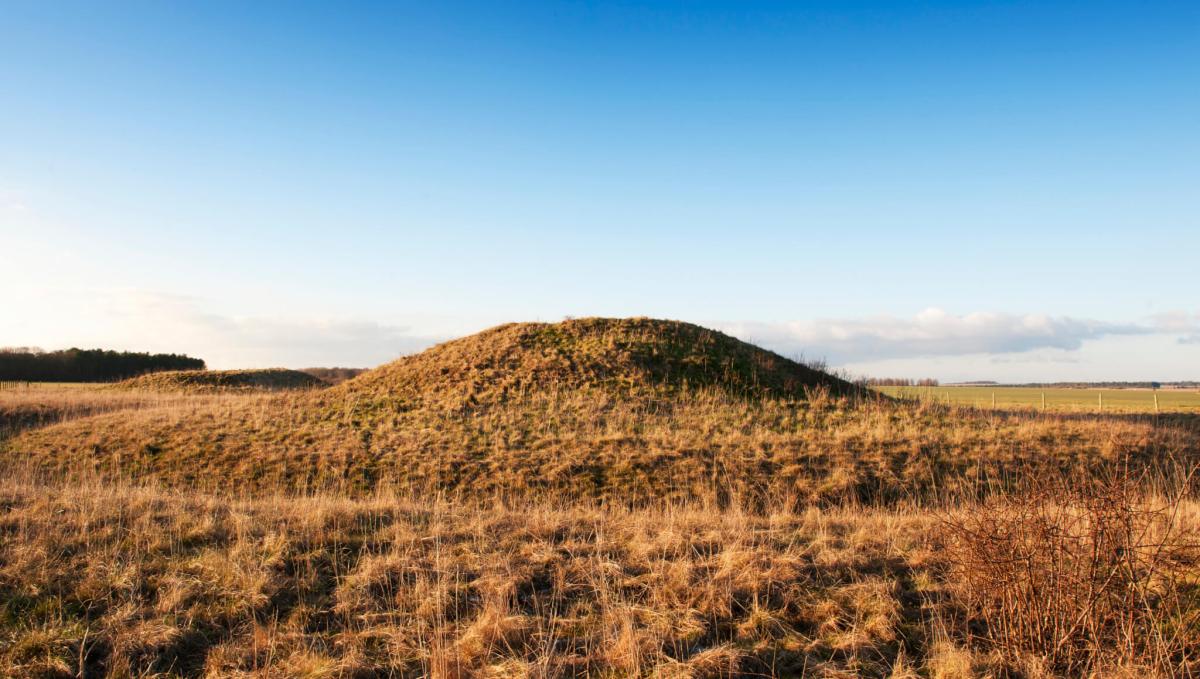
Stonehenge has captured people’s imaginations for centuries as one of the world’s most famous prehistoric monuments. But England has hundreds of other ancient sites, each with its own story. These monuments, scattered across the landscape from the Palaeolithic to the Neolithic periods, offer a glimpse into the lives, beliefs, and cultures of our prehistoric predecessors….
8 Historic Places Connected to Jane Austen
Jane Austen (1775 to 1817) is one of the most celebrated authors in English literature, renowned for her astute observations of early 19th-century British society, her wit and use of satire, and her strong female protagonists. A watercolour of author Jane Austen by James Andrews. © The History Collection / Alamy Stock Photo Her novels,…