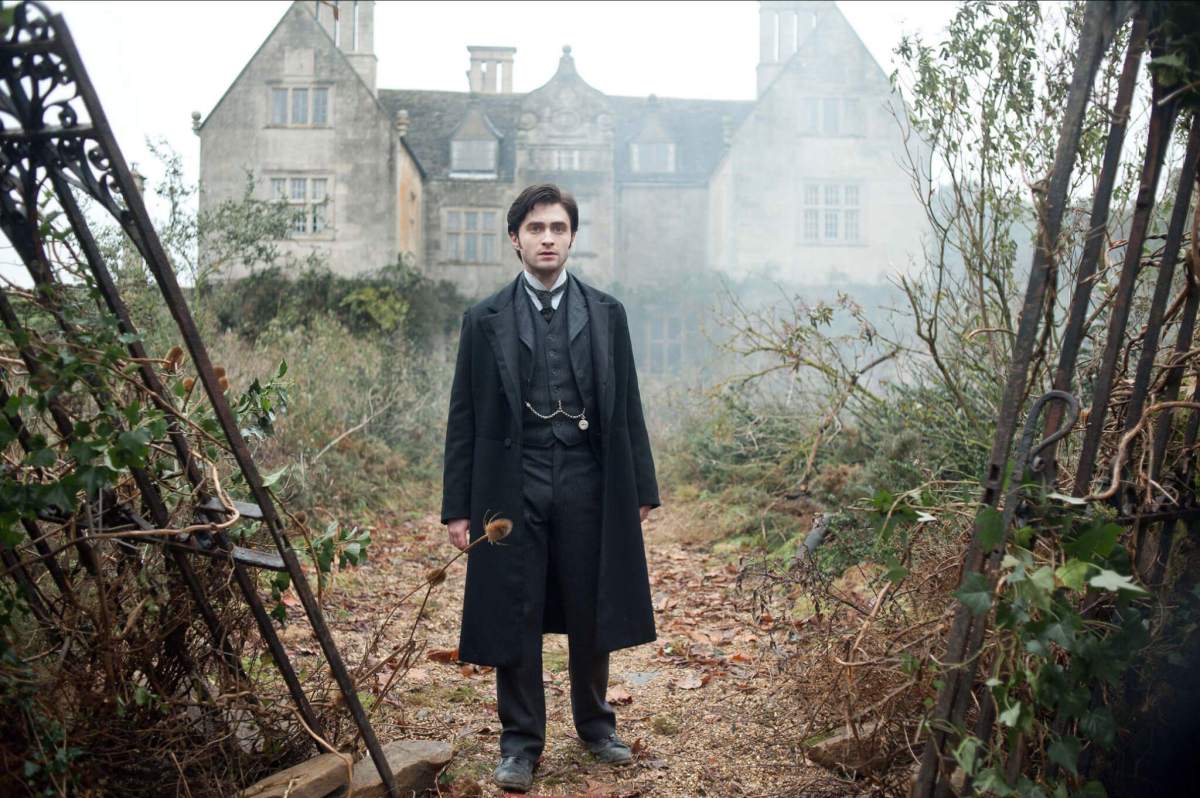
Scares on screen are as old as cinema itself. From the early years of horror film production in England to the present day, ghosts, haunted houses and other creepy subjects found a suitable outlet in the darkened space of the movie theatre. One obvious advantage to English filmmakers is that living in a country steeped in…
Author: Admin
A Brief Introduction to Arts and Crafts Architecture – The Historic England Blog
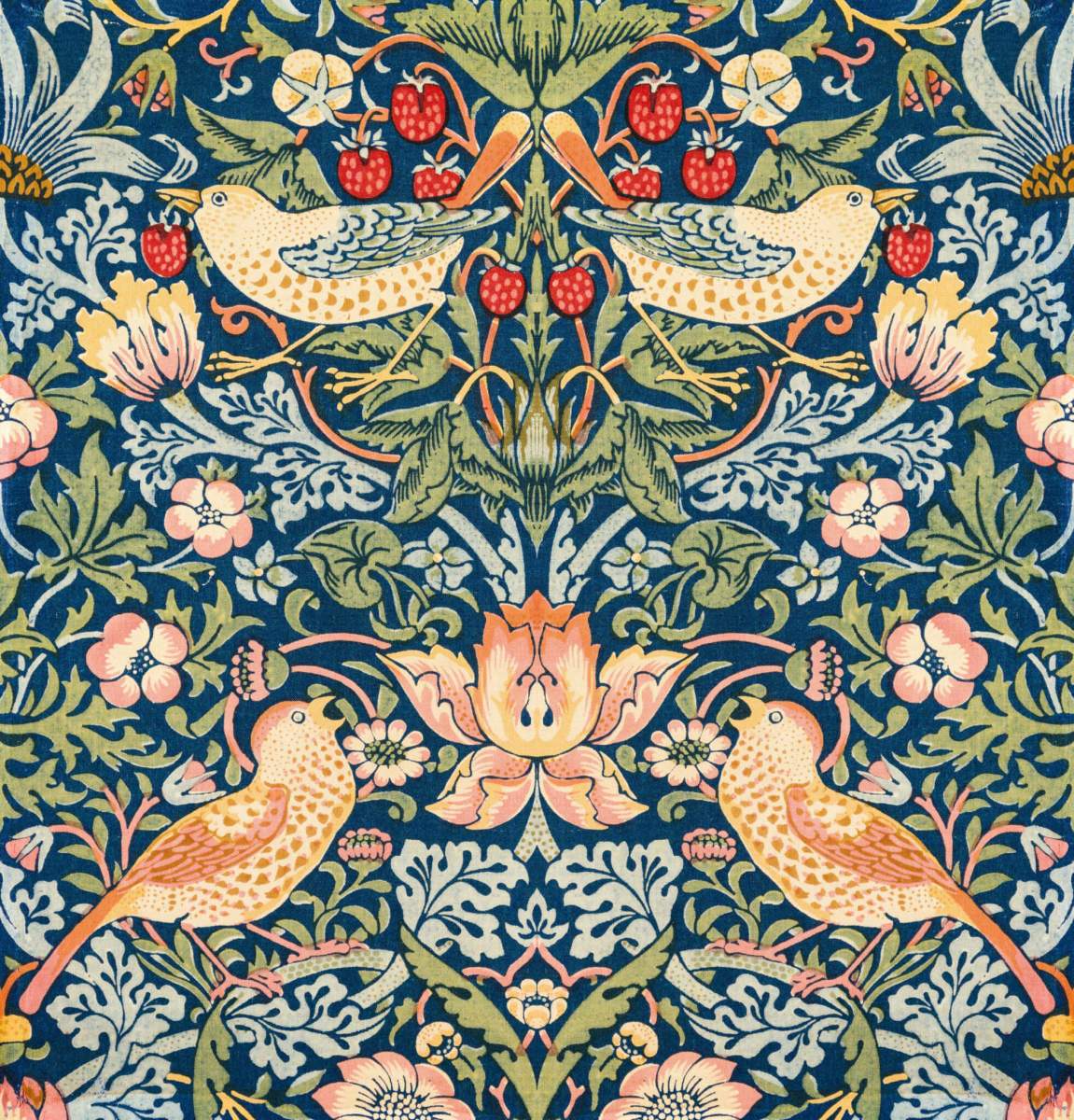
The Arts and Crafts movement emerged in the late 19th century in reaction to the Industrial Revolution. It celebrated craftsmanship, local materials and functional design, positioning itself in contrast to the arrival of mass production and machine-made goods. William Morris and John Ruskin The Arts and Crafts movement was inspired by the ideas of writer…
Hostel, House, and Chambers – The Historic England Blog
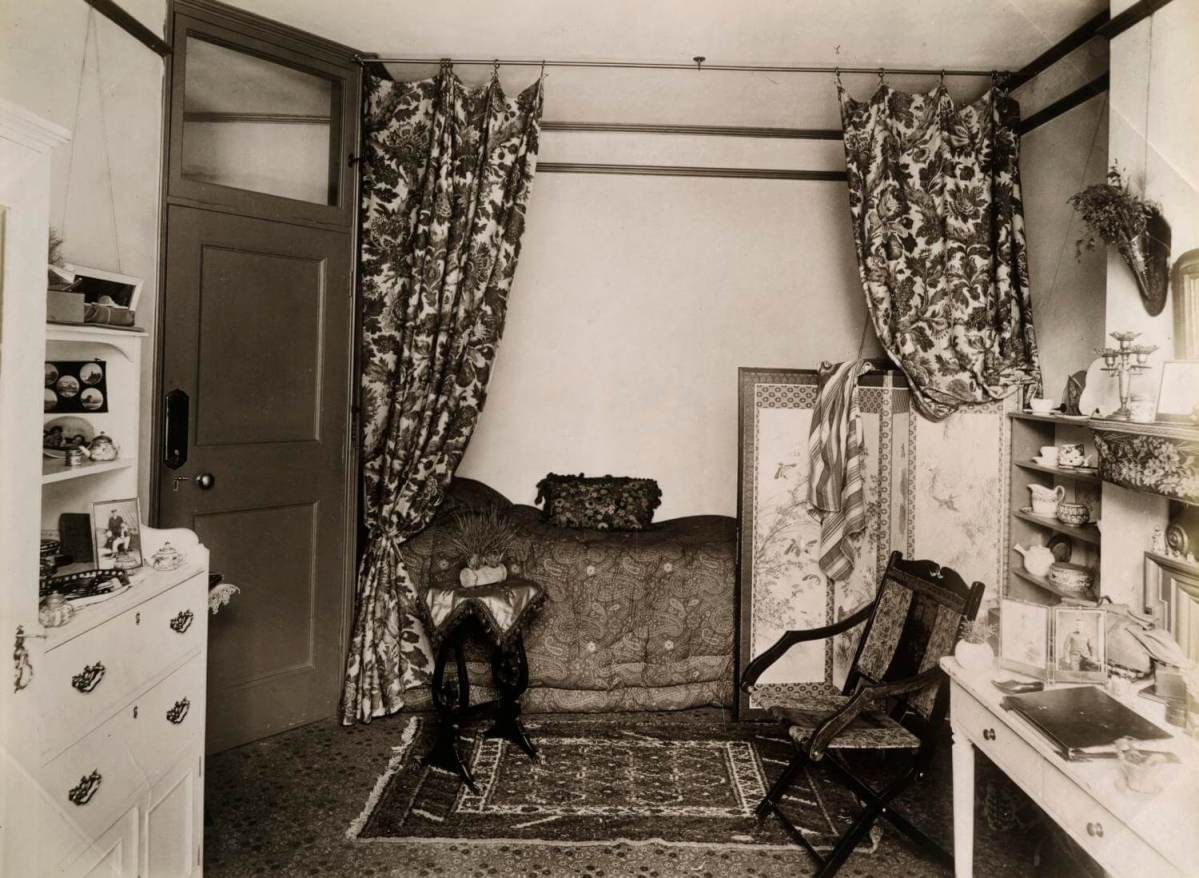
In her guidebook from 1900, the journalist Dora Jones declared “The life of a bachelor girl in a big city [is] a wonderful and glorious vision … What a thing it must be…to be like Celia in London, who has a career, in music perhaps, or art or journalism, who lives in chambers like a…
Lubetkin’s Works in England
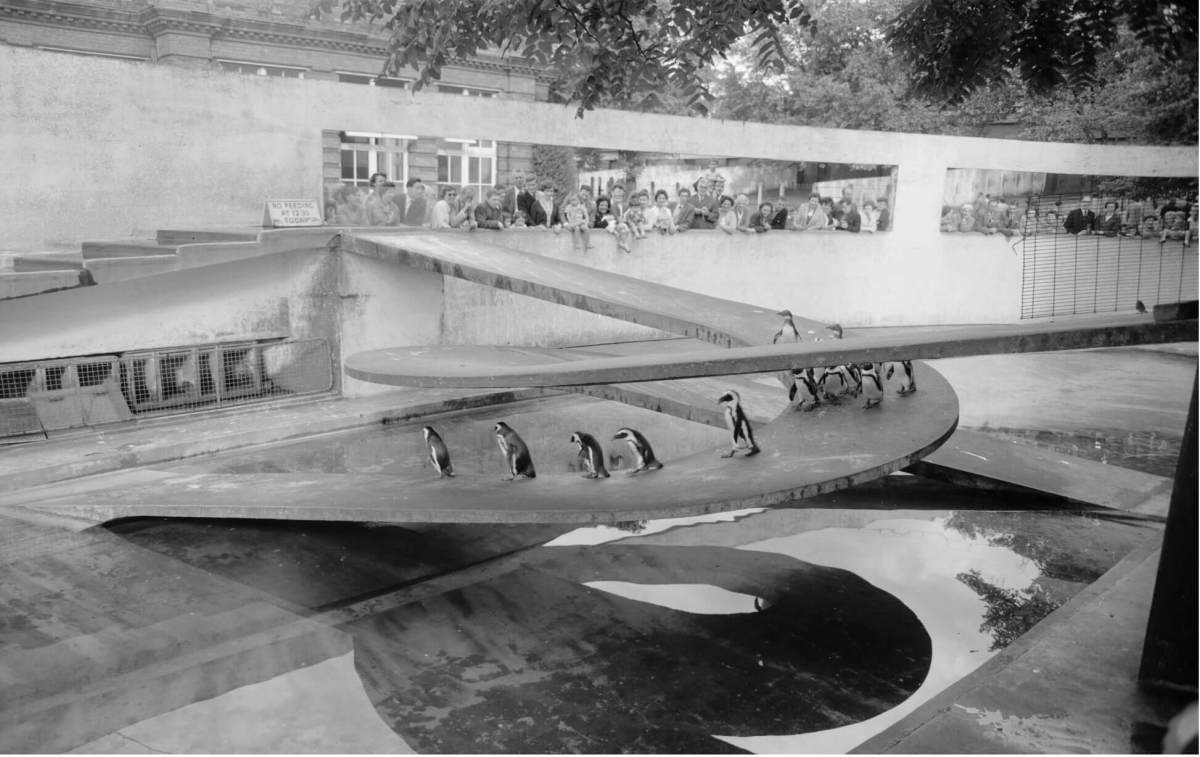
Written by Nicky Hughes Berthold Lubetkin, who co-founded the radical 1930s architectural practice, Tecton, was a leading figure in the development of Modernist architecture in Britain. His architectural education coincided with the Russian Revolution in 1917 and he became immersed in the Constructivist movement, in which all the arts were brought together in the service…
The Works of Modernist Architect Eric Lyons
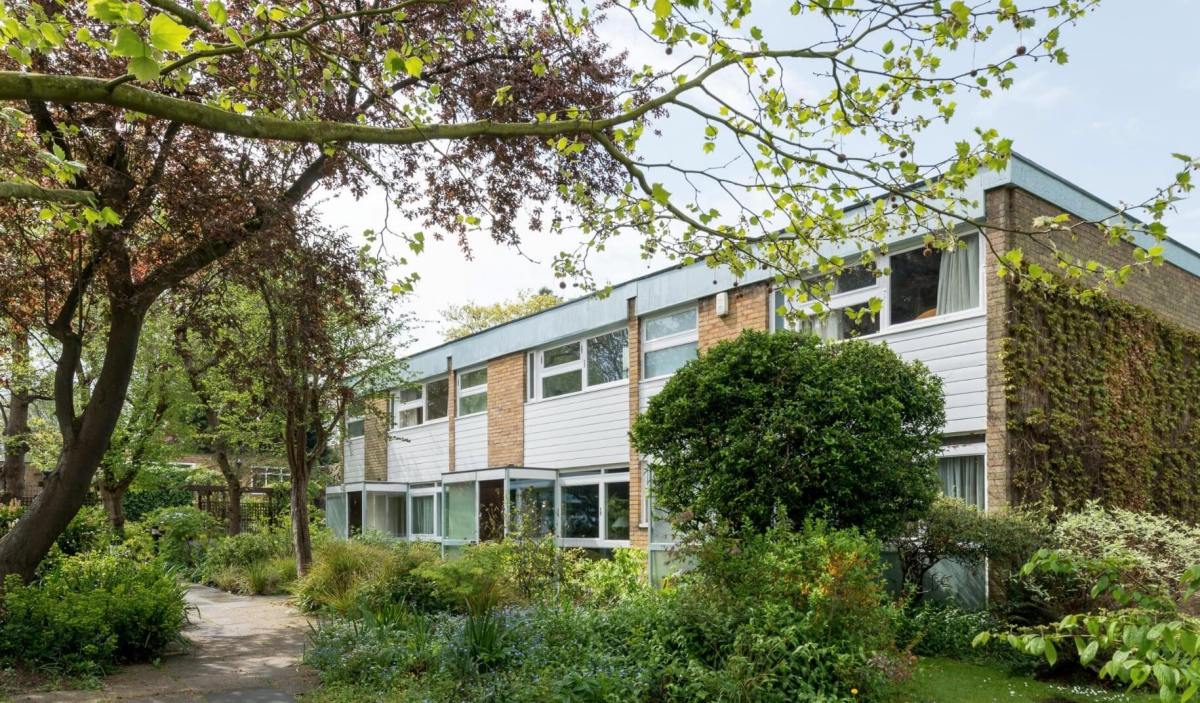
Span Developments was formally founded in 1957 by the architect Eric Lyons (1912-1980), the architect-developer Geoffrey Townsend (1911-2002) and the developer Leslie Bilsby. Their combination of expertise and enlightened property speculation was unusual at the time. Both Bilsby and Townsend, with whom Lyons had been an architectural student at the Regent Street Polytechnic, were keen…
Reusing Historic Cinemas as Places of Worship
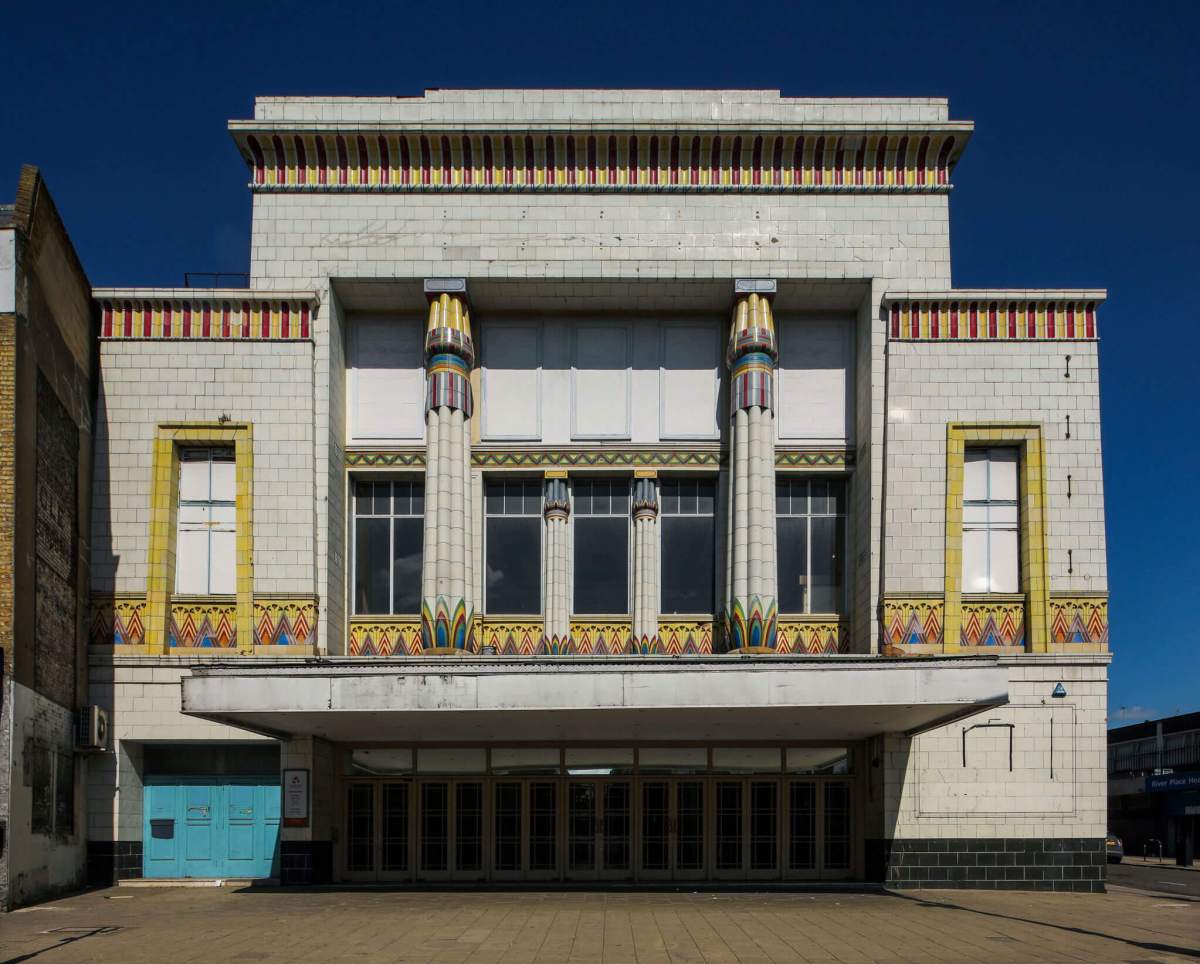
Written by Dr Kate Jordan, Westminster University. Cinemas were once a familiar feature of every high street. At their peak in 1946, an astonishing 4,709 cinemas were operating in Britain’s towns and cities. These dynamic buildings offered respite from the gloom of depression, wartime and rationing, beckoning audiences not only to watch films but also…
historic pubs with a festive theme
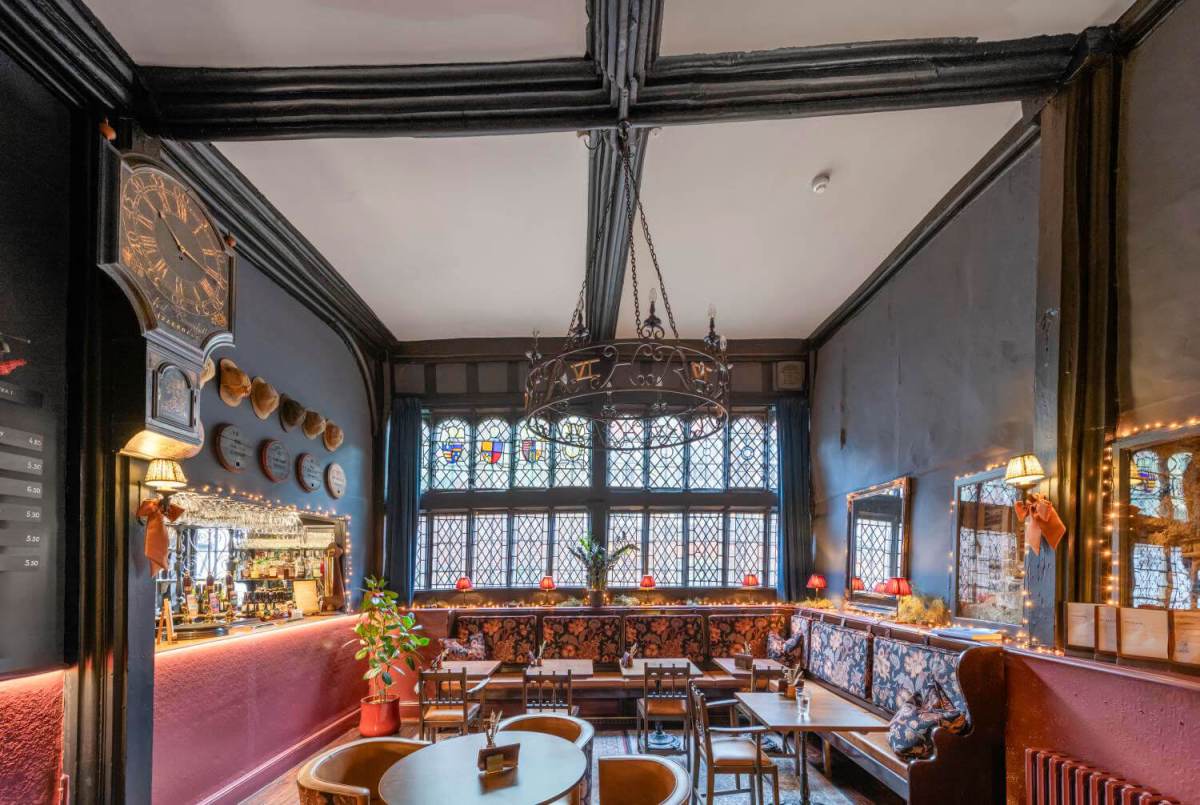
In this blog post we’ll explore the hidden histories of listed pubs with a festive theme, selected by Amy and Caroline from Historic England’s Listing Policy Team. Pubs are often part of our festive celebrations, whether that’s a warming mulled wine after a busy day of gift shopping, or a work celebration with Christmas crackers…
Alsatian conscription evaders in Switzerland – Swiss National Museum
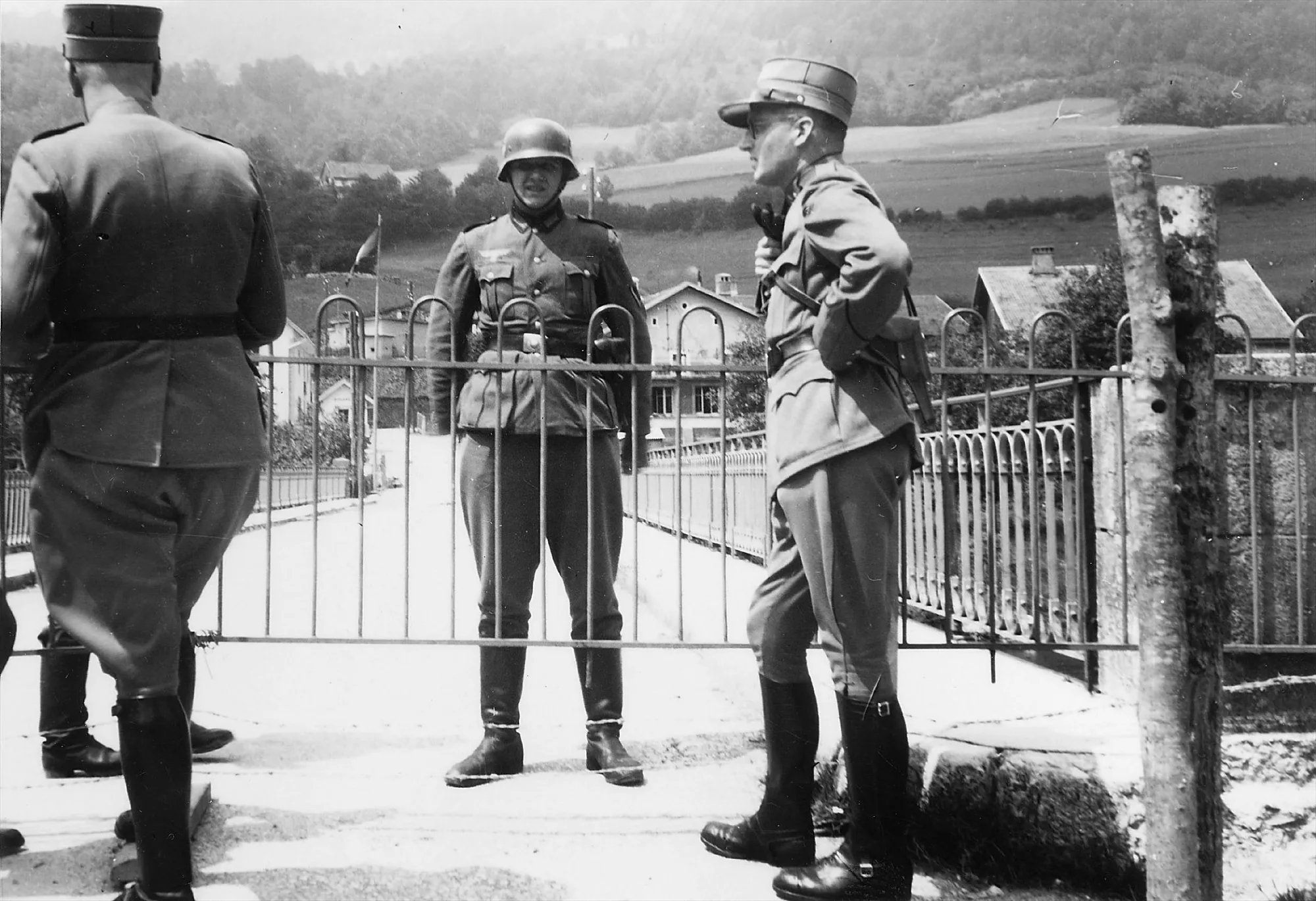
On the evening of 12 February 1943, the group congregated in the Alsatian town of Ballersdorf, before setting off on foot into the darkness at around 10 pm. Their aim was to cross the Swiss border – around 15 kilometres to the south as the crow flies – to avoid being forcibly conscripted to fight in…
Sabina Spielrein – a rediscovered voice of psychoanalysis – Swiss National Museum
Landscapes of the Soul. C.G. Jung and the exploration of the human psyche in Switzerland Switzerland has been home to a number of soul searchers over the years, such as Jean-Jacques Rousseau, Friedrich Nietzsche and Carl Gustav Jung. Their work had a major impact on the development of psychiatry and psychoanalysis. To mark the 150th…
The right to privacy, except during wartime – Swiss National Museum
During times of political unrest – especially during the two world wars – state censors monitored private as well as military correspondence. They made no attempt to hide their actions. Nadja Ackermann is a scientific archivist responsible for company archives in the Burgerbibliothek Bern.