Stonehenge has captured people’s imaginations for centuries as one of the world’s most famous prehistoric monuments. But England has hundreds of other ancient sites, each with its own story. These monuments, scattered across the landscape from the Palaeolithic to the Neolithic periods, offer a glimpse into the lives, beliefs, and cultures of our prehistoric predecessors….
OLd Hist
8 Historic Places Connected to Jane Austen
Jane Austen (1775 to 1817) is one of the most celebrated authors in English literature, renowned for her astute observations of early 19th-century British society, her wit and use of satire, and her strong female protagonists. A watercolour of author Jane Austen by James Andrews. © The History Collection / Alamy Stock Photo Her novels,…
Discover the Sea’s Influence on England’s Coastal Heritage
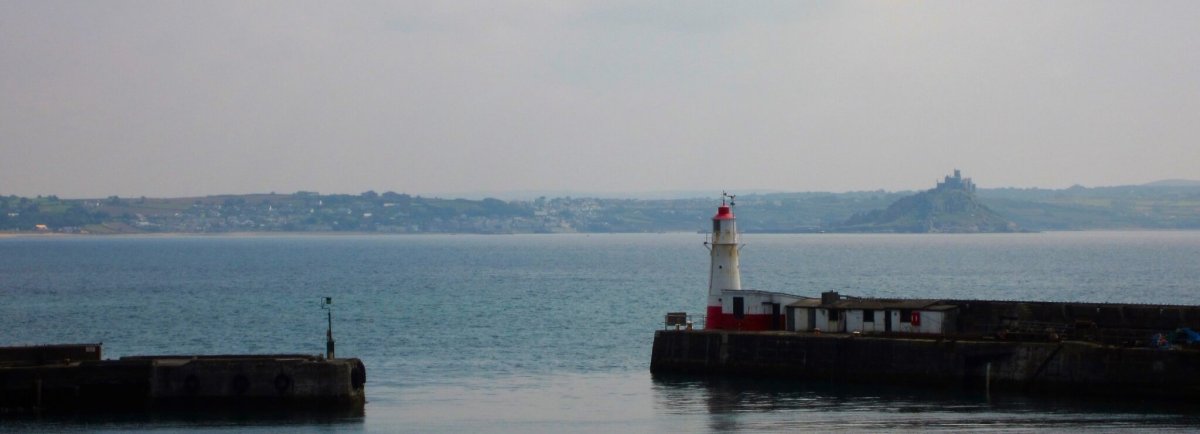
When you see the ocean, what do you see? The possibility of travel, food, and the endless blue? How do you feel? Calm, nervous, apprehensive? The sea has always played a significant role in the life of the inhabitants of the British Isles. We have traded on it, sailed it, surfed it, learnt from it…
Sophia Duleep Singh: Pioneering Suffragette and Activist
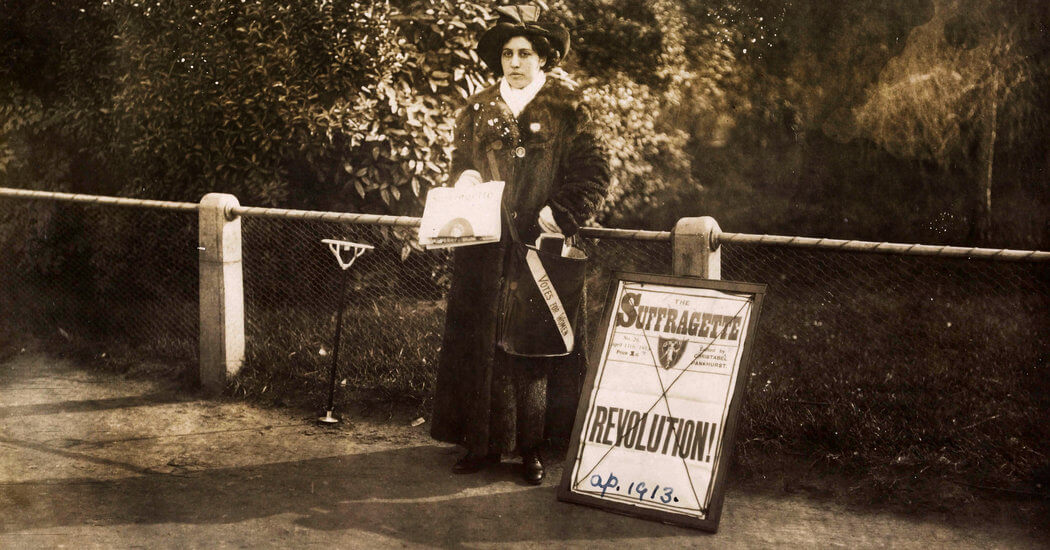
Sophia Duleep Singh (1876 to 1948) was a suffragette and prominent women’s rights campaigner in Great Britain. She was the daughter of Maharajah Duleep Singh, the last Sikh ruler of the Punjab, and the goddaughter of Queen Victoria. Princess Sophia Alexandra Duleep Singh, photographed in 1895. Source: Public domain. When was Sophia Duleep Singh born?…
The Middle Ages to the Victorians
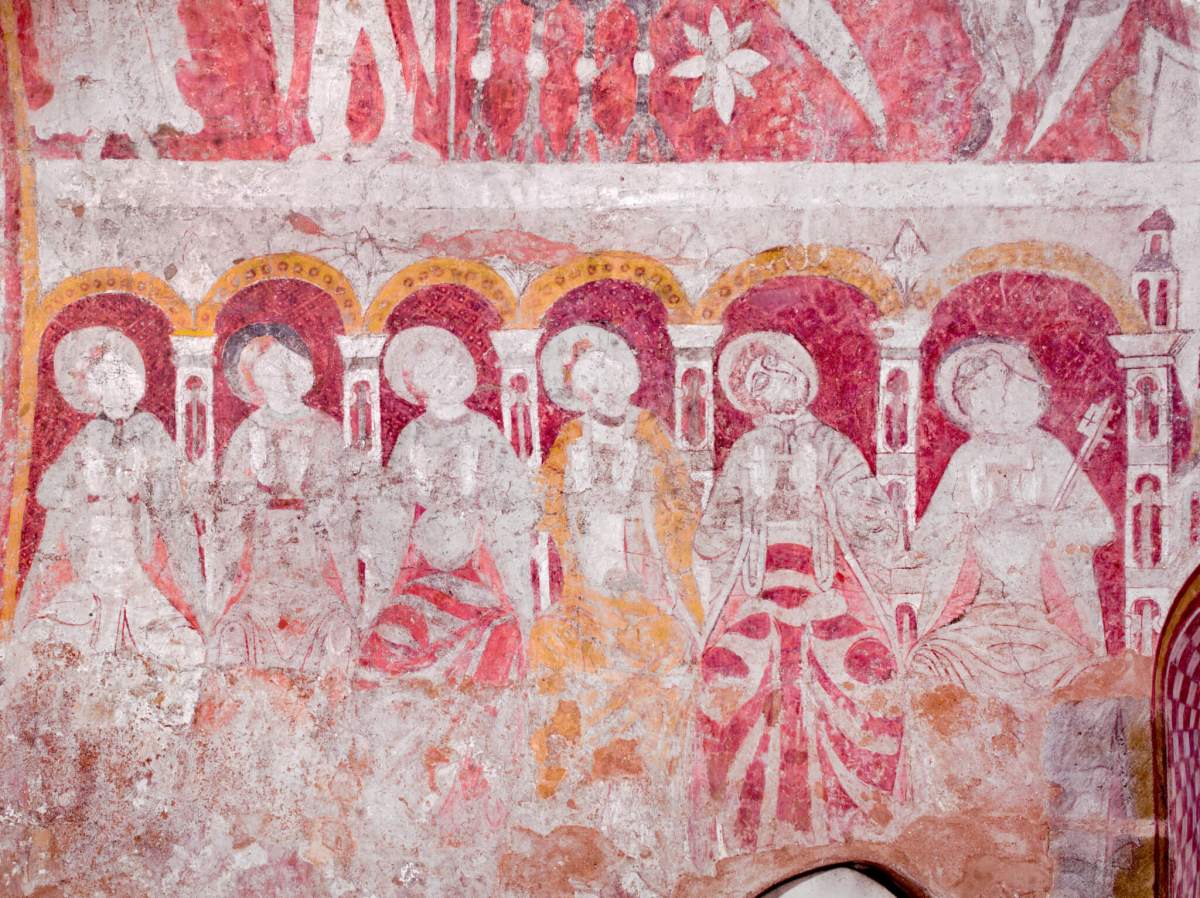
For centuries, England has had a rich tradition of decorating interior walls with painted imagery. The paintings could depict tales from the Bible and offer moral warnings to local church congregations, almost all of whom were unable to read or write before education became widely available. Wall paintings first appeared in England during the Roman…
Why he invaded England in 1066
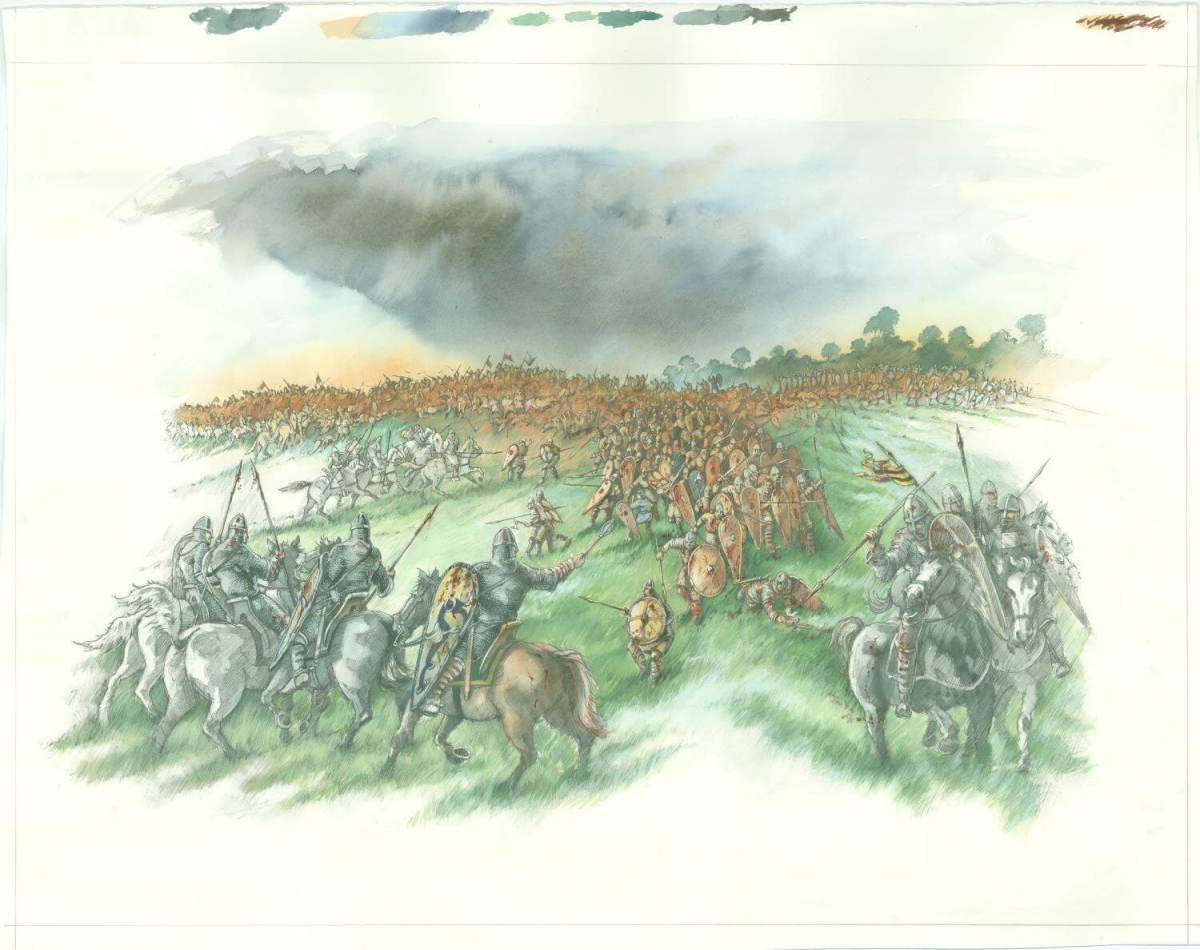
William I, also known as William the Conqueror, was the first Norman king of England, who reigned from 1066 to 1087. Before this, he was the Duke of Normandy from 1035. When the Anglo-Saxon English king, Edward the Confessor, died in 1066, William set his sights on invading England and expanding his power. Invading England…
The History of Carnival in England
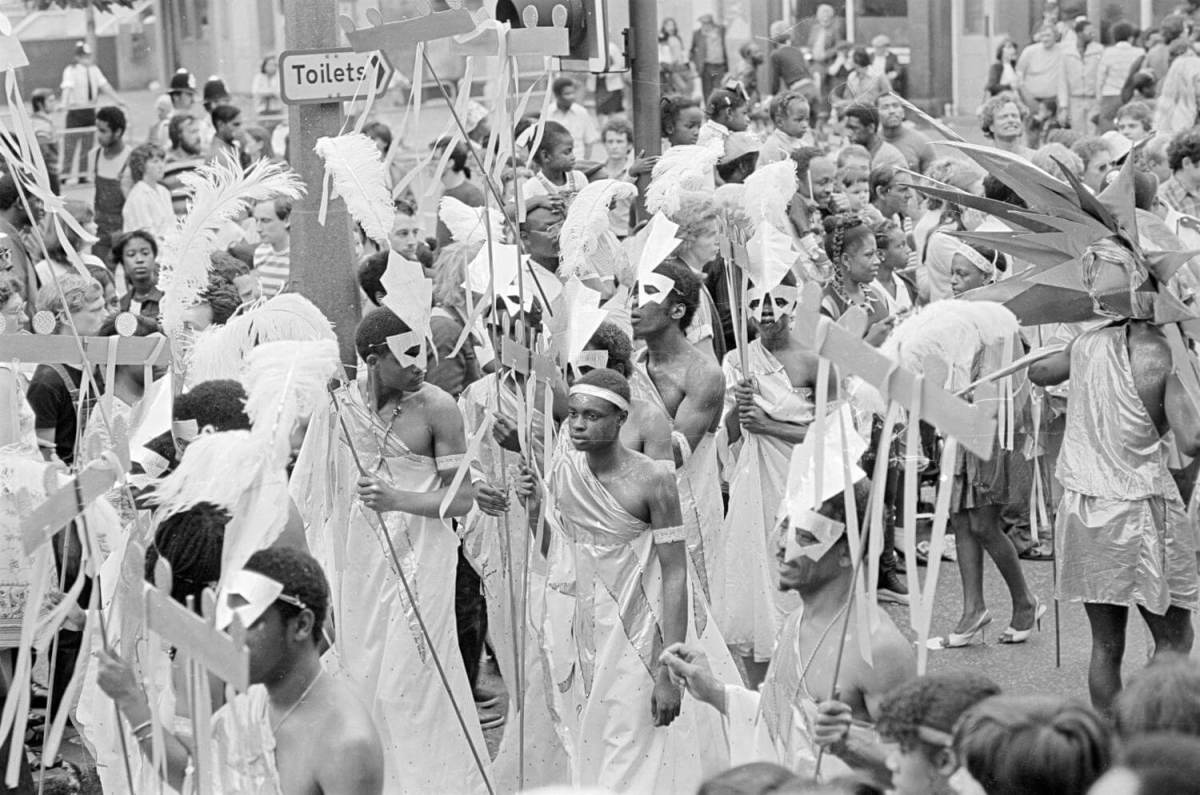
From the burning flames of effigies of Guy Fawkes, ignited and ashy annual reminders to keep in line or be immortalised into history as an enemy of Great Britannia, to the burning of sugared plantations in the Caribbean causing panicked uproars in British Parliament, flames and fury transforming itself into jubilant celebration is an evolution…
The History of Chinatowns in England
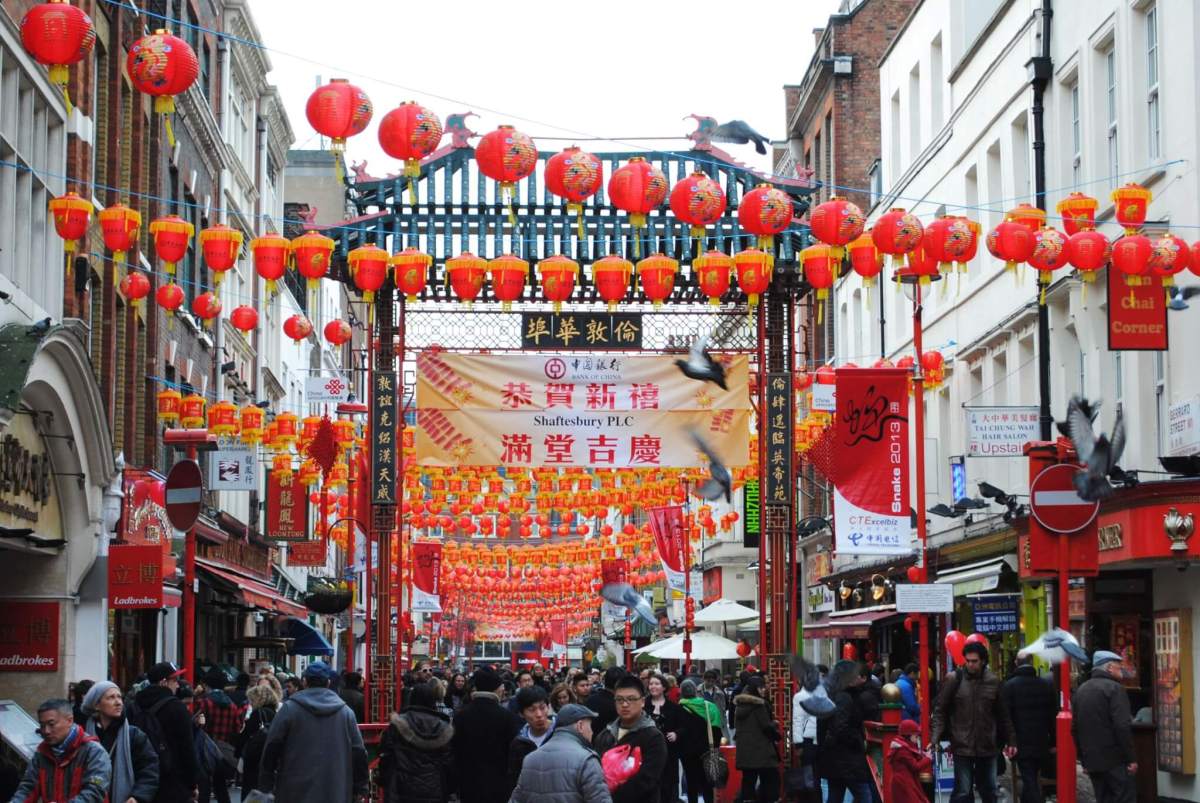
Lined with vibrant restaurants and bustling shops, Chinatowns are lively culinary hubs at the heart of England’s cities. A melting pot of diverse Asian cultures and communities, they are often marked by a distinctive Chinese archway, or paifang, which stands as a cultural symbol of Chinese heritage in England. Chinatown, Gerrard Street, London. © Historic…
The Pioneering Stockton and Darlington Railway
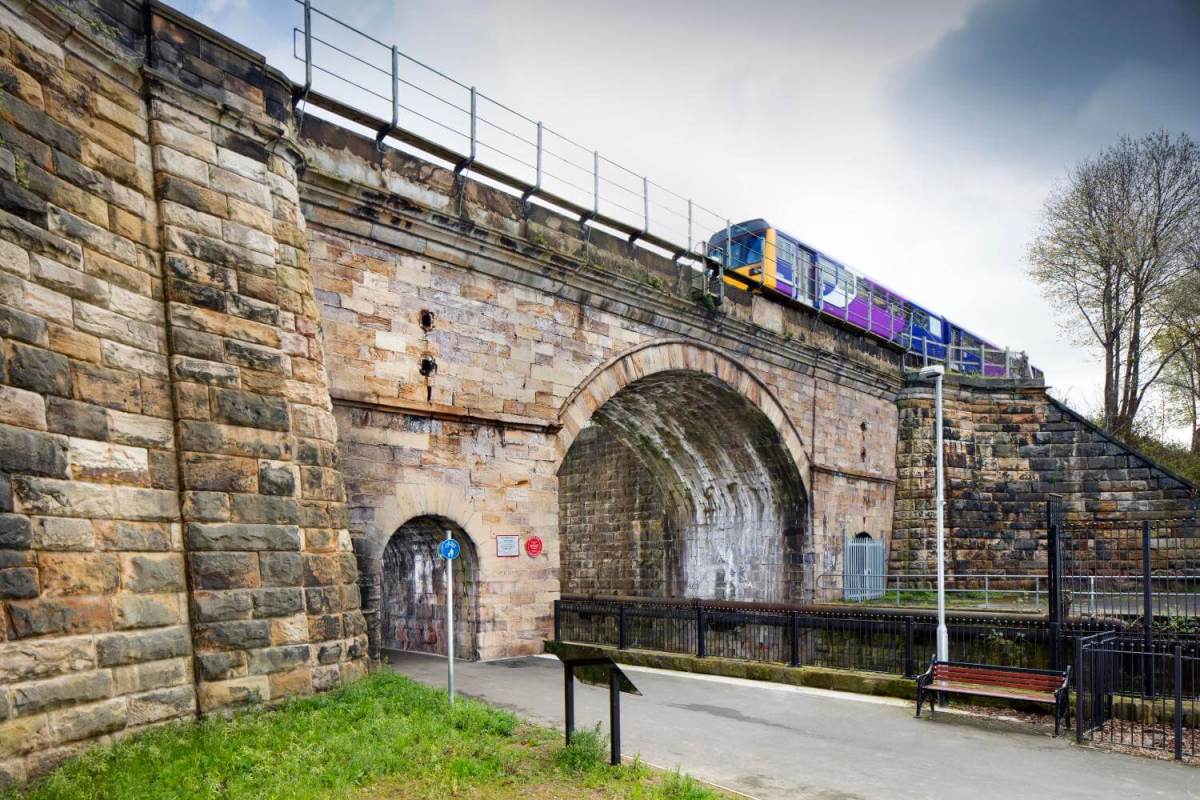
When the railway expanded in Britain in the 19th century, it transformed the way people lived, worked and socialised. Heavy goods could be transported faster than before, rural areas now had access to urban centres and new employment opportunities, and travel and leisure activities became more accessible for most people. But how and when did…
What Is the Oldest Pub in London?
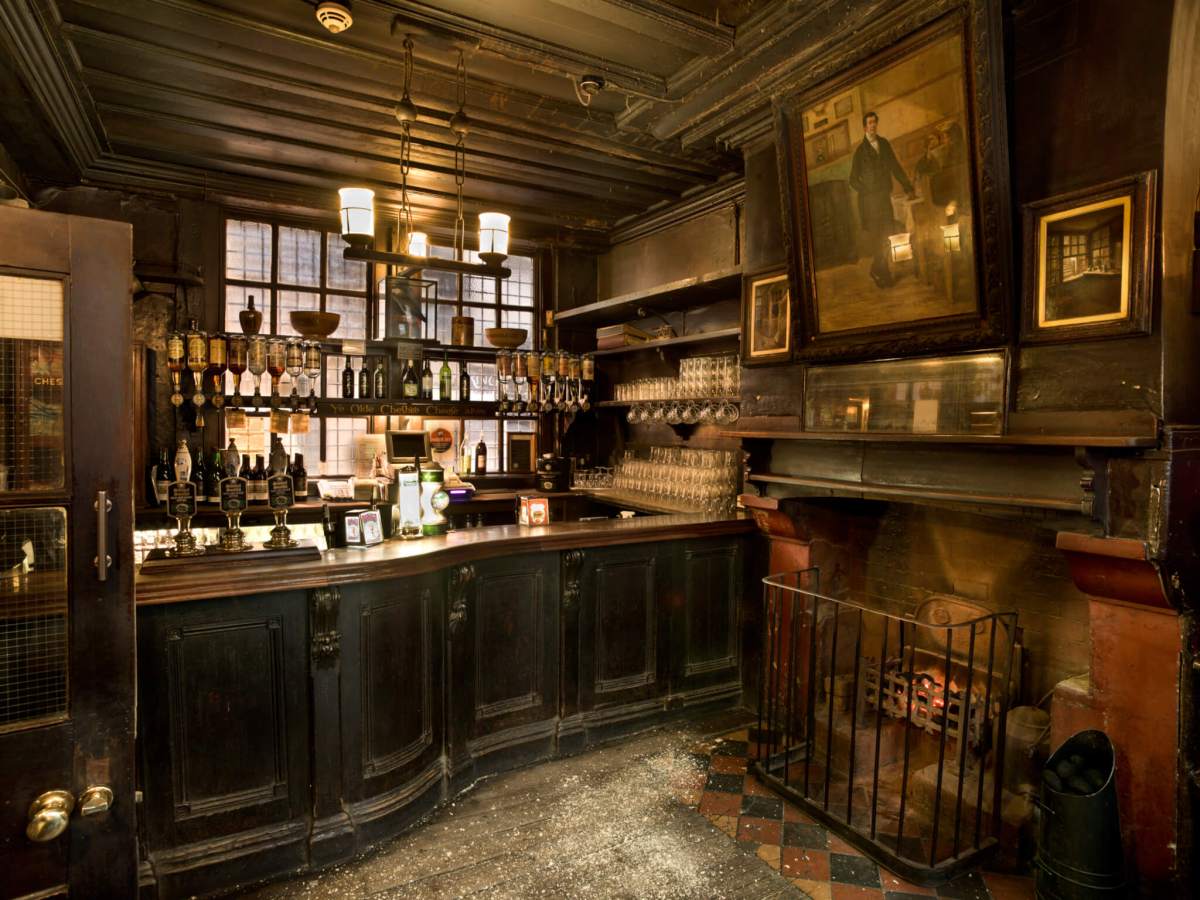
There are many claimants for London’s oldest public house, with several names repeatedly cropping up. The earliest pubs were medieval alehouses, taverns, and inns. The term ‘public house’ was in use by the early 17th century and included these early types of buildings. No historic pubs survived the Great Fire of London in 1666, and…